What Color Shoes To Wear With Brown Suit: Style Guide
For most settings in the United States, dark brown, medium brown, burgundy, and oxblood shoes work best with a brown suit. The right choice depends on the suit’s shade, the formality of the event, and the color of your belt.
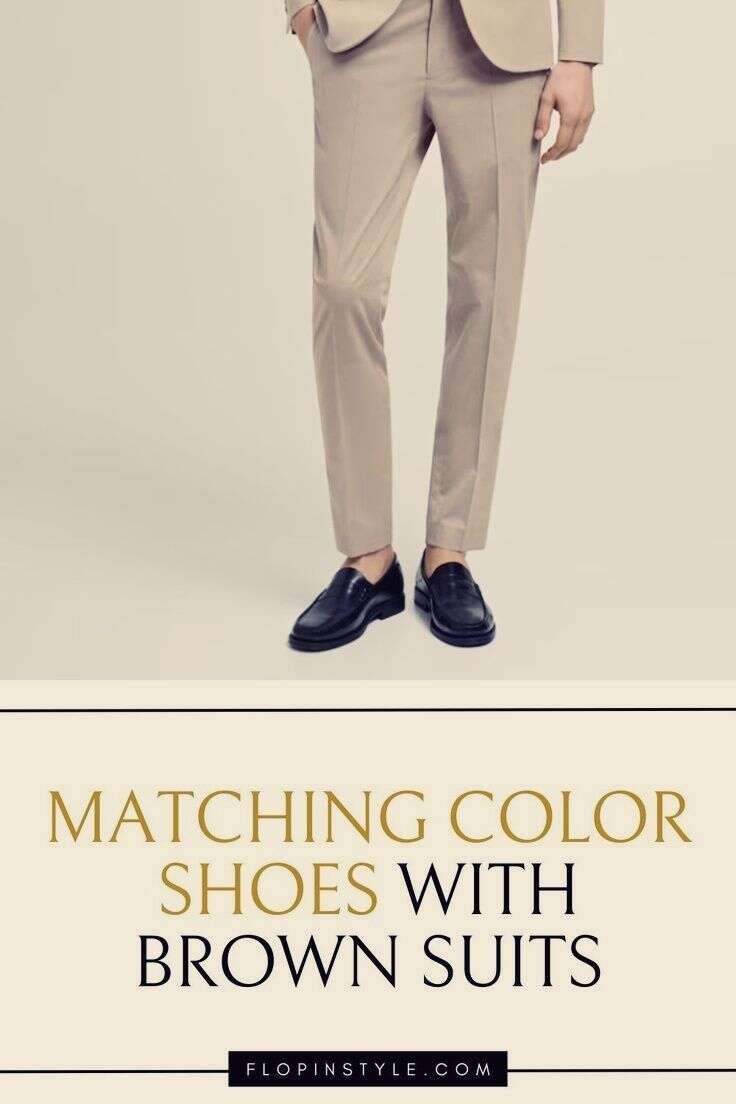
As a simple rule, wear dark brown shoes with a light or medium brown suit. With a dark brown suit, choose medium or dark brown, burgundy, or polished black shoes when the dress code is formal. Tan shoes and white sneakers can work with lighter brown suits in relaxed settings, but they need the right clothes around them.
Introduction
Brown suits are easy to wear because they look warm, less severe than black, and more relaxed than navy. They also cover a wide range of shades, from camel and tan to chocolate and espresso. That range makes shoe choice important.
For an office in Chicago, a wedding in Texas, or a dinner in New York, the same brown suit may need different shoes. The safest approach is to compare the shoe color with both the suit shade and the event’s dress code.
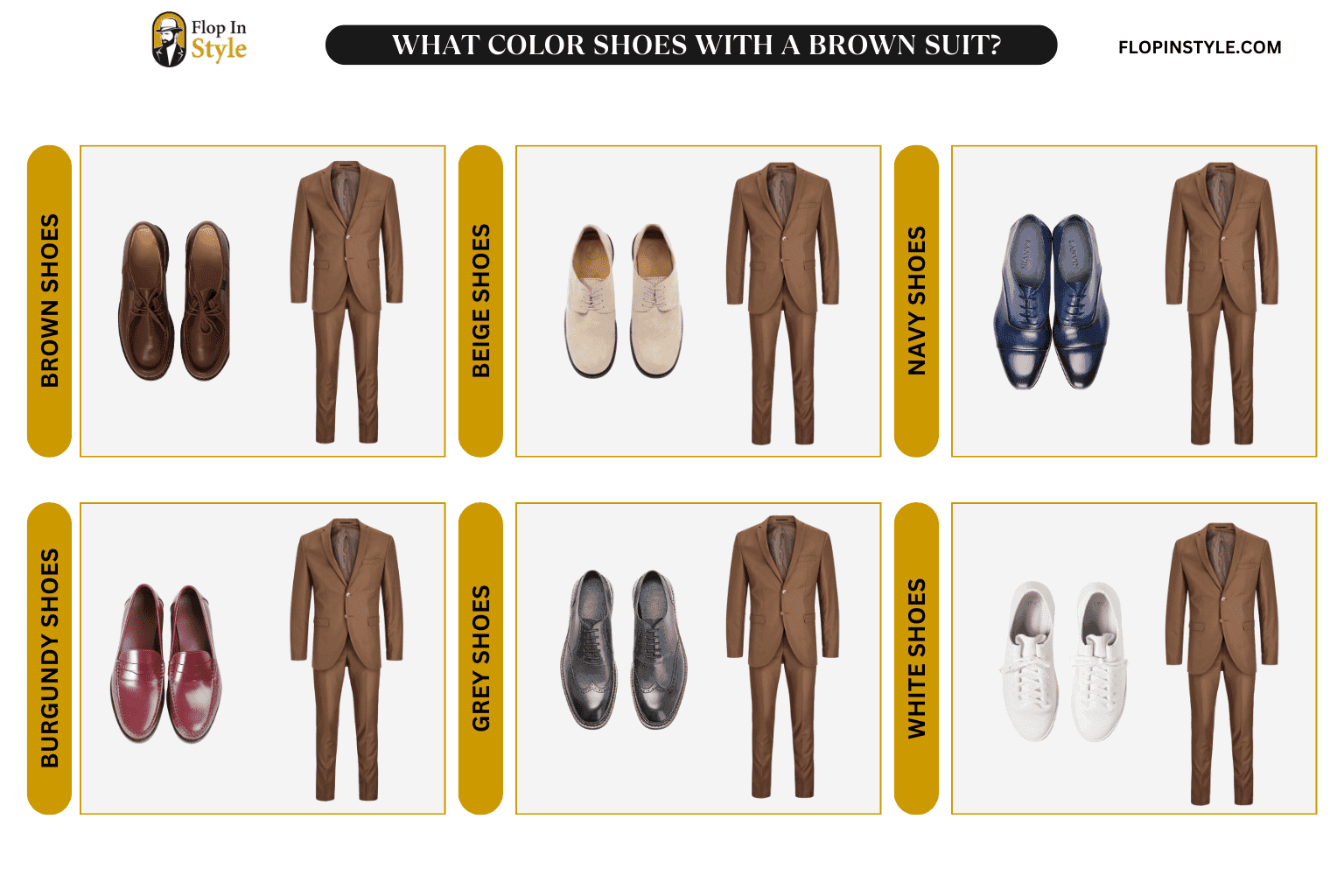
The Best Shoe Colors for a Brown Suit
Dark brown shoes are the best all-purpose choice for a brown suit. They create a smooth, classic look without making the outfit too stark.
Here is how the main shoe colors work:
| Shoe color | Best suit shades | Best settings | Overall effect |
|---|---|---|---|
| Dark brown | Light, medium, and warm brown | Office, weddings, dinners | Classic and balanced |
| Medium brown | Tan, camel, and medium brown | Business casual, daytime events | Polished but relaxed |
| Burgundy or oxblood | Medium and dark brown | Office, dates, weddings | Rich and stylish |
| Black | Dark brown and cool brown | Formal offices, evening events | Sharp and high contrast |
| Tan or cognac | Light brown and tan | Summer, outdoor, casual events | Bright and relaxed |
| White sneakers | Light brown and casual fabrics | Casual outings | Modern and informal |
Dark brown shoes
Dark brown shoes are usually the most reliable choice. They pair well with tan, camel, tobacco, and medium brown suits. They also look refined with many dark brown suits, as long as the shoes are clearly darker than the trousers.
Choose dark brown leather oxfords or Derbies for a formal event. Dark brown loafers work well for business-casual outfits.
Burgundy and oxblood shoes
Burgundy and oxblood shoes add color without fighting the brown suit. Their red undertone gives the outfit more depth.
These shades work especially well with medium brown, reddish brown, and chocolate suits. They are also useful when you want something more distinctive than plain brown but less severe than black.
Black shoes
Black shoes can work with a brown suit, but they create a stronger contrast. They are most suitable for a dark brown suit, a formal evening event, or a conservative workplace.
Black shoes are less natural with a light tan suit. The sharp difference between pale trousers and black footwear can make the outfit look disconnected. If you wear black shoes with brown tailoring, keep the rest of the outfit simple and formal.
Tan and cognac shoes
Tan and cognac shoes suit light brown, camel, and beige suits. They are a good match for warm-weather weddings, outdoor events, and relaxed business settings.
Avoid pairing very light tan shoes with a dark brown suit unless you want a deliberate high-contrast look. In most cases, the shoes should be darker than the trousers.
White sneakers
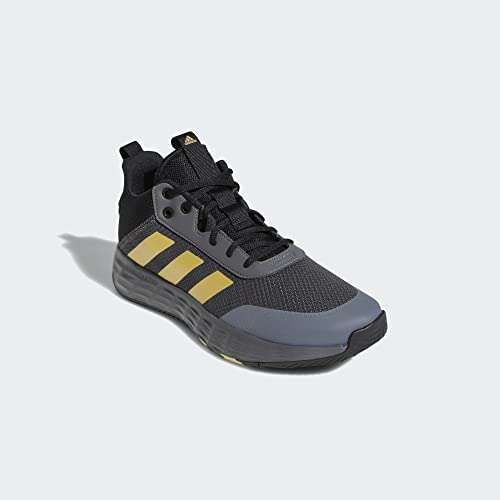
White leather sneakers can work with a casual brown suit made from cotton, linen, or a soft wool blend. They do not belong at most formal weddings, conservative offices, or black-tie events.
Keep the sneakers clean and simple. A low-profile white sneaker looks more polished than a bulky athletic shoe.

Match the Shoes to the Brown Suit’s Shade
The suit’s shade changes the answer more than the word “brown” suggests. Look at the trousers in natural light before choosing shoes.
Light brown, tan, and camel suits
Light brown suits look best with:
- Medium or dark brown shoes
- Cognac shoes
- Burgundy loafers
- Clean white sneakers for casual wear
- Dark brown suede shoes for a softer look
A light brown suit with dark brown shoes creates a clear, balanced contrast. This is often the easiest combination for spring and summer events.
Tan suede loafers can also work well. Suede has a softer texture, so it makes the outfit feel less formal than smooth leather.
Medium brown suits
Medium brown suits offer the most flexibility. Try:
- Dark brown oxfords or Derbies
- Medium brown loafers
- Burgundy or oxblood shoes
- Dark tan brogues
- Black shoes for a formal office or evening event
For a safe business look, wear a medium brown suit with dark brown leather shoes, a white or pale blue shirt, and a dark belt.
Dark brown and chocolate suits
Dark brown suits need enough contrast to keep the outfit from looking flat. Good choices include:
- Medium brown shoes
- Dark brown shoes with a visible shade difference
- Burgundy or oxblood shoes
- Black leather shoes for formal settings
- Dark tan shoes for a more fashion-forward outfit
If the suit and shoes are both nearly the same dark brown, the outfit may look dull. Use texture or a clear shade difference to separate the pieces.
Brown suits with a red or warm undertone
Some brown suits contain red, orange, or rust tones. Burgundy shoes often look natural with these colors because both have warm undertones.
Dark brown shoes are still the safest choice. Black shoes can work, but they may look colder beside a strongly warm suit.

Choose the Shoe Style for the Dress Code
Color matters, but shoe shape and material also signal formality. A dark brown sneaker and a dark brown oxford do not send the same message.
Formal events
For formal weddings, business meetings, and evening events, choose:
- Dark brown cap-toe oxfords
- Burgundy leather oxfords
- Black oxfords with a dark brown suit
- Sleek leather Derbies
Keep the shoes clean and well polished. Avoid large soles, heavy broguing, and casual suede when the event calls for formal clothing.
Business settings
For a traditional office, dark brown or burgundy leather shoes are dependable. Oxfords look more formal, while Derbies allow a little more room and feel slightly less strict.
In a business-casual office, loafers and brogues may work well. Check the workplace norm before choosing a lighter shoe or a more decorative style.
Weddings
A brown suit can work well for a daytime or outdoor wedding. Dark brown, burgundy, and cognac shoes are all useful options.
For a formal evening wedding, choose dark brown or black leather. For a summer ceremony, medium brown loafers or polished cognac shoes can look lighter and more appropriate.
Casual settings
Casual brown suits made from linen, cotton, corduroy, or textured wool can pair with:
- Suede loafers
- Brown chukka boots
- Minimal white sneakers
- Casual Derbies
- Clean leather slip-ons
The shoe should match the suit’s texture. A rugged brown boot may look natural with a heavier wool suit but too heavy with a lightweight linen suit.

Coordinate Your Belt, Socks, and Accessories
Your shoes should not work alone. The belt, socks, watch strap, and shirt can either connect the outfit or make it feel scattered.
Match the belt to the shoes
The belt does not need to be an exact color match, but it should be close in depth and tone. Dark brown shoes usually call for a dark brown belt. Burgundy shoes look best with a burgundy-brown or dark brown belt.
Avoid a black belt with brown shoes. That split line can make the outfit look unplanned.
Pick socks that support the outfit
For dress shoes, socks can match the trousers, shoes, or a subtle accent in the shirt or tie. Brown, navy, burgundy, gray, and muted patterns can all work.
Avoid white athletic socks with dress shoes. They make even a well-fitted suit look casual.
Consider the shirt and tie
A white shirt gives you the most freedom. Pale blue, cream, light pink, and subtle stripes also work well with brown tailoring.
If you wear burgundy shoes, a burgundy tie or pocket square can echo the color. Do not match every accessory exactly. One small color link is enough.
Choose metals with care
Brown suits often look natural with warm metals such as gold, bronze, or brass. Silver still works, especially with a cool brown suit or a formal look. The watch strap should usually follow the shoe and belt family.

Common Mistakes to Avoid
The most common mistake is choosing shoes based only on personal preference. The full outfit needs balance.
Wearing shoes that are too light
Very light shoes with a dark brown suit can draw attention to the feet. Choose them only when the contrast is intentional and the event is casual.
Matching brown too closely
Shoes that are nearly the same shade as the trousers may blend into the suit. A small difference in color or texture helps define the outfit.
Treating black as always wrong
Black shoes are not automatically a poor match for brown. They can look sharp with dark brown tailoring, especially in formal settings. The issue is usually contrast, not a strict color rule.
Wearing casual shoes to a formal event
Sneakers, lug-soled boots, and heavily distressed shoes can undermine a formal suit. When the invitation says formal, use sleek leather shoes.
Ignoring the shoe condition
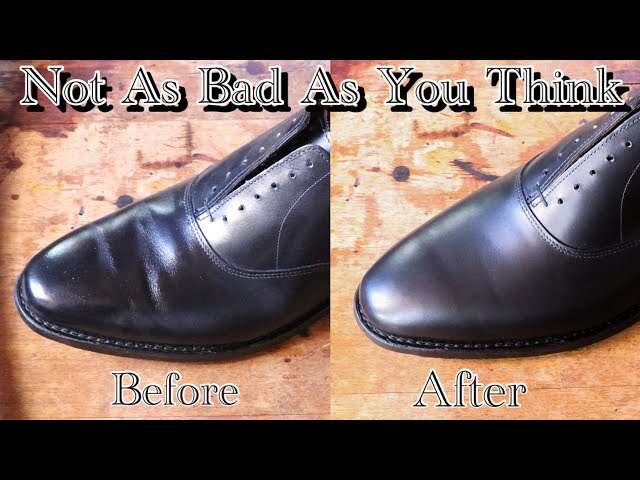
Scuffed, dirty, or badly creased shoes can weaken the whole outfit. Clean and condition leather as needed, and brush suede with a suede brush. Never use regular shoe polish on suede.
Forgetting the trouser break
The trouser break is the amount of fabric that rests on the shoe. A heavy break can bunch over sleek shoes, while very short trousers can make formal shoes look out of place. A small or clean break usually gives a modern, balanced result.

Quick Decision Guide
Use this simple method when you need an answer fast:
-
Check the suit shade.
Light suits usually need medium or dark shoes. Dark suits need contrast or a rich accent color. -
Check the event.
Formal events favor polished leather. Casual events allow suede, loafers, boots, or sneakers. -
Choose the safest color.
Dark brown is the default. Burgundy adds character. Black raises the formality. Tan keeps a light suit relaxed.