What Is A Closed Toe Shoe: Meaning And Uses
Introduction
A closed-toe shoe is footwear that fully covers the toes and does not leave the front of the foot exposed. In the United States, people commonly wear closed-toe shoes for work, school, travel, outdoor tasks, and daily errands because they offer more coverage than sandals or open-toe shoes.
A closed toe does not always mean the shoe has a safety toe. A regular sneaker may cover the toes, while a work boot may include a steel, aluminum, or composite protective cap. The right choice depends on the activity, workplace rules, weather, fit, and level of protection you need.
What Does “Closed-Toe Shoe” Mean?
A closed-toe shoe has an upper that covers the toes from above and around the front of the foot. The toe area is enclosed rather than exposed through an opening.
Common examples include:
- Sneakers
- Walking shoes
- Dress shoes
- Loafers
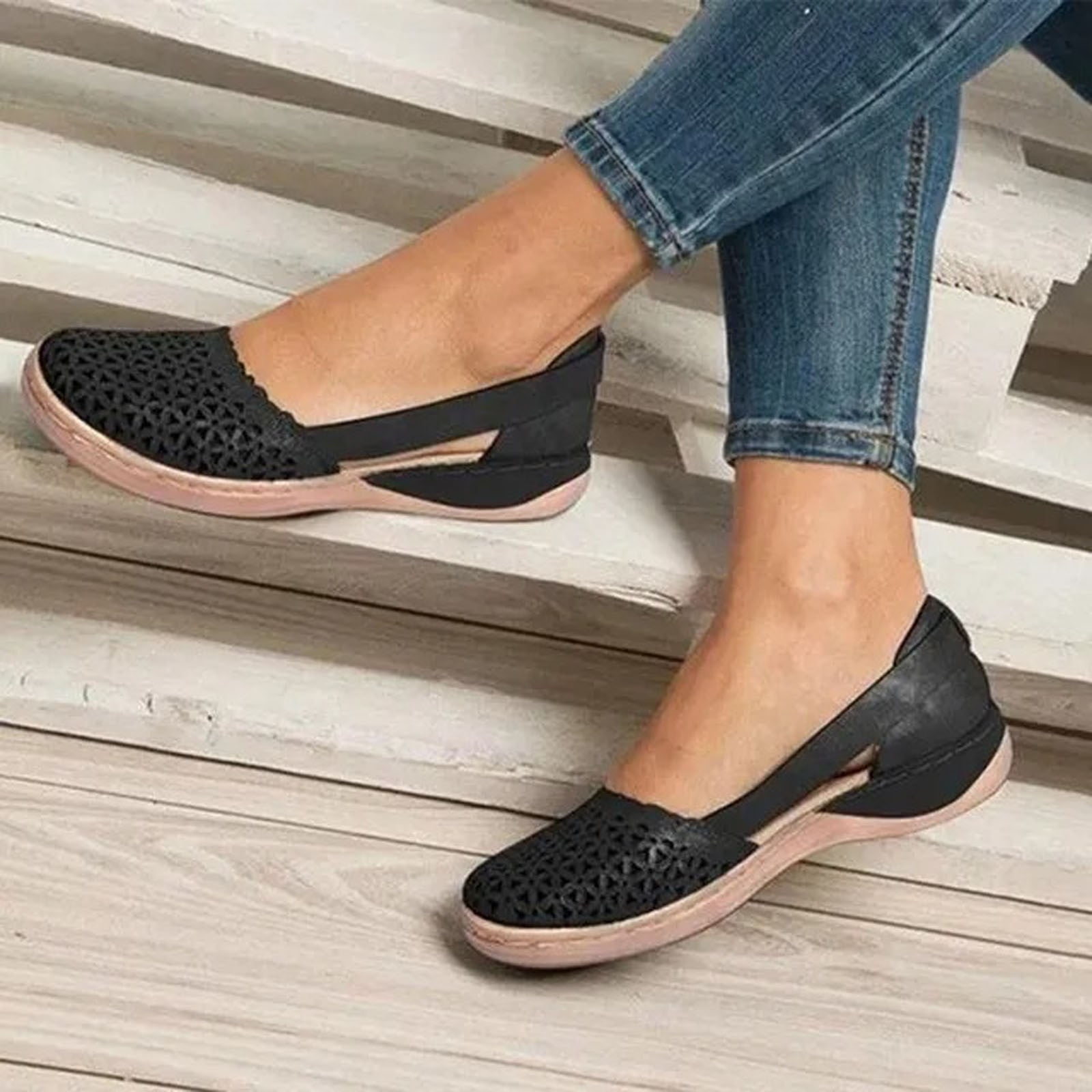
- Ballet flats
- Work shoes
- Hiking shoes
- Boots
- Tennis shoes
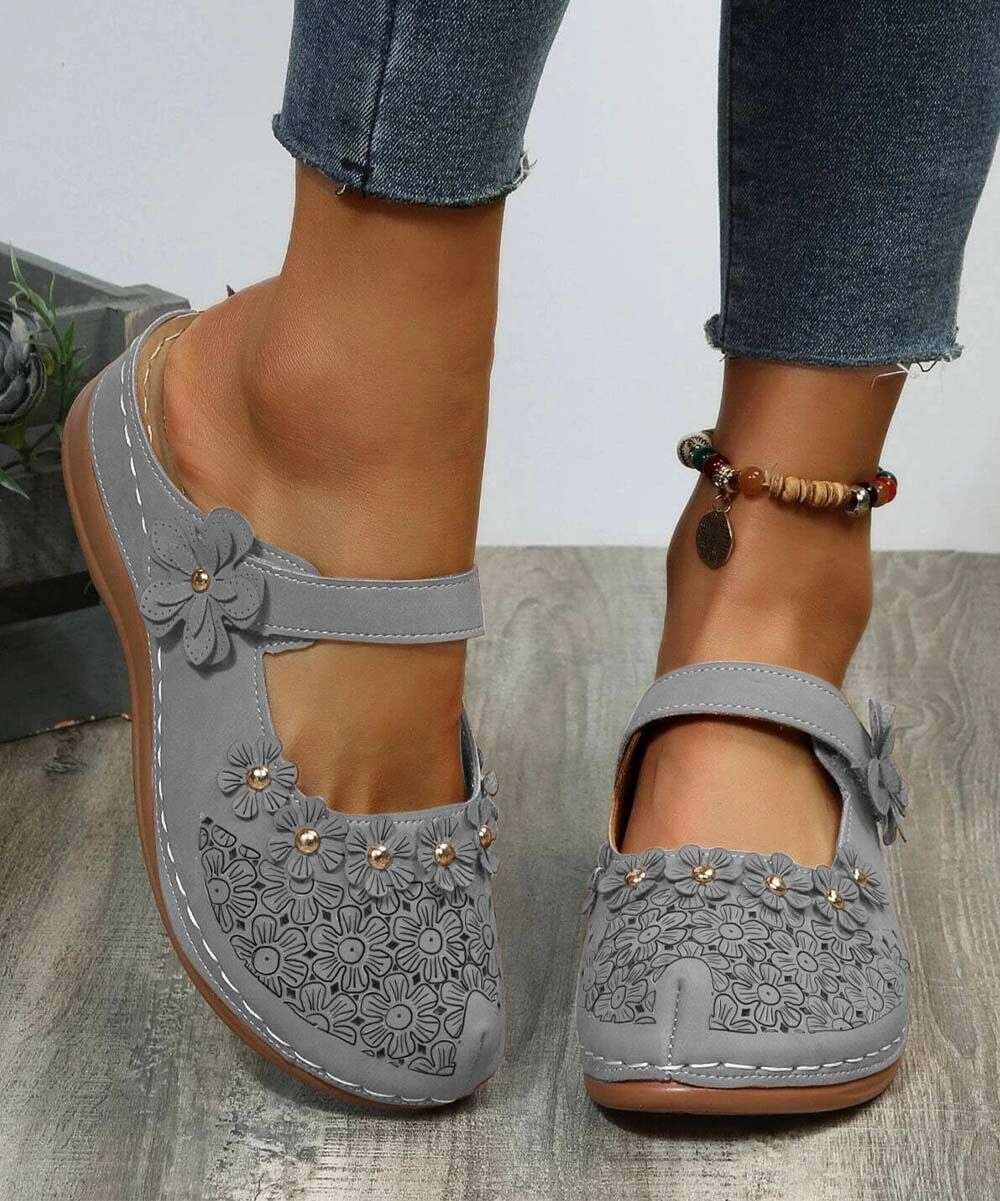
- Some clogs and mules
The term describes the shoe’s toe coverage, not its material, heel height, sole, or safety rating.
A closed-toe shoe may have leather, mesh, canvas, synthetic material, rubber, or another upper. It may have a flat sole or a high heel. It may also have an open heel, as with some mules. If the toes remain covered, the shoe can still be considered closed toe.
Closed toe versus open toe
A closed-toe shoe covers the front of the foot. An open-toe shoe leaves one or more toes partly or fully exposed.
| Feature | Closed-toe shoe | Open-toe shoe |
|---|---|---|
| Toe coverage | Covers the toes | Leaves toes exposed |
| Examples | Sneakers, loafers, boots | Sandals, peep-toe heels |
| Protection from light contact | Usually more coverage | Less coverage |
| Airflow | Often lower | Often higher |
| Workplace acceptance | May meet a basic closed-toe rule | Often not accepted where toes must be covered |
A “peep-toe” shoe is generally treated as open toe because it has an opening at the front. A sandal with straps across the toes is also usually open toe.
Closed toe does not mean fully protective
A covered toe can help shield the skin from minor contact, dust, sunlight, and small surface hazards. However, a standard closed-toe shoe may not protect against heavy objects, sharp materials, punctures, chemicals, heat, or electrical hazards.
That difference matters at work. The Occupational Safety and Health Administration, or OSHA, requires protective footwear in certain workplaces when employees face hazards that could cause foot injuries. A basic sneaker may not meet that requirement.

Why Do People Wear Closed-Toe Shoes?
People wear closed-toe shoes for coverage, comfort, dress requirements, and task safety. The benefit depends on the shoe’s design and the risk involved.
Everyday coverage
Closed-toe shoes cover the toes during common activities. They can reduce direct contact with:
- Small stones
- Grass and dirt
- Furniture edges
- Loose objects
- Rough surfaces
- Minor splashes
They do not make walking or working risk-free. They simply cover more of the foot than open-toe footwear.
Work and school dress codes
Many workplaces, laboratories, commercial kitchens, schools, and medical settings require closed-toe shoes. The rule may exist because exposed toes are more vulnerable to dropped items, spills, equipment, or contact with materials.
A dress code may say “closed toe,” “closed toe and closed heel,” or “protective footwear.” These terms are not interchangeable. Check the exact policy before choosing shoes.
Weather and outdoor use
Closed-toe shoes can keep out more dirt, cold air, and light moisture than sandals. Shoes with a waterproof membrane or sealed construction may offer more weather protection, but a closed toe alone does not make footwear waterproof.
For hiking or outdoor work, the sole and upper matter as much as toe coverage. Traction, ankle support, drainage, and durability may be more important than the toe label.
Comfort and foot support
A closed shoe can hold the foot in place better than a loose sandal. A firm heel counter, secure laces, and a stable sole may help reduce sliding inside the shoe.
Still, closed coverage does not guarantee comfort. A narrow toe box can press on the toes and cause pain, blisters, or rubbing. Fit remains more important than the label.

Types of Closed-Toe Shoes
Closed-toe shoes come in many forms. The best type depends on the task and the conditions.
Sneakers and walking shoes
Sneakers use flexible uppers and cushioned soles. They work well for errands, walking, school, and light activity.
Mesh sneakers can feel cool and light. They may offer less protection from rain, sharp objects, and spills than leather or reinforced shoes.
Dress shoes and loafers
Dress shoes and loafers cover the toes and suit offices, events, and formal clothing. Some have smooth leather soles, while others use rubber soles for more grip.
A dress shoe may satisfy a basic closed-toe dress code. It may not satisfy a workplace safety rule.
Flats and low heels
Flats provide toe coverage with little or no heel. Low heels may offer a more formal look while keeping the foot closer to the ground.
Check the toe shape. Pointed shoes can reduce space for the toes, even when the shoe feels comfortable at first.
Work shoes and boots
Work shoes and boots may include stronger uppers, slip-resistant soles, waterproof layers, or protective toes. Features vary widely.
A safety-toe boot can protect against specific impact and compression hazards when it meets the required standard. A plain leather boot may cover the toes but lack that protection.
Hiking shoes and trail shoes
Hiking shoes cover the toes and often have a firm sole with outdoor tread. Some include a reinforced toe cap.
A reinforced toe cap is not always a certified protective toe. Read the manufacturer’s specifications and workplace requirements.
Clogs and mules
Some clogs and mules cover the toes but leave the heel open. They may count as closed toe in casual use.
They may not meet a rule that requires a closed heel, a secured heel strap, or protective footwear. An open heel can also make the shoe less stable for certain tasks.

Is a Closed-Toe Shoe the Same as a Safety Shoe?
No. A closed-toe shoe covers the toes. A safety shoe is designed and tested for one or more defined workplace hazards.
In the United States, protective-toe footwear is commonly evaluated under ASTM standards. OSHA’s rule at 29 CFR 1910.136 addresses occupational foot protection. ASTM standards such as ASTM F2412 and ASTM F2413 cover test methods and performance requirements for protective footwear.
The exact standard, marking, and hazard depend on the shoe and its intended use. Do not assume that “steel toe,” “work shoe,” or “reinforced toe” means the same thing.
Basic difference
| Shoe type | Covers toes? | Certified protective toe? | Typical use |
|---|---|---|---|
| Sandal | No | No | Warm weather, casual use |
| Regular sneaker | Yes | Usually no | Walking, school, daily wear |
| Reinforced-toe hiking shoe | Yes | Not always | Trails and outdoor use |
| Safety-toe work boot | Yes | Often, if marked and certified | Defined workplace hazards |
A closed toe may be enough for a school or office dress code. It may not be enough for construction, manufacturing, warehouse work, or other high-risk settings.
What a safety toe can and cannot do
Protective-toe footwear is designed for specific tests and hazards. It does not protect every part of the foot or every type of injury.
For example, a protective toe may not provide full protection from:
- Punctures through the sole
- Chemical exposure
- Extreme heat
- Electrical hazards
- Slippery floors
- Ankle injuries
- Poor fit or fatigue
Use the hazard assessment and employer instructions as the main guide. If the requirement is unclear, ask a supervisor or safety professional before starting work.

How to Choose the Right Closed-Toe Shoe
Choose the shoe by starting with the task, then checking the fit and features.
1. Identify the main risk
Ask what the shoe needs to handle:
- Normal walking
- Long periods of standing
- Rain or snow
- Uneven ground
- Slippery floors
- Dropped objects
- Sharp materials
- Chemicals
- Heat
- Electrical exposure
A daily sneaker and a work boot may both have closed toes, but they serve very different purposes.
2. Check the required rule
Read the written dress code or safety policy. Look for terms such as:
- Closed toe
- Closed toe and closed heel
- Non-slip
- Safety toe
- ASTM-rated
- Puncture resistant
- Waterproof
- Electrical hazard rated
If the rule requires a standard or rating, look for the marking on the shoe, label, packaging, or manufacturer documentation. Do not rely on appearance alone.
3. Test the toe box
The toe box is the front section of the shoe. It should give the toes enough room to rest naturally.
When trying on shoes:
- Wear the socks you expect to use.
- Stand up before checking the fit.
- Leave some space in front of the longest toe.
- Make sure the toes can move slightly.
- Walk on a firm surface.
- Check for rubbing, pressure, or slipping.
The longest toe may not be the big toe. Foot shape varies, so try both shoes and fit the larger foot.
4. Check heel and midfoot hold
The heel should stay mostly in place when you walk. A little movement can occur in a new shoe, but repeated sliding may cause blisters.
Laces, straps, elastic panels, and adjustable fasteners can improve the hold. An open-back style may be less stable for ladders, fast movement, or work around machinery.
5. Match the sole to the surface
A sole should fit the ground you will use it on. Soft indoor flooring, wet pavement, loose gravel, and muddy trails all require different tread patterns.
A “slip-resistant” claim should be treated as a product feature, not a guarantee. Floor conditions, oil, water, debris, wear, and walking speed all affect traction.
6. Consider the climate
For hot weather, breathable fabric may reduce heat buildup. For wet weather, water-resistant or waterproof construction may help. For cold conditions, insulation and sock choice matter.
A breathable mesh shoe may dry fast but allow water to pass through. A waterproof shoe may keep water out but feel warmer. Each feature has a trade-off.

Common Mistakes to Avoid
The most common mistake is treating all closed-toe shoes as equally protective. They are not.