How To Repair Patent Leather Shoes: Easy 2026 Restoration Guide
You can repair patent leather shoes by cleaning the surface, filling cracks with specialized filler, and applying a high-gloss finish.
I have spent years managing a footwear collection, and I know the heartbreak of finding a deep scuff on a favorite pair of patent heels or oxfords. Because patent leather is actually a plastic-coated material rather than raw hide, it behaves differently than traditional leather. Many people make the mistake of using standard shoe polish, which often causes more harm than good. Learning how to repair patent leather shoes requires a specific set of tools and a gentle touch to restore that signature mirror-like shine. I am here to share my professional insights so you can bring your worn-out pairs back to life without visiting a cobbler.

Understanding the Nature of Patent Leather
Patent leather is essentially leather that has been finished with a high-gloss lacquer or synthetic coating. This layer is what gives your shoes that unmistakable glass-like aesthetic, but it also makes the material prone to cracking and peeling. When you decide to repair patent leather shoes, you are really working on the top coating rather than the leather itself.
Understanding this distinction is the secret to success. If you try to buff a scratch with oils or waxes meant for regular calfskin, they will simply sit on top of the plastic and create a sticky mess. I once ruined a perfectly good pair of boots by using a heavy wax polish, thinking it would hide a scuff. Now, I always use acrylic-based products that bond correctly with the synthetic layer.
Essential Supplies for Repair
Before you start your project, gather the right materials. Using the wrong products can cause further damage to the finish. You should have these items ready:
- Soft microfiber cloths for cleaning and polishing.
- Mild soap and water for removing surface debris.
- Fine-grit sandpaper for smoothing out jagged edges.
- Leather filler or a specialized patent repair compound.
- A high-gloss clear coat or patent leather restorer to match the original finish.
Having these tools on hand ensures that you can repair patent leather shoes effectively and safely. Always work in a well-lit area so you can monitor the progress of your repair.

Step by Step Guide to Fixing Scuffs and Cracks
Repairing your shoes is a meditative process that demands patience. Start by cleaning the entire shoe with a soft, damp cloth and a drop of mild soap. Dirt particles can get trapped in the repair compound, so make sure the surface is pristine before applying any product.
If you have a rough scratch, gently sand the area with very fine grit sandpaper. This creates a smooth surface for the filler to adhere to. Apply a small amount of patent filler into the crack using a toothpick or a small brush. Level it off carefully so it matches the surrounding area. Allow it to dry completely according to the manufacturer instructions.
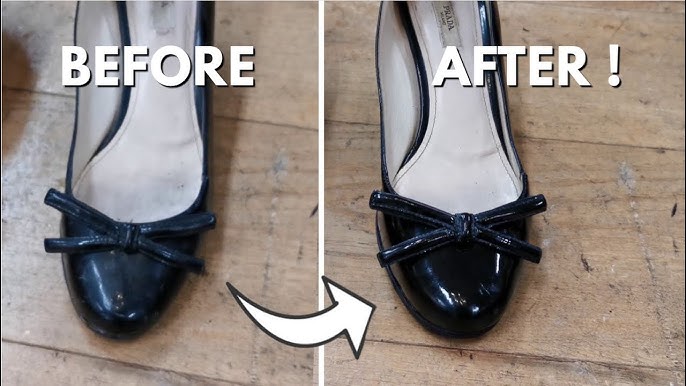
Once the filler is dry, the final step to repair patent leather shoes is applying a glossy sealant. I recommend using a thin, even coat of patent leather restorer. If you apply too much at once, it can bubble or streak. Two thin layers are always better than one thick one. Let the shoes cure for at least 24 hours before wearing them.

Frequently Asked Questions of how to repair patent leather shoes
Can I use regular nail polish to hide scratches on patent leather?
While it might seem like a quick fix, nail polish is too rigid and will crack as your shoe flexes. It is better to use specialized leather fillers that are designed to remain flexible.
How do I prevent future cracks in my patent leather shoes?
Keep your shoes away from extreme heat sources like radiators, as heat makes the coating brittle. Using a patent leather conditioner regularly keeps the material supple and prevents it from drying out.
What should I do if the finish is peeling significantly?
If large sections are peeling, the integrity of the coating is compromised beyond a simple touch-up. You may need to visit a professional cobbler to see if a complete refinishing is possible.
Does the color of the filler matter?
Yes, you should always match the filler to the color of your shoe. Most repair kits offer a neutral base, but buying a specific color will provide a much more seamless result.
Can I repair patent leather shoes that have turned yellow?
Yellowing is usually a result of aging or sun exposure, which is difficult to reverse. While you can clean the surface, you may need to use a specialized patent leather paint to restore the original color.
Conclusion
Restoring your footwear is an incredibly rewarding experience that extends the lifespan of your favorite accessories. By understanding that you are working with a synthetic coating, you can take the necessary steps to repair patent leather shoes with precision and care. Whether you are fixing a minor scuff or filling a deeper crack, the right technique ensures your shoes keep their professional, high-gloss appeal for years to come. Do not be afraid to practice on an inconspicuous spot first to ensure your color match is perfect. Start your repair project today and enjoy that brand-new shine on your trusted pair of shoes.

Michael Smith is the Content Strategist behind The Style Hub, where fashion meets function. With a keen eye for trends and a passion for everyday style, he curates content that helps readers make smarter, more stylish choices—from the perfect pair of sneakers to must-have accessories. Michael specializes in breaking down fashion into practical, wearable insights, making style accessible for everyone. When he’s not researching the latest trends, he’s exploring how comfort, innovation, and timeless design come together in modern fashion.