Are Sneakers Made Of Leather: Materials Explained
Introduction
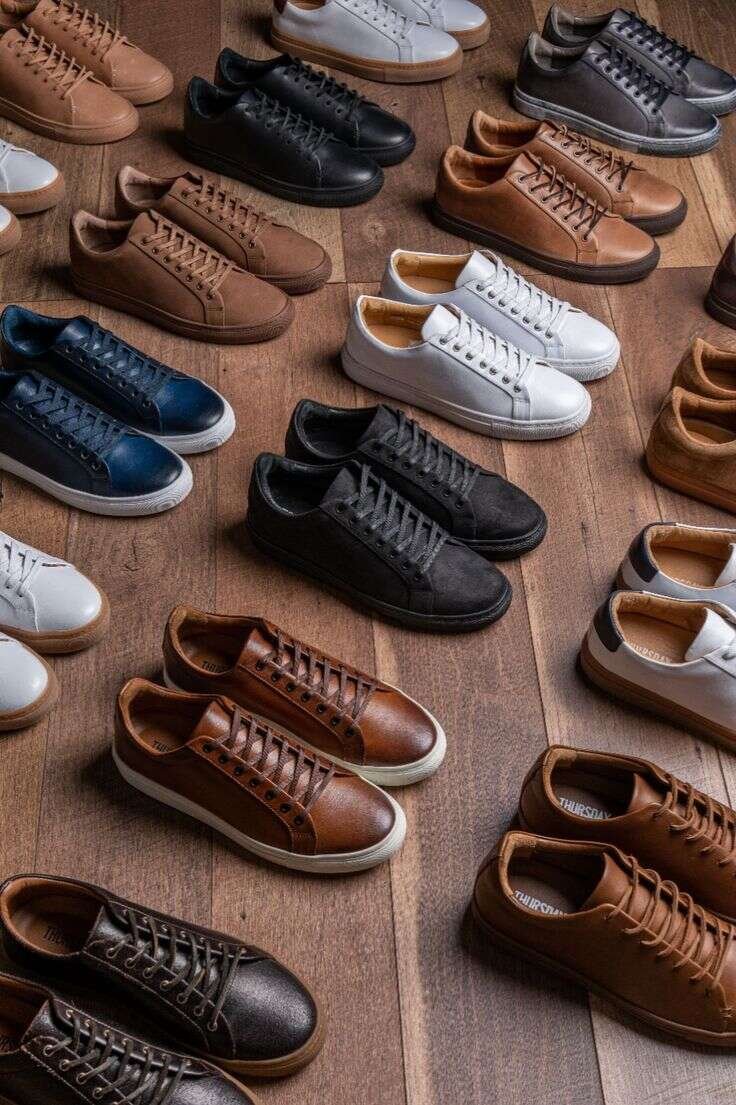
Yes, some sneakers sold in the United States are made with leather, but many are not. A sneaker may use leather on the upper, while the lining, tongue, foam, and sole use other materials.
The fastest way to know is to check the material details for the upper, lining, and outsole. Look for terms such as full-grain leather, suede, synthetic leather, mesh, polyester, rubber, EVA foam, or polyurethane.
What does “leather sneakers” mean?
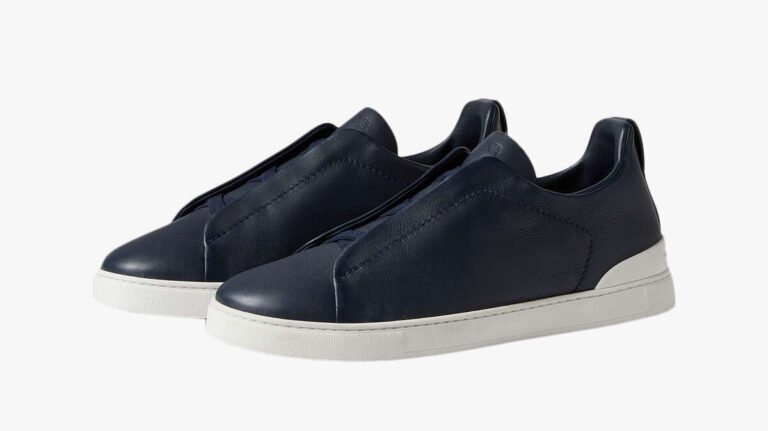
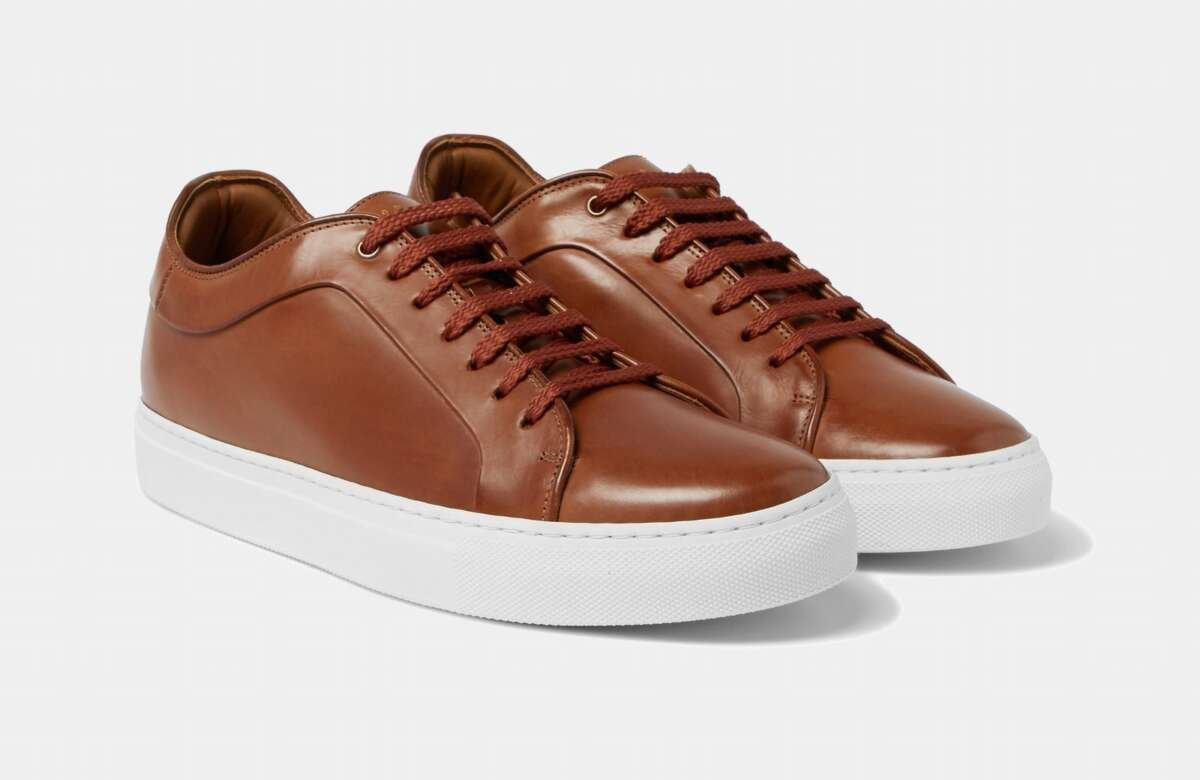
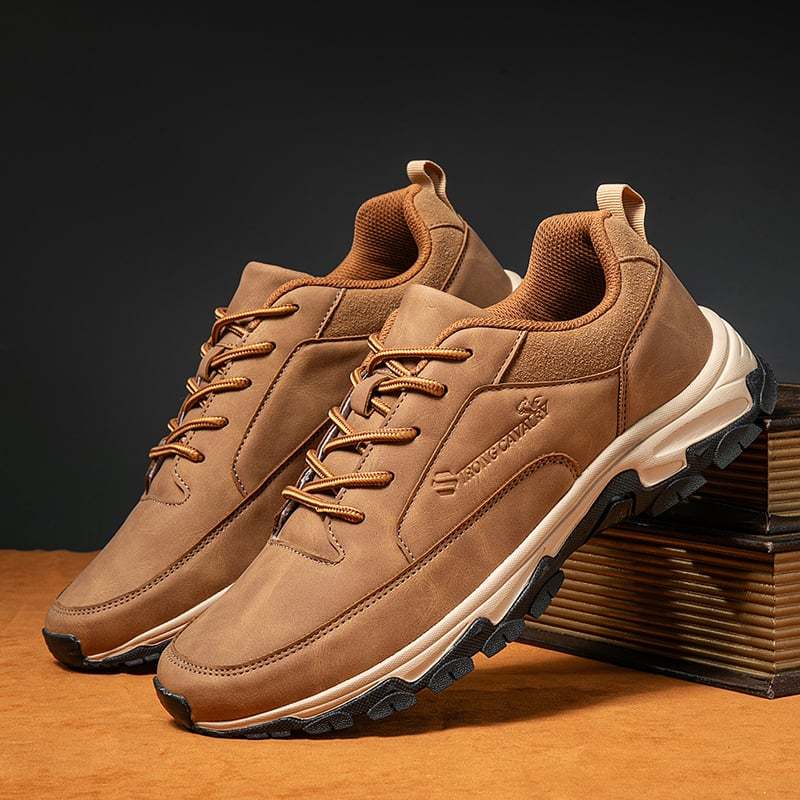
“Leather sneakers” usually means that the shoe’s upper contains real animal hide. The upper is the part that covers the top and sides of your foot.
It does not always mean that the entire sneaker is leather. Most sneakers use several materials because each part has a different job.
| Sneaker part | Common materials | Main purpose |
|---|---|---|
| Upper | Leather, suede, mesh, canvas, synthetic leather | Covers and supports the foot |
| Lining | Textile, leather, synthetic fabric | Adds comfort and reduces rubbing |
| Tongue | Mesh, textile, foam, leather | Helps hold the shoe in place |
| Midsole | EVA foam, polyurethane, rubber | Provides cushioning |
| Outsole | Rubber, foam, plastic compounds | Gives grip and resists wear |
| Insole | Foam, fabric, leather, synthetic material | Adds comfort and support |
A product may therefore be correctly described as a leather sneaker even when only the upper contains leather. In the United States, material claims should describe the part of the product that uses leather. The Federal Trade Commission’s Leather Guides address how businesses should describe leather and imitation leather products.
Real leather versus synthetic leather
Real leather comes from animal hide. It is cleaned, treated, and finished before it becomes shoe material.
Synthetic leather is made by coating a fabric base with plastic, often polyurethane or PVC. It may also be called:
- Vegan leather
- Faux leather
- Artificial leather
- PU leather
- Man-made leather
- Synthetic leather
These terms are not interchangeable in every case. “Vegan” usually describes the absence of animal materials. It does not tell you whether the shoe is made from polyurethane, PVC, recycled plastic, plant-based material, or another substitute.

Which sneaker parts are commonly made of leather?
Leather is most common on the upper, but it may also appear in smaller parts of a sneaker.
The upper
The upper is the part most likely to be made of leather. Leather uppers can help a shoe feel firm and structured. They may also resist light scuffs better than some thin fabrics.
A leather upper can include several panels. A sneaker might use leather on the toe and heel but use mesh on the sides. This design gives support in some areas and airflow in others.
The lining
Some sneakers use leather lining. Leather lining can feel smooth and may reduce the plastic-like feel found in some synthetic shoes.
Many modern sneakers use polyester, nylon, or mesh lining instead. These fabrics can dry faster and may allow more airflow.
The tongue and heel collar
A sneaker may use leather on the tongue, heel tab, or collar. These parts are often padded, so the visible material may not show every layer.
A leather-looking collar may also be synthetic. Check the product label or the manufacturer’s material list before making a purchase.
The sole
Leather soles are more common in dress shoes than in athletic sneakers. Most sneakers use rubber, EVA foam, polyurethane, or a blend for the outsole and midsole.
A sneaker can have a leather upper and a fully synthetic sole. This is normal. The sole must handle impact, bending, moisture, and contact with the ground, so rubber and foam are often more practical.

How can you tell if sneakers are made of leather?
Start with the official material description. Do not rely only on smell, texture, or appearance.
1. Check the product page
Look for a section called:
- Materials
- Product details
- Construction
- Composition
- Care
- What it is made of
A clear listing may say:
- Leather upper
- Suede leather upper
- Textile upper
- Synthetic upper
- Leather and mesh upper
- Man-made materials
- Upper: 60% leather, 40% polyester
If the page says only “leather-inspired” or “leather look,” the shoe may not contain real leather.
2. Read the box and shoe label
In the United States, footwear may include a material symbol or written description. The label may describe the upper, lining and sock, and outer sole separately.
Some shoes use symbols rather than full words. If the symbols are unclear, ask the retailer or check the brand’s care page.
3. Look for the word “genuine”
“Genuine leather” generally means real leather, but it does not describe the grade or quality by itself. It may be a lower-grade leather with a coated or corrected surface.
“Genuine” is not the same as:
- Full-grain
- Top-grain
- Suede
- Nubuck
- Patent leather
These terms describe different types or finishes of leather.
4. Treat appearance as a clue, not proof
Real leather can have small changes in grain, pores, and color. Synthetic leather often has a repeated pattern.
Still, modern synthetic materials can look very convincing. A visual check cannot reliably identify the material.
The same applies to smell. Added scents, dyes, glue, and finishes can change the smell of both real and synthetic shoes.
5. Do not use unsafe home tests
Do not burn, cut, soak, or apply harsh chemicals to a sneaker to test it. These tests can damage the shoe and release harmful fumes.
The safest method is to use the brand’s material disclosure. If the description is vague, treat the material as not confirmed.
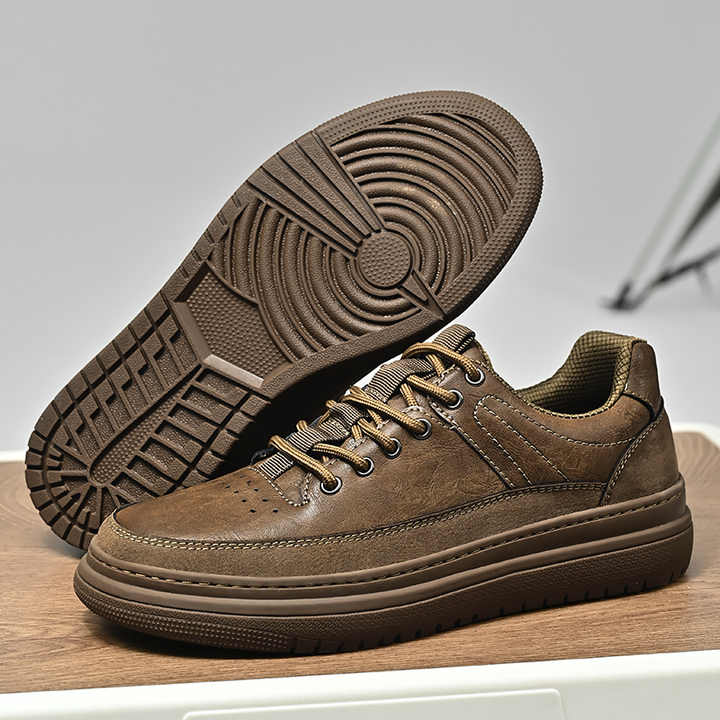
What types of leather are used in sneakers?
Sneakers can use several leather types. The name often describes how the hide was processed or finished.
Full-grain leather
Full-grain leather keeps the natural grain of the hide. It may show small marks or changes in texture.
It is often firm and durable, but its performance depends on thickness, finish, stitching, and care. “Full-grain” does not guarantee that every sneaker will last longer than every synthetic sneaker.
Top-grain leather
Top-grain leather has had part of the surface altered or smoothed. It may have a more even look than full-grain leather.
It can feel softer and more uniform. Its durability depends on the finish and construction.
Suede
Suede has a soft, napped surface. It is often made from the inner part of the hide or from split leather.
Suede can look casual and feel soft. It also marks more easily and usually needs more careful cleaning than smooth leather.
Nubuck
Nubuck is leather with a lightly sanded outer surface. It resembles suede but usually uses the outer side of the hide.
Nubuck can be durable, but its surface may show water spots, dirt, and scuffs.
Patent leather
Patent leather has a glossy coating. The coating creates shine and helps resist some surface moisture.
It can crease and crack if bent repeatedly or stored in poor conditions. Follow the brand’s care instructions.
Reconstituted or bonded leather
Bonded leather uses leather fibers or scraps mixed with binders and applied to a backing. The exact composition can vary.
It may cost less than higher-grade leather. Its surface can wear or peel when the coating breaks down. Always read the exact product description instead of assuming that all “leather” terms mean the same thing.

Leather, synthetic, textile, and mesh: Which material is best?
No material is best for every sneaker. The right choice depends on comfort, weather, care, price, animal-material preferences, and intended use.
| Material | Common strengths | Common limits | Often suits |
|---|---|---|---|
| Leather | Structure, smooth finish, easy surface wiping | Can feel warm, needs care, may get stiff when wet | Casual and lifestyle sneakers |
| Suede or nubuck | Soft texture, flexible look | Marks easily, needs special care | Casual wear |
| Synthetic leather | Lower animal-material use, consistent finish, often easy to wipe | Can trap heat and may peel with age | Fashion and daily wear |
| Mesh or knit | Light weight and airflow | Can stain, tear, or absorb water | Warm weather and active use |
| Canvas | Simple, flexible, often washable by label | Limited water resistance and support | Casual everyday wear |
| Rubber and foam | Grip and cushioning | Can wear down or harden over time | Outsoles and midsoles |
For breathability
Mesh and knit usually allow more air to pass through than coated leather or synthetic leather. However, breathability also depends on the lining, padding, insole, and shoe design.
A perforated leather sneaker may feel cooler than a fully coated synthetic sneaker. Material alone does not tell the whole story.
For light rain
Smooth leather may shed light surface moisture when it has a suitable finish. It is not automatically waterproof.
Seams, tongues, eyelets, and openings can still let water in. Do not treat a regular leather sneaker as a waterproof shoe unless the brand states that it has a waterproof membrane or construction.
For durability
Leather can resist some surface abrasion and may develop a worn look instead of tearing at once. Yet leather can crack if it dries out, and its sole or stitching may fail first.
Synthetic materials can also last well. Some resist water and stains better, while others may peel after repeated flexing. The upper material is only one part of a sneaker’s life span.
For animal-free choices
Choose a product that clearly states its materials and animal-material policy. “Vegan” is more useful than “faux” when you need an animal-free claim, but verify the full product description when the distinction matters.

How should you clean leather sneakers?
Clean leather sneakers gently and follow the brand’s care instructions first. Care labels can differ by finish, dye, and coating.
For smooth leather
- Remove loose dirt with a soft brush or dry cloth.
- Take out the laces if they need separate cleaning.
- Wipe the upper with a slightly damp cloth.
- Use a cleaner made for smooth leather if the label allows it.
- Let the shoes dry at room temperature.
- Apply a compatible leather conditioner when needed.
- Buff gently with a clean cloth.
Test any cleaner on a hidden area first. A cleaner can darken leather or change its finish.