How To Soften Leather Sneakers: Easy Care Guide
Leather sneakers often feel stiff when they are new, dry, or worn after long storage. In the United States, changes from heated indoor air, dry winter weather, and hot summer storage can make this worse. The safest way to soften leather sneakers is to clean them gently, apply a small amount of leather conditioner made for the leather type, and break them in slowly.
Do not soak the shoes, use a hair dryer, or apply heavy oil. Too much moisture or heat can stain the leather, weaken the glue, or change the shape of the sneakers.
What Makes Leather Sneakers Stiff?
Leather sneakers become stiff when the leather fibers lose moisture or when the shoes have not yet flexed with wear. New leather can also feel firm because of its finish, coating, or tanning process.
“Softening” does not mean making leather wet. It means helping the leather bend more easily while keeping its shape and surface finish. A good result is a sneaker that flexes at the toe box and feels less rigid around the heel and sides.
Before you begin, identify the shoe material:
| Material | Safe general approach | Main risk |
|---|---|---|
| Smooth finished leather | Leather cleaner and a light leather conditioner | Darkening or a greasy finish |
| Full-grain or aniline leather | Minimal conditioner after a patch test | Water marks and color change |
| Patent leather | Use a product made for patent leather | Dullness or a damaged glossy finish |
| Suede | Use a suede brush and suede-safe product | Flattened nap or dark stains |
| Nubuck | Use a nubuck brush and nubuck-safe cleaner | Permanent marks and color change |
| Synthetic leather | Wipe clean and use a flexible material-safe product | Cracking, peeling, or surface damage |
A leather sneaker with a plastic coating may not absorb conditioner like unfinished leather. If the surface looks highly glossy, painted, or plastic-like, use less product and follow the shoe maker’s care instructions.
What You Need Before Softening Leather Sneakers
Gather a soft cloth, a soft shoe brush, clean water, and a conditioner labeled for your type of leather. You may also need a shoe tree or plain, unprinted paper to help the sneakers hold their shape.
Avoid paper with wet ink. Ink can transfer to light-colored leather.
You should also have a hidden area for a patch test. The inside edge of the tongue or a concealed part near the heel usually works well.
Before applying anything, check the care label or the brand’s instructions. Some fashion sneakers use mixed materials, bonded layers, mesh, suede, and coated leather in one shoe. One product may not be safe for every panel.
How to Soften Leather Sneakers Step by Step
The best method uses small amounts of moisture, conditioner, and gentle movement. Work on one shoe first. This lets you check the result before treating the pair.
1. Remove the laces and insoles
Take out the laces so you can reach the tongue and eyelet area. Remove the insoles if they come out easily.
This also helps the sneakers dry more evenly. Do not pull out glued-in insoles or force any part of the shoe.
2. Brush away loose dirt
Use a dry, soft brush to remove dust and grit. Pay close attention to the crease lines and seams.
Dirt can mix with conditioner and form a dark paste. Brushing first reduces that risk and keeps grit from rubbing into the finish.
3. Clean the leather lightly
Dampen a soft cloth with clean water. Wring it out well, then wipe the leather without soaking it.
If the sneakers need more cleaning, use a small amount of a cleaner made for finished leather. Apply the cleaner to the cloth, not directly to the shoe. Follow the product directions and keep the cleaner away from suede, mesh, and untreated fabric panels unless the label says it is safe.
Let the sneakers dry at room temperature before conditioning. They should feel dry, not cool or damp.
4. Test the conditioner
Apply a small amount of conditioner to a hidden spot. Wait until it dries, then check the color and finish.
Stop if the test area becomes blotchy, very dark, sticky, or shiny in a way you do not want. White and pale leather needs extra care because even a suitable conditioner may slightly change its color.
5. Apply a thin coat
Use a clean cloth or the applicator supplied with the conditioner. Spread a very thin layer over the smooth leather.
Focus on stiff areas such as:
- The toe box
- The sides near the ball of the foot
- The tongue
- The area behind the eyelets
- Dry leather around the heel
Do not flood the seams or saturate the leather. A small amount is easier to add later than to remove.
6. Let the conditioner absorb
Leave the sneakers at room temperature for the time listed on the product. Many products need only a short rest, while some require several hours.
Wipe away any excess with a clean cloth. If the surface still feels greasy, too much product was used.
7. Add gentle movement
Once the conditioner has settled, flex the sneakers by hand several times. Bend them at the natural toe crease, but do not fold them sharply in half.
You can also place a shoe tree inside. A shoe tree supports the shape without forcing the leather into a deep crease.
8. Wear them for short periods
Wear the sneakers indoors for about 15 to 30 minutes at first. Use clean socks that cover areas prone to rubbing.
If they feel comfortable, increase wear time gradually. Short sessions let the leather adapt to your foot while reducing blisters and pressure points.
Do not try to soften stiff sneakers by wearing them all day at once. That may soften the leather, but it can also cause pain, heel rubbing, and permanent creases.

How to Soften Leather Sneakers Without Conditioner
A conditioner is useful, but gentle wear and controlled flexing can also reduce stiffness. This approach works best when the leather is new but not dry or cracked.
Stuff the sneakers loosely with plain paper or place shoe trees inside. Leave them overnight, then flex the shoes by hand before wearing them for a short indoor session.
A slightly damp cloth may help with very dry smooth leather, but the cloth should never be wet enough to leave water marks. Let the sneakers dry fully before wearing them.
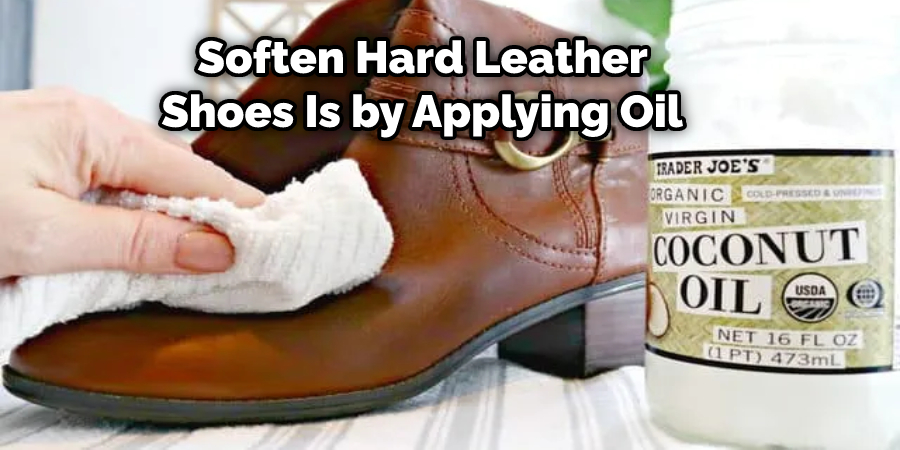
Do not use cooking oil, coconut oil, petroleum jelly, or body lotion. These products can leave a sticky film, attract dirt, block the leather’s finish, or cause uneven darkening. They may also make white sneakers difficult to clean.
Can You Use Leather Oil?
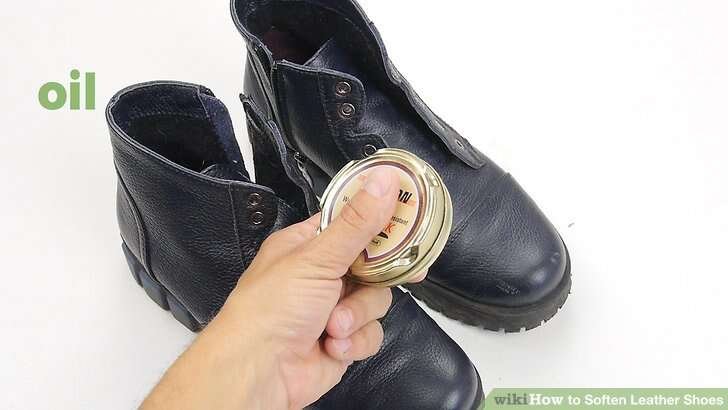
Leather oil can soften some unfinished or rugged leather, but it is often too heavy for sneakers. It may darken the leather and make the shoes look greasy.
For most smooth leather sneakers, a light cream or lotion-style conditioner is easier to control. Use oil only when the shoe maker recommends it for that specific leather.
Can You Use Mink Oil?
Mink oil may darken leather and change its surface. It is more commonly used on some outdoor boots than on clean, fashion-focused sneakers.
Avoid it on white, pale, patent, suede, nubuck, or heavily coated leather unless the manufacturer specifically approves it.

How to Soften Different Types of Leather Sneakers
The leather type determines which method is safe. When in doubt, treat the shoe as delicate and use the least aggressive method first.
Smooth finished leather
Smooth finished leather is usually the easiest type to soften. Brush and clean it first, then apply a small amount of smooth-leather conditioner after a patch test.
A light coat may be enough. If the leather remains stiff after the first treatment, wait and repeat later rather than applying a thick coat at once.
Full-grain leather
Full-grain leather may soften with careful conditioning and regular wear. It can also show natural marks and color shifts more clearly than heavily coated leather.
Use a conditioner made for full-grain leather. Keep water away from the shoe whenever possible, especially if the surface has a natural or lightly finished appearance.
Patent leather
Patent leather has a glossy surface coating. Regular leather conditioner may make it cloudy or dull.
Clean patent leather with a soft, slightly damp cloth or a product labeled for patent leather. Do not bend it sharply, because deep creases in the coating may not disappear.
Suede and nubuck
Suede and nubuck should not be treated like smooth leather. Do not use standard leather cream or oil unless the label clearly says it is safe for that material.
Use a suede or nubuck brush to lift and loosen the nap. For extra care, choose a product made for that exact material and color. Brush in the direction recommended on the product label.
Synthetic leather
Synthetic leather is made from a surface coating over a textile or other base. It may not absorb conditioner like animal leather.
Clean it with a damp cloth and use only a product labeled as safe for synthetic leather or the shoe’s care instructions. If the surface is peeling, no conditioner can restore the missing coating. Replacement or professional repair may be the practical answer.

How Long Does It Take to Soften Leather Sneakers?
Many new leather sneakers feel better after several short wears. Dry leather may need cleaning and conditioning before it responds well to flexing.
The time depends on:
- Leather thickness
- Surface coating
- Shoe construction
- How dry the leather is
- How often you wear the sneakers
- Where the shoe feels stiff
The goal is comfort, not maximum softness. Leather that becomes very loose may stop supporting the foot and may crease more deeply.
Check the sneakers after each wear. If the toe bends naturally and the pressure point has eased, stop adding products. More conditioner is not always better.
How to Soften a Specific Stiff Area
Treat the problem area rather than coating the whole sneaker.
Stiff toe box
Apply a very thin layer of suitable conditioner to the outside of the toe box. After it settles, flex the toe gently and wear the shoe indoors for a short period.