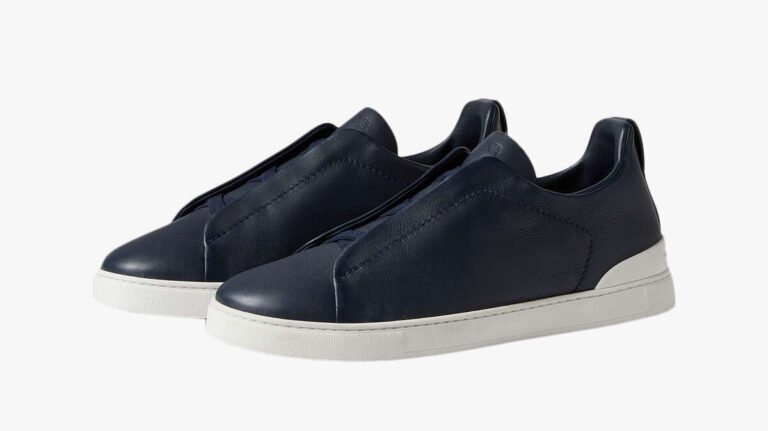
Do On Sneakers Have Leather: What To Know
Some On sneakers may contain leather or leather-like materials, but many On running shoes use synthetic mesh, polyester, TPU, EVA foam, and rubber instead. The answer depends on the exact model, color, and production version.
For shoppers in the United States, the safest way to check is to read the Materials section on the official On product page or the label inside the shoe. Do not assume that every On shoe is leather-free just because it looks like a mesh running shoe.

Are On sneakers made with real leather?
Most On performance running shoes are not made mainly from real leather. They usually use lightweight textile uppers, synthetic fibers, plastic-based supports, foam, and rubber.
However, some On shoes may use:
- Leather
- Suede
- Synthetic leather
- Vegan leather
- Coated textile
- TPU, or thermoplastic polyurethane
- Polyester mesh
- Recycled polyester
- EVA foam
- Rubber outsoles
The word leather can mean different things on a product page. Real leather comes from animal hide. Synthetic leather is made from materials such as polyurethane or PVC. It may look and feel like leather but does not contain animal hide.
Some On lifestyle shoes have a smoother, leather-like upper. That does not prove the shoe contains real leather. On may describe that material as vegan leather, synthetic leather, or another coated material.
The exact model matters more than the On brand name.
Quick material guide
| Material listed | Is it real leather? | Common use |
|---|---|---|
| Leather | Yes | Panels, trim, or lifestyle uppers |
| Cow leather or hide | Yes | Upper panels or overlays |
| Suede | Yes | Soft leather upper or detail |
| Synthetic leather | No animal hide | Smooth panels and overlays |
| Vegan leather | Usually no animal hide | Lifestyle shoes and casual uppers |
| Polyester mesh | No | Breathable running uppers |
| Recycled polyester | No | Textile upper or lining |
| TPU | No | Support pieces and overlays |
| EVA | No | Midsole foam |
| Rubber | Usually no | Outsole and grip |
“Usually” matters here. A material name can describe the upper but not the glue, dye, or small parts. If you need a fully animal-free shoe, look for a clear vegan statement from On rather than relying on appearance alone.
Which parts of an On sneaker may contain leather?
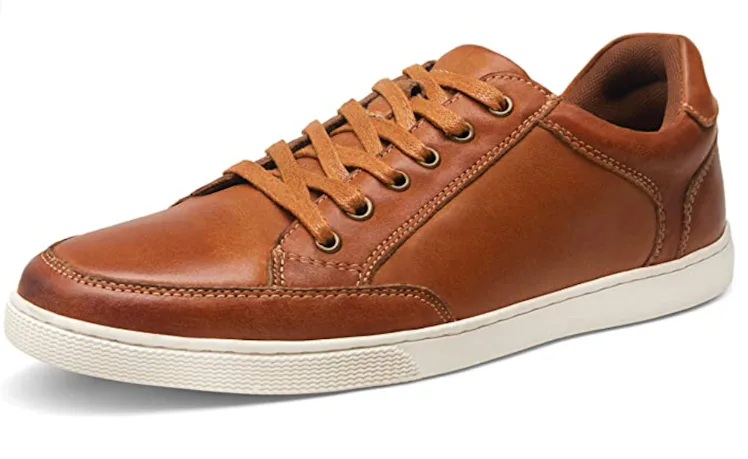
Leather, when used, is more likely to appear in the upper than in the sole. The upper is the part that covers your foot.
Possible locations include:
- Toe caps
- Side panels
- Heel panels
- Eyelet sections
- Logos
- Pull tabs
- Tongue overlays
- Collar details
- Decorative strips
The midsole is usually made from foam. On commonly uses foam compounds such as EVA-based materials or proprietary foam blends. The outsole is generally rubber or a rubber-like compound.
A shoe can therefore have a leather upper detail but a completely synthetic sole. Product descriptions may list the main upper material without naming every small component. This is why a close look at the full materials list is useful.
Real leather versus synthetic leather
Real leather often has a natural grain and may show small changes in texture. Synthetic leather tends to have a more even surface. These clues can help, but they are not proof.
Manufacturers can make synthetic materials look very similar to leather. They can also apply coatings to textile fabric. Do not use touch, smell, or appearance as the final test.
For a reliable answer, use this order:
- Check the official product page.
- Open the materials or composition details.
- Check the box and shoe label.
- Ask On customer support if the listing is unclear.
- If buying from a retailer, compare its details with the current On listing.

How to check whether your specific On shoes contain leather
The most reliable method is to identify the exact model and inspect its current material information.
1. Find the model name
Look at the tongue, side panel, box, or receipt. The name may be something like:
- Cloud 5
- Cloudswift
- Cloudmonster
- Cloudrunner
- Cloudnova
- The Roger
- Cloudtilt
Also record the color and version. A later version may use a different upper from an older version.
2. Open the U.S. product page
Use the U.S. version of the On website or the authorized retailer’s U.S. listing. Product details can vary by country and may change when a shoe is updated.
Search for headings such as:
- Materials
- Product details
- Composition
- Upper
- Lining
- Outsole
- Sustainability
- Care instructions
3. Look for direct wording
Clear terms include:
- Leather
- Genuine leather
- Cow leather
- Suede
- Synthetic leather
- Vegan leather
- Textile
- Polyester
- Mesh
- TPU
- Recycled materials
If the page says only “mixed materials,” “engineered upper,” or “synthetic,” it may not answer your question fully.
4. Check the shoe and box
The label may show a material symbol or a short composition statement. In the United States, footwear labels can use symbols and written terms to identify the materials in the upper, lining, and outer sole.
The U.S. Federal Trade Commission provides guidance on leather and footwear claims through its Leather Guides. These rules help prevent sellers from presenting non-leather materials as genuine leather.
5. Contact On when the answer is important
Ask a direct question:
“Does the On [exact model, color, and size] contain animal leather, suede, or other animal-derived materials in any part of the shoe?”
This wording is better than asking whether the shoe is “synthetic.” A shoe can be mostly synthetic while still having a small animal-derived component.
Are On sneakers vegan or leather-free?
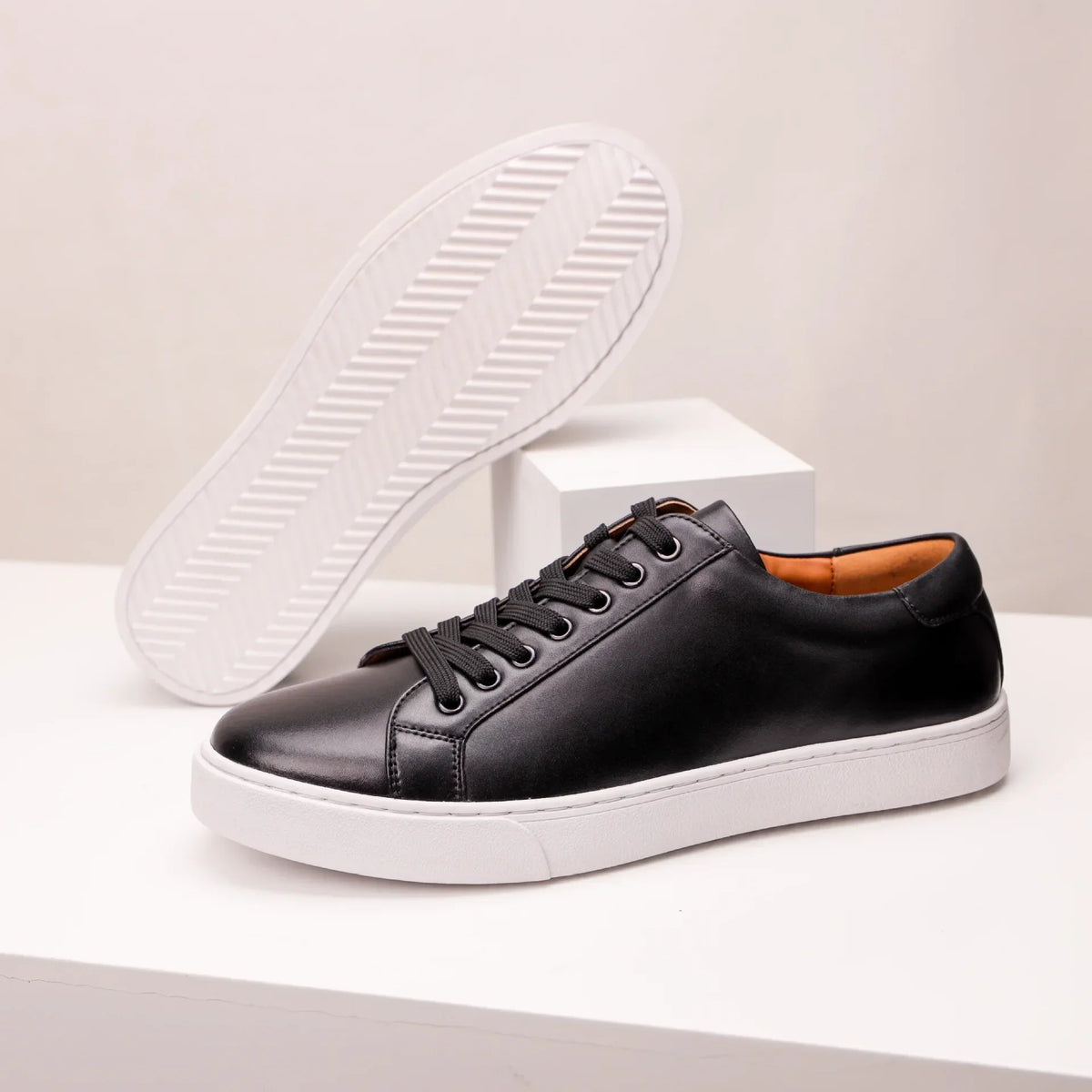
Some On sneakers may be marketed as vegan or made with vegan materials, but leather-free and fully vegan do not always mean the same thing.
A leather-free shoe does not contain leather. It may still contain other animal-derived materials, depending on the product and how the claim is defined.
A vegan shoe is intended to avoid animal-derived materials. Yet buyers who follow a strict vegan standard may also want information about:
- Adhesives
- Dyes
- Coatings
- Finishes
- Manufacturing aids
- Packaging
- Factory certification
On may use the term “vegan leather” for a specific material. That usually means the leather-like material is not made from animal hide. It does not automatically prove that every part of the shoe is vegan.
What to look for if you avoid animal leather
Choose a product with one of these forms of evidence:
- An official “vegan” product claim
- A complete synthetic materials list
- A written reply from On customer support
- A recognized third-party vegan certification
Do not treat these as proof by themselves:
- A mesh appearance
- A “sustainable” claim
- A recycled-material claim
- A “synthetic” upper description
- A vegan label from an unrelated retailer with no supporting detail
Recycled polyester and recycled nylon can reduce the use of new plastic. They do not answer whether the shoe contains animal materials. Sustainability and vegan status are separate questions.

Do On running shoes use leather differently from On lifestyle shoes?
Yes. Running and lifestyle shoes often have different material needs.
Running shoes usually favor:
- Breathable mesh
- Stretch fabric
- Lightweight overlays
- Flexible synthetic films
- Foam cushioning
- Rubber grip
- Low weight
Lifestyle shoes may use:
- Smooth coated uppers
- Synthetic leather
- Leather-like panels
- Firmer sidewalls
- More structured collars
- Decorative overlays
This does not mean that all On lifestyle shoes contain leather or that all running shoes are leather-free. It only explains why a casual model may look more like a leather sneaker.
For example, a shoe in The Roger collection may have a smooth, court-style appearance. Some versions use leather-like synthetic materials, while other versions or older releases may differ. Always check the exact listing.
Why model updates matter
Shoe brands often change:
- Upper fabric
- Overlay shape
- Recycled content
- Adhesive
- Lining
- Colorway materials
- Manufacturing location
- Product name or version
An online review from several years ago may describe an older shoe. A retailer may also keep old product copy after a new version launches.
For this reason, the model name alone may not be enough. The color, release version, and current product page can change the answer.

Common mistakes when checking On shoe materials
Several quick assumptions can lead to the wrong answer.
Mistake 1: Assuming every smooth upper is leather
A smooth upper may be polyurethane, coated polyester, microfiber, or another synthetic material. Look for the written material description.
Mistake 2: Assuming every mesh shoe is leather-free
A mesh upper may still have leather trim, a leather logo, or another small animal-derived part. Check the full shoe, not only the main fabric.
Mistake 3: Treating “vegan leather” as ordinary leather
Vegan leather is not genuine leather. It is a leather-like material made without animal hide. It may still be plastic-based.
Mistake 4: Relying on a marketplace listing
Marketplace sellers may copy old descriptions or list the wrong model. Use the official On listing as the main reference.
Mistake 5: Ignoring the colorway
Different colors can use different finishes or upper materials. Check the exact color shown on your order.
Mistake 6: Confusing recycled materials with animal-free materials
Recycled content describes the source of a material. It does not confirm that the shoe is vegan or leather-free.
Mistake 7: Looking only at the sole
The sole is usually not the part that determines whether the shoe contains leather. Inspect the upper, lining, trim, logo, and tongue.
Are leather On sneakers good for running?
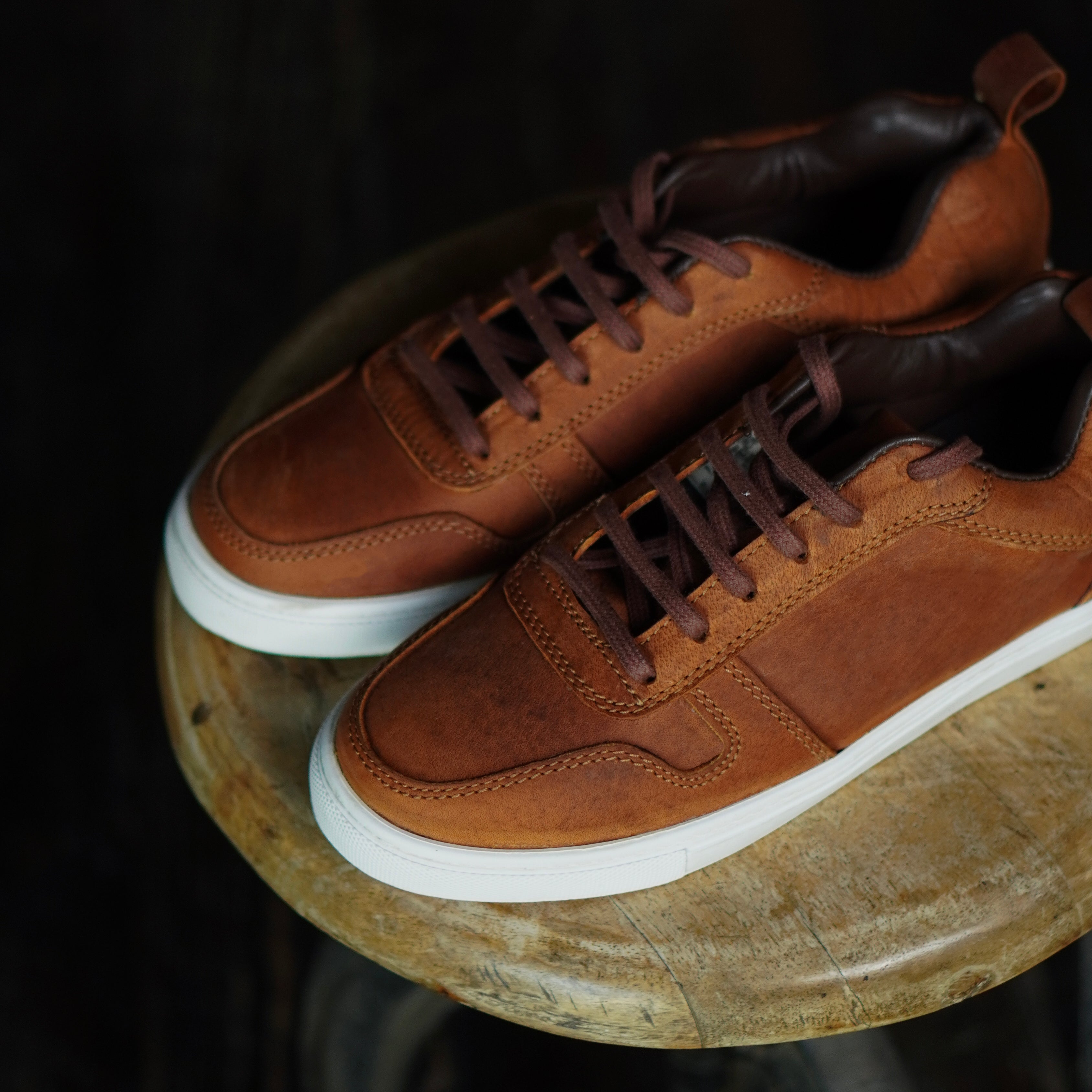
A leather or leather-like upper is usually better suited to casual wear than to demanding running. Running shoes need breathability, flexibility, and low weight.
Leather can offer:
- A structured fit
- A smooth look
- Some resistance to light surface wear
- A more casual style
It can also have limits: