How To Clean Mildew Shoes: Easy Steps That Work
Wipe mildew off, scrub with a vinegar solution, then dry and store shoes thoroughly.
I’ve cleaned hundreds of pairs and teach clear, safe steps for how to clean mildew shoes so they last longer and stay healthy to wear. This guide walks through causes, supplies, step-by-step methods for different materials, odor control, prevention, and real-life tips I learned working on shoes and gear. Read on to get practical, tested methods you can use today.

Why shoes get mildew and what it looks like
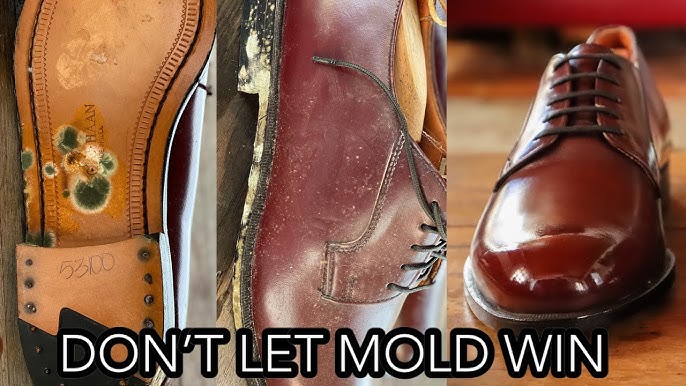
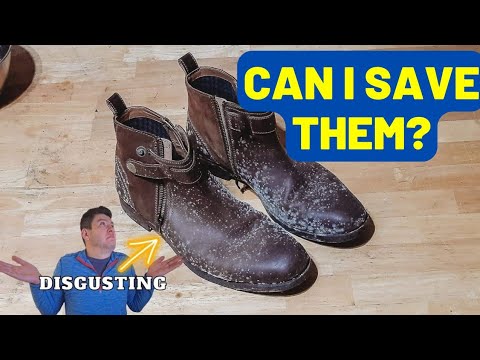
Mildew is a type of fungus that loves damp, dark places. Shoes trap sweat, dirt, and moisture. That mix feeds mildew quickly. You’ll see fuzzy white, gray, or green spots and smell a musty odor.
Common causes
- Poor ventilation after wearing shoes
- Wet shoes stored in closets or bags
- Dirty shoe surfaces with organic debris
- Warm, humid climates
Why understanding causes helps with how to clean mildew shoes
Knowing what caused mildew makes cleaning and prevention easier. If you only remove visible mildew but not the moisture source, it returns. I always check storage and wear habits before recommending a clean method.
Safety first: precautions and supplies
Mildew releases spores. Protect yourself while learning how to clean mildew shoes.
Basic safety
- Wear gloves and a simple mask if you’re sensitive to mold spores.
- Work outdoors or in a well-ventilated area.
- Test cleaners on a small hidden area first.
Essential supplies
- Soft brush or old toothbrush
- Microfiber cloths or white rags
- White vinegar and water
- Baking soda
- Mild detergent or dish soap
- Rubbing alcohol for some materials
- Leather cleaner and conditioner for leather shoes
- Suede brush and eraser for suede
- Silica gel packs or newspaper for drying
Why these items matter
Vinegar kills many mildew spores without harsh fumes. Baking soda neutralizes odor. Leather and suede need special care to avoid damage. Using the right tools makes how to clean mildew shoes safe and effective.

Step-by-step: how to clean mildew shoes by material
Different materials need different care. Follow the method for your shoe type to clean mildew safely.
General first steps for all materials
- Move shoes outside and scrape off loose mildew with a soft brush.
- Tap shoes together outdoors to remove spores.
- Brush out the interior and remove insoles if possible.
- Air the shoes in sunlight for 20–30 minutes if safe for the material.
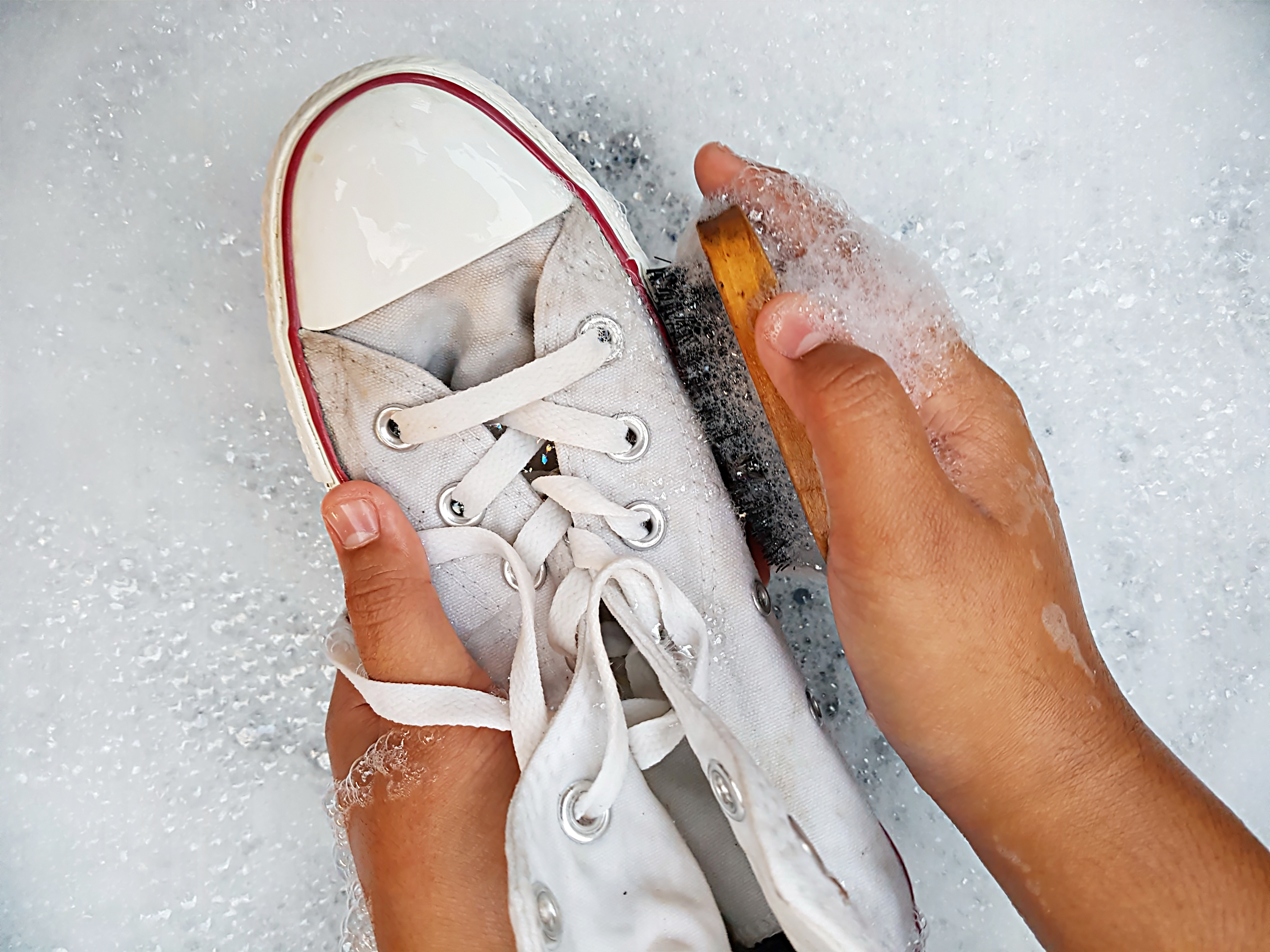
Canvas and fabric shoes
- Mix equal parts white vinegar and water in a spray bottle.
- Lightly spray mildew spots and scrub with a soft brush.
- Rinse with clean water and blot with a towel.
- Sprinkle baking soda inside to remove odor and let sit overnight, then vacuum or shake out.
- Air dry in shade or indirect sun.
Leather shoes
- Wipe loose mildew with a dry brush.
- Mix one part vinegar to two parts water and dampen a cloth.
- Wipe the leather gently, avoiding soaking.
- Use a leather cleaner if needed, then apply a leather conditioner once dry.
- Stuff shoes with paper to keep shape while drying.
Suede and nubuck
- Brush with a suede brush outside to remove dry mildew.
- Use a suede eraser on stubborn spots.
- If mildew persists, lightly dab with a cloth slightly dampened with rubbing alcohol—test first.
- Let suede dry fully, then brush to restore nap.
Knit, mesh, and athletic shoes
- Remove laces and insoles.
- Pre-treat mildew with vinegar spray; let sit 10 minutes.
- Use mild detergent and a soft brush to clean.
- Rinse lightly and stuff with paper for shape.
- Air dry away from direct heat.
Rubber soles and white parts
- Use baking soda paste (baking soda + small water) and a brush.
- Scrub and rinse. For very stubborn white rubber, a diluted bleach or oxygen-based whitener can be used on white surfaces only.
- Rinse thoroughly and dry.
From my experience
I once restored a pair of canvas sneakers with heavy mildew by repeating the vinegar scrub twice and leaving them in bright shade to dry; the smell faded after a few days with baking soda inside. Patience matters when learning how to clean mildew shoes.

Removing stubborn stains and lingering odor
Sometimes mildew leaves stains or deep odor. These steps help lift stains and neutralize smells.
Stain removal tips
- Try oxygen-based cleaners for colored fabrics; they lift stains gently.
- For deep mildew stains on canvas, repeat vinegar treatment and allow drying between cycles.
- Avoid aggressive bleaching on colored parts to prevent discoloration.
Odor control
- Baking soda inside shoes overnight neutralizes musty smells.
- Activated charcoal or cedar sachets absorb odors during storage.
- Enzyme-based sprays break down organic residues that feed mildew.
When deep cleaning fails
If odor or stains remain after multiple safe attempts, professional cleaning can help. Persistent issues might mean structural damage or deep saturation that cleaning can’t fix.
Drying and storage to prevent mildew return
Cleaning removes mildew. Drying and storage keep it gone. This is a key step in how to clean mildew shoes that many skip.
Drying best practices
- Dry shoes in shade with good airflow to avoid shrinking or warping.
- Stuff with crumpled paper to speed dry and keep shape.
- Avoid high heat machines unless the shoe label allows it.
Smart storage
- Rotate shoes to let pairs fully dry between wears.
- Use breathable shoe racks or an open shelf.
- Place silica gel packs or cedar blocks in storage to control moisture.
- Avoid airtight boxes in humid areas.
Long-term habits
I learned to rotate shoes and keep a dehumidifier in damp rooms; my shoe mildew problems dropped to nearly zero. How you store shoes often matters more than a single cleaning session.
When to replace shoes
Not all shoes can be fully saved. Know when to stop cleaning and replace.
Signs replacement is better
- Structural breakdown of the sole or upper
- Persistent, non-removable odor after repeated treatments
- Heavy staining that affects safety or function
- Mold growth inside the lining that won’t come out
Disposal and recycling
If you replace shoes, try to recycle or donate if they are structurally sound after cleaning. Follow local recycling rules for footwear.
Troubleshooting, common mistakes, and quick questions
Avoid these errors and use these quick answers when learning how to clean mildew shoes.
Common mistakes
- Using bleach on colored fabrics, which causes fading.
- Over-wetting leather or suede, which damages texture.
- Not fully drying shoes before storing, causing mildew to return.
Quick questions (PAA-style)
Will vinegar damage my shoes?
Vinegar is safe diluted for most fabrics, canvas, and uncoated leather, but test a small area first to be sure.
Can I put mildew shoes in the washer?
Some canvas and athletic shoes can be machine washed on gentle cycles, but check labels; avoid machine washing leather or suede.
How long does mildew take to return?
If moisture and dirt remain, mildew can return within days. Proper drying and storage greatly reduce recurrence.
Frequently Asked Questions of how to clean mildew shoes
How do I remove mildew smell from shoes fast?
Sprinkle baking soda inside and leave overnight, then shake out or vacuum. Place shoes in fresh air and sunlight if material allows for quick odor reduction.
Can I use bleach to clean mildew on shoes?
Only use diluted bleach on white, non-fabric parts like rubber soles. Bleach can damage colors and many fabrics, so avoid it on colored canvas, leather, or suede.
Is vinegar safe for all shoe materials?
Vinegar works well on canvas and many leathers in diluted form, but avoid using it on untreated suede or delicate finishes without testing.
How do I dry shoes without causing damage?
Air dry in shade with good airflow. Stuff shoes with paper to keep shape. Avoid high heat or prolonged direct sun on delicate materials.
When should I see a professional cleaner?
If mildew has deeply penetrated linings, or persistent odor and stains remain after safe home treatments, professional shoe cleaning is worth considering.
Conclusion
You can restore many mildewed shoes by following clear, safe steps: remove loose spores, clean with appropriate solutions, dry thoroughly, and change storage habits. Practice these methods and you’ll extend the life of favorite shoes while protecting your home and health. Try the cleaning method that matches your shoe material, track what caused the mildew, and adopt simple storage fixes to prevent it from coming back. If this helped, leave a comment with your shoe type and results or subscribe for more practical shoe care tips.

Michael Smith is the Content Strategist behind The Style Hub, where fashion meets function. With a keen eye for trends and a passion for everyday style, he curates content that helps readers make smarter, more stylish choices—from the perfect pair of sneakers to must-have accessories. Michael specializes in breaking down fashion into practical, wearable insights, making style accessible for everyone. When he’s not researching the latest trends, he’s exploring how comfort, innovation, and timeless design come together in modern fashion.