

Why Do People Wear A Safety Pin Necklace: Meaning & Style
People wear a safety pin necklace as a fashion choice, a symbol of solidarity, protection, or DIY identity.
I’ve studied jewelry trends and worked with makers and stylists for years, so I can explain why the safety pin necklace keeps coming back. This article breaks down its history, meanings, styling tips, safety notes, and real-world use so you can decide what it means for you and how to wear one with confidence.
A short history: where the safety pin necklace began
The safety pin was invented in the 19th century as a quick fastener. People quickly adapted it as a wearable object. Turning a simple tool into jewelry has roots in practical reuse and early craft movements.
Punk subculture in the 1970s made the safety pin visible as body art and statement. Since then, designers and DIY makers have kept reinventing the safety pin necklace. The piece moves between craft, protest, and runway style.

Why people wear a safety pin necklace today
People choose a safety pin necklace for many reasons. Each reason layers meaning on a simple object.
- Fashion and minimalism: The safety pin necklace offers a raw, modern look that suits casual and chic outfits.
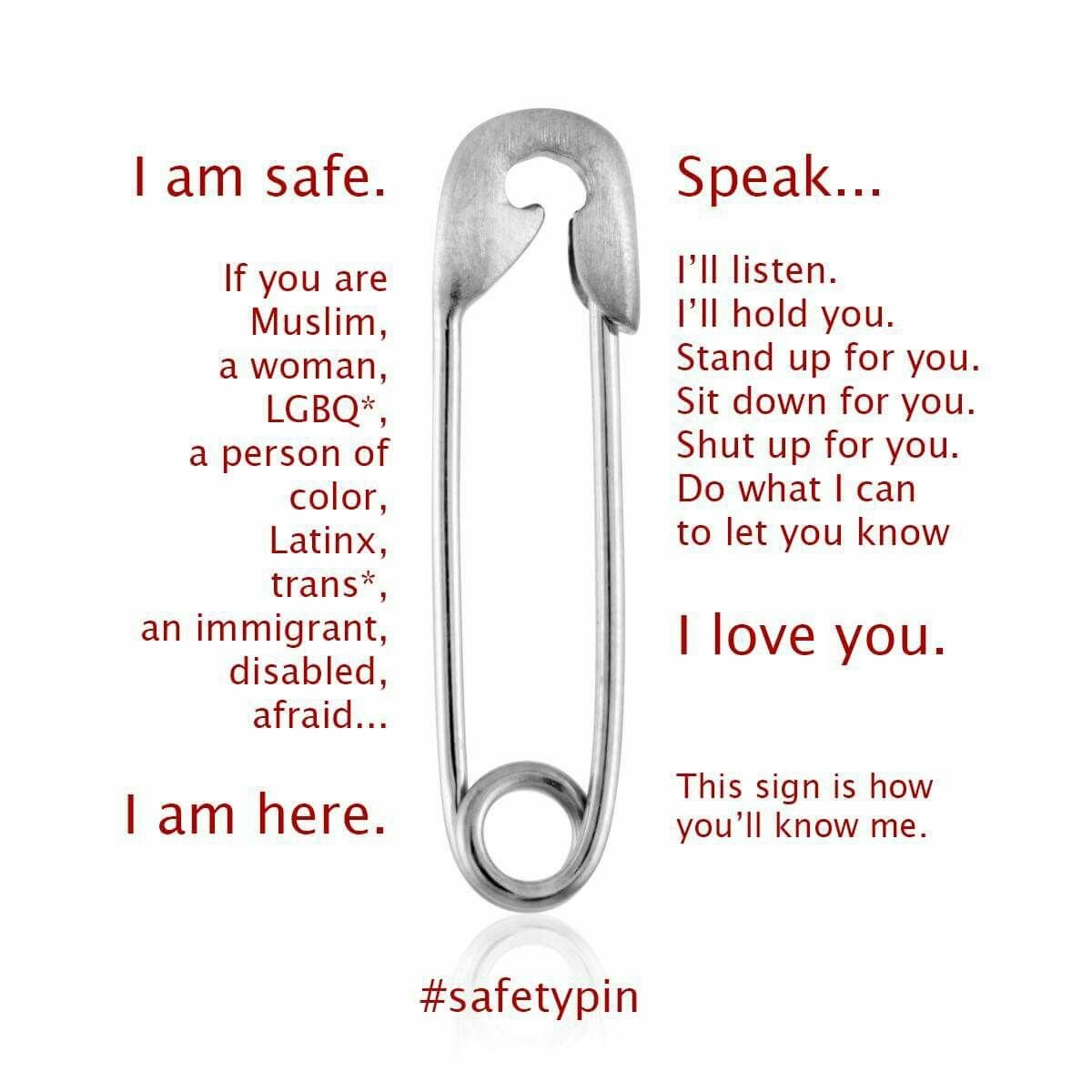
- Solidarity and political statement: Wearing a safety pin necklace can signal support for marginalized groups or protest.
- Folk protection and charm: Some wear it as a talisman for protection or luck, echoing older pin-wearing traditions.
- Punk and subculture identity: It signals nonconformity, DIY spirit, and counterculture roots.
- Upcycling and sustainability: Makers turn old pins into art to reduce waste and celebrate handmade craft.
- Practicality and affordability: It’s inexpensive, easy to source, and simple to customize.
Each of these reasons can be personal or public. A safety pin necklace often means different things to different people. The context and how you wear it shapes the message.

Does a safety pin necklace always mean political support?
No. Sometimes it’s just a fashion choice or a sentimental token. Context—where and why someone wears it—matters more than the object itself.
Is it safe to wear a real metal safety pin as jewelry?
Yes, if it’s closed, secure, and made from skin-safe metal. Many people prefer purpose-made jewelry pins in sterling silver or stainless steel to avoid sharp points and allergies.
Can I make a safety pin necklace at home?
Absolutely. Many DIYers craft necklaces from decorative or vintage pins, adding beads or chains. Just ensure the pin is stable and won’t open unexpectedly.
Symbolism and cultural meanings
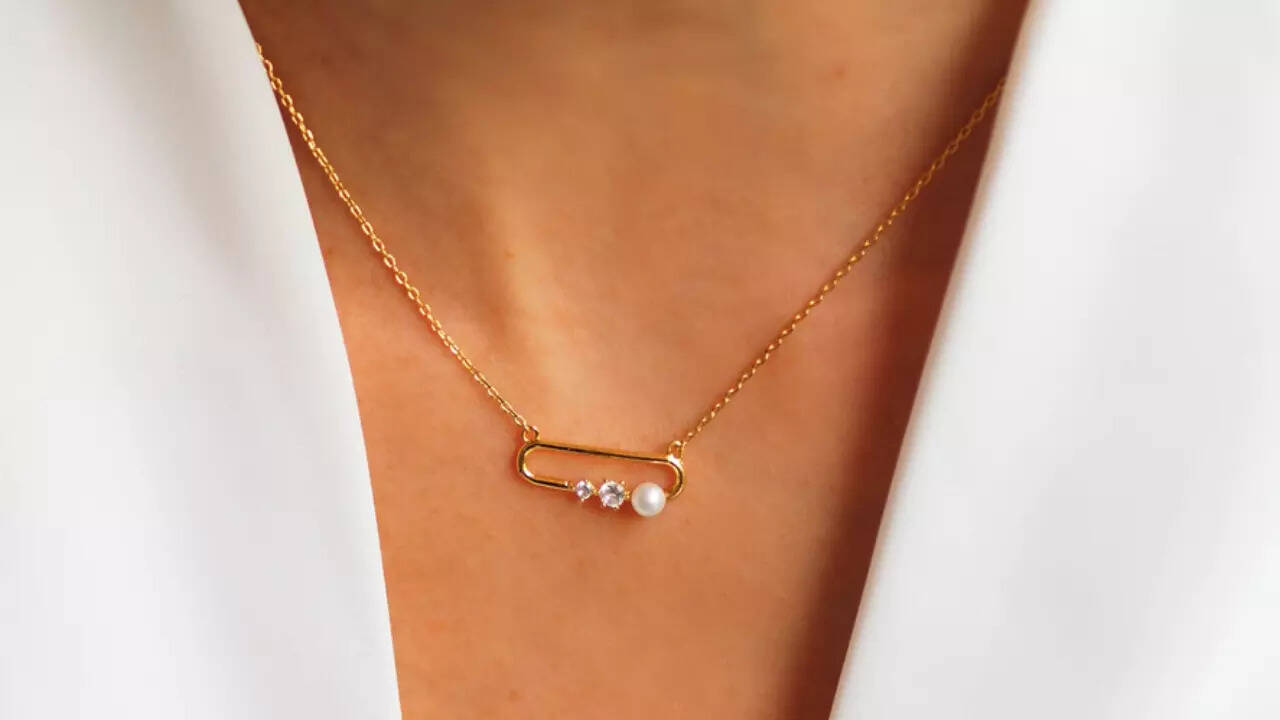
The safety pin necklace has layered symbolism. It often moves between these meanings:
- Solidarity badge: After social or political events, people have worn pins to show protection for vulnerable groups.
- Punk rebellion: The pin signaled deliberate roughness and disdain for polished mainstream style.
- Household charm: In some cultures, pin-wearing ties to folklore about protecting infants or warding off the evil eye.
- Fashion subtext: High fashion has adopted the safety pin as irony—making a humble object feel luxurious.
Understanding the meaning requires listening. Ask wearers why they chose the piece before you assume its intent.

How to style a safety pin necklace
Styling a safety pin necklace is simple. Small choices change the tone.
- For casual looks: Pair a single small safety pin necklace with a tee or denim jacket for understated edge.
- For high-fashion contrast: Layer a chunky safety pin necklace with fine gold chains to mix rough and refined textures.
- For statement wear: Use a large, decorative pin on a bold chain or leather cord.
- For subtle symbolism: Choose a tiny pin on a short chain and let it sit near the collarbone.
Quick styling tip from my experience: match the metal to your other jewelry. If you mix metals, do it deliberately—balance is key.

Materials, makers, and ethical considerations
Not all safety pin necklaces are equal. Choose carefully.
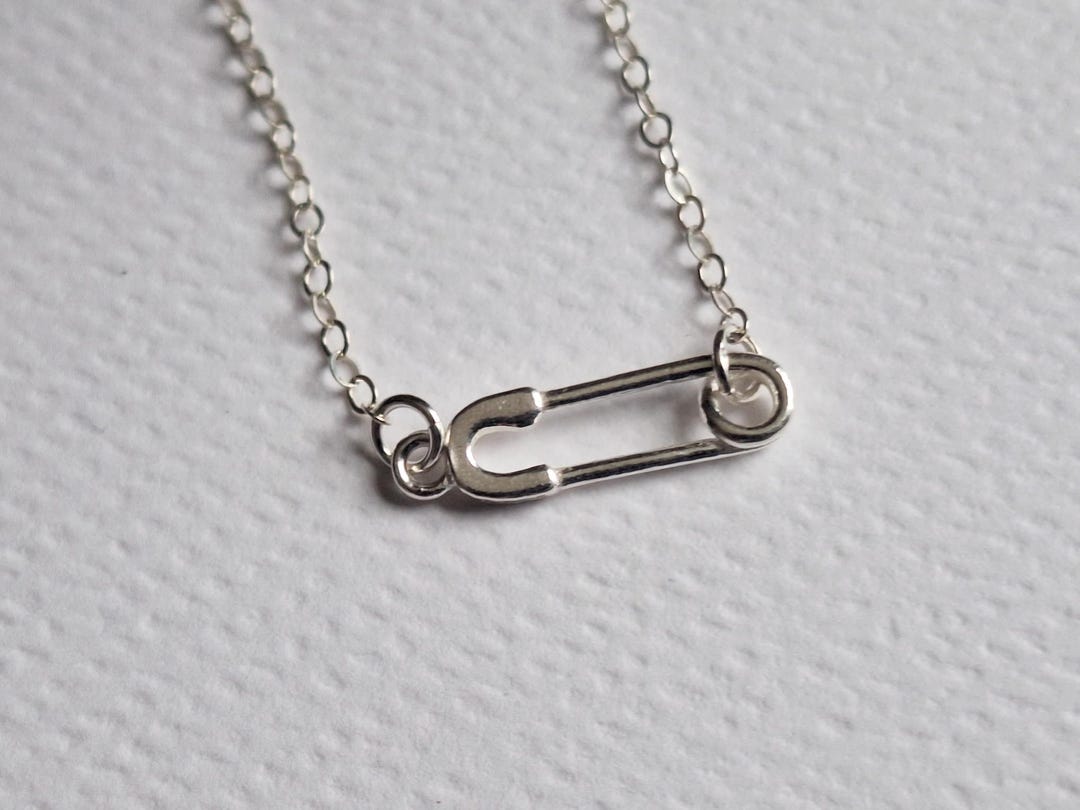
- Metals: Common options are brass, stainless steel, sterling silver, and gold vermeil. Stainless resists tarnish and is good for sensitive skin.
- Upcycled pins: Many artisans repurpose vintage safety pins for unique pieces. Upcycling is eco-friendly but check the pin’s condition.
- Handmade craft: Small makers may solder and secure pins to prevent opening. Look for reliable closures.
- Ethical sourcing: Ask makers about materials and labor practices if that matters to you.
If you buy a cheap, untreated safety pin from a hardware store, it may rust or irritate skin. Jewelry-grade options usually cost more but last longer.

Care, safety, and common pitfalls
Take simple steps to keep your safety pin necklace safe and lasting.
- Close the pin fully when worn to avoid pricks or snagging.
- Clean metal with a soft cloth; use mild soap for deeper cleaning.
- Remove before swimming or showering to prevent corrosion.
- Inspect joints and clasps periodically to avoid accidental opening.
- Avoid cheap plated pins if you have metal allergies; choose hypoallergenic metals.
A safety pin necklace can be both durable and safe when made and maintained properly.

Personal experience: lessons from wearing and curating safety pin necklaces
I started wearing a safety pin necklace years ago to test how people react to small, ambiguous symbols. It sparked conversations more than I expected. People asked if it was punk, political, or sentimental. That taught me that a safety pin necklace is a social prompt.
Mistakes I made: I once bought a decorative hardware pin that opened easily. It snagged a sweater and bent. The lesson: buy jewelry-grade pieces or have a jeweler secure the pin. My best tip: choose a length and style that fits your daily life. If you move a lot, pick a sturdy chain and a secure pin.
Frequently Asked Questions about why do people wear a safety pin necklace
What does a safety pin necklace symbolize?
A safety pin necklace can symbolize solidarity, protection, rebellion, or style. Meaning depends on wearer intent and cultural context.
Can a safety pin necklace be dangerous?
It can be if the pin is sharp or insecure. Use jewelry-grade pins, close them properly, and avoid worn or rusted hardware.
Are safety pin necklaces considered punk?
Yes, they are strongly linked to punk and DIY cultures, but modern wearers use them for many reasons beyond punk identity.
How should I clean a safety pin necklace?
Wipe with a soft cloth and mild soap when needed. For sterling or silver, use a gentle jewelry cleaner and dry thoroughly.
Can men and women both wear safety pin necklaces?
Absolutely. The safety pin necklace is unisex and works with many styles and body types.
Is it okay to wear a safety pin necklace to formal events?
You can, if styled thoughtfully. Pair a sleek metal pin with a tailored outfit to create a deliberate contrast.
Where can I buy a safe and stylish safety pin necklace?
Look for jewelry makers who use sterling, stainless steel, or gold vermeil, and who state construction methods and return policies.
Conclusion
A safety pin necklace is small but meaningful. It can be a fashion choice, a symbol of solidarity, a nod to punk history, or a simple DIY charm. Decide what meaning you want it to hold and pick materials and makers that match your needs. Try one intentionally—choose the size, metal, and closure that fit your life.
Takeaway: wear a safety pin necklace with purpose. Test different styles, care for the piece, and use it to start conversations or show quiet support. If this article helped, leave a comment with your safety pin story or subscribe for more practical style guides.

Michael Smith is the Content Strategist behind The Style Hub, where fashion meets function. With a keen eye for trends and a passion for everyday style, he curates content that helps readers make smarter, more stylish choices—from the perfect pair of sneakers to must-have accessories. Michael specializes in breaking down fashion into practical, wearable insights, making style accessible for everyone. When he’s not researching the latest trends, he’s exploring how comfort, innovation, and timeless design come together in modern fashion.
