
When Can I Change Earrings After Piercing: Safe Guide
You can usually change earrings in earlobes after 6–8 weeks, cartilage often takes 3–12 months.
I’ve helped hundreds of clients and researched clinical guidance on piercing care. In this article I’ll walk you through exactly when can i change earrings after piercing, why timelines vary, how to tell your piercing is truly healed, and step-by-step, practical advice to change earrings safely. Expect clear timelines, red flags to watch for, personal tips from real experience, and simple actions you can take today to protect your new piercing and avoid common pitfalls.

How piercing healing works and why timing matters
Healing is the body’s process of closing and lining a new channel in the skin. A fresh piercing forms tissue, blood vessels, and a protective epithelial layer. Healing speed depends on location, technique, jewelry, and your body.
- Earlobe piercings heal faster because they’re soft tissue with good blood flow.
- Cartilage piercings heal slower due to low blood flow and rigid tissue.
- Jewelry moved too early can tear tissue, cause bumps, or lead to infection.
Knowing when can i change earrings after piercing helps you avoid irritation and long-term scarring. I’ve seen people switch too soon and develop painful keloids; I’ve also seen patients wait patiently and have perfect results. That difference often comes down to timing and technique.
Typical timelines: when can i change earrings after piercing for common types
Below are common healing windows. These are general guidelines; individual healing varies.
- Earlobe
- Typical: 6–8 weeks before first change.
- Best practice: Leave studs in for at least 6 weeks, longer if any tenderness remains.
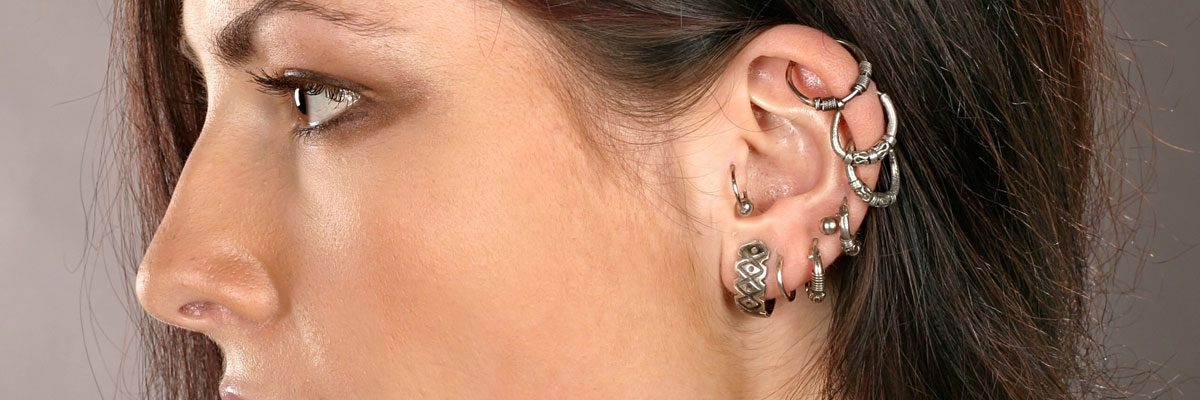
- Helix and other cartilage
- Typical: 3–12 months before first change.
- Best practice: Wait at least 3 months and only change when no pain, discharge, or tightening occurs.
- Forward helix, tragus, rook, conch
- Typical: 3–9 months.
- Best practice: Treat like cartilage piercings and be conservative.
- Nostril or septum
- Typical: 2–6 months for nostril, 6–8 weeks to 6 months for septum.
- Best practice: Confirm mobility and lack of symptoms before swapping jewelry.
If you asked a piercer today “when can i change earrings after piercing?” they would likely ask about location, materials used, and how the piercing looks right now. Use these timelines as your baseline and err on the side of patience.
Factors that change the answer to when can i change earrings after piercing
Several things speed or slow healing. Consider these before changing jewelry.
- Age and health
- Younger, healthy people often heal faster. Smoking, diabetes, or immune conditions slow healing.
- Aftercare consistency
- Cleaning twice daily with saline and avoiding touching helps. Poor aftercare delays readiness.
- Jewelry quality and material
- Implant-grade titanium or surgical steel reduces irritation. Cheap metals can cause allergic reactions and prolong healing.
- Technique and initial jewelry
- Piercings that used proper technique and jewelry size heal better. Guns for earlobes can cause more trauma than needles.
- Movement and trauma
- Sleeping on a fresh piercing, snagging, or changing earrings aggressively delays healing.
If you want a practical rule of thumb for when can i change earrings after piercing, consider both the recommended timeline for the location and these personal factors. If any factor is unfavorable, wait longer.

How to tell your piercing is ready to change earrings
Look for objective and easy-to-observe signs before changing jewelry.
- No pain or significant tenderness for at least several days.
- No redness, warmth, or swelling around the piercing.
- No yellow or green discharge; a small amount of clear or whitish fluid can be normal.
- The hole feels smooth and the skin around it looks closed and healthy.
- You can rotate the original earring without pain or tugging (rotation is not always recommended as a test, but if it moves freely and painlessly, it’s a good sign).
If you’re unsure, take a clear photo and compare with reputable healing guides, or ask a professional piercer to inspect it. When in doubt, wait—patience reduces complications.
Step-by-step: safely changing earrings after piercing
When you’ve decided the piercing looks healed, follow these careful steps. These reduce trauma and infection risk.
- Wash your hands thoroughly before touching the piercing.
- Sterilize the new earrings (boil if metal and allowed, or use fresh sterile studs).
- Clean the piercing with saline spray or a saltwater solution and let it dry naturally.
- Gently remove the old earring with clean fingers. If it’s stuck, soak the area and try again; don’t force it.
- Insert the new earring slowly and with steady control. If resistance or pain appears, stop and reassess.
- After changing, clean the area around the new jewelry once to remove skin oils or bacteria.
- Monitor for 1–2 weeks for signs of irritation.
If you experience sharp pain, heavy bleeding, or persistent discharge after changing earrings, remove the jewelry only if advised by a professional and seek care.

Choosing the right earrings for your first swap
Selecting jewelry matters as much as timing. Good choices reduce reactions and prevent delays.
- Material
- Implant-grade titanium, solid 14k or 18k gold, or niobium are safe picks.
- Size and shape
- Use a post that fits the healed channel length. Too-tight backs squeeze tissue; too-long posts snag.
- Style
- Avoid heavy hoops or dangly pieces at the first change. Choose studs or small huggies first.
- Backs
- Secure screw-backs or tight push-backs help prevent snagging and loss.
From personal experience, switching to lightweight, well-fitted studs for the first change keeps my clients most comfortable and avoids re-traumatizing the hole.
Common mistakes, risks, and how to avoid them
People often rush the first change or pick the wrong jewelry. These mistakes lead to infections, bumps, or migration.
- Changing too early
- Risk: reopening the tract and causing inflammation.
- Fix: wait according to location and healing signs.
- Using low-quality metals
- Risk: allergic contact dermatitis or prolonged irritation.
- Fix: choose hypoallergenic metals.
- Twisting or rotating excessively
- Risk: prevents the formation of a stable epithelial tract and increases scabbing.
- Fix: avoid unnecessary manipulation.
- Forcing jewelry through
- Risk: tearing and scarring.
- Fix: stop and soak; if still stuck see a piercer.
Being cautious and following safe steps answers much of the “when can i change earrings after piercing” anxiety.
Personal experience: lessons I’ve learned
I’ve worked with clients who changed ear studs at 2 weeks and ended up with stubborn bumps. I’ve also seen clients wait 3 months for cartilage, then change without issues. Lessons I learned:
- Respect the tissue. It remembers trauma.
- Always bring your own sterilized earrings for the first swap.
- If a piercing was done poorly, no amount of waiting may fully remove complications—get professional help.
My best results came from matching timing to tissue type and using high-quality jewelry. That approach made healing predictable.
When to see a professional or a doctor
Some signs require immediate help. Don’t guess the answer to when can i change earrings after piercing if you see these symptoms.
- Increasing redness, heat, pain or swelling after changing jewelry.
- Continuous yellow/green discharge or a foul smell.
- Fever or spreading redness beyond the ear.
- A hard raised lump (keloid) forming quickly.
A professional piercer can assess mechanical issues. A doctor can prescribe antibiotics or steroid treatments when infection or keloid formation is severe.
Frequently Asked Questions of when can i change earrings after piercing
When can i change earrings after piercing earlobe?
Most earlobes can be changed after 6–8 weeks if there is no pain, redness, or discharge. If any irritation remains, wait longer and follow aftercare.
When can i change earrings after piercing cartilage?
Cartilage usually needs at least 3 months and often up to 12 months before a safe change. Be conservative because cartilage heals slowly and reacts strongly to trauma.
Can I change earrings after piercing if it still hurts a little?
No. If pain persists, the piercing is not fully healed. Wait until pain and tenderness are gone to avoid reopening the tract.
What if my piercing is crusty—can I change earrings after piercing?
Crusting can be normal, but if it’s excessive or colored, don’t change the earrings yet. Clean the area and let it settle before attempting a change.
Can I change earrings after piercing to hoops or dangly earrings right away?
Avoid heavy hoops or dangly pieces for your first change. Start with lightweight studs or huggies and only switch to heavier styles once fully healed.
Conclusion
Knowing when can i change earrings after piercing is all about patience, observation, and good technique. Follow location-specific timelines, choose high-quality jewelry, and look for clear signs of healing before you swap earrings. If anything looks or feels off, wait or consult a professional. Take one small step today: check your piercing for pain, redness, and discharge—if it’s calm and clean, you’re likely ready; if not, give it more time. Share your experiences or questions below, subscribe for more piercing care tips, or book an appointment with a trusted piercer for a safe first change.

Michael Smith is the Content Strategist behind The Style Hub, where fashion meets function. With a keen eye for trends and a passion for everyday style, he curates content that helps readers make smarter, more stylish choices—from the perfect pair of sneakers to must-have accessories. Michael specializes in breaking down fashion into practical, wearable insights, making style accessible for everyone. When he’s not researching the latest trends, he’s exploring how comfort, innovation, and timeless design come together in modern fashion.

