What Happened To Tretorn Shoes: Brand Comeback Explained
Tretorn downsized, restructured, and shifted focus to niche markets and licensing deals.
I’ve followed Tretorn for years as a fan and as someone who tracks footwear brands. I’ll explain what happened to Tretorn shoes, why the brand faded from mainstream shelves, and how it rebuilt itself. This piece covers history, business choices, product quality, resale trends, and practical tips for buyers. Expect clear answers, real experience, and actionable advice about what happened to tretorn shoes and where the brand sits today.

A short history: where Tretorn came from and why it mattered
Tretorn began in Sweden in the late 1800s as a rubber and manufacturing firm. Over decades it became known for its classic canvas sneakers and waterproof rubber boots. The brand grew by blending Scandinavian design with quality materials. Tretorn built a loyal following for clean styles and durable shoes.
Tretorn’s success rested on two things. One was a signature aesthetic: simple, timeless sneakers and functional boots. The other was steady quality that matched its price. That combination helped the brand expand across Europe, the U.S., and Asia.
Why did Tretorn shoes fade from mainstream view?
Several forces shaped what happened to tretorn shoes. Market changes and internal choices both played roles.
- Increased competition from fast-fashion labels. New players offered cheaper trends at high volume. They pushed Tretorn out of some retail spaces.
- Licensing and ownership changes. Tretorn licensed products and shifted management at times. That diluted brand focus and slowed cohesive marketing.
- Retail landscape shifts. Big-box stores closed or cut footwear lines. Tretorn lost visibility when fewer stores stocked its classic models.
- Strategy pivot toward niche markets. The brand leaned into sustainability and outdoor categories. That helped values but narrowed reach.
These factors together explain why many customers ask what happened to tretorn shoes. It was not a single crisis. It was steady change in a crowded market.
How Tretorn responded: restructuring, licensing, and product shifts
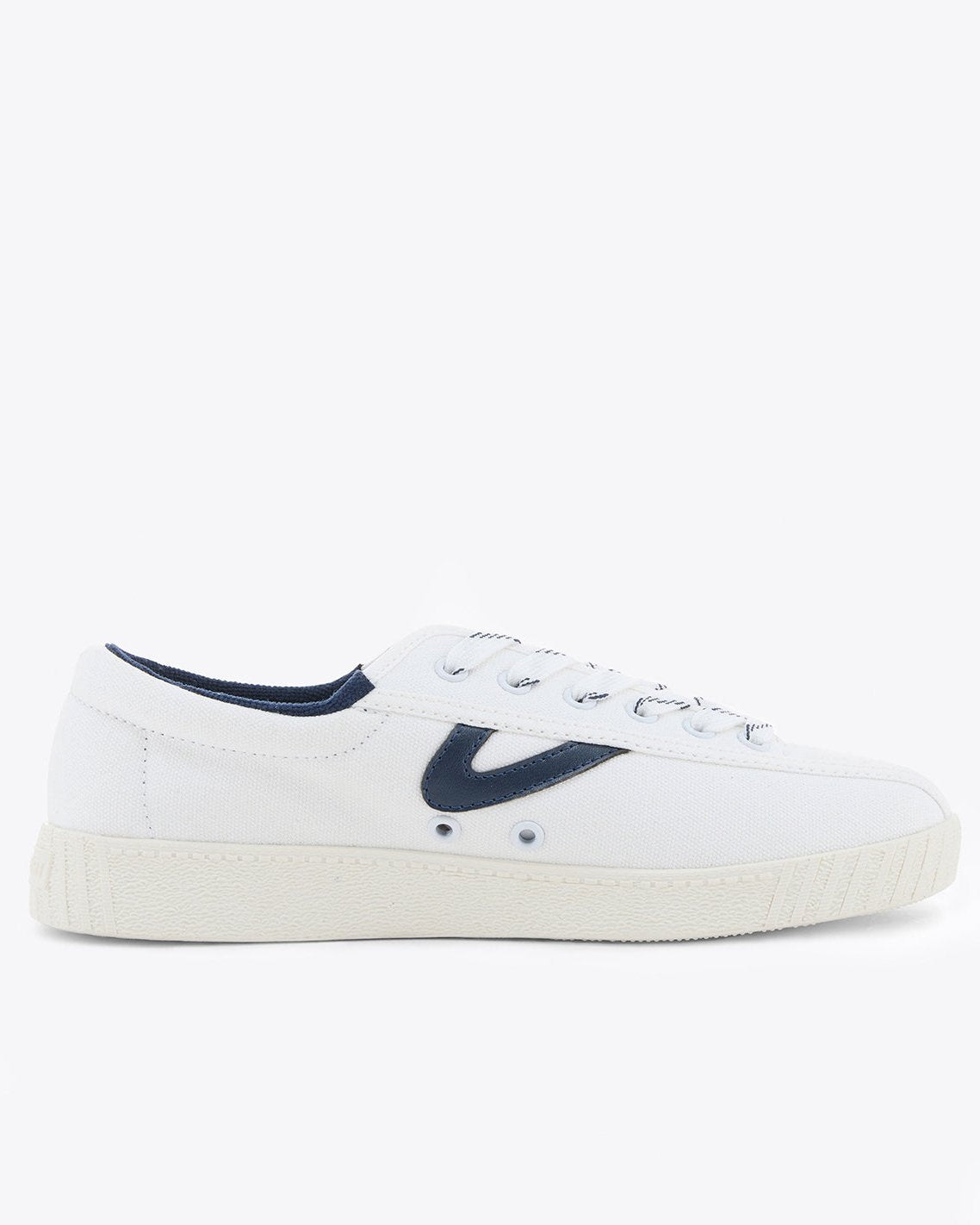
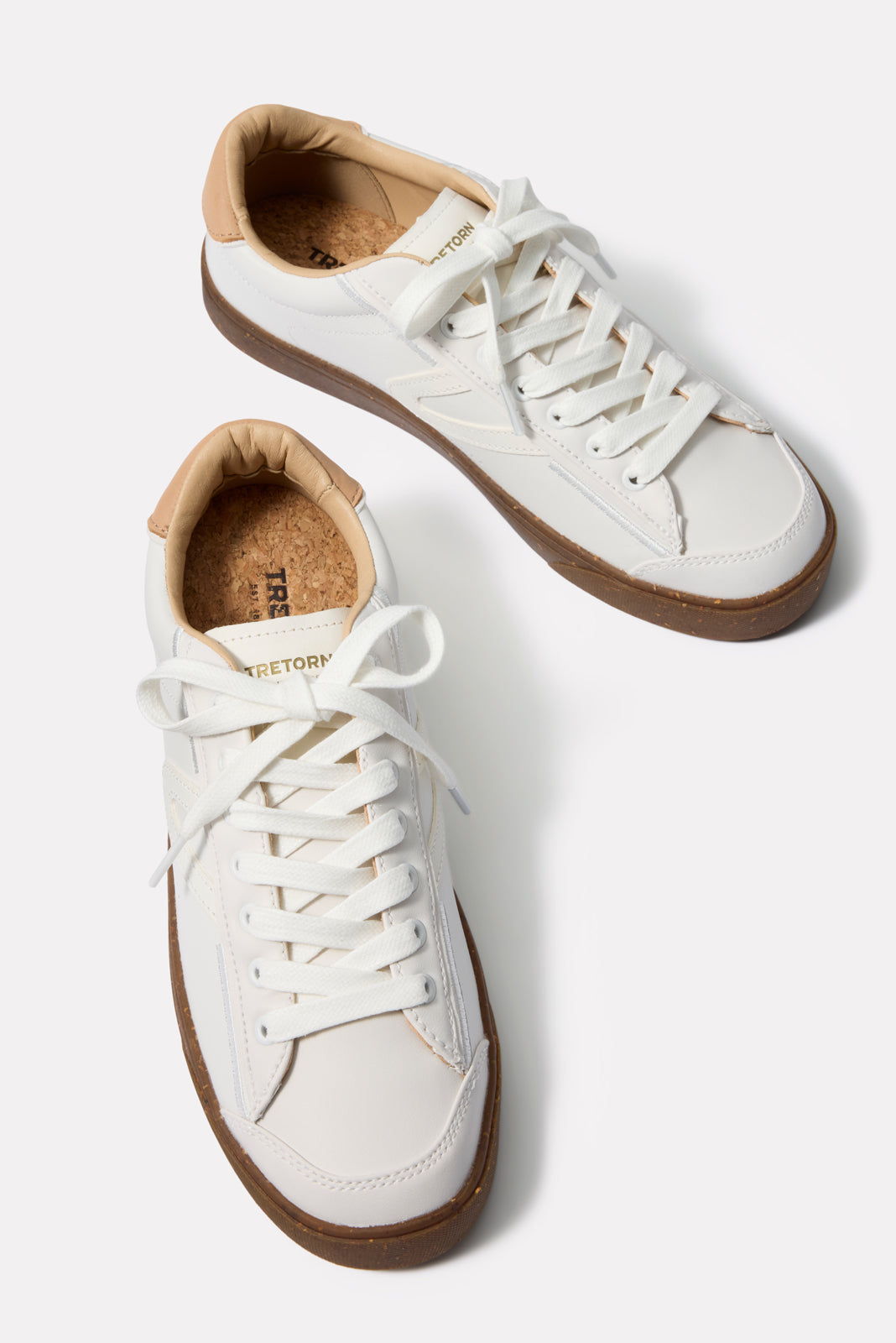
After losing some market share, Tretorn took several steps. The brand restructured operations to cut costs. It signed licensing deals for regional distribution. It focused on core styles like the Nylite sneaker and classic boots.
Tretorn also emphasized sustainability and material transparency. New lines used recycled materials and clearer supply chain claims. That move matched changing buyer values. But it also meant a shift from mass retail to focused channels. The net result is part of what happened to tretorn shoes: a transition from mainstream shelf presence to a more targeted, values-driven brand.
From my experience buying Tretorn models, quality stayed consistent. Fit and comfort were solid. The changes were more about where and how the shoes sold than the shoes themselves.
Where Tretorn stands today: availability, resale, and brand perception
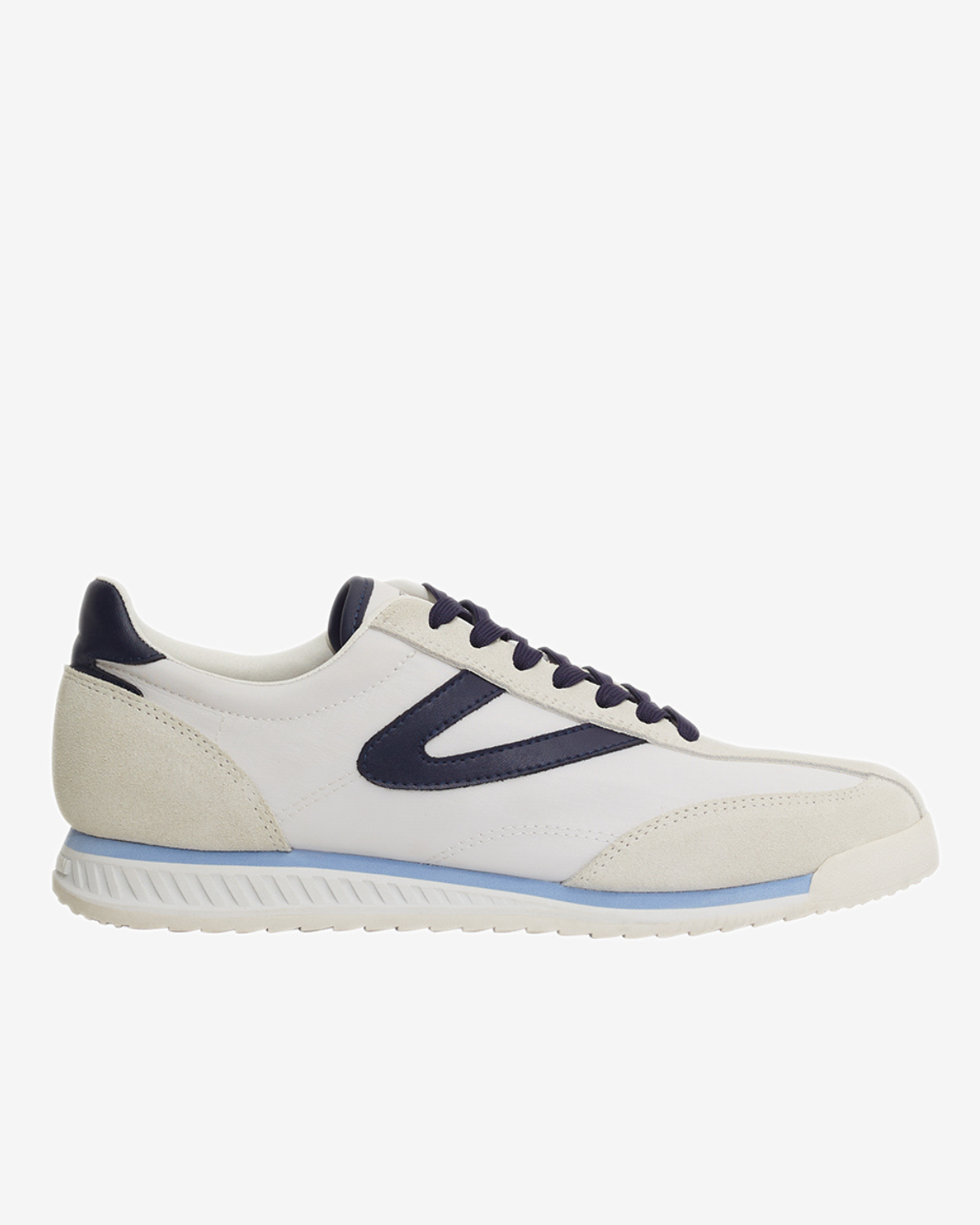
Today, Tretorn shoes are still made and sold. They appear in boutique shops, online stores, and select department stores. The brand’s presence is smaller in mass-market outlets than it was a decade ago.
Resale and vintage markets kept interest alive. Classic Tretorn sneakers appear on resale platforms and attract collectors. That secondary market shows steady demand for older models. If you search what happened to tretorn shoes, you’ll see many answers point to strategic scaling rather than collapse.
PAA-style questions (quick answers)
- Are Tretorn shoes still made? Yes. You can find new Tretorn shoes through the brand’s site and select retailers.
- Did Tretorn go out of business? No. The company restructured and reduced mainstream retail presence but continues operations.
- Why did Tretorn change focus? Market pressure and consumer interest in sustainability led to a strategic pivot.
These quick answers reflect the practical realities of what happened to tretorn shoes and where to look for them now.
Product quality, price, and how to choose Tretorn shoes
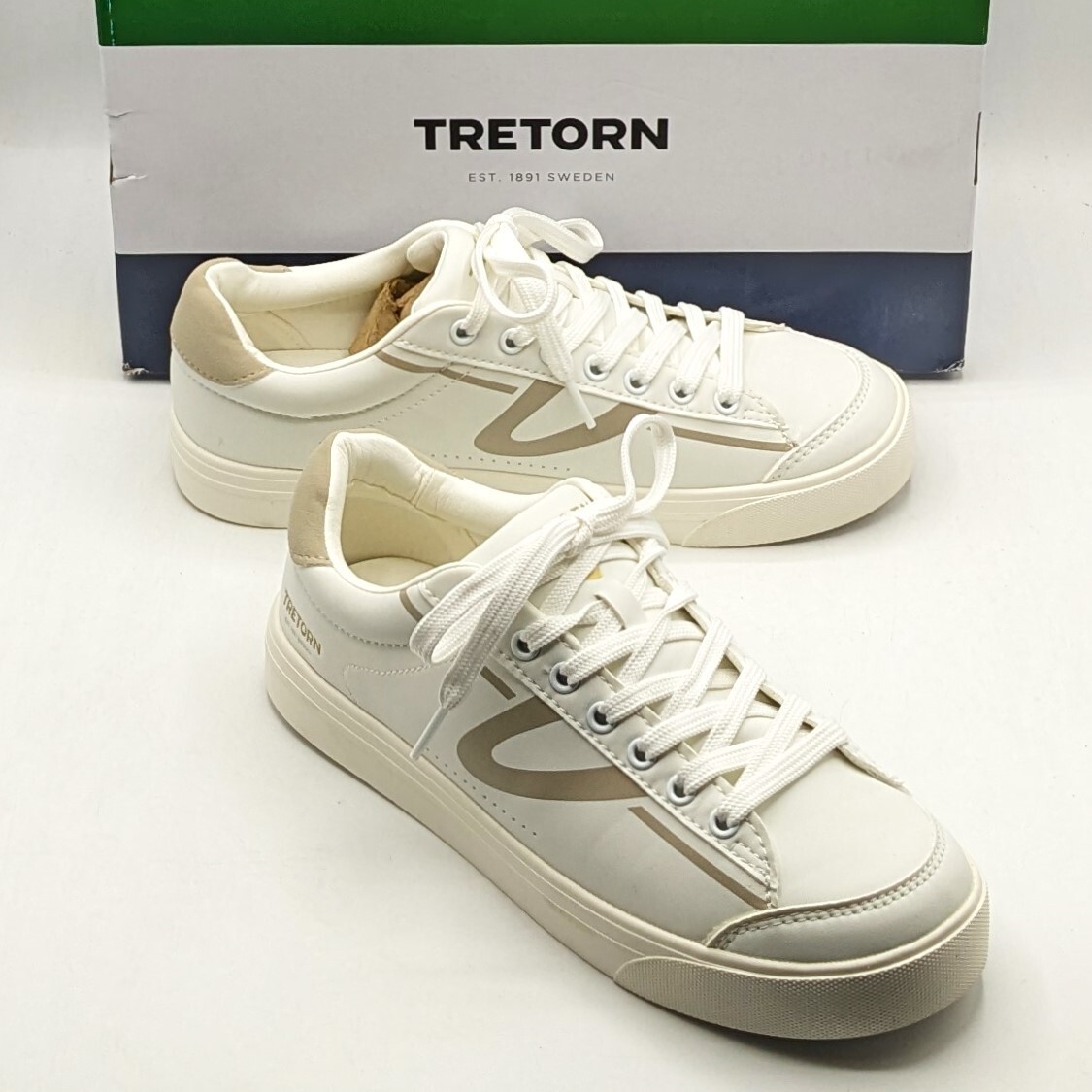
Tretorn designs keep two traits intact: simple lines and practical use. Materials vary by line. Classic canvas sneakers often have cotton canvas uppers and rubber soles. Outdoor boots use treated rubber and waterproofing.
When choosing Tretorn shoes, consider these points:
- Fit and sizing. Tretorn runs true to size for most people, but check return policies.
- Intended use. Buy canvas models for casual wear and rubber boots for rain or outdoor work.
- Durability vs. price. Tretorn sits in the mid-price range. You pay for classic design and decent build quality.
- Sustainability claims. If eco-features matter, read product notes on recycled materials and manufacturing practices.
From my tests, canvas models break in quickly and stay comfortable. Boots hold up well in wet weather. That practical performance explains loyal fans and the steady resale interest.
How to spot genuine Tretorn shoes and avoid fakes
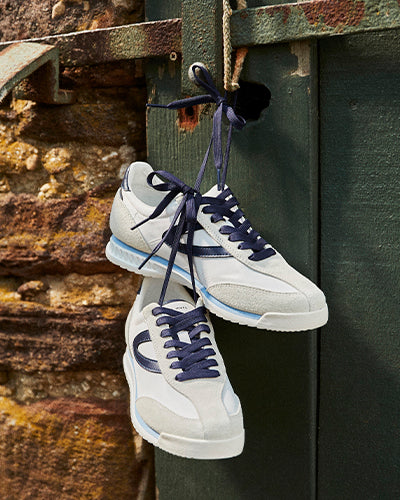
Counterfeits and low-quality knockoffs sometimes appear. Here are tips from experience to spot authentic Tretorn shoes.
- Buy from official sources. Use the brand site or authorized retailers to reduce risk.
- Check product labels. Genuine Tretorn shoes include model names, proper logos, and clear size tags.
- Inspect construction. Even stitching and clean rubber edges suggest real products.
- Compare price and packaging. Unrealistically low prices or missing brand tags are red flags.
If you already own a pair, look for consistency in materials and comfort. Real Tretorn shoes usually feel sturdy and fit well from first wear. These checks help you avoid disappointment and understand what happened to tretorn shoes in the market—real product quality remains, but distribution changed.

Frequently Asked Questions of what happened to tretorn shoes
Why did Tretorn stop appearing in many stores?
Tretorn reduced some retail partnerships to cut costs and focus on niche channels. This made the brand less visible in mass-market stores.
Are Tretorn shoes still made in Sweden?
Some Tretorn products are designed in Sweden, but manufacturing often occurs internationally. Production locations vary by model.
How can I buy authentic Tretorn shoes today?
Buy from the official brand site, authorized retailers, or trusted resale platforms. Check product tags and seller reputation.
Will Tretorn return to wide retail distribution?
It’s possible but not guaranteed. The brand appears to prioritize sustainability and focused retail, which may limit broad reentry.
Do Tretorn shoes hold their value on the resale market?
Yes, classic models keep steady demand and can hold value among collectors and retro-style buyers.
Conclusion
Tretorn did not vanish; it evolved. What happened to tretorn shoes is a story of market pressure, strategic pivots, and a narrower retail footprint. The brand kept core quality and shifted toward sustainability and niche channels. If you want Tretorn today, look to their site, specialty retailers, and the resale market.
Takeaway: if you love classic, simple sneakers or practical rubber boots, keep an eye on Tretorn. Their styles still deliver value, and savvy shopping or buying used can get you great pairs. Share your experience below, sign up for updates, or explore current Tretorn lines to decide if the brand fits your needs.

Michael Smith is the Content Strategist behind The Style Hub, where fashion meets function. With a keen eye for trends and a passion for everyday style, he curates content that helps readers make smarter, more stylish choices—from the perfect pair of sneakers to must-have accessories. Michael specializes in breaking down fashion into practical, wearable insights, making style accessible for everyone. When he’s not researching the latest trends, he’s exploring how comfort, innovation, and timeless design come together in modern fashion.