Measure your foot length and width, then match those numbers to a reliable size chart.
I’ve measured thousands of feet and helped people pick shoes that fit. This guide will teach you how to figure out the size of a shoe from start to finish. I explain simple measuring steps, how to convert measurements to common size systems, tips for different shoe types, and mistakes to avoid. Read on and you’ll buy shoes that fit with confidence.
Why getting the right shoe size matters
Wearing the right size keeps your feet healthy. Shoes that fit reduce blisters, joint pain, and long-term foot problems. Good fit also improves comfort and performance, whether you walk, run, or work all day.
Common signs of a poor fit:
- Toe pain or numbness after short wear.
- Heel slipping or tightness at the ball of the foot.
- Uneven wear on the shoe outsole.
How to figure out the size of a shoe starts with understanding why fit matters. A small error in size can cause pain. I’ve seen people wear shoes a full size too small and blame the shoe instead of the size. Trust the measure, not the label.
Tools you need and when to measure
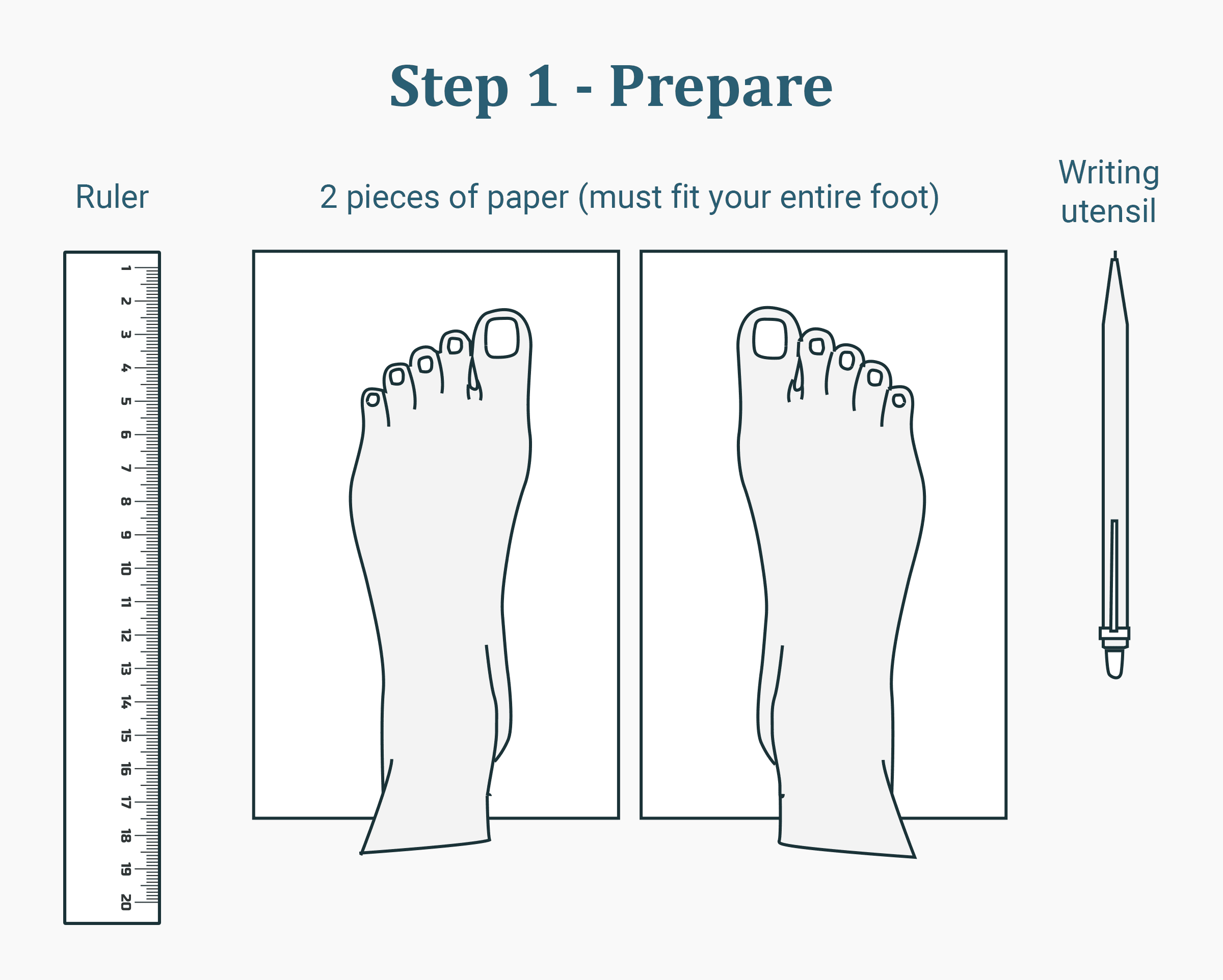
You only need a few simple things to measure well. Gather these before you start:
- A piece of paper larger than your foot.
- A ruler or tape measure with millimeters or inches.
- A pen or pencil.
- A chair and flat floor space.
- Socks you plan to wear with the shoes.
Measure at the end of the day. Feet swell slightly after activity. This small step helps you pick a size that stays comfortable.
How to figure out the size of a shoe depends on careful timing and the right tools. Use a hard floor, stand upright, and keep your weight evenly distributed.
Step-by-step: how to measure your foot at home
Follow these steps to get an accurate foot length and width. Repeat for both feet.
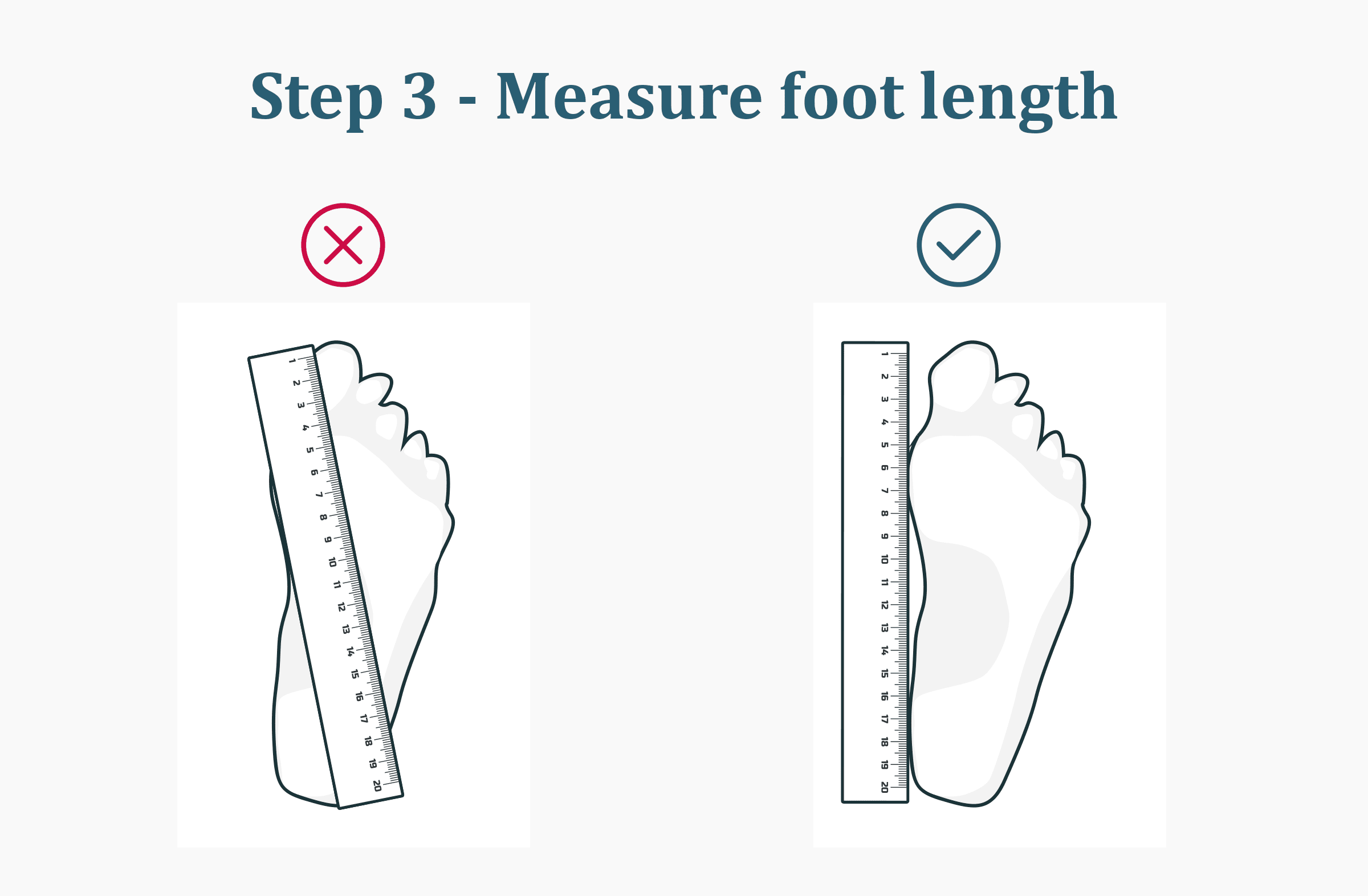
- Place paper on the floor and stand on it with weight on both feet.
- Trace the outline of your foot with the pen held straight up.
- Mark the tip of the longest toe and the back of the heel.
- Measure the distance between those two marks. That is your foot length.
- For width, measure the widest part of the traced foot.
- Round length up to the nearest 1/8 inch (or 5 mm) to allow wiggle room.
How to figure out the size of a shoe uses both length and width. Don’t assume both feet are the same. Use the larger foot’s measurements when choosing a size.

Converting your measurements to shoe sizes
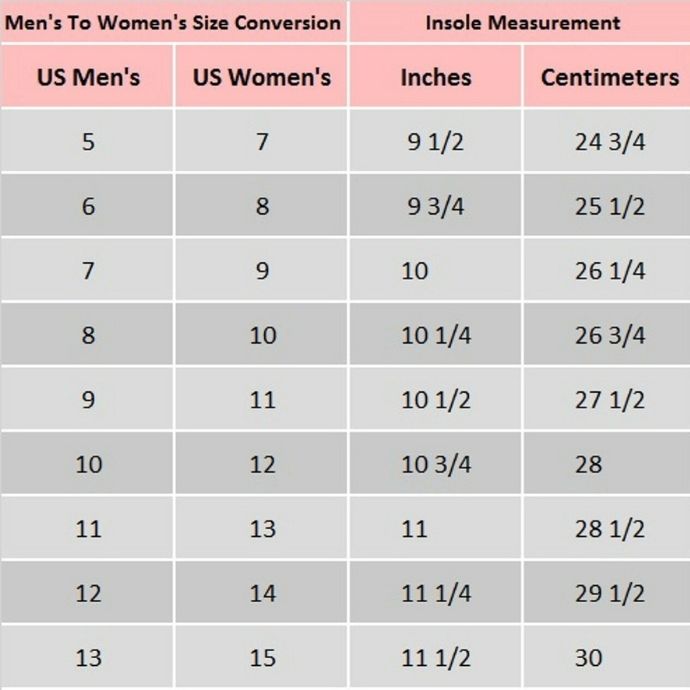
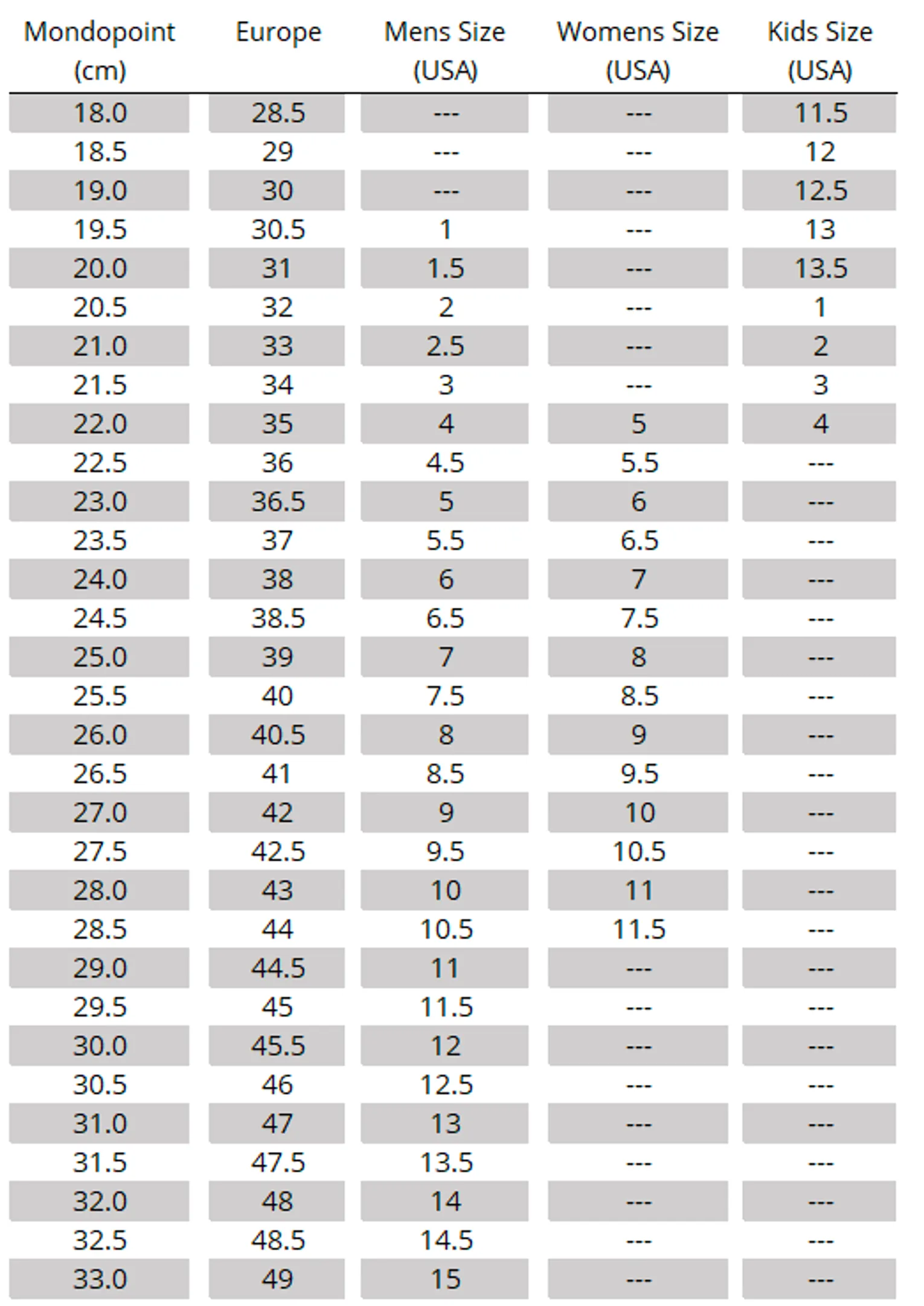
Different systems use different numbers. Follow this simple method:
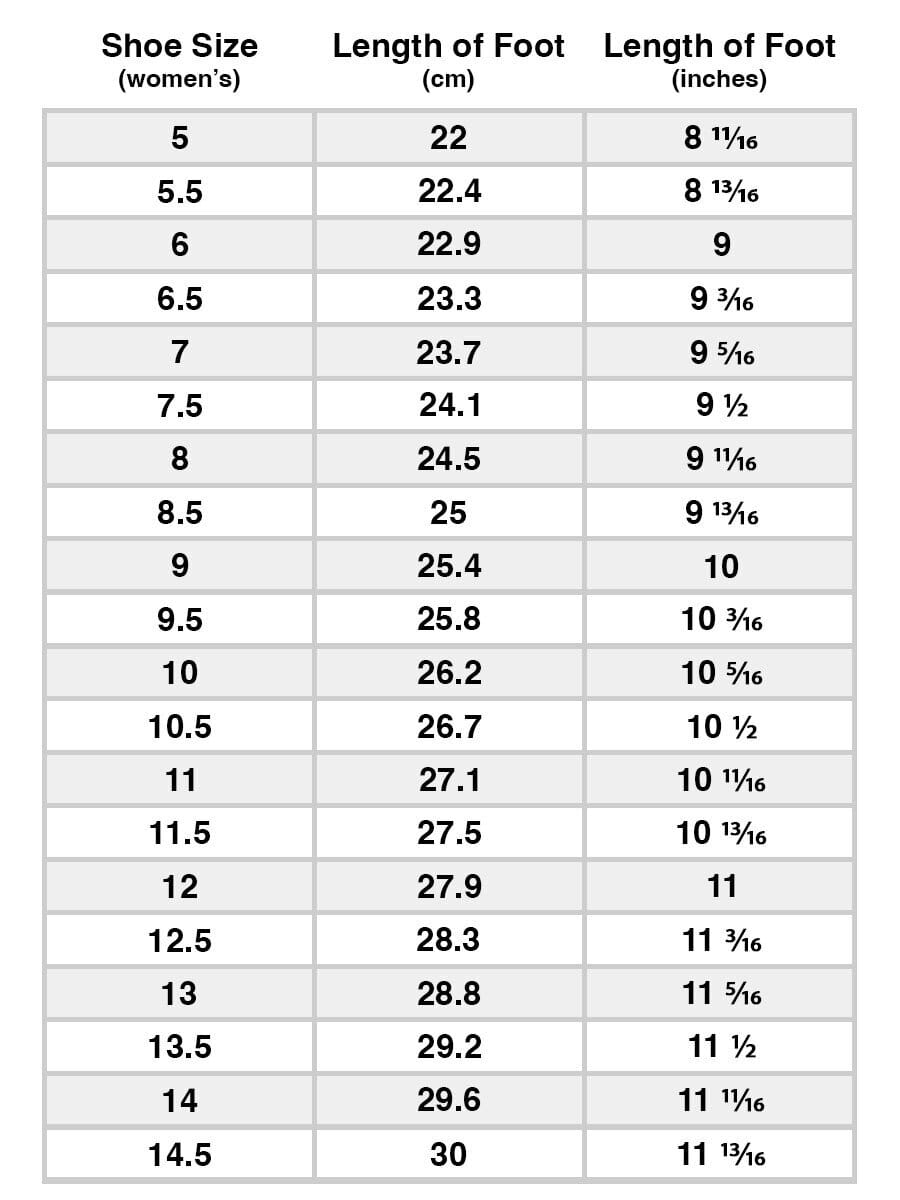
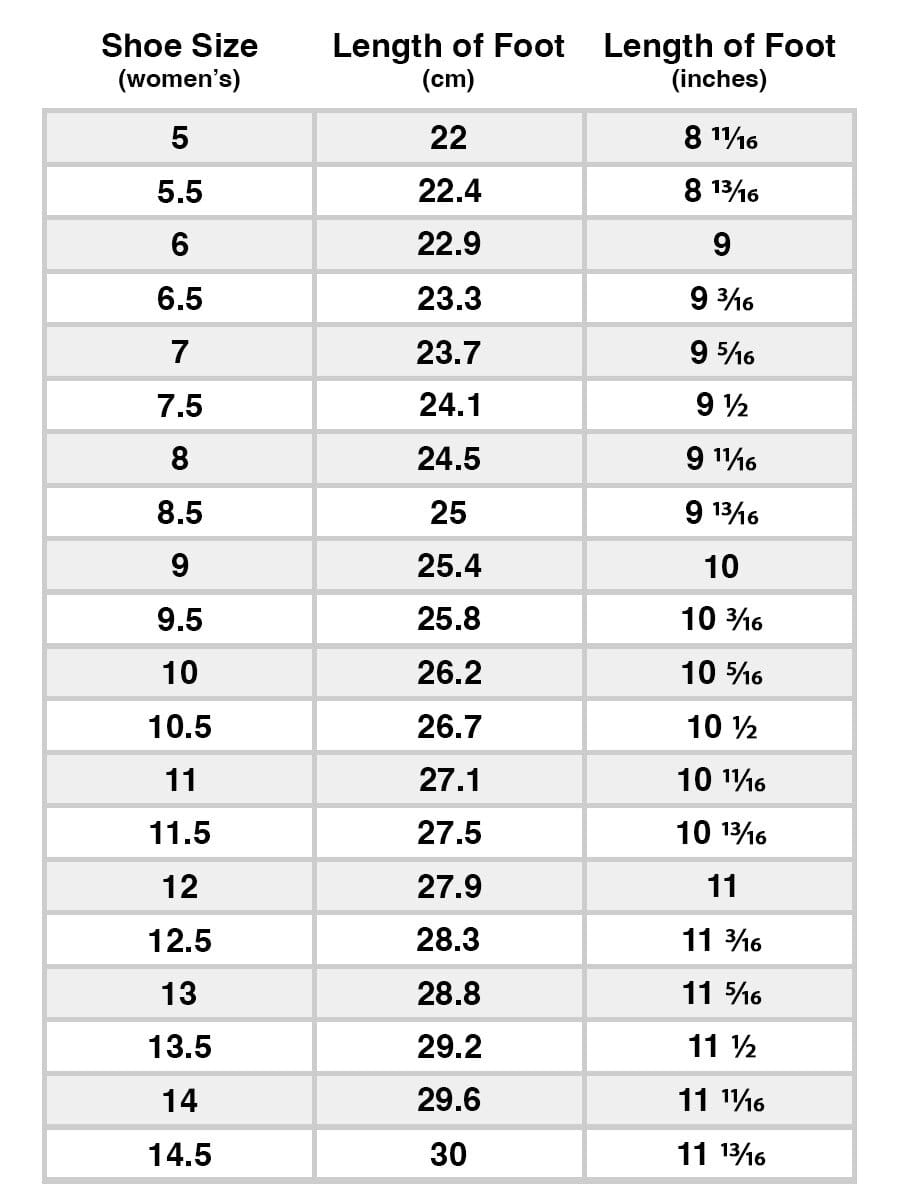
- Convert your length to centimeters or inches.
- Use a trusted size chart for the brand or country system (US, UK, EU, JP).
- Check width designations: narrow, medium, wide, extra wide.
- If between sizes, pick the larger one or try half sizes when possible.
How to figure out the size of a shoe is easier when you use the brand’s chart. Brands vary. Always check the maker’s chart, not just a generic table.
Fit tips for different shoe types
Each shoe type fits differently. Here’s what to expect and do:
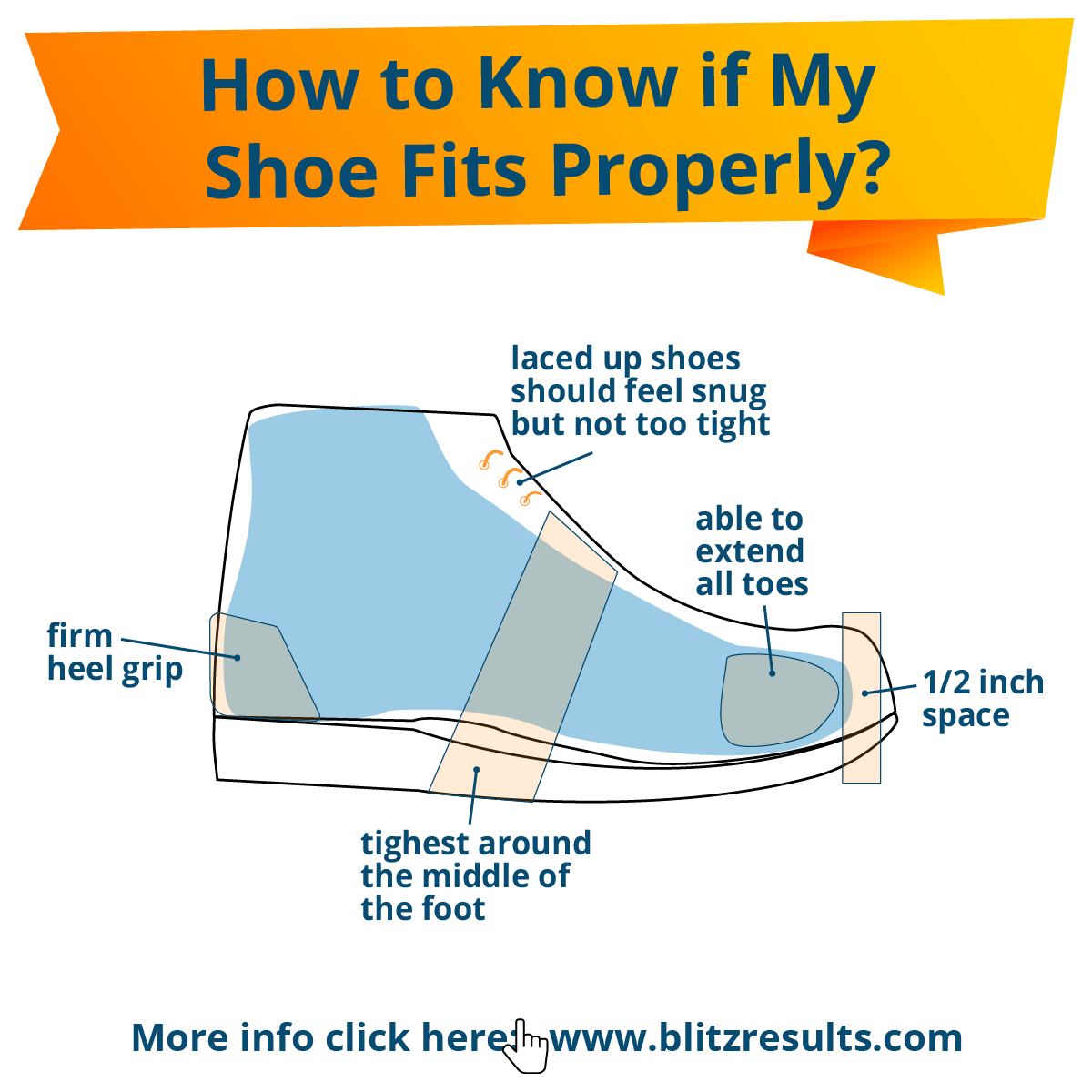
- Running shoes: Allow about a thumb’s width (1/2 inch) from longest toe to toe box. Choose snug heel and roomy toe.
- Dress shoes: Leather will stretch. Aim for a snug midfoot and slight toe room.
- Sandals and slip-ons: Measure standing and sitting. Straps can change fit.
- Boots: Consider thicker socks and measure accordingly for width and length.
How to figure out the size of a shoe for boots or runners is not the same. Test while standing and with the socks you’ll wear.
Trying shoes on: smart in-store and online strategies
Try shoes late in the day and with proper socks. Walk around, test stairs, and stand on both feet. For online buys:
- Read customer reviews for fit and sizing notes.
- Check the return policy before ordering.
- Order two sizes if unsure and return the one that doesn’t fit.
How to figure out the size of a shoe online takes planning. Measure first and compare to the product chart. Don’t guess.

Common mistakes and how to avoid them
Avoid these frequent errors:
- Measuring only one foot. One foot is often larger.
- Measuring barefoot and then wearing thick socks.
- Trusting brand size without checking the chart.
- Buying for length only and ignoring width.
How to figure out the size of a shoe means checking both width and length. I once ordered my usual size for a new brand and ended up with shoes painfully narrow. That taught me to check width every time.
Personal experience and practical tips
I worked with a shoe store and measured hundreds of customers. A few lessons stood out:
- People underestimate foot width. Width matters as much as length.
- Try shoes on and walk in them for several minutes. Initial comfort matters.
- Save your shoe measurements and note what works per brand.
A tip I always share: write down your foot length in cm and the width type. Keep that note on your phone. It makes online shopping quick and accurate. This is a real-world way to remember how to figure out the size of a shoe for future purchases.
PAA-style questions you may ask
How tight should a shoe feel at first?
Shoes should feel snug but not tight. You should have room to wiggle toes and no sharp pressure points.
Can my foot size change over time?
Yes. Weight, age, pregnancy, and activity can change your foot size and shape. Re-measure every year or after major life changes.
Is a half size better than a full size?
A half size can give a better fit, especially for running or performance shoes. If you’re between sizes, try both if possible.
Does shoe size differ by brand?
Yes. Brands and styles vary. Always check the brand-specific size chart and reviews.
Do wider shoes prevent blisters?
Wider shoes reduce pressure and friction for people with wide feet, which often lowers blister risk. Proper width helps overall comfort.
Frequently Asked Questions of how to figure out the size of a shoe
How do I figure out my shoe size at home?
Measure your foot length and width while standing on paper. Compare the measurements to a size chart and use the larger foot for sizing.
Which foot should I measure when figuring out shoe size?
Measure both feet and use the larger one for sizing. Feet rarely are perfectly the same size.
How do I convert centimeters to US shoe size?
Use a reliable conversion chart or the brand’s chart. Conversion varies slightly by brand, so charts give the best match.
Can I measure shoe size using an old shoe?
Yes, measure the insole length of a shoe that fits well. This gives a good reference for length, but measure width separately.
How much extra space should I leave at the toe?
Aim for about a thumb’s width (around 1/2 inch or 12 mm) from the longest toe to the shoe’s end. This allows for natural foot movement.
Conclusion
Measuring your foot and checking brand charts will save you time and discomfort. Start by measuring both feet, use the larger measurement, and check width as well as length. Try shoes on with proper socks and test them while standing.
Take action today: measure your feet, write down the numbers, and use them for your next shoe purchase. Share your experience or ask a question below so others can learn from what worked for you.

Michael Smith is the Content Strategist behind The Style Hub, where fashion meets function. With a keen eye for trends and a passion for everyday style, he curates content that helps readers make smarter, more stylish choices—from the perfect pair of sneakers to must-have accessories. Michael specializes in breaking down fashion into practical, wearable insights, making style accessible for everyone. When he’s not researching the latest trends, he’s exploring how comfort, innovation, and timeless design come together in modern fashion.