Measure your foot length and the widest point on a flat surface for accurate size and width.
I’ve measured hundreds of feet for clients, friends, and my own shoe shopping. This guide on how to measure foot for shoe size and width pulls together clear steps, conversion tips, and real-world advice so you get shoes that fit now — not just late at night. Read on to learn precise measuring methods, common mistakes, and how to use those numbers to pick the right shoes across US, UK, and EU systems.
Why accurate measurement matters
Measuring matters because poor fit causes pain, blisters, and long-term foot problems. Knowing how to measure foot for shoe size and width removes guesswork. A correct fit improves comfort, balance, and the life of the shoe. Fit also matters for performance if you run, hike, or stand for long shifts. Industry and podiatry guidance recommend measuring both length and width for best results.

Tools you’ll need
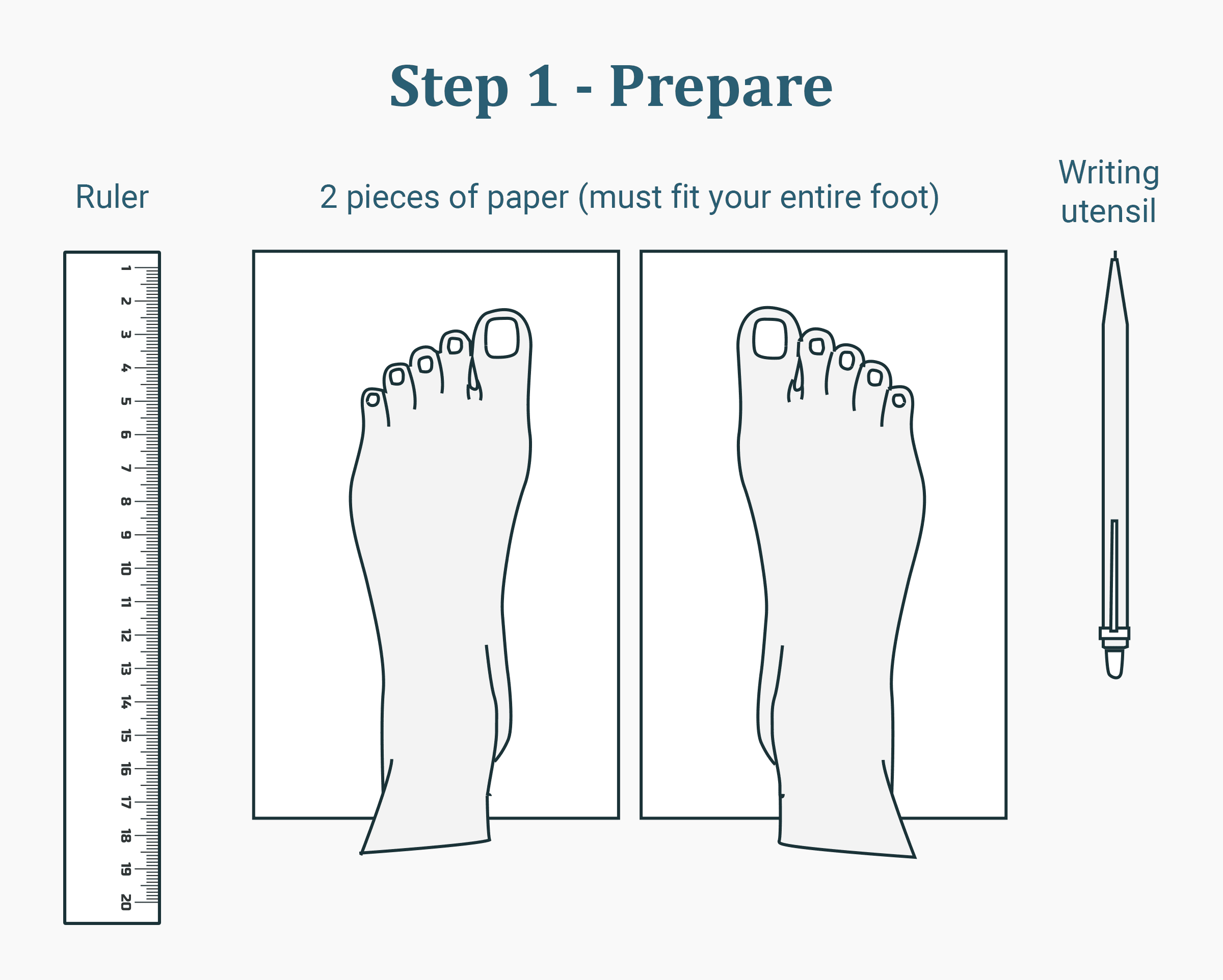
Keep this short list handy before you measure how to measure foot for shoe size and width:
- Tape measure or ruler that shows inches and centimeters
- A sheet of paper larger than your foot
- A pen or pencil
- A wall or hard vertical edge to place your heel against
- Socks you plan to wear with the shoes (thin or thick depending on shoe type)
How to measure your foot at home: step-by-step
Follow these steps to get accurate numbers when learning how to measure foot for shoe size and width.
- Prepare and stand
- Put on the socks you’ll wear with the shoes.
- Place the paper on the floor against a wall.
- Stand with your heel against the wall and weight evenly on both feet.
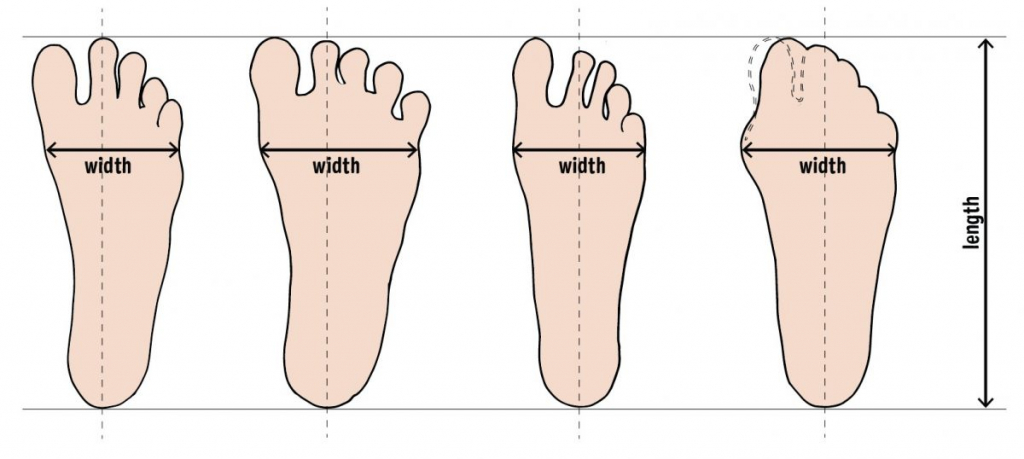
- Measure length (longest toe to heel)
- Mark the tip of your longest toe on the paper.
- Measure from the wall (heel) to the mark. Record in inches and centimeters.
- Repeat for both feet. Use the larger number for sizing.
- Measure width (widest part of foot)
- While standing, trace the outline of the foot on the paper.
- Find the widest points across the ball of the foot and measure straight across.
- Record that width in inches and centimeters.
- Add fitting allowance
- Add about 0.25 to 0.5 inch (6–12 mm) to the length for toe room, depending on shoe type.
- For athletic shoes, allow slightly more room. For formal shoes, a tighter allowance works but still keep comfort.
Repeat the whole process in the afternoon. Feet swell with activity. These steps are the foundation of how to measure foot for shoe size and width.

How to measure width precisely and what to note
Width is as important as length. Here’s a quick method to get accurate width numbers when learning how to measure foot for shoe size and width.
- Trace while standing to capture true width.
- Measure across the ball of the foot, not the toe area.
- Note differences between left and right feet; always size to the larger foot.
- If you use orthotics, measure with them in place.
- For flexible tape measure users, wrap the tape around the widest part and record circumference—useful for custom shoes.
Record both length and width in inches and centimeters. Many brands accept width via letter (B, D, E) or numeric width. Use your numbers to compare brand charts.

How to convert measurements to shoe sizes
Converting your measured length into a shoe size is simple with a chart or a formula. Here’s a concise approach for common systems.
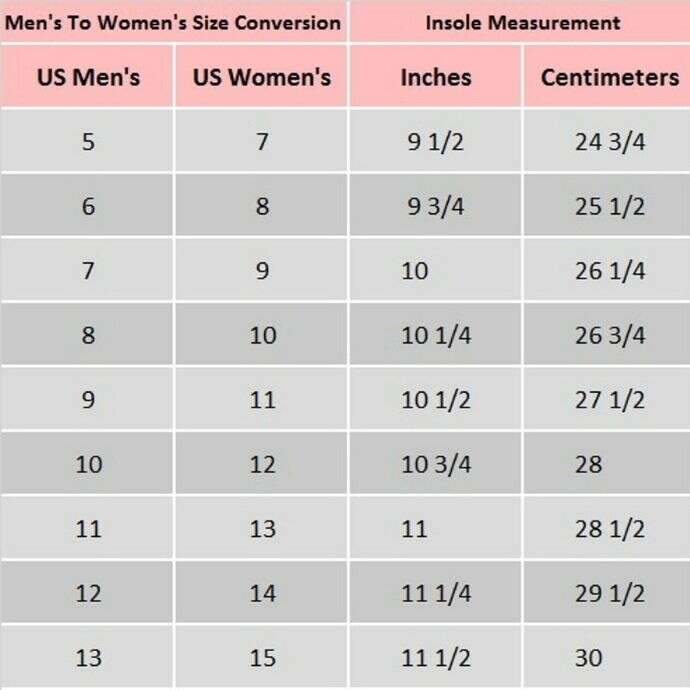
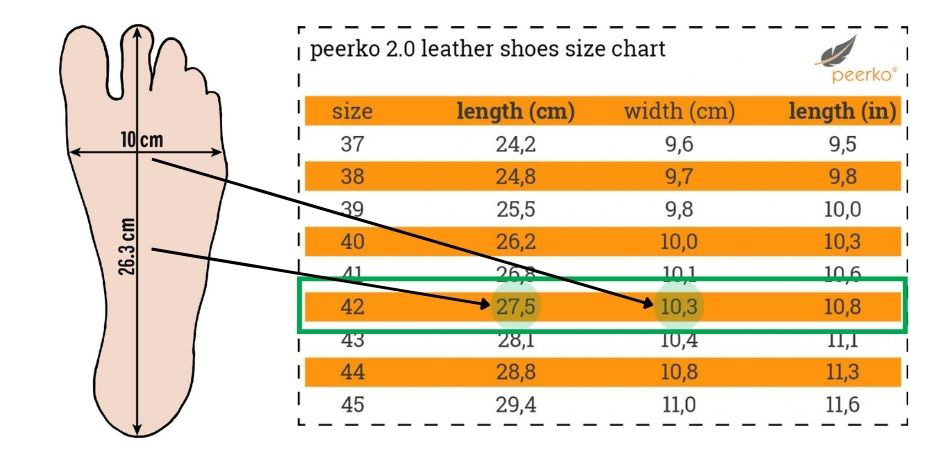
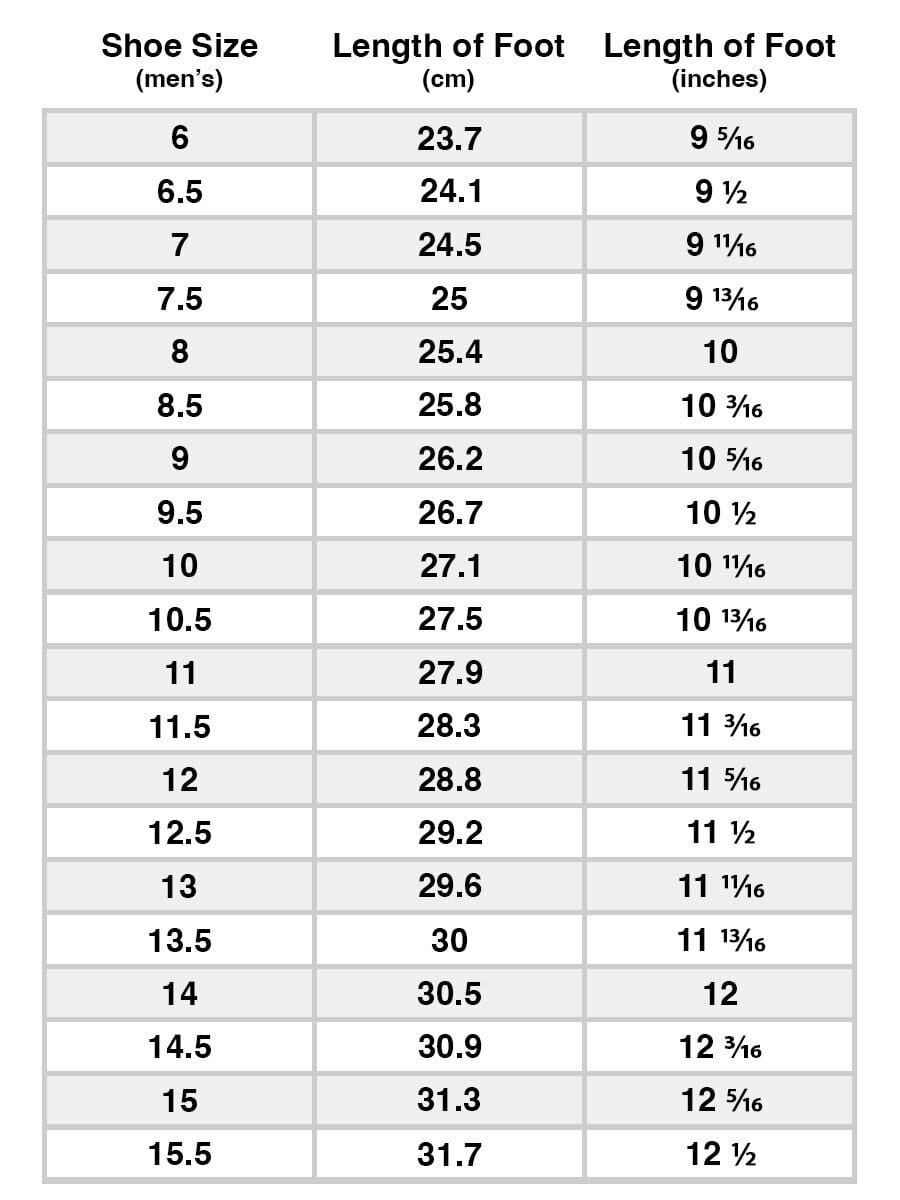
- Convert cm to size using a size chart. Most charts map foot length in cm to US, UK, and EU sizes.
- Quick formula for US men’s size: (Length in inches × 3) – 22. For women’s roughly add 1.5 sizes smaller: (Length in inches × 3) – 20. These give rough ballpark sizes.
- Always use the brand’s specific size chart. Sizes vary by maker and shoe type.
- For widths, match your measured width to the brand’s width chart. If a brand lists only letters, compare your width to their millimeter or inch guidance.
Keep both numbers. Knowing how to measure foot for shoe size and width and then using the brand chart is the most accurate route.
Shoe width systems explained
Different regions and brands use different width systems. Here’s a simple breakdown for readers learning how to measure foot for shoe size and width.
- US and Canada
- Men: B (narrow), D (standard), 2E/EE (wide), 4E (extra wide)
- Women: A/AA (narrow), B (standard), D (wide)
- UK
- Uses letters and numbers similar to US but may run narrower.
- EU
- Often uses numeric width codes or a simple narrow/regular/wide label.
- Brannock Device
- The standard tool used in most shoe stores gives both length and width and is reliable for converting to brand sizes.
When in doubt, measure and consult the brand chart. That clears confusion and prevents returns.

Special cases: children, bunions, high arches, and orthotics
Not everyone fits standard charts. Here’s how to measure in special situations when learning how to measure foot for shoe size and width.
- Children
- Measure often. Kids’ feet grow fast. Add small allowance for growth depending on activity.
- Bunions or wide forefeet
- Measure width and choose brands with wide or extra-wide options. Try styles with stretch or soft uppers.
- High arches
- Width might seem narrow. Test fit midfoot and heel support. Consider insoles with arch support.
- Orthotics and insoles
- Measure feet with orthotics in place. Remove factory insoles to test fit if using custom orthotics.
When special needs exist, shop brands known for comfort and fit. Trying different lasts helps.
Common mistakes and how to avoid them
People often mismeasure. Avoid these simple errors when you learn how to measure foot for shoe size and width.
- Measuring seated or without weight — standing gives true size.
- Using the wrong socks — match the sock thickness to intended shoe use.
- Ignoring the larger foot — always size to the larger foot.
- Not accounting for toe room — shoes without toe space cause pain.
- Skipping brand charts — size varies by maker.
Take time to measure right. It saves returns and foot pain.

Personal experience and practical tips
I used to buy the same size across brands and ended with blisters. After measuring both feet and checking width, my shoe comfort improved dramatically. Here are practical tips I learned:
- Measure in the afternoon. Feet swell after activity.
- Keep a running log of your foot length and width in centimeters.
- When shopping online, compare your measurements to the product’s internal length and width.
- If between sizes, go larger for running shoes and slightly smaller for dress shoes if toe room is correct.
These small habits helped me avoid returns and find shoes that last.
People also ask
How often should I measure my feet?
Measure at least once a year or when you notice discomfort. Kids and people with weight changes should measure more often.
Should I measure barefoot or with socks?
Measure with the socks you plan to wear with the shoes. For most everyday shoes, thin socks are typical.
Can foot width change over time?
Yes. Age, weight changes, pregnancy, and activity can change foot width and shape. Re-measure periodically.
Frequently Asked Questions of how to measure foot for shoe size and width
How do I know which foot size to use if my feet are different?
Use the larger foot measurement to choose a size and width. Fit to the bigger foot reduces pressure and discomfort.
How much extra length should I leave for running shoes?
Leave about 0.25 to 0.5 inch (6–12 mm) of toe room for running shoes to allow for foot movement during activity.
Are shoe sizes consistent across brands?
No. Sizes vary across brands and styles, so always check a brand-specific size chart after measuring.
Can I measure my foot with a cloth tape measure?
Yes. For width, wrap a cloth tape around the widest part. For length, tracing on paper is often simpler and more accurate.
What if I fall between two widths?
If between widths, choose the wider option for comfort, or try shoes with stretch or adjustable lacing to fine-tune fit.
Conclusion
Measuring both length and width is the best way to buy shoes that feel good and protect your feet. Use simple tools, measure standing, record both feet, and always check brand charts. Start today: measure your feet, save the numbers, and use them when you shop. If you found this useful, try your method now, share your results, or leave a comment about your experience.

Michael Smith is the Content Strategist behind The Style Hub, where fashion meets function. With a keen eye for trends and a passion for everyday style, he curates content that helps readers make smarter, more stylish choices—from the perfect pair of sneakers to must-have accessories. Michael specializes in breaking down fashion into practical, wearable insights, making style accessible for everyone. When he’s not researching the latest trends, he’s exploring how comfort, innovation, and timeless design come together in modern fashion.