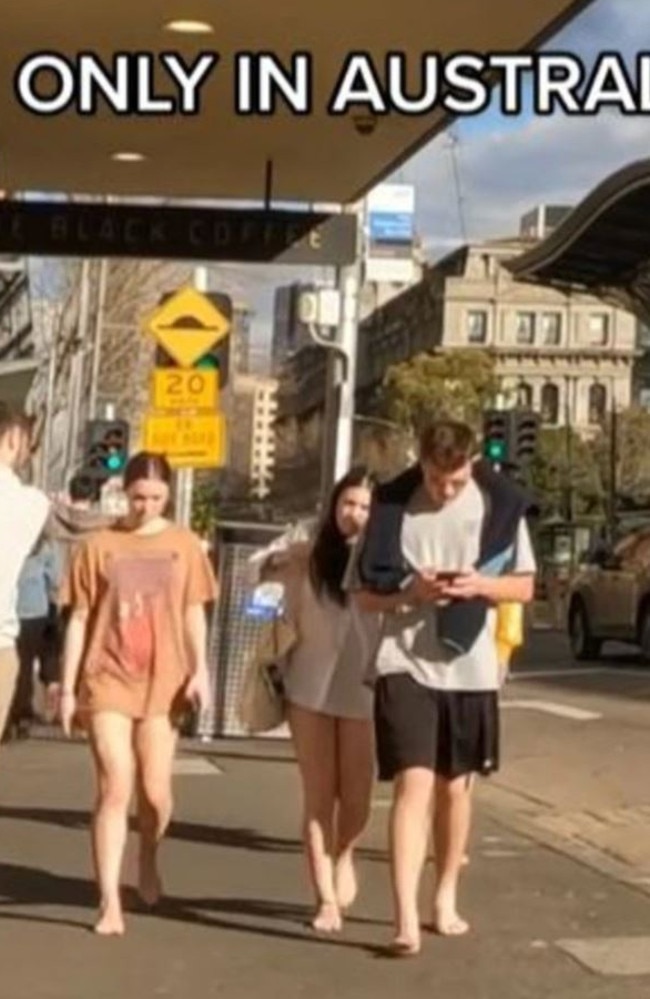
No — it is not illegal to wear shoes in Australia; there is no blanket law banning footwear.
I’ve spent years researching rules, visiting workplaces, and traveling across Australian states, and I can confidently say the question, is it illegal to wear shoes in Australia, springs more from myths than law. This article walks through national and local rules, workplace safety, private property rights, cultural practices, and real-life examples so you can understand when shoes matter and when they don’t. Read on to learn clear, practical answers and prepare for common situations you’ll face in Australia.
Legal overview: national law, states, and common myths
There is no federal law that says is it illegal to wear shoes in Australia. The plain truth is wearing shoes is a personal choice protected by no single nationwide prohibition. Most laws that touch footwear focus on safety, hygiene, or property rights rather than banning shoes.
Workplace health and safety rules often require specific footwear. Employers must provide a safe workplace and may set rules that make certain shoes mandatory. In those cases, failing to wear the required footwear can get an employee disciplined or lead to safety notices from regulators.
Private property owners can set rules for entry. A business or homeowner can ask you to remove or put on shoes. Refusing to follow a reasonable entry rule can result in refusal of service or removal for trespass, but not criminal prosecution for simply wearing shoes.
Local rules and biosecurity measures sometimes affect footwear. Certain parks and conservation areas may require cleaning footwear to limit disease spread. Some cultural or religious sites may ask visitors to remove shoes as a sign of respect.
Is it illegal to wear shoes in Australia? No, generally not. But in specific places, rules or safety needs can control footwear use.

Source: nytimes.com
Where footwear rules commonly apply
Here are common contexts where footwear rules matter and what you should expect.
- Workplaces
Employers may require closed-toe or steel-capped boots on worksites. These rules stem from health and safety laws and can be enforced by inspectors. - Food service and healthcare
Kitchens and clinics often require enclosed shoes for hygiene and safety. Staff must comply to meet licensing and safety standards. - Construction and industrial sites
Hard hats, high-visibility gear, and safety boots are common. Lack of proper footwear can halt work or lead to penalties for the employer. - Private businesses and venues
Clubs, restaurants, and private venues can set dress codes. They may refuse entry if you don’t meet those codes. - Religious and cultural sites
Some temples, mosques, and private cultural spaces ask visitors to remove shoes as a sign of respect. - Parks and biosecurity zones
Certain protected areas ask visitors to clean boots before entry to halt pests and pathogens. These are conservation rules, not general bans on shoes. - Schools and childcare
Schools may have uniform policies about footwear for safety and uniformity.
These rules are mostly about safety, hygiene, or respect. They are not criminal bans on wearing shoes across Australia.

Source: youtube.com
Penalties, enforcement, and legal consequences
Wearing or not wearing shoes rarely leads to criminal charges. Instead, consequences focus on compliance and safety.
- Employer enforcement
Noncompliance with footwear rules at work can lead to disciplinary action or being sent home. Regulators can issue improvement notices to employers that fail to enforce safety rules. - Refusal of service or trespass
Private venues can refuse entry or ask someone to leave. If the person refuses, the venue may rely on trespass laws to remove them. - Fines for businesses
Businesses that ignore health, safety, or licensing rules related to footwear can face fines or orders from regulators. Penalties target the business or employer, not the customer’s choice to wear shoes. - Biosecurity and conservation penalties
Some parks have strict rules to protect threatened species or habitats. Failing to follow cleaning or footwear restrictions could result in fines under park regulations.
Overall, the legal risk to an individual for simply wearing shoes is very low. The real risks are failing to follow specific rules where footwear is regulated.

Source: nytimes.com
Practical examples and personal experiences
I have worked on travel guides and visited many Australian venues. Here are real situations I’ve seen.
- On a construction site in Queensland I was told to change into safety boots before stepping onto the site. The foreman explained it was a legal safety requirement. I complied and work resumed.
- At a small coastal cafe, staff politely asked patrons to leave if they arrived bare-chested or intoxicated. Footwear was not the issue, but venue rules mattered and were enforced.
- Visiting a remote conservation reserve, rangers asked everyone to disinfect boots before entry. The goal was to stop a plant disease. It showed how footwear can be regulated for ecological reasons.
Lessons learned: expect rules in workplaces and some parks, be ready to comply, and treat private entry rules like any other condition of service.

Source: youtube.com
Tips for visitors and residents: what to pack and expect
Keep these practical tips in mind to avoid awkward moments.
- Pack versatile footwear. Carry closed-toe and casual shoes when you travel in Australia.
- Follow workplace rules. If you are visiting a site, confirm safety requirements in advance and bring appropriate shoes.
- Respect cultural norms. If a religious site asks you to remove shoes, follow the request courteously.
- Clean boots when required. For national park visits, carry a brush and clean footwear if asked.
- Be prepared for weather. Beaches, cities, and bushland need different footwear for safety and comfort.
These small steps keep you safe and help you avoid disputes about footwear.
Source: com.au
People Also Ask (PAA) style questions
What happens if you don’t wear safety shoes at work?
Employers can stop you from working or take disciplinary steps. Workplace regulators may issue notices if safety rules are not enforced.
Can a store refuse service for wearing shoes?
A store cannot refuse service simply for wearing shoes. A store can enforce its dress code and refuse entry if rules are not met.
Are there laws about barefoot driving in Australia?
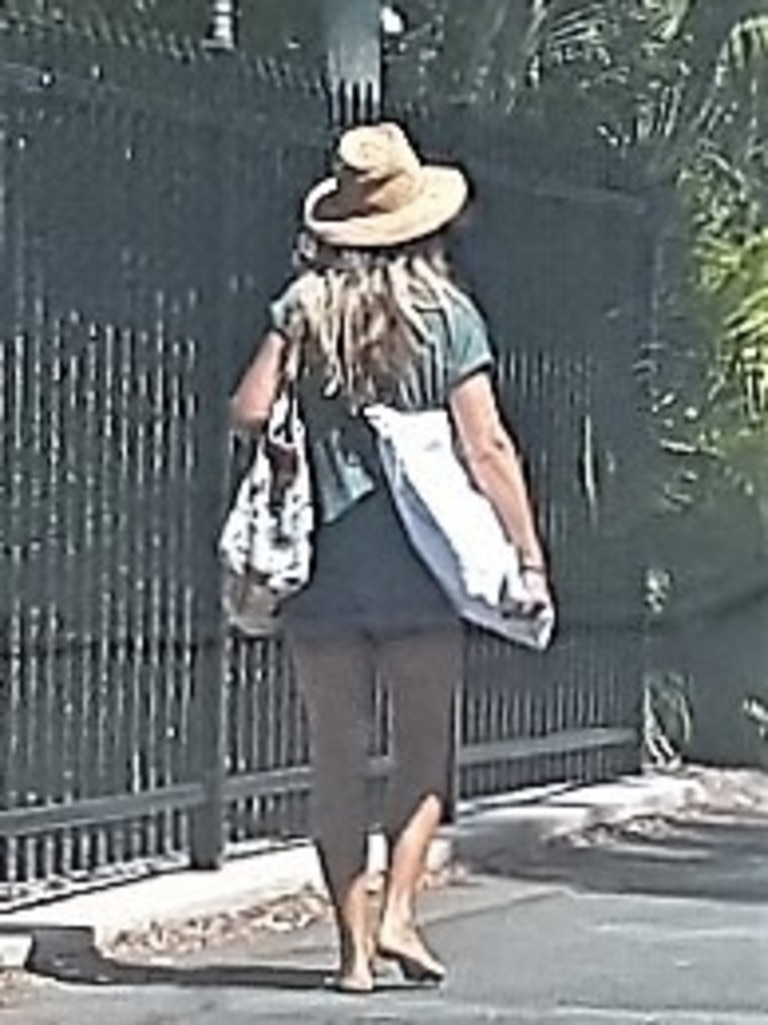
There is no federal law banning barefoot driving, but some states advise against it for safety. Police can act if barefoot driving is judged to be dangerous.

Source: youtube.com
Frequently Asked Questions of is it illegal to wear shoes in australia
Is it illegal to wear shoes in Australia in public places?
No, wearing shoes in public is not illegal. Public places generally allow shoes, and rules focus on specific contexts like safety or hygiene.
Can employers legally force employees to wear certain shoes?
Yes, employers can require specific footwear for safety or hygiene. These rules fall under workplace health and safety obligations.
Can I be fined for wearing shoes in a national park?
You are unlikely to be fined merely for wearing shoes, but some parks require cleaning of footwear or restrict certain types of footwear to protect the environment. Fines can apply for noncompliance with park rules.
Are there cultural places where I must remove my shoes?
Yes, many religious and cultural sites ask visitors to remove shoes as a sign of respect. Follow signs and staff requests to comply.
Could a business make me remove my shoes to enter?
Yes, a business can set an entry condition asking you to remove shoes. If you refuse, they can refuse service or ask you to leave under trespass rules.
Does Australia have any law against barefoot walking?
No national law prohibits walking barefoot. Local rules or private property owners might set restrictions for safety or hygiene.
Do workplace inspectors fine employees for not wearing shoes?
Inspectors typically focus on employers’ obligations. Fines or notices usually target the employer for failing to enforce safety requirements.
Conclusion
Wearing shoes in Australia is broadly legal and normal. The question, is it illegal to wear shoes in Australia, is mostly a myth; exceptions exist only in targeted contexts like workplace safety, private property rules, cultural sites, and certain conservation measures. Be prepared, respect posted rules, and carry appropriate footwear for work, travel, and sensitive environments. Takeaway: check venue rules beforehand, follow safety requirements, and pack a pair of reliable shoes the next time you head out. If this helped, share your experiences or ask a question below — I’ll respond based on real visits and research.

Michael Smith is the Content Strategist behind The Style Hub, where fashion meets function. With a keen eye for trends and a passion for everyday style, he curates content that helps readers make smarter, more stylish choices—from the perfect pair of sneakers to must-have accessories. Michael specializes in breaking down fashion into practical, wearable insights, making style accessible for everyone. When he’s not researching the latest trends, he’s exploring how comfort, innovation, and timeless design come together in modern fashion.