
What Are Shoes For Diabetics: Best Footwear Guide
Shoes for diabetics are specially designed to protect sensitive feet, reduce pressure, and help prevent sores and injuries.
If you have diabetes, the right shoes do more than improve comfort. They can help protect against blisters, cuts, pressure points, and wounds that may heal slowly. This guide explains what shoes for diabetics are, how they work, what features matter most, and how to choose a safe pair for daily life.
What Are Shoes for Diabetics?
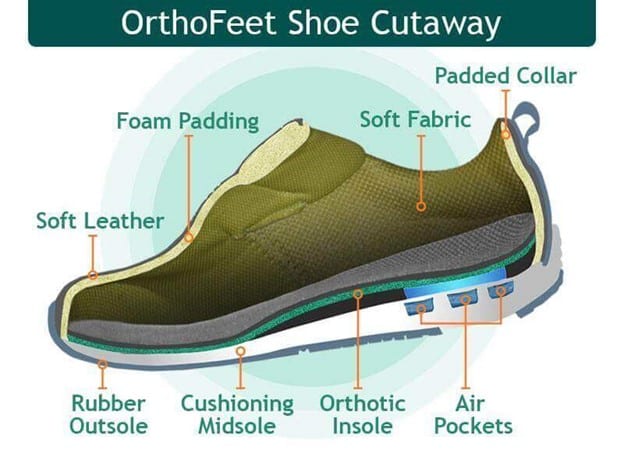
Shoes for diabetics are footwear made to reduce foot stress and protect people who may have diabetes-related foot problems. They usually have a wide toe box, soft materials, extra depth, smooth interiors, and cushioning that spreads pressure across the foot.
Diabetes can damage nerves and reduce blood flow. This may cause numbness, tingling, dry skin, or slow healing. As a result, a person may not feel a small stone, tight seam, or rubbing spot inside a shoe.
Shoes for diabetics act like a protective shell. They do not treat diabetes or repair nerve damage, but they can lower the chance of common foot injuries when they fit well and are used with daily foot checks.
Why Do People With Diabetes Need Special Shoes?
High blood sugar over time can affect nerves and blood vessels. Nerve damage, called diabetic peripheral neuropathy, may reduce feeling in the feet. Poor circulation can also make it harder for cuts and blisters to heal.
A regular shoe may create pressure in places you cannot feel. A narrow toe box can squeeze the toes. A hard seam can rub the skin. A loose shoe can cause your foot to slide and form a blister.
Foot ulcers are one of the most serious risks. They are open sores that may become infected. The American Diabetes Association and other clinical groups advise people with diabetes to manage blood sugar, inspect their feet, and wear well-fitting protective shoes.
Shoes for diabetics are especially helpful for people who have:
• Numbness or reduced feeling in the feet
• A history of blisters, sores, or foot ulcers
• Bunions, hammertoes, or other foot changes
• Calluses caused by repeated pressure
• Poor circulation
• Charcot foot or other diabetes-related foot problems
• An amputation or a high risk of foot injury
Not everyone with diabetes needs a medical-grade shoe. However, everyone with diabetes benefits from shoes that fit well and protect the feet.

Key Features of Shoes for Diabetics
The best shoes for diabetics are not defined by a single brand. They are defined by fit, protection, comfort, and suitability for your foot health.
Wide and Deep Toe Box
A wide toe box gives your toes room to spread. Extra depth helps prevent the top of the shoe from pressing against your toes or toenails.
Your toes should not touch the front of the shoe. You should also be able to wiggle them freely. A pointed or narrow shoe may look stylish, but it can create pressure and rubbing.
Seamless or Smooth Interior
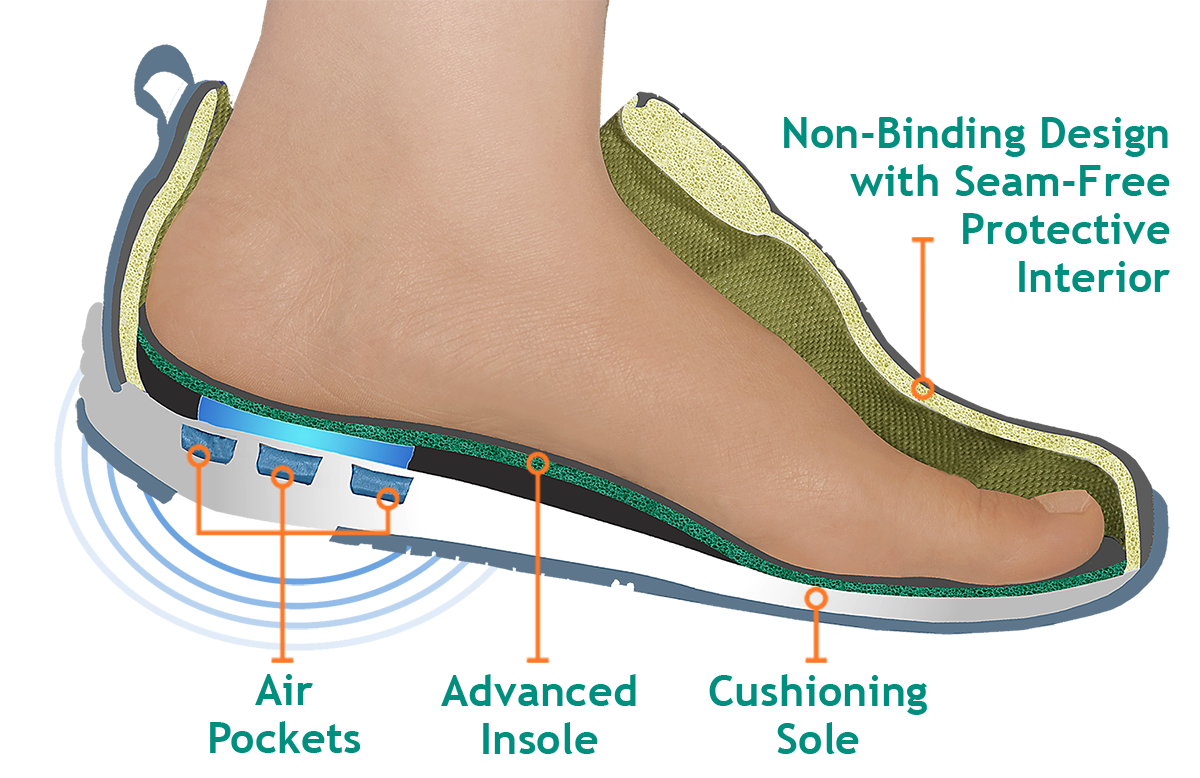
Seams, stitching, and rough areas may irritate sensitive skin. Shoes for diabetics often use smooth linings to reduce friction.
Run your hand around the inside of a shoe before wearing it. Look for lumps, sharp edges, loose threads, or rough patches. Even a small defect can cause trouble when feeling is reduced.
Cushioned, Supportive Insole
A cushioned insole can help absorb shock. Good support may also reduce stress on the heel, arch, and ball of the foot.
The insole should not be so soft that your foot sinks or becomes unstable. In some cases, a custom orthotic made by a podiatrist is safer than a standard insert.
Flexible but Stable Sole
A sole should bend near the toes but still protect the bottom of the foot. It should provide enough grip to reduce slips on common surfaces.
Very thin soles may allow sharp objects or rough ground to hurt the foot. Very stiff shoes may restrict movement and create new pressure points. The best balance depends on your foot shape and activity.
Adjustable Closures
Laces, hook-and-loop straps, or adjustable bands help you control the fit. They are often better than slip-on shoes that are too loose or too tight.
Your feet may swell during the day. Adjustable shoes for diabetics allow small changes without squeezing the foot.
Breathable Materials
Leather, mesh, and other breathable materials can help reduce heat and moisture. Damp skin is more likely to become soft, irritated, or damaged.
Breathability is helpful, but it does not replace clean socks and daily foot care. Change socks when they become wet.
Types of Shoes for Diabetics
Different shoes for diabetics serve different needs. The right type depends on your health, routine, foot shape, and medical advice.
Diabetic Walking Shoes
Walking shoes for diabetics usually have cushioning, a stable heel, and a roomy front. They work well for errands, light exercise, and daily use.
Choose a pair with a secure closure and a sole that grips the ground. Begin with short walks and check your feet afterward.
Diabetic Work Shoes
Work shoes for diabetics should match your job. If you stand for long hours, look for cushioning and strong support. If you work outdoors, choose shoes that protect against moisture, rough ground, and temperature changes.
Safety-toe shoes may be needed in some workplaces. Make sure the safety toe does not squeeze your toes or create pressure on the top of the foot.
Diabetic Dress Shoes
Dress shoes for diabetics are available with wider shapes, soft uppers, and cushioned footbeds. Avoid choosing formal shoes based only on appearance.
A dress shoe should still allow toe movement and provide a secure fit. If you must wear formal footwear, use it for shorter periods and inspect your feet afterward.
Diabetic Sandals
Some sandals for diabetics have adjustable straps, cushioned soles, and protected toe areas. Open shoes may expose your feet to cuts, burns, dirt, and insects.
Ask your health care professional whether sandals are safe for you. People with numbness or a history of ulcers may need fully enclosed shoes instead.
Medical-Grade or Extra-Depth Shoes
Medical-grade shoes for diabetics provide more space and protection. They may work with custom inserts or braces.
Some people qualify for therapeutic shoes through insurance or a medical program. A podiatrist or diabetes care team can assess your needs and recommend the correct style.

How to Choose the Right Shoes for Diabetics
Shopping for shoes for diabetics takes more care than choosing a casual pair. Use these steps to improve your chance of getting a safe fit.
-
Shop later in the day. Feet often swell as the day goes on. Shoes that fit in the morning may feel tight later.
-
Wear your usual socks. Thick socks can change the fit. Bring the type of socks you expect to wear with the shoes.
-
Measure both feet. One foot is often slightly larger. Choose a size that fits the larger foot.
-
Stand while trying on shoes. Your foot spreads when you stand. Check the length, width, and toe room in this position.
-
Walk on a clean indoor surface. Take several steps. Notice any rubbing, slipping, pinching, or pressure.
-
Check the inside by hand. Feel for seams, lumps, folds, or hard areas before putting the shoe on.
-
Leave enough space. Aim for about a thumb’s width between your longest toe and the front of the shoe, unless your clinician advises otherwise.
-
Break them in slowly. Wear new shoes for 30 to 60 minutes at first. Remove them and inspect your feet.
-
Stop if you see irritation. Redness, blisters, swelling, or sore spots are warning signs. Do not assume the shoe will “break in” safely.
A useful fitting lesson is simple: comfort is not the only test. A numb foot may feel fine while damage is already starting. Look at your feet after wearing new shoes, just as you would check a dashboard warning light.

How Should Shoes for Diabetics Fit?
Shoes for diabetics should feel secure without squeezing. Your heel should stay in place, while your toes should have room to move.
The widest part of your foot should match the widest part of the shoe. The shoe should not press on a bunion, hammertoe, callus, or swollen area.
Avoid shoes that are:
• Too short
• Too narrow
• Loose at the heel
• Rigid over a toe deformity
• Rough inside
• Worn down on one side
• Tight because you hope they will stretch
Never rely only on shoe size. Sizes vary between brands and styles. Fit matters more than the number printed inside the shoe.
If you have severe numbness, an ulcer, a foot deformity, or a major difference between your feet, ask a podiatrist to assess the fit. A professional may recommend pressure testing or custom footwear.
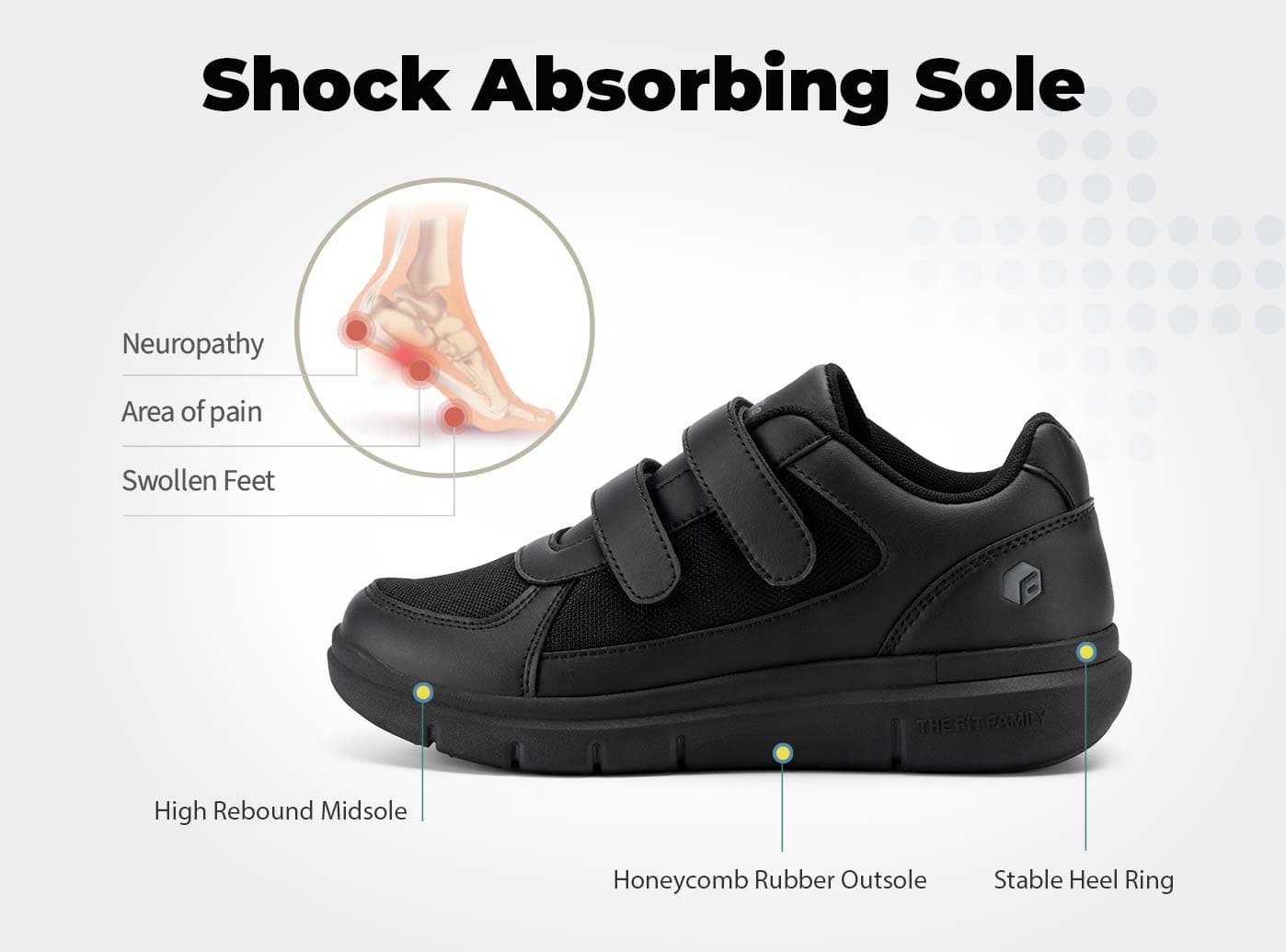
Socks and Insoles Matter, Too
Shoes for diabetics work best with the right socks. Choose clean socks that fit smoothly and do not leave deep bands around the ankle.
Good sock choices may include:
• Moisture-wicking fabric
• Flat or minimal seams
• A nonbinding top
• Adequate cushioning
• A proper fit without bunching
Avoid walking barefoot, even at home, if you have reduced sensation. A small object, hot floor, or rough surface can injure your foot without causing pain.
Insoles should fit flat inside the shoe. Replace them when they become compressed or uneven. Do not add several inserts, since this can reduce toe room and increase pressure.
Custom insoles may help if you have high arches, flat feet, a deformity, or repeated pressure in one area. Use them only as directed by a qualified professional.

Common Mistakes to Avoid
Many foot problems begin with small choices. Avoid these common mistakes when buying and wearing shoes for diabetics.
• Wearing new shoes all day on the first day
• Buying shoes that feel tight because they look good
• Using worn shoes with uneven soles
• Ignoring redness or a hot spot
• Walking barefoot outdoors or indoors
• Wearing damp socks
• Cutting calluses with a blade
• Using corn pads without medical advice
• Assuming numbness means there is no injury
• Buying shoes online without checking the return policy
One practical rule is worth remembering: pain is not required for a foot injury to be serious. Check your feet every day with good light. Use a mirror to see the bottoms, or ask someone you trust for help.
Contact a health professional promptly if you notice a wound, spreading redness, warmth, swelling, drainage, discoloration, or a sore that does not improve.
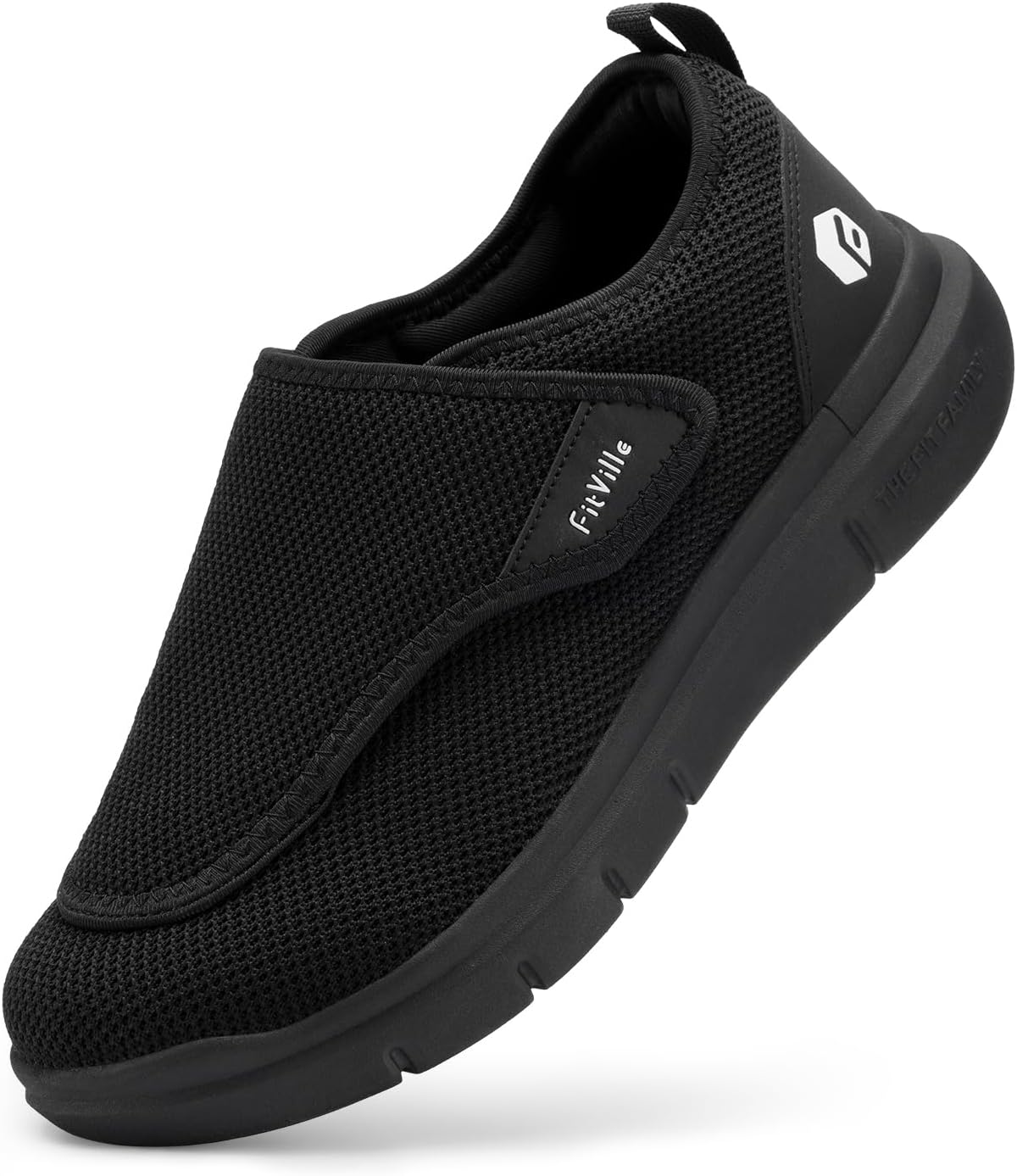
How to Care for Shoes for Diabetics
Proper care helps shoes for diabetics stay safe and comfortable.
Keep shoes dry and clean. Let them air out between uses if they become damp. Do not wear the same pair every day if it does not have enough time to dry.
Inspect the soles for cracks, sharp objects, and uneven wear. Check the inside for rough areas or collapsed padding. Replace shoes when they lose support or cause new pressure.
Rotate between two suitable pairs when possible. This can reduce moisture and give each pair time to recover. Still, every pair must fit well and pass a careful inspection before use.
When Should You See a Podiatrist?
A podiatrist can help you choose shoes for diabetics when ordinary footwear is not enough. This is especially important if you have nerve damage, poor circulation, a previous ulcer, or a foot shape that causes repeated pressure.
Seek medical care quickly for:
• A new cut or blister
• A foot ulcer
• Redness or warmth
• Swelling
• Pus or drainage
• A black, blue, or unusually pale area
• Fever with a foot wound
• Sudden changes in foot shape
Do not wait for pain. Nerve damage may hide the warning. Early treatment can reduce the chance that a small problem becomes a serious infection.
A clinician may suggest therapeutic shoes, custom orthotics, a total-contact insert, or temporary off-loading. These options are more specialized than ordinary shoes for diabetics and should be fitted carefully.
Are Shoes for Diabetics Covered by Insurance?
Coverage depends on your plan, location, diagnosis, and medical records. In the United States, some people with diabetes may qualify for therapeutic shoes and inserts through Medicare when they meet specific conditions.
A qualified clinician usually needs to document diabetes and related foot risks. The shoes may also need to come from an approved supplier and be fitted correctly.
Before buying, ask your diabetes care team and insurance provider:
• Do I qualify for therapeutic footwear?
• Do I need a prescription?
• Is a podiatrist required for the fitting?
• Which suppliers are covered?
• What costs will I pay?
Do not assume every product labeled “diabetic” qualifies for coverage. Marketing terms and medical benefits are not always the same.
Frequently Asked Questions About What Are Shoes for Diabetics
What are shoes for diabetics made for?
Shoes for diabetics are made to protect the feet from pressure, rubbing, impact, and small objects. They often include extra room, smooth interiors, cushioning, and adjustable closures.
Can anyone with diabetes wear regular shoes?
Some people with diabetes can wear well-fitting regular shoes, especially when they have normal sensation and no foot problems. A health professional should guide you if you have neuropathy, poor circulation, deformities, or a history of ulcers.
Are diabetic shoes the same as orthopedic shoes?
They can overlap, but they are not always the same. Diabetic shoes focus on pressure reduction and protection, while orthopedic shoes may address joint alignment, deformity, or movement problems.
Should diabetic shoes be tight for better support?
No. Shoes for diabetics should be secure but not tight. A tight shoe can reduce circulation and create pressure that may lead to blisters or sores.
How often should I replace shoes for diabetics?
Replace them when the sole wears unevenly, the cushioning collapses, or the inside becomes rough. The correct timing depends on how often you wear them, your activity, and the condition of your feet.
Can I wear sandals if I have diabetes?
Some people can wear protective, adjustable sandals, but sandals may expose the feet to injury. If you have numbness, poor circulation, or a history of ulcers, ask your clinician before wearing open footwear.
Do diabetic shoes prevent foot ulcers?
They may reduce pressure and friction, which can lower risk, but they cannot prevent every ulcer. Daily foot checks, blood sugar care, proper socks, and regular medical visits are also important.
Conclusion
Shoes for diabetics help protect sensitive feet by reducing pressure, limiting friction, and giving the toes more room. The best pair should fit well, feel stable, have a smooth interior, and match your health needs.
Check your feet each day, break in new shoes slowly, and replace footwear that creates pressure or shows heavy wear. If you have numbness, a foot deformity, or a history of sores, ask a podiatrist about therapeutic shoes or custom inserts.
Your feet deserve daily protection, not just attention after a problem starts. Use this guide when shopping, discuss your needs with your care team, and explore trusted diabetes foot-care resources before making your next purchase.

Michael Smith is the Content Strategist behind The Style Hub, where fashion meets function. With a keen eye for trends and a passion for everyday style, he curates content that helps readers make smarter, more stylish choices—from the perfect pair of sneakers to must-have accessories. Michael specializes in breaking down fashion into practical, wearable insights, making style accessible for everyone. When he’s not researching the latest trends, he’s exploring how comfort, innovation, and timeless design come together in modern fashion.