Are Converse Shoes Good For Walking: Comfort Guide
Converse shoes can work for short walks, but they lack the support many walkers need.
Are Converse shoes good for walking? The answer depends on your feet, walking distance, and the shoe model. Classic Chuck Taylors are stylish, light, and easy to wear, but their flat soles and limited cushioning may cause discomfort during long walks. This guide explains their strengths, limits, and the best ways to decide if they fit your daily routine.
Are Converse shoes good for walking?
Converse shoes are suitable for short, casual walks on fairly even ground. You can wear them for errands, a walk around campus, or a relaxed trip through town. They are not usually the best choice for long walks, brisk walking, hiking, or daily fitness walking.
The main issue is support. Classic Converse shoes have a flat rubber sole, a thin footbed, and little built-in arch support. They also offer less shock absorption than walking shoes from brands that focus on comfort and motion control.
For some people, this simple design feels comfortable. Others may notice sore heels, tired arches, or aching legs after only a few hours. So, are Converse shoes good for walking? They can be, but only when the distance, surface, and fit match your needs.
What makes Converse shoes comfortable for some people?
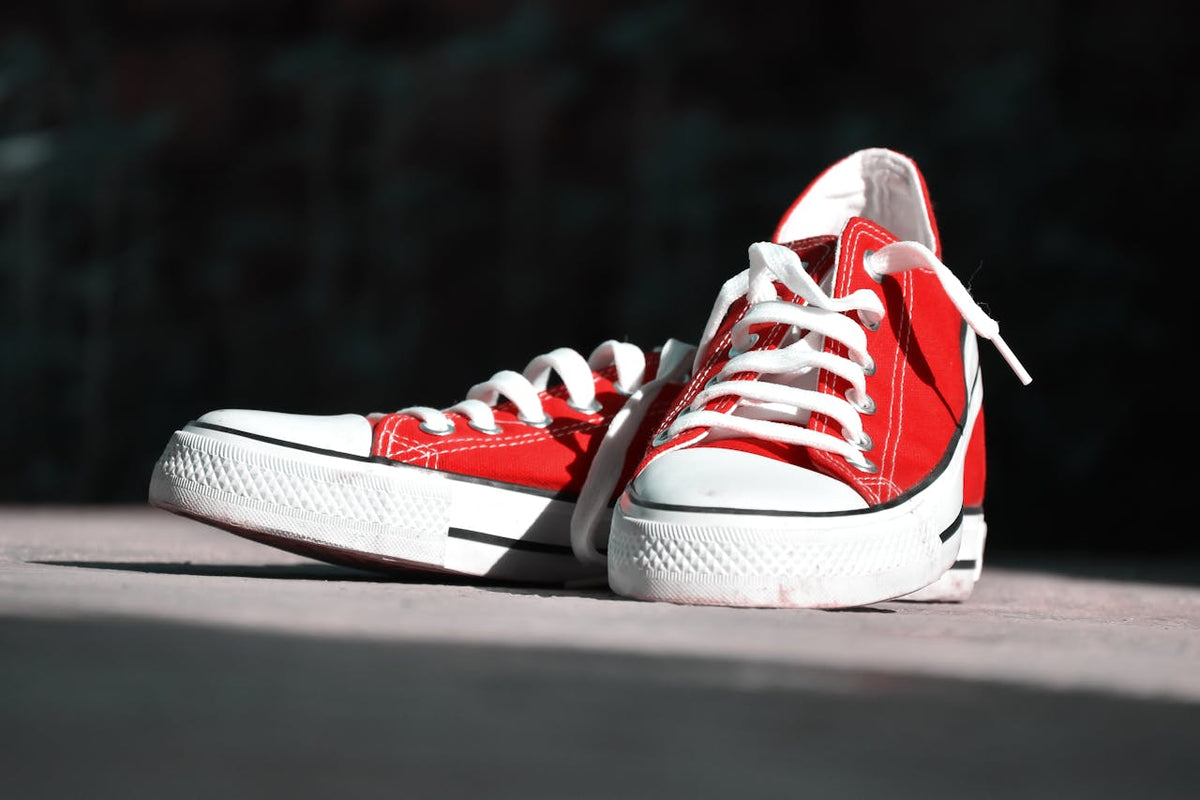
Converse shoes have several features that make them appealing for everyday use. Their comfort often comes from their flexible design and familiar fit rather than from advanced walking technology.
Lightweight construction
Most Converse sneakers feel light on the feet. This can make short walks feel easy, especially when compared with heavy boots or stiff casual shoes.
A lighter shoe may also reduce the effort needed to lift each foot. However, low weight does not always mean good support. A shoe can feel easy to wear at first and still lack the cushioning needed for a long day.
Flexible upper
Canvas Converse models bend more easily than many leather sneakers. This flexibility may suit people who like a natural feel while walking.
The canvas upper also allows some airflow. In warm weather, this can help your feet feel less hot. Breathability depends on the model, socks, weather, and how tightly you lace the shoes.
Wide, simple toe area
Many classic Converse styles have a fairly roomy front. This can help your toes spread more naturally, especially if you choose the correct size.
Still, the toe box can feel narrow for people with wide feet. A tight toe area may lead to rubbing, blisters, or pressure on the toes. Always try the shoes on with the socks you plan to wear.
Flexible everyday style
Converse shoes work well with jeans, shorts, and casual clothes. Their familiar look makes them easy to wear from a morning errand to a casual lunch.
That style benefit matters. The best shoe is one you will actually wear. Yet appearance should not replace comfort when you plan to walk several miles.

What are the drawbacks of walking in Converse?
Classic Converse sneakers were designed as casual athletic shoes, not modern walking shoes. Their design can create problems during long or repeated walks.
Limited arch support
Classic Converse shoes usually have little molded arch support. The insole is often flat and thin.
This may not bother people with healthy feet and a neutral walking pattern. It can be a problem for people with flat feet, high arches, plantar fasciitis, or a history of foot pain.
A supportive insole may improve the fit. However, an insert can make the shoe too tight. Check the space above your toes and around the sides after adding one.
Minimal cushioning
Walking creates repeated impact. Each step sends force through the heel, ankle, knee, and hip.
Converse shoes often provide less cushioning than dedicated walking sneakers. You may notice this most on concrete, sidewalks, and other hard surfaces. The lack of cushioning can make your feet feel tired after a long day.
Flat soles
The flat sole gives Converse shoes their classic feel. It also means the shoe does not guide your foot in the same way as many walking shoes.
A flat sole is not automatically bad. Some people prefer it, and some studies suggest that comfort is a useful guide when choosing a shoe. Still, a flat, firm sole may not suit people who need more shock absorption or stability.
Little heel support
A good walking shoe should hold the heel firmly without squeezing it. Some Converse models have a simple heel structure with limited padding.
If your heel lifts inside the shoe, your foot may slide. This can cause blisters and make your lower leg work harder. Lace the shoes firmly around the heel, but never so tightly that your foot feels numb.
Slow break-in for some feet
Canvas may soften with use, but the rubber edges and seams can still rub. New Converse shoes may cause blisters before they feel comfortable.
Wear them at home for short periods first. This helps you find pressure points before taking them on a long walk.

Are Converse shoes good for long-distance walking?
For most people, Converse shoes are not the best choice for long-distance walking. A walk of several miles places more demand on cushioning, support, fit, and moisture control.
Long walks can expose problems that do not appear during a short trip. You may start with comfortable feet and finish with hot spots, sore arches, or heel pain. The risk increases when you walk on hard pavement or carry a heavy bag.
Converse may work for a long walk if:
• You have worn the shoes often without pain.
• The shoes fit well and do not cause rubbing.
• You walk at a relaxed pace.
• The route has mostly smooth, level ground.
• You use a supportive insole that fits properly.
Even then, dedicated walking shoes are usually a safer choice. They often include thicker midsoles, better heel structure, stronger traction, and more breathable materials.
If you plan a vacation with many walking days, test your shoes before traveling. Never make a brand-new pair your main travel shoe. A small blister can turn a fun trip into a painful one.
Are Converse shoes good for standing and daily errands?
Converse shoes can be fine for light daily activity. They often work well for short errands, casual office settings, school, and social events.
Standing is different from walking. When you stand for hours, your feet still need pressure relief and support. A flat shoe may feel comfortable at first but tiring later in the day.
Pay attention to these signs:
• Your heels hurt by the end of the day.
• Your arches feel tired or tight.
• Your toes feel cramped.
• Your lower back or knees ache after standing.
• You develop red marks or blisters.
These signs do not prove that Converse shoes caused the problem. They do show that the shoes may not meet your current support needs. Try a cushioned insole, adjust the laces, or change to a more supportive pair.
When people ask, are Converse shoes good for walking at work, the answer depends on the job. They may suit a desk job with brief movement. They are less suitable for hospital staff, retail workers, servers, warehouse workers, or anyone standing and walking for eight or more hours.

Which Converse models are best for walking?
Not all Converse shoes feel the same. Newer models may offer more comfort than the classic Chuck Taylor All Star.
Chuck Taylor All Star
The classic Chuck Taylor has a flat rubber sole and a simple canvas upper. It is best for short walks and casual use.
Its main strengths are style, flexibility, and light weight. Its main limits are thin cushioning and modest arch support.
Chuck 70
The Chuck 70 often feels more substantial than the classic All Star. It may have a slightly more supportive feel, better padding, and a sturdier sole.
It is still a casual sneaker, not a specialized walking shoe. Some people find it more comfortable for daily wear, but personal fit matters most.
Run Star and platform styles
Platform and Run Star models have thicker soles. The extra material may add some cushioning, but it can also add weight and reduce natural foot movement.
A raised sole may feel less stable on uneven ground. Use care on stairs, gravel, and wet surfaces.
Converse with comfort insoles
Some Converse models include upgraded cushioning or removable insoles. These may be better for walking than basic canvas styles.
Look for features such as: