Does Converse Make Wide Shoes: Best Options For Wide Feet
Yes, Converse makes wide shoes, but wide-width options are limited to select styles and may vary by size and color.
If you love the classic Converse look but often feel pinching at the sides, you are not alone. Converse shoes have a naturally roomy toe box in some models, yet their standard width can still feel narrow for people with broad feet. This guide explains how Converse wide shoes fit, which models to look for, how to measure your feet, and what to do when your preferred pair is not offered in a wide width.
Does Converse Make Wide Shoes?
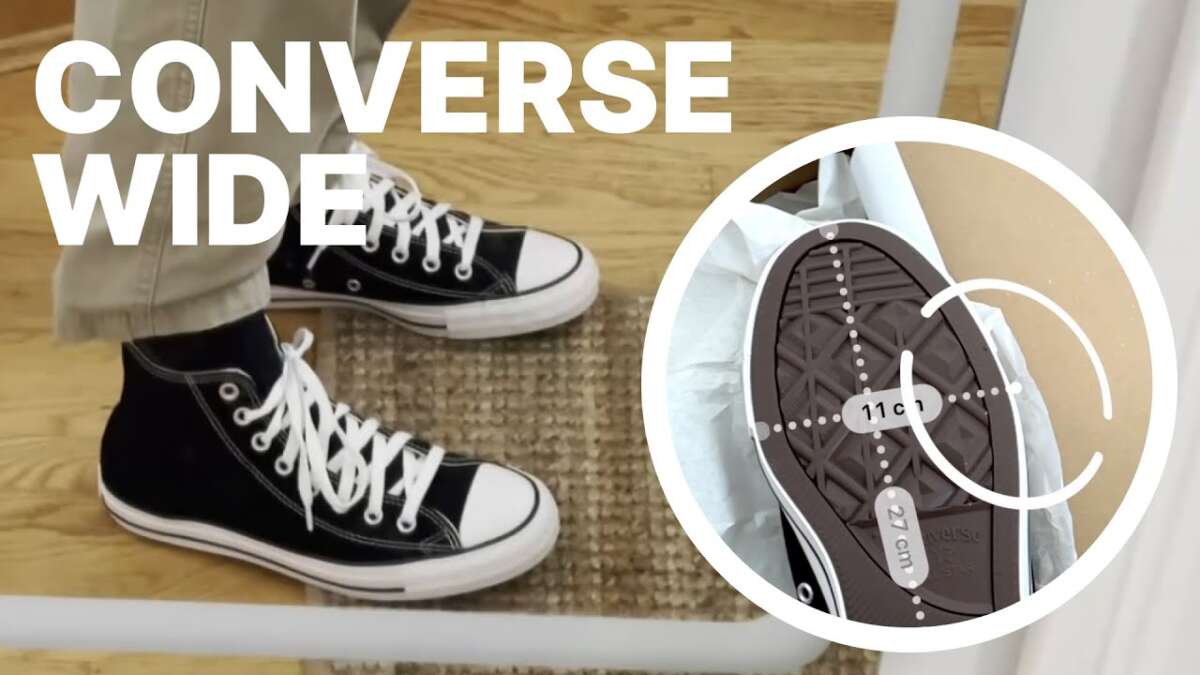
Yes, Converse makes wide shoes in select styles. The brand offers some sneakers in a labeled wide fit, but not every Converse shoe comes in a wide width.
The most common wide options appear in popular casual models, such as certain Chuck Taylor All Star styles. Availability can change by country, size, color, and season. A shoe may be offered in a wide version online but not in every store.
Converse standard shoes often have a narrow-to-average fit through the midfoot. However, the canvas upper can soften with wear. This may help mild pressure, but it will not turn a regular shoe into a true wide shoe.
When shopping, look for width choices marked as:
• Wide
• W
• Wide fit
• Extended width
Do not assume that a larger shoe size will provide the same benefit as a wider shoe. Going up in length can make the heel slip and may cause your foot to slide forward.
How Converse Wide Shoes Fit
Converse wide shoes are made to give your foot more room across the forefoot and midfoot. This extra space can reduce pressure on the little toe, bunion area, and outer edge of the foot.
The exact fit depends on the model. A wide Chuck Taylor may feel different from a wide platform sneaker or a performance-inspired Converse shoe. The sole shape, upper material, lining, and lacing system all affect comfort.
Here is what you may notice in a wide Converse shoe:
• More room across the ball of the foot
• Less rubbing near the little toe
• A more relaxed fit around the midfoot
• Better comfort for bunions or broad forefeet
• Less need to loosen the laces
A wide shoe should feel secure, not loose. Your heel should stay in place when you walk, and your toes should be able to move without touching the front or sides.
From a practical fitting standpoint, width matters most at the widest part of your foot. A shoe that feels fine while sitting may become painful after several hours of walking because feet often swell during the day.

Which Converse Styles Come in Wide Widths?
Converse wide shoes are usually available in selected versions of the brand’s most popular styles. The Chuck Taylor All Star range is often the easiest place to begin, although the exact selection changes.
You may find wide versions among:
• Chuck Taylor All Star sneakers
• Low-top and high-top canvas shoes
• Some seasonal colorways
• Selected platform styles
• Certain comfort or lifestyle collections
The Chuck Taylor All Star is a good starting point because it has a flexible canvas upper and a simple lace system. Still, the classic shape may not suit every broad foot. Some people need more room over the top of the foot, while others need extra space only near the toes.
The Chuck 70 can feel more structured because of its heavier canvas and firmer construction. It may soften over time, but it should not be painfully tight when new.
Platform Converse shoes can also create a different fit. The thicker sole adds height, but it does not always add width. If you need wide Converse shoes, check the width label instead of relying on the shoe’s larger appearance.
Product listings are the best place to confirm current availability. Check the size selector carefully. If it shows only one width, that specific product may not be available as a wide shoe.

Are Regular Converse Shoes Good for Wide Feet?
Regular Converse shoes can work for some wide feet, but they are not a perfect match for everyone. The answer depends on your foot shape, the model, and how much extra space you need.
People with mildly wide feet may find that regular canvas Converse shoes become comfortable after a short break-in period. The upper has some flexibility, and the laces allow small fit changes.
Regular Converse may not work well if you have:
• A prominent bunion
• A very broad forefoot
• Swelling in the feet
• High-volume feet
• Toes that spread widely when standing
• Pain after wearing narrow shoes
A soft upper can stretch, but stretching is not a cure for poor width. If your toes feel compressed, your foot goes numb, or the side of your foot rubs, the shoe is too tight.
A useful rule is simple: mild snugness may improve, but pain is a warning. Do not depend on weeks of wear to force a shoe to fit.

How to Tell If You Need Wide Converse Shoes
Many people buy wide shoes only after years of foot pain. You may need wide Converse shoes if your foot spills over the sole, your toes feel cramped, or the upper bulges at the sides.
Try this quick check:
- Stand on a sheet of paper while wearing the socks you plan to use.
- Trace around your foot or ask someone to help.
- Measure the widest part of your foot.
- Compare both feet, since one foot may be larger.
- Repeat the measurement later in the day.
Feet often become slightly larger after walking or standing. For that reason, measure in the afternoon or evening for a more realistic result.
You may also need a wide fit if:
• Your little toe presses against the upper
• Your toenails hurt after wearing the shoes
• You see red marks along the sides of your feet
• The laces spread widely over the tongue
• The shoe feels tight even when the length is correct
• You remove your shoes because of pressure, not tiredness
Your toes should point forward and spread naturally. They should not overlap or curl to make room.
Converse Wide Shoes Versus Sizing Up
Sizing up and choosing a wide shoe are not the same thing. A larger size adds length, while a wide width adds room across the shoe.
For example, moving from a size 9 to a size 10 may give your toes more side room, but it can also create excess space in front. Your heel may lift, and your foot may slide during each step.
This can lead to:
• Blisters on the heel
• Toe gripping
• Poor balance
• Creasing in the wrong place
• Foot fatigue
• Less control when walking
If your length is correct but the sides feel tight, try a wide width first. If both length and width feel wrong, measure your feet again before ordering.
A longer shoe may look like a quick fix, but it is like wearing a longer glove to solve a palm-width problem. The extra material is in the wrong place.
How to Make Converse More Comfortable for Wide Feet
If wide Converse shoes are unavailable in your preferred style, a few adjustments may improve comfort. These methods work best for mild width issues, not severe pain or foot conditions.
Try these practical steps:
• Choose a low-top style if high-top ankle panels feel restrictive.
• Loosen the laces across the forefoot but keep the heel secure.
• Wear thin, smooth socks to reduce pressure.
• Use a wider replacement insole if the original feels narrow.
• Break in canvas shoes gradually at home.
• Avoid thick socks that take up valuable interior space.
• Use a professional shoe stretcher for small width changes.
Do not heat or soak your Converse shoes to stretch them. Excess moisture and heat can damage glue, alter the shape, or create uneven stretching.
A cobbler may be able to stretch canvas or leather in specific areas. This can help with a small pressure spot, but it will not provide the same support or shape as a factory-made wide shoe.
One lesson that comes up often in real-world shoe fitting is that people focus too much on the upper and ignore the sole. If the outsole is too narrow, stretching the fabric will not give your foot a stable base.
Best Converse Alternatives for Broad Feet
If you cannot find Converse wide shoes in the style you want, consider models with a naturally broader shape or a more flexible upper. Some Converse designs may feel roomier than others, even when they use the same labeled width.
Look for features such as:
• A rounded toe box
• A flexible canvas or knit upper
• Adjustable laces
• A removable insole
• A flat, stable footbed
• A sole that matches the width of your foot
Avoid shoes with a sharply tapered toe. A rounded toe box gives your toes more natural space without requiring a very long shoe.
You can also compare Converse with other casual sneaker brands that offer regular, wide, and extra-wide widths. If you need a true orthopedic fit, a walking shoe brand may offer more width choices and stronger arch or heel support.
Keep your main need in mind. Converse sneakers are mainly casual lifestyle shoes. They may be excellent for everyday outfits, but they are not automatically the best choice for long walks, running, standing shifts, or foot problems.
Tips for Buying Converse Wide Shoes Online
Online shopping can make width selection confusing. Product photos rarely show how much space a shoe has around the forefoot, so use the product details and return policy.
Before ordering, follow these steps:
- Measure both feet in the evening.
- Use the brand’s current size chart.
- Check whether the listing says Wide or W.
- Read reviews from people with broad feet.
- Confirm the retailer’s return and exchange rules.
- Order only from a seller with clear product information.
- Try the shoes indoors on a clean floor.
Wear the socks you plan to use with the shoes. Walk, bend your toes, and stand for several minutes. The shoe should feel comfortable right away, with no sharp pressure points.
Do not remove tags or wear the shoes outdoors until you are sure about the fit. Some retailers treat worn footwear differently, even when the shoes are otherwise returnable.
Also check both shoes. Many people have one foot that is longer or wider. The larger foot should guide your size choice.
Common Fit Problems With Converse
Even when you select the correct width, Converse shoes may cause discomfort if another part of the fit is wrong.
Heel slipping
Heel movement often means the shoe is too long or the laces are not securing the rear of the foot. Try a heel-lock lacing method before changing sizes.
Pressure on the top of the foot
This may happen when the tongue or laces press against a high instep. Loosen the middle eyelets and keep the lower laces snug but not tight.
Hard or flat footbed
Classic Converse shoes often have a simple, flat insole. Some feet need more cushioning or support, so a compatible replacement insole may improve comfort.
Toe rubbing
Toe rubbing usually points to poor width, poor length, or a tapered toe box. If your toes touch the front, you need more length. If they press the sides, you need more width.
Blisters
Blisters can come from friction, moisture, or heel movement. Stop wearing the shoes if the skin becomes damaged, and do not treat repeated blisters as normal break-in discomfort.
Persistent pain, numbness, swelling, or skin changes deserve attention from a podiatrist or qualified health professional.
Frequently Asked Questions About Does Converse Make Wide Shoes
Does Converse sell wide shoes in the United States?
Yes, Converse sells wide shoes in selected styles and sizes in the United States. The available colors and models can change, so check the width option on the current product page before buying.
Are Converse wide shoes actually wider?
Yes, a labeled wide Converse shoe is designed to provide more room across the forefoot and midfoot than the standard version. The amount of extra room may vary by model, so fit reviews and measurements are still useful.
Do all Converse shoes come in wide widths?
No, not all Converse shoes come in wide widths. Wide options are limited to certain designs, sizes, and colorways.
Should I size up instead of buying wide Converse shoes?
Usually, no. Sizing up adds length rather than width and may cause heel slipping or foot movement. If the length is correct but the sides feel tight, a wide width is the better choice.
Are Chuck Taylor All Stars good for wide feet?
They can work for mildly wide feet, especially when a wide version is available. People with very broad feet, bunions, or high-volume feet may need a wider shoe with a more supportive shape.
Can I stretch regular Converse shoes?
Canvas Converse shoes may loosen slightly with wear, and a professional may be able to stretch a small pressure area. Stretching cannot reliably create the space or support of a true wide-width shoe.
How should Converse wide shoes fit?
Your toes should move freely, your heel should stay secure, and the sides should not pinch or leave deep red marks. A comfortable fit should feel stable when you walk, not merely roomy while sitting.
Are wide Converse shoes good for all-day walking?
They may be comfortable for casual walking if the width and cushioning suit your feet. Classic Converse shoes have a relatively simple, flat design, so people who need strong support may prefer a walking shoe.
Conclusion
Converse does make wide shoes, but the selection is limited and can vary by style, size, and color. A wide Converse shoe gives more room across the foot, while sizing up only adds length and may create new fit problems.
Measure your feet, check the width label, and test the shoes indoors before wearing them outside. If a regular pair causes pain, do not assume you need to break it in; choose a better width or a different design. Explore current Converse wide options, compare the fit carefully, and share your experience with other shoppers.

Michael Smith is the Content Strategist behind The Style Hub, where fashion meets function. With a keen eye for trends and a passion for everyday style, he curates content that helps readers make smarter, more stylish choices—from the perfect pair of sneakers to must-have accessories. Michael specializes in breaking down fashion into practical, wearable insights, making style accessible for everyone. When he’s not researching the latest trends, he’s exploring how comfort, innovation, and timeless design come together in modern fashion.