How Long Do Walking Shoes Last: Signs You Need A New Pair
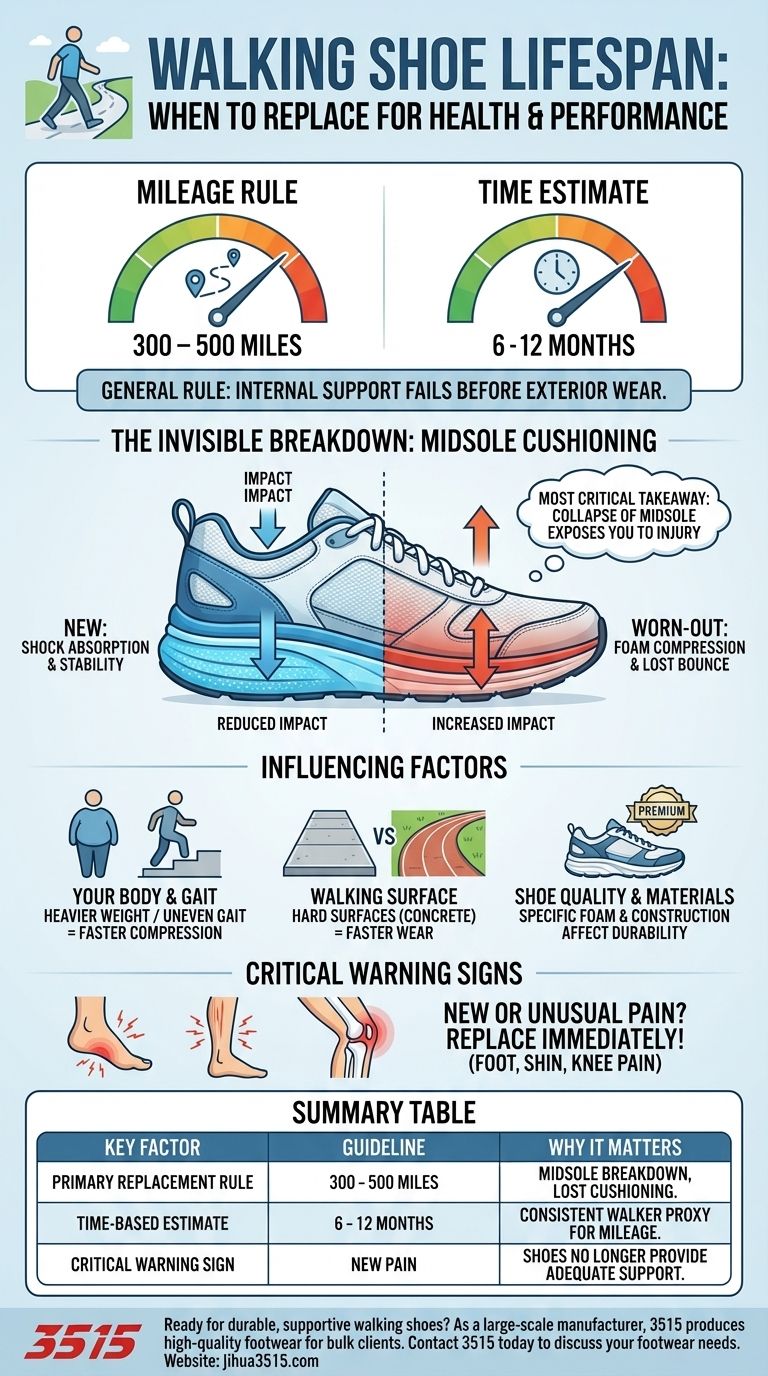
Most walking shoes last about 300 to 500 miles, or three to six months with regular use.
How long do walking shoes last depends on more than time alone. Your weight, walking surface, shoe quality, gait, care habits, and weekly mileage all affect the answer. After years of comparing worn soles, flattened foam, and tired uppers, I have learned that your shoes often show clear warning signs before the calendar does. This guide explains how to spot those signs, extend shoe life, and replace your walking shoes at the right time.

How long do walking shoes last?
Most walking shoes last between 300 and 500 miles. For a person who walks 15 miles each week, that equals about five to seven months. Someone who walks only 5 miles per week may use the same shoes for a year or longer.
These numbers are useful guides, not strict rules. Some high-quality walking shoes can remain comfortable beyond 500 miles. Others may lose support after 250 miles, especially when used on rough pavement or for daily work.
A simple estimate can help:
• 10 miles per week: about 7 to 12 months
• 15 miles per week: about 5 to 8 months
• 25 miles per week: about 3 to 5 months
• 40 miles per week: about 2 to 3 months
The key question is not only how long do walking shoes last by date. The better question is whether they still protect your feet and support your natural stride.
What affects walking shoe lifespan?
Several factors shape how long do walking shoes last. Two people can buy the same model and replace it months apart because their feet, habits, and walking routes differ.
Walking mileage
Mileage is one of the strongest factors. Each step compresses the foam in the midsole. Over time, that foam may stop returning to its original shape.
A person who walks several miles each day will wear out shoes much faster than someone who uses them for short weekend walks. Track your mileage with a fitness watch, phone app, or simple note on your calendar.
Walking surface
Smooth indoor floors are less harsh than asphalt, concrete, gravel, or rocky trails. Outdoor pavement creates more friction and may wear the outsole quickly.
Rain, snow, salt, and mud can also weaken shoe materials. If you walk outside every day, inspect the outsole and upper more often.
Body weight and gait
Every step places force on the shoe. A heavier load can compress cushioning sooner, although body weight is only one part of the picture.
Your gait matters too. Overpronation, underpronation, or an uneven stride can cause one area of the shoe to wear faster. Look at the heel and forefoot from below. Uneven wear often tells you more than the shoe’s age.
Shoe construction
Walking shoes use different materials and designs. A firm foam may last longer but feel less soft. A very soft foam may feel great at first but flatten sooner.
The outsole rubber, stitching, heel counter, insole, and midsole all affect durability. A shoe with strong rubber coverage may outlast a lightweight model made for speed.
Heat and moisture
Sweat does not ruin a shoe at once, but repeated moisture can lead to odor, soft fabric, and material breakdown. High heat can also damage foam and glue.
Do not leave walking shoes in a hot car or place them beside a heater. Let them dry at room temperature after use.
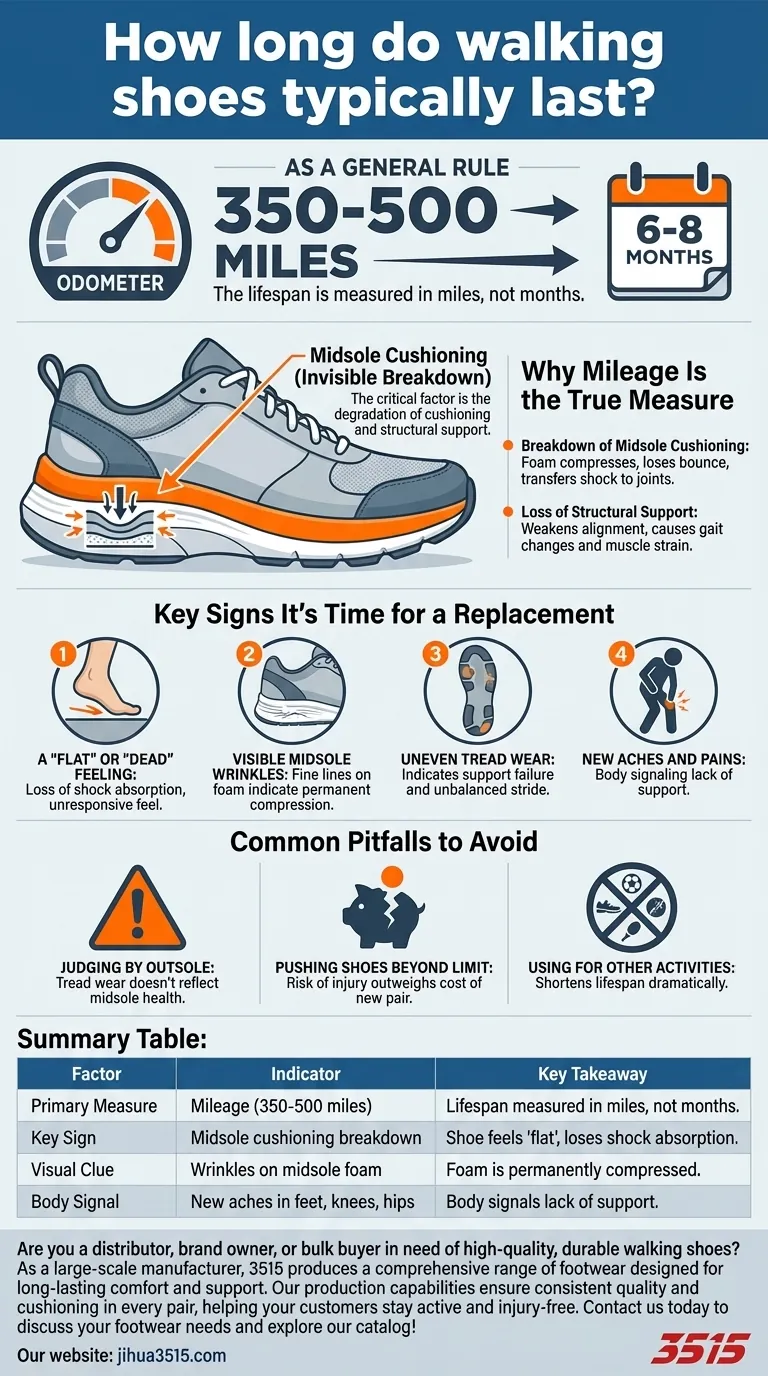
Signs your walking shoes need replacing
Your shoes may need replacing even when they still look acceptable. Cushioning can decline inside the midsole before the upper develops a hole.
Watch for these common signs:
• New foot, knee, hip, or back pain after normal walks
• A flat or compressed midsole
• Deep creases that stay in the foam
• A worn-down heel or smooth outsole
• A tilted heel when the shoe sits on a flat surface
• Loose stitching, torn mesh, or a broken heel counter
• Less grip on wet or smooth surfaces
• Blisters in places that did not cause trouble before
• A noticeable difference between the left and right shoe
• Feet feeling tired after a walk that once felt easy
Pain is especially important. Walking shoes should not create new discomfort. If pain continues after replacing your shoes or taking a rest, consult a qualified health professional.
Check the “desk test”
Place both shoes on a flat table. Look at them from behind and from the side. If one heel leans inward or outward, the support structure may be worn.
Next, press the midsole with your thumb. A little softness is normal, but a permanently crushed area suggests the foam has lost resilience. This quick check cannot replace professional advice, but it can reveal obvious damage.
Compare the shoes with a new pair
If possible, visit a shoe store and compare your old pair with a new pair of the same model. Put one old shoe beside one new shoe. Differences in height, shape, and foam compression become easier to see.
This method helped me catch worn shoes that still looked clean. The upper was fine, but the midsole had become noticeably flatter on one side.

How to inspect walking shoes at home
A monthly inspection can help you understand how long do walking shoes last in your own routine. It takes less than five minutes.
Use this step-by-step check:
-
Clean away dirt so you can see the sole and upper.
-
Look at the outsole for bald spots, cracks, or missing rubber.
-
Check the heel for uneven wear.
-
Press the midsole and compare both shoes.
-
Inspect the heel counter by squeezing the back of the shoe.
-
Bend the shoe gently near the forefoot.
-
Check the laces, seams, and lining.
-
Walk across a hard floor and notice any wobbling or discomfort.
A walking shoe should bend near the toes but should not fold easily in the middle. The heel should feel stable, and the upper should hold your foot without painful pressure.
Do not judge shoes only by tread depth. Some shoes keep their tread but lose cushioning. Others still feel cushioned but have worn-out traction. Comfort, stability, and protection work together.
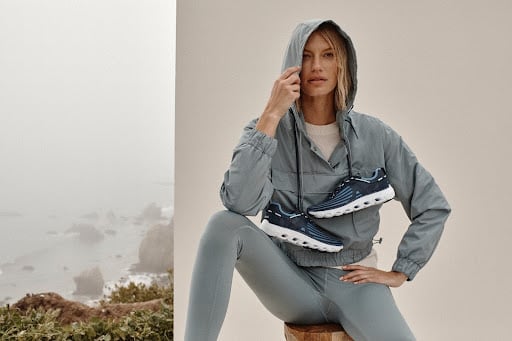
Walking shoes versus running shoes
Walking shoes and running shoes can both work for walking, but they are designed for different movement patterns. Running shoes often use lighter materials and more flexible cushioning. Walking shoes may offer a firmer platform and extra support through the heel and upper.
How long do walking shoes last compared with running shoes? The answer is often similar by mileage, but the design and user can change the result. A running shoe used only for walking may last longer because walking creates less impact. A walking shoe used for jogging may wear out much sooner.
Choose the shoe for the activity you perform most. If you walk briskly for exercise, a comfortable running shoe may suit you. If you stand and walk at work all day, a durable walking shoe may provide better support.
The most important features include:
• A comfortable fit with enough toe room
• A secure heel that does not slip
• A flexible forefoot
• Adequate cushioning for your surface
• A stable base
• Good traction for your normal route
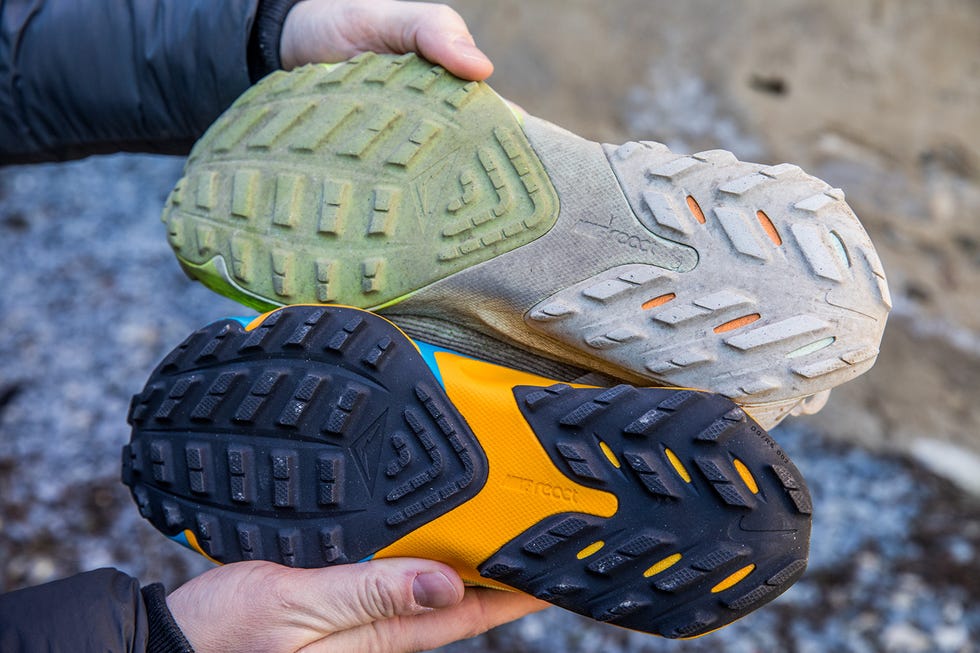
How to make walking shoes last longer
You cannot make walking shoes last forever, but smart care can protect their structure and comfort.
Rotate between two pairs
Alternating shoes gives foam time to recover between walks. It also lets each pair dry fully.
A two-pair rotation can be helpful for people who walk daily. Use one pair for outdoor exercise and another for errands or indoor use.
Use the right shoes for the right task
Do not wear your walking shoes for yard work, muddy hikes, construction jobs, or sports unless they are designed for those tasks. Dirt and hard impacts can damage the upper and outsole.
Keep indoor walking shoes indoors when possible. This reduces exposure to water, grit, and rough pavement.
Dry them naturally
Remove the insoles and loosen the laces after a wet walk. Let the shoes air-dry in a cool place.
Avoid dryers, ovens, radiators, and direct high heat. Heat can shrink fabric and weaken adhesives.
Clean them gently
Use a soft brush, mild soap, and cool water. Do not scrub aggressively or soak the shoes for long periods.
Check the care instructions from the manufacturer. Some materials need special cleaning methods.
Wear socks that manage moisture
Moisture-wicking socks can reduce sweat and friction. Cotton socks may feel comfortable, but they can hold moisture during long walks.
Choose socks that fit smoothly without bunching. A poor sock can cause blisters even when the shoe fits well.
Store them correctly
Keep shoes in a dry, ventilated space. Do not crush them under heavy objects or store them tightly in a sealed plastic bag.
Stuffing damp shoes with plain paper can help them hold their shape while drying. Replace the paper when it becomes wet.
:max_bytes(150000):strip_icc()/when-should-i-replace-my-walking-shoes-3436325-0801-7a1840d83573471092e0380f9e230ecc.jpg)
Can you replace parts of walking shoes?
Some parts can be replaced, but replacement does not always restore the shoe’s original support. Insoles are easy to change if they are flat, torn, or uncomfortable.
Outsoles may be repairable through a cobbler, but many modern walking shoes use bonded layers that are difficult to rebuild. A new sole will not fix a worn midsole or damaged heel counter.
Replace the entire shoe when:
• The midsole is compressed
• The heel leans to one side
• The upper no longer holds your foot
• The outsole has lost safe traction
• The shoe causes new pain
A replacement insole may extend comfort for a short time, but it should not hide structural damage. Think of an insole as a fresh cushion inside the shoe, not a new foundation.
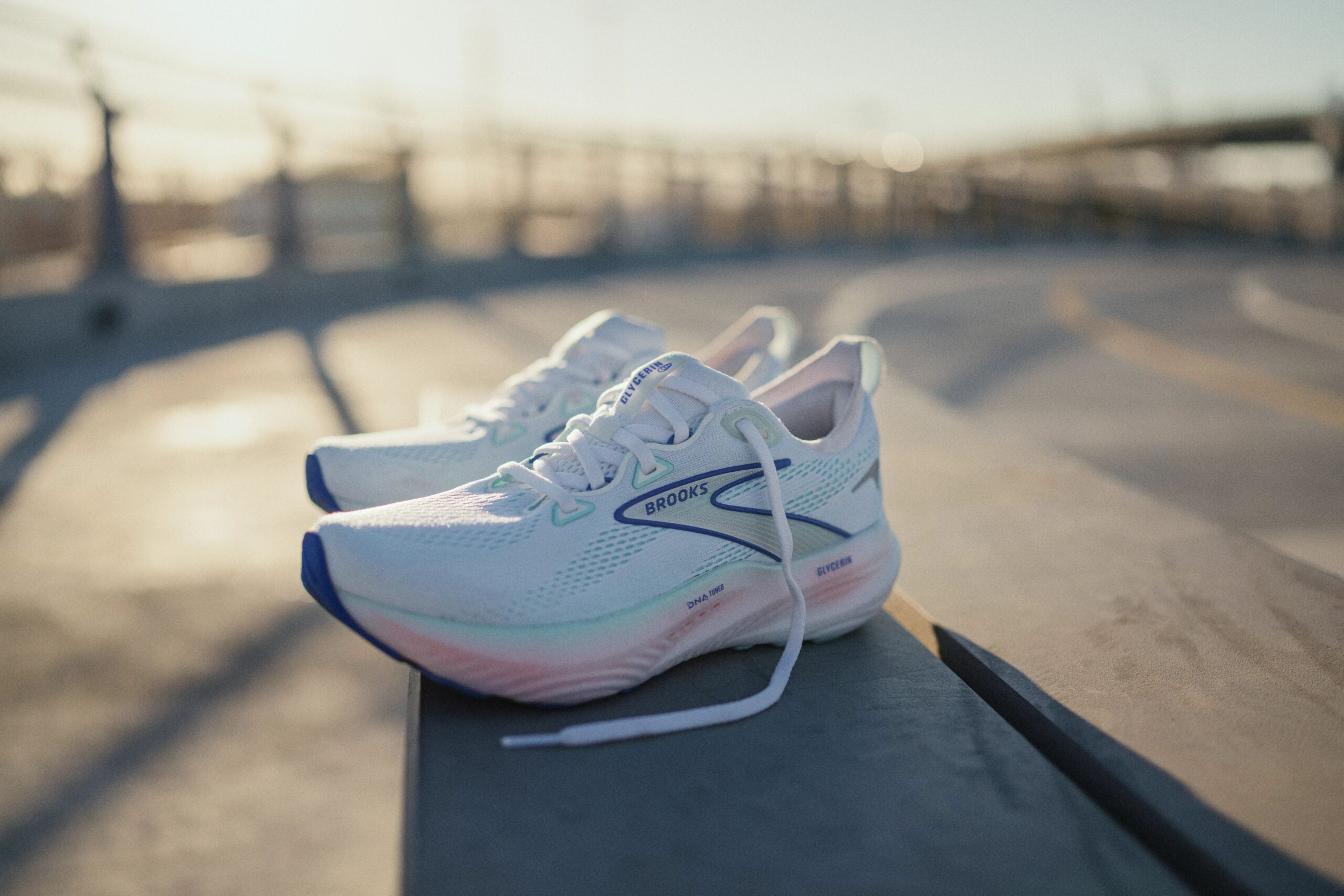
How to choose durable walking shoes
Durability starts before your first walk. Look for a shoe that matches your foot shape, walking style, and usual surface.
When shopping, examine these details:
• Rubber coverage on the heel and forefoot
• Strong stitching around high-stress areas
• A firm but comfortable heel counter
• Breathable material that does not feel fragile
• A midsole that feels supportive, not only soft
• A flexible forefoot that bends naturally
Try shoes later in the day, when feet may be slightly swollen. Wear the socks you plan to use for walking. Walk around the store and check for pressure at the toes, arch, heel, and sides.
Do not buy a shoe based only on its brand, appearance, or online rating. Foot shapes vary, and a highly rated shoe may still be wrong for you.
In my experience, the best walking shoe is rarely the one that feels the softest for 30 seconds. It is the one that stays comfortable after a long walk and remains stable when your feet become tired.
When should you replace walking shoes by time?
Time alone is not a perfect replacement rule. Still, a pair used often may need replacement after six to twelve months, even if you do not track mileage.
Materials age while sitting in storage. Glue can weaken, foam can change, and rubber can become less flexible. A pair worn only a few times per year may last longer in use, but it should still be inspected before a long walk.
How long do walking shoes last in storage? There is no single answer because storage conditions matter. Shoes kept in a cool, dry room usually age better than shoes left in a hot garage, damp basement, or car trunk.
Before wearing an old pair, take a short walk. Check for peeling layers, cracking, hard foam, and unusual foot fatigue. If the materials look brittle, replace the shoes rather than risking a fall or injury.
Common mistakes that shorten shoe life
Many people replace walking shoes too late, but some habits can damage them early.
Avoid these mistakes:
• Wearing the same pair for every activity
• Walking in shoes that are too small
• Putting shoes on without loosening the laces
• Removing shoes by stepping on the heel
• Washing them in a hot cycle
• Drying them with direct heat
• Ignoring uneven sole wear
• Keeping damp shoes in a closed bag
• Using worn shoes for long travel days
A tight shoe can stretch in the wrong places and place extra pressure on the upper. Stepping on the heel can crush the heel counter, which helps hold your foot in place.
One mistake I have made is keeping a comfortable pair for a special trip after it had already passed its useful stage. The shoes looked fine, but several miles of sightseeing exposed the problem. A short test walk would have shown the loss of support.
The safety and health limits of worn shoes
Worn walking shoes do not always cause injury, and new shoes do not guarantee perfect comfort. Injury risk depends on many factors, including training volume, walking speed, terrain, previous injuries, and overall health.
Still, worn cushioning and poor traction can increase discomfort and reduce stability. People with diabetes, arthritis, neuropathy, balance problems, or previous foot injuries should take shoe condition seriously and seek advice from a qualified clinician when needed.
Change into new shoes gradually. Wear them for short walks at first. This gives your feet time to adjust and helps you find pressure points before a long outing.
If you notice swelling, numbness, sharp pain, open sores, or repeated blisters, stop and assess the fit. Persistent symptoms deserve medical attention.
A simple shoe replacement schedule
You can create a personal replacement plan based on mileage and shoe condition.
Try this system:
-
Record the date you start each pair.
-
Estimate your weekly walking miles.
-
Inspect the shoes every month.
-
Reassess them at 250 miles.
-
Plan replacement between 300 and 500 miles, or sooner if warning signs appear.
-
Keep an older pair for light errands only if it still feels safe.
Do not move a worn pair to a demanding activity. If shoes are no longer suitable for exercise, they may still work for short, low-risk tasks only when they remain stable and comfortable.
This schedule answers how long do walking shoes last in a practical way. It combines mileage, time, and physical condition instead of relying on one number.
Frequently Asked Questions About How Long Do Walking Shoes Last
How many miles do walking shoes usually last?
Most walking shoes last about 300 to 500 miles. The exact lifespan depends on the shoe, your walking surface, body weight, gait, and care routine.
How often should you replace walking shoes?
Many frequent walkers replace shoes every three to six months. Replace them sooner if the sole is worn, the cushioning is flat, or the shoes cause new pain.
Can walking shoes last for years?
Walking shoes can last for years when used rarely and stored well. However, inspect older shoes for cracked materials, weak glue, and hardened foam before using them.
Do walking shoes wear out even if they look new?
Yes. The midsole can lose cushioning and support before the upper or outsole looks badly damaged. Comfort, stability, and foot fatigue are important clues.
Can new insoles make old walking shoes usable?
New insoles can improve comfort when the original insole is worn. They cannot repair a compressed midsole, damaged heel counter, or unsafe outsole.
Is it okay to walk in running shoes?
Yes, many running shoes work well for walking. Choose a pair that fits securely, feels stable, and provides suitable traction for your usual route.
What happens if you keep wearing worn walking shoes?
Worn shoes may provide less cushioning, support, and grip. They can also contribute to blisters, foot fatigue, and discomfort, although injury risk varies from person to person.
Conclusion
How long do walking shoes last? For most people, the useful range is about 300 to 500 miles, or three to six months of regular use. Your shoes may last longer or fail sooner based on mileage, terrain, fit, gait, care, and material quality.
Track your walks, inspect your shoes each month, and pay attention to pain, uneven wear, flat foam, and poor grip. A timely replacement can make every step feel safer and more comfortable. Use this guide during your next shoe check, and share your own walking shoe experience in the comments.

Michael Smith is the Content Strategist behind The Style Hub, where fashion meets function. With a keen eye for trends and a passion for everyday style, he curates content that helps readers make smarter, more stylish choices—from the perfect pair of sneakers to must-have accessories. Michael specializes in breaking down fashion into practical, wearable insights, making style accessible for everyone. When he’s not researching the latest trends, he’s exploring how comfort, innovation, and timeless design come together in modern fashion.