How To Stop Feet From Sweating In Shoes: Simple Fixes
Keep feet dry with moisture-wicking socks, breathable shoes, foot antiperspirant, and regular shoe rotation.
Learning how to stop feet from sweating in shoes starts with controlling moisture, heat, and bacteria at the same time. As a practical rule, the best results come from combining a foot antiperspirant with breathable footwear, clean socks, and enough drying time between wears. This guide explains why sweaty feet happen, which treatments work, what mistakes to avoid, and when excessive sweating may need medical care.
Why Do Feet Sweat in Shoes?
Sweating is a normal body function. Your feet contain many sweat glands, so they can become damp quickly, especially inside warm, tight shoes. The shoe traps heat and moisture, much like a small greenhouse around your feet.
Some people sweat more because of genetics, stress, exercise, hot weather, or a condition called hyperhidrosis. Certain medicines, hormonal changes, infections, and health problems can also increase sweating.
Sweat itself usually has little odor. The smell comes when bacteria break down sweat, skin cells, and oils. A damp shoe gives those bacteria the warm environment they need to grow.
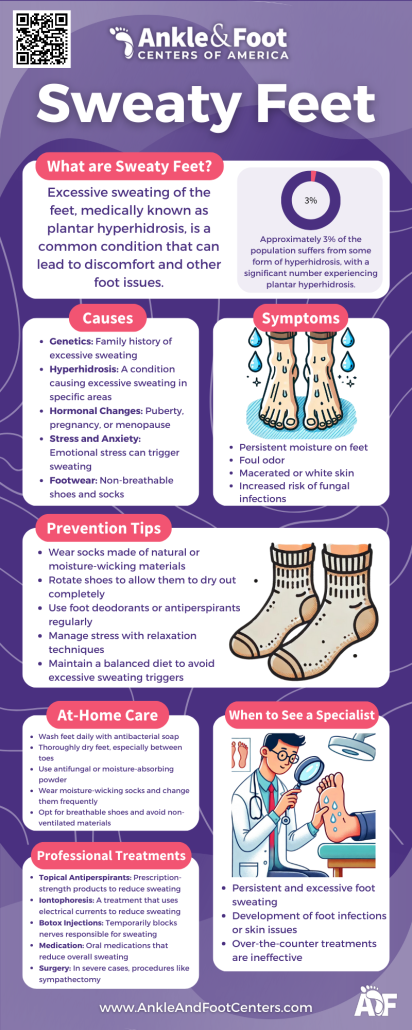
How to Stop Feet From Sweating in Shoes
The most effective approach uses several simple steps. No single product works for everyone, but this routine can greatly reduce wetness and odor.
1. Apply foot antiperspirant at night
Use an antiperspirant made for feet or one that contains aluminum chloride. Antiperspirants reduce sweat by temporarily blocking sweat ducts. Deodorants mainly mask odor, so they may not stop your feet from getting wet.
For best results:
• Wash and dry your feet fully.
• Apply a thin layer before bed.
• Wash the product off in the morning if the label advises it.
• Start every other night if your skin is sensitive.
Do not apply aluminum chloride to cracked, freshly shaved, or irritated skin. It can cause burning or redness. If irritation develops, stop using it and ask a health professional for advice.
2. Keep feet completely dry
Dry your feet after bathing, paying close attention to the spaces between your toes. Moisture left between the toes can encourage fungal growth.
You can also use a small amount of foot powder. Powders with cornstarch may absorb moisture, but they can sometimes feed fungus if used in damp areas. An antifungal powder may be more suitable when you have repeated athlete’s foot.
3. Wash your feet daily
Use warm water and mild soap. Scrub gently, but avoid harsh scrubbing that can damage the skin barrier. Dry with a clean towel, especially between the toes.
Daily washing removes sweat, bacteria, and dead skin. It will not cure heavy sweating by itself, but it makes every other step work better.
4. Change socks when they become damp
Do not wait until socks are soaked. Carry an extra pair when you work long shifts, exercise, travel, or spend time outdoors.
Changing socks halfway through the day can make a major difference. This simple habit is often one of the fastest answers to how to stop feet from sweating in shoes.

Choose Socks That Manage Moisture
The right socks can make your shoes feel cooler and drier. Look for socks that move moisture away from the skin instead of holding it against your feet.
Good options include:
• Merino wool, which helps regulate temperature and control odor.
• Polyester or nylon blends designed for athletic use.
• Moisture-wicking performance socks.
• Socks with mesh panels for improved airflow.
Cotton socks feel soft, but they can hold sweat. Once cotton becomes wet, it may stay damp for hours. If you like cotton, choose a blend with synthetic fibers and change the socks often.
Avoid thick socks in tight shoes. They may absorb more moisture, but they can also increase heat and pressure. A thin moisture-wicking sock is often a better choice.
A practical sock test
After wearing socks for several hours, check how they feel. If they are heavy, cold, or cling to your skin, they are likely holding too much moisture. If they feel damp but dry quickly after washing, they may be easier to manage.

Wear Breathable Shoes
Shoes made from breathable materials allow heat and moisture to escape. This helps reduce sweat and makes it harder for odor-causing bacteria to thrive.
Consider:
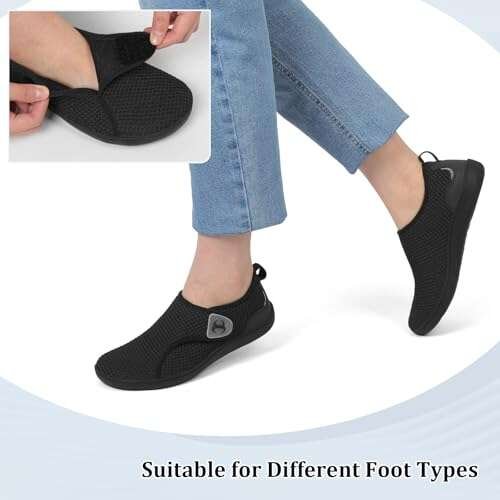
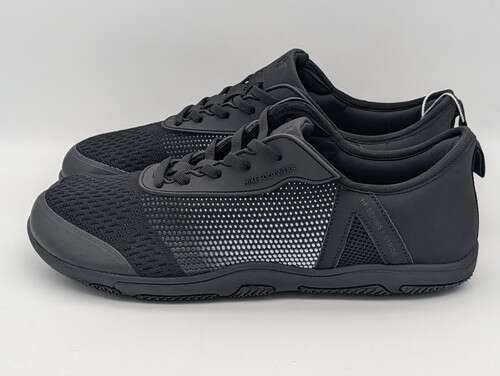
• Mesh sneakers for exercise and daily wear.
• Canvas shoes in mild, dry weather.
• Leather shoes with natural ventilation.
• Sandals when the setting and weather allow.
Avoid plastic, vinyl, and other nonbreathable materials when possible. These materials can trap sweat against your skin.
Fit matters, too. Tight shoes press against your feet and reduce airflow. Shoes that are too loose may create friction, which can cause blisters and skin damage. Your toes should have enough room to move without your heel sliding.
Use removable moisture-wicking insoles if your shoes become damp quickly. Replace them when they stop drying well or begin to smell. Some insoles can be washed, but always follow the product instructions.

Rotate and Dry Your Shoes
Wearing the same pair every day is a common reason feet remain sweaty and shoes smell. Shoes need time to release moisture.
Try this routine:
-
Rotate between at least two pairs of shoes.
-
Remove the insoles after wearing the shoes.
-
Place the shoes in a cool, dry, well-ventilated area.
-
Use a fan to improve airflow.
-
Let the shoes dry fully before wearing them again.
Do not place most shoes directly against a heater. High heat can damage glue, leather, foam, and synthetic materials. It can also make shoes shrink or lose their shape.
A shoe deodorizer can help with smell, but it does not replace drying. Fragrance covers odor for a short time. It does not remove the moisture that causes the odor.

Manage Foot Odor and Fungal Risk
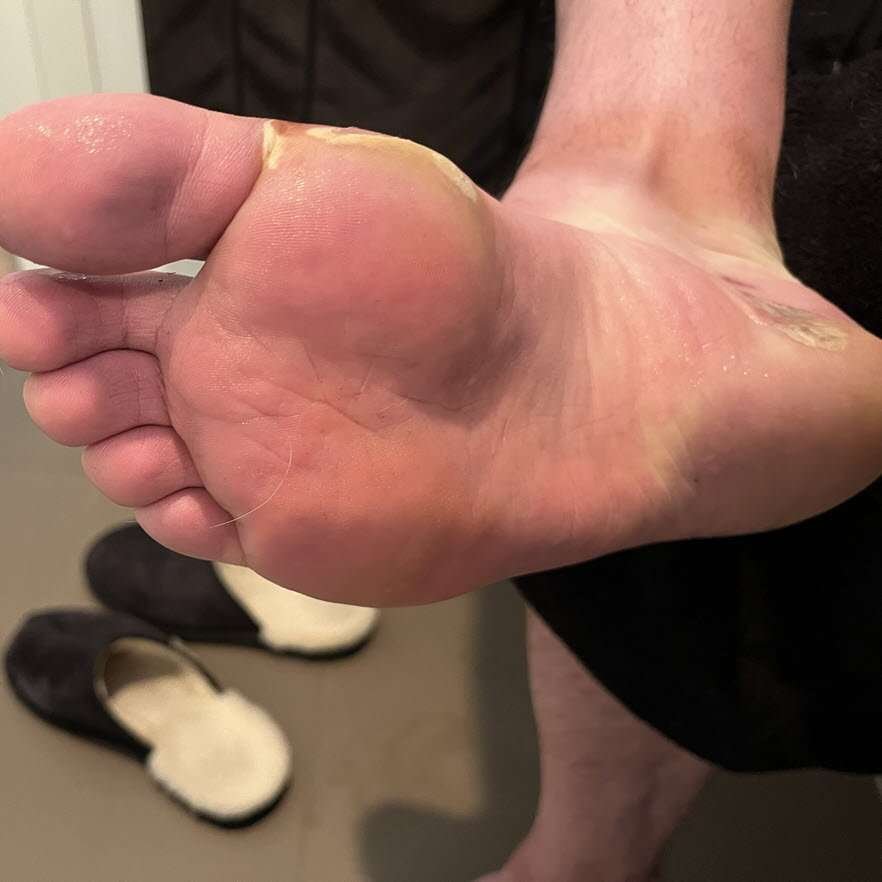
Sweaty feet are not the same as a fungal infection, but constant moisture raises the risk. Athlete’s foot may cause itching, peeling, burning, redness, or small blisters. It often appears between the toes.
To lower the risk:
• Keep feet dry.
• Wear clean socks each day.
• Avoid sharing shoes, socks, or towels.
• Wear shower shoes in public locker rooms.
• Wash gym shoes and socks as directed.
• Do not seal damp feet inside shoes for long periods.
If you have signs of athlete’s foot, an over-the-counter antifungal product may help. Follow the label and use it for the full recommended time. If symptoms spread, return often, or do not improve, contact a clinician.