Are Barefoot Shoes Good For Flat Feet: Pros And Cons
Barefoot shoes can help some people with flat feet, but they are not the best choice for everyone.
The answer to “are barefoot shoes good for flat feet” depends on your foot strength, pain level, walking habits, and medical history. Barefoot shoes may help your feet move and work more naturally, yet their thin soles and low support can also increase strain if you switch too fast. This guide explains the benefits, risks, research, and safest way to try them.
What Are Barefoot Shoes?
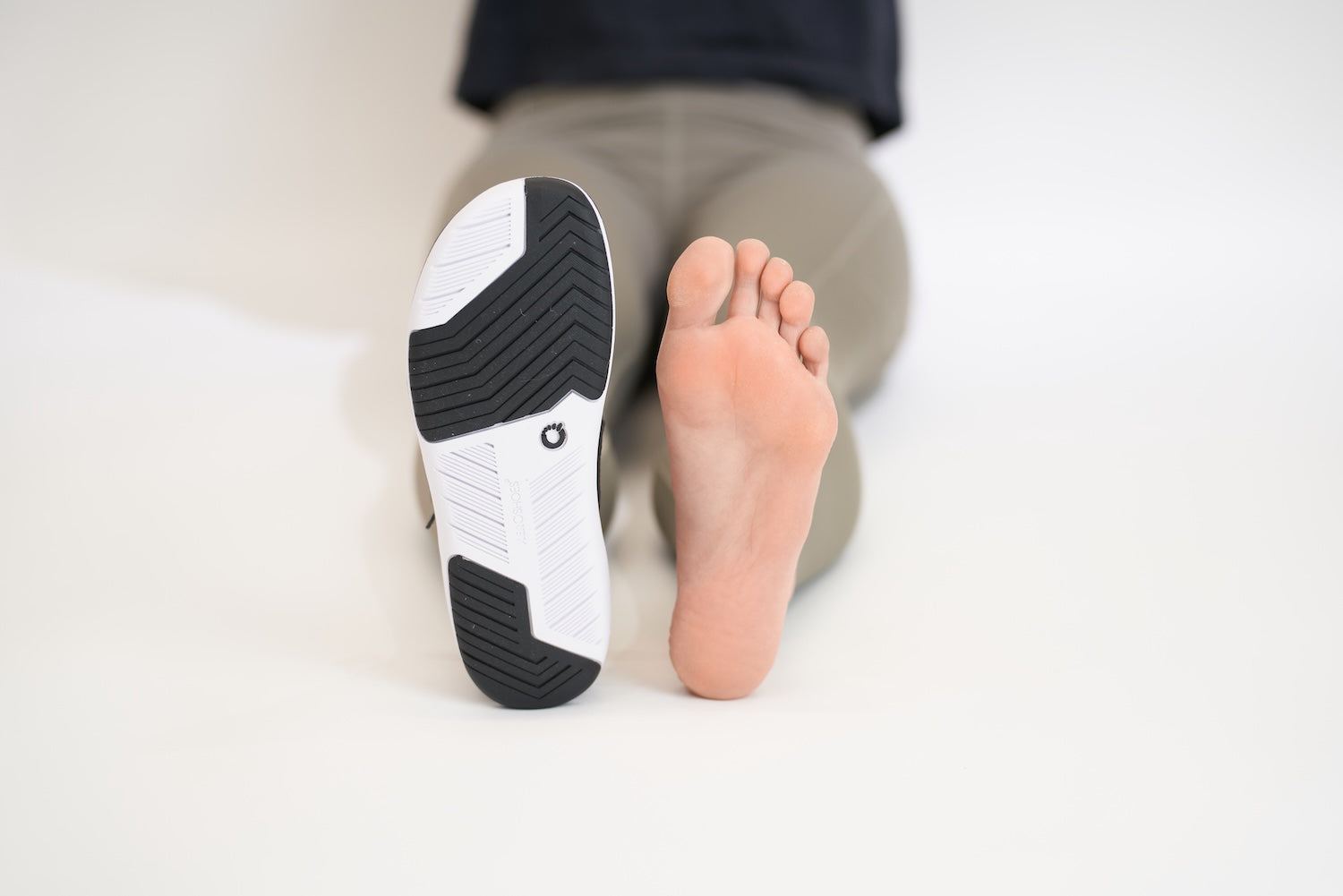
Barefoot shoes are designed to let your feet move with less restriction. They usually have a thin, flexible sole, a wide toe box, and little or no heel lift. Most also have zero-drop construction, which means your heel and forefoot sit at the same height.
The goal is not to copy a specific brand. The goal is to give your toes room to spread and your foot a chance to feel the ground.
Common features include:
• A wide toe box that allows natural toe spread
• A flexible sole that bends near the toes
• A thin sole that improves ground feel
• Little or no arch support
• A zero-drop heel-to-toe design
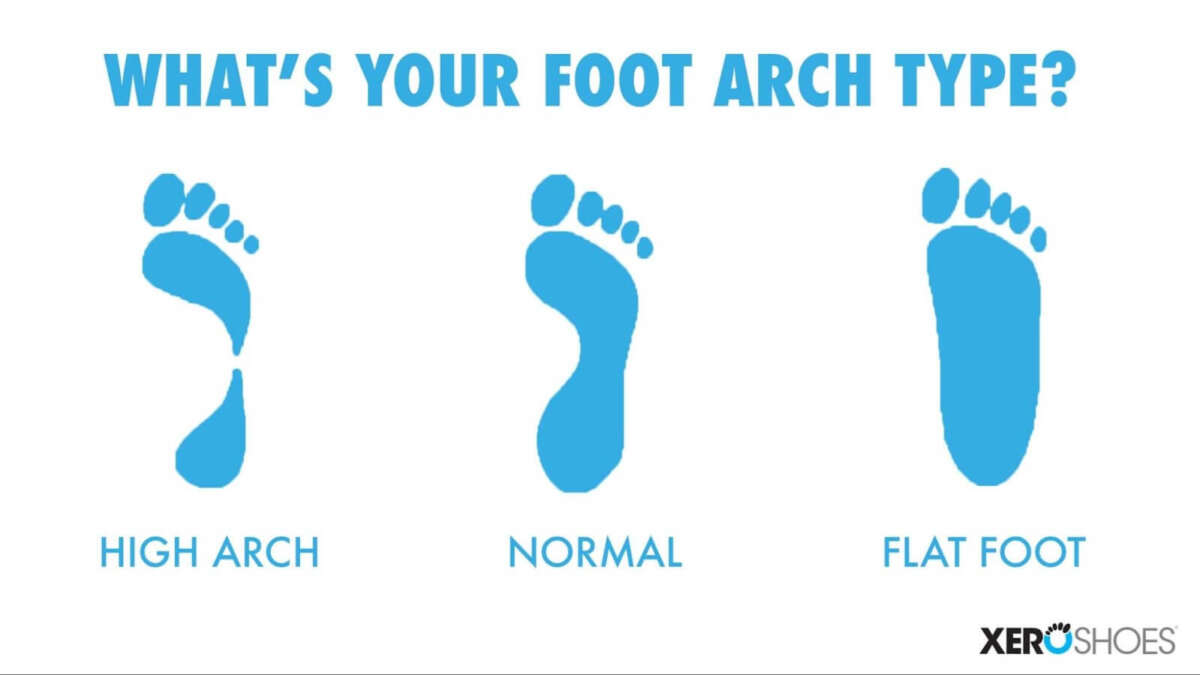
Flat feet, also called pes planus, occur when the arch sits low or touches the ground. Some people are born with flat arches. Others develop them due to age, injury, weight changes, tendon problems, or joint conditions.
Flat feet do not always need treatment. Many people with flat feet walk, run, and exercise without pain. The key issue is function, not appearance alone.

Are Barefoot Shoes Good for Flat Feet?
Barefoot shoes can be good for flat feet when the feet are healthy, strong, and pain-free. They may encourage the small muscles in the feet to work harder. They can also improve toe movement, balance, and awareness of how your foot meets the ground.
Still, barefoot shoes do not “fix” flat feet. They also do not provide the firm arch support that some people need. If your flat feet cause pain, fatigue, or poor balance, a sudden switch may make symptoms worse.
When people ask, “are barefoot shoes good for flat feet,” I focus on four questions:
• Do your feet hurt during daily activity?
• Can you stand on one leg without losing balance?
• Can you walk comfortably in flexible shoes?
• Do you have a foot, ankle, knee, or tendon injury?
If the answers are mostly positive, a careful trial may be reasonable. If you have pain or weakness, speak with a podiatrist or physical therapist first.
The evidence on barefoot shoes and flat feet is still limited. Small studies suggest that foot exercises and time spent in less supportive footwear may improve foot muscle strength. However, research does not prove that barefoot shoes restore a fallen arch or prevent every foot problem.

How Barefoot Shoes May Help Flat Feet
Barefoot shoes may offer several possible benefits. These benefits are most likely when you use the shoes slowly and combine them with simple foot exercises.
They Let the Toes Spread
Many traditional shoes narrow toward the front. This can press the big toe inward and limit the smaller toes. A wide toe box gives the toes more room to spread during walking.
Your toes act like the legs of a small table. When they contact the ground well, they may help improve balance and stability. This matters because flat feet often involve changes in how the foot loads the ground.
They Encourage Foot Muscle Use
A supportive shoe does much of the work for the foot. A flexible shoe asks the foot to bend, adapt, and stabilize on its own.
The muscles inside the foot help support the arch. They work with the calf, ankle, and lower-leg muscles. Barefoot shoes may challenge this system more than stiff shoes do, but the effect depends on how often you wear them and how strong your feet already are.
They Improve Ground Feel
A thin sole can help you notice how your foot lands. You may feel whether you are placing too much weight on the inside edge of the foot or pushing off mostly from one side.
This feedback can improve body awareness. It is similar to turning down loud music so you can hear a quiet sound. However, more sensation is not always better. Sensitive feet may need more cushioning and protection.
They Promote Natural Foot Movement
The foot is built to move. It spreads when you load it, stiffens when you push off, and adjusts to uneven surfaces. A flexible shoe may allow more of this movement than a rigid shoe.
That does not mean every natural movement is harmless. If your foot lacks strength or control, extra movement may create stress instead of comfort.

Risks of Barefoot Shoes for Flat Feet
Barefoot shoes may not suit people with painful or unstable flat feet. Their low support can expose weaknesses that a structured shoe was helping to manage.
Possible problems include:
• Arch soreness
• Heel pain
• Calf tightness
• Achilles tendon irritation
• Shin pain
• Metatarsal pain under the forefoot
• Blisters and skin irritation
• Increased fatigue during long walks
A common mistake is wearing barefoot shoes for a full workday on the first day. The feet may feel fine for an hour, then become sore later that evening. Delayed pain is still a warning sign.
People with posterior tibial tendon dysfunction need special caution. This tendon helps support the arch and control the foot. When it is weak or injured, less supportive shoes may increase stress.
You should also be careful if you have plantar fasciitis, arthritis, diabetes-related nerve loss, a recent injury, or a history of stress fractures. A health professional can help you decide whether more support or cushioning is safer.

Barefoot Shoes Versus Supportive Shoes
The debate is not really “barefoot shoes or supportive shoes.” Different feet need different tools at different times.
Supportive shoes may include a firmer midsole, a stable heel counter, or built-in arch support. These features can reduce motion and improve comfort for some people. They may be useful during long periods of standing, recovery from injury, or painful activity.
Barefoot shoes offer more freedom and ground contact. They may work well for short walks, strength drills, or daily use after your feet adapt.
A simple comparison can help:
| Feature | Barefoot shoes | Supportive shoes |
|---|---|---|
| Toe room | Usually wide | Varies by brand |
| Sole | Thin and flexible | Often thicker and firmer |
| Heel drop | Usually zero drop | Often has a raised heel |
| Arch support | Little or none | Moderate to strong |
| Best use | Natural movement and gradual training | Comfort, stability, and support |
Some people use both. They wear supportive shoes for long shifts and barefoot shoes for short walks or foot training. This flexible approach is often more practical than choosing one style for every activity.
So, are barefoot shoes good for flat feet compared with supportive shoes? They can be, but comfort and function should guide the choice, not the label on the shoe.

How to Start Wearing Barefoot Shoes Safely
A slow transition is the most important rule. Your feet, calves, and Achilles tendons need time to adapt to the new load.
Follow these steps:
-
Wear the shoes for 10 to 20 minutes on a flat surface.
-
Use them every other day at first.
-
Increase wear time by about 10 minutes when you have no pain.
-
Walk before you run.
-
Avoid hills, long hikes, and hard pavement during the first few weeks.
-
Stop if pain changes your walking pattern.
-
Keep a supportive pair available for longer activities.
Do not judge the shoes only by how they feel in the first few minutes. Check your feet later that day and the next morning. Mild muscle tiredness can be normal. Sharp pain, swelling, lasting soreness, or limping is not.
A good barefoot shoe should feel comfortable across the whole foot. Your toes should move freely, and your heel should not slip. The shoe should bend where your toes bend rather than folding in the middle.

Exercises That May Support Flat Feet
Barefoot shoes work best when paired with strength and control exercises. These movements do not guarantee a higher arch, but they may improve how your foot handles load.
Short-Foot Exercise
Sit or stand with your foot flat. Without curling your toes, gently draw the ball of the big toe toward the heel. Hold for five seconds, then relax.
Repeat 8 to 12 times per foot. Keep the movement small. The goal is control, not force.
Toe Lifts
Keep your heel and the base of your toes on the floor. Lift the big toe while keeping the other toes down. Then reverse the movement.
This exercise can be difficult at first. That is normal. It helps you build better awareness of toe control.
Calf Raises
Stand near a wall for balance. Slowly rise onto your toes, then lower your heels with control.
Start with both feet. Progress to one foot only when the movement feels steady and pain-free.
Single-Leg Balance
Stand on one leg for 20 to 30 seconds. Keep your knee facing forward and your foot steady.
Barefoot practice can improve feedback, but use a wall or counter nearby. Do not perform balance work on an unstable surface if you feel unsafe.
A physical therapist can assess your arch, ankle motion, hip strength, and walking pattern. This matters because foot problems often involve the whole leg, not just the arch.

Who Should Avoid Barefoot Shoes or Get Medical Advice?
Barefoot shoes are not automatically unsafe, but some people need professional guidance before trying them.
Ask a medical professional first if you have:
• Ongoing foot or ankle pain
• A recent surgery or injury
• Severe plantar fasciitis
• A swollen or painful tendon
• Numbness or reduced sensation
• Diabetes or poor circulation
• Arthritis that limits movement
• A history of stress fractures
• A collapsing arch that is getting worse
You should also seek care if one foot suddenly becomes flatter than the other. Sudden changes may point to tendon damage or another condition that needs attention.
A podiatrist can examine your foot and recommend shoes, inserts, exercises, or imaging when needed. A physical therapist can look at movement and create a gradual strengthening plan.
Professional advice does not mean you can never wear barefoot shoes. It simply helps you avoid turning a small weakness into a larger injury.

Common Mistakes to Avoid
The biggest mistake is treating barefoot shoes like ordinary sneakers. They change how your foot, ankle, and calf absorb force.
Avoid these errors:
• Wearing them all day right away
• Running in them before walking comfortably
• Ignoring calf or Achilles pain
• Choosing a narrow shoe with a thin sole
• Assuming pain means your feet are getting stronger
• Using them for every activity
• Skipping strength and balance work
Another mistake is copying someone else’s transition plan. A fit person who walks barefoot often may adapt quickly. Someone who wears stiff shoes all day may need several weeks or months.
In my experience with footwear transitions, the people who do best treat the process like training. They use small doses, monitor symptoms, and keep another shoe option nearby. The people who struggle often rush because the shoes feel exciting and different at first.
How to Choose Barefoot Shoes for Flat Feet
Look for a shoe that supports natural movement without creating new pressure points. “Barefoot” does not always mean “comfortable,” so try the shoe indoors before wearing it outside.
Check these features:
• A wide toe box that matches your foot shape
• A secure heel that does not slide
• A flexible sole that bends at the toes
• Enough cushioning for your walking surface
• A breathable upper that does not squeeze the midfoot
• A removable insole if you need to use an approved insert
Do not choose a shoe just because it has the thinnest sole. A slightly thicker sole may be a better starting point, especially if you walk on concrete or have sensitive feet.
You can also use a temporary insole during the transition if a clinician recommends it. This may provide a middle ground between a highly structured shoe and a completely minimal shoe.
Frequently Asked Questions About Are Barefoot Shoes Good for Flat Feet
Can barefoot shoes strengthen flat feet?
They may help strengthen some foot muscles when used gradually with exercises. However, research does not show that barefoot shoes alone permanently rebuild a fallen arch.
Are barefoot shoes good for flat feet and overpronation?
They may improve foot awareness and muscle control for some people with mild overpronation. If overpronation causes pain or joint problems, a structured shoe or professional assessment may be more suitable.
Can barefoot shoes make flat feet worse?
Yes, they can increase pain or strain if you switch too quickly or already have weak, painful, or injured feet. Stop if you develop lasting soreness, swelling, or a change in your walking pattern.
Should people with flat feet wear arch support?
Not everyone with flat feet needs arch support. It may help when flat feet are painful, unstable, or linked with another condition, but the right choice depends on your symptoms and movement.
How long does it take to adjust to barefoot shoes?
Some people adjust in a few weeks, while others need several months. Begin with short, easy walks and increase use only when your feet and calves feel comfortable afterward.
Are barefoot shoes good for running with flat feet?
They can work for some experienced runners, but they require a slow transition. Walking comfortably, building calf strength, and checking your running form should come before barefoot running.
Conclusion
So, are barefoot shoes good for flat feet? They can be helpful for some people, especially those with pain-free, flexible feet who transition slowly. They may improve toe movement, foot strength, balance, and ground awareness, but they do not replace medical care or guarantee that flat feet will improve.
Start with short walks, choose a roomy and flexible pair, and watch how your feet feel later that day and the next morning. If you have pain, weakness, numbness, or a changing arch, get advice from a podiatrist or physical therapist before making the switch.
Your feet do not need a trend. They need the right amount of movement, support, and time. Try barefoot shoes carefully, track your response, and share your experience or questions in the comments.

Michael Smith is the Content Strategist behind The Style Hub, where fashion meets function. With a keen eye for trends and a passion for everyday style, he curates content that helps readers make smarter, more stylish choices—from the perfect pair of sneakers to must-have accessories. Michael specializes in breaking down fashion into practical, wearable insights, making style accessible for everyone. When he’s not researching the latest trends, he’s exploring how comfort, innovation, and timeless design come together in modern fashion.