Best Tennis Shoes For Toe Draggers: Top Picks
The best tennis shoes for toe draggers need a roomy toe box, strong toe guard, firm grip, and lasting comfort.
If your toes scrape the court when you move, you know how fast a shoe can wear out. A thin upper may tear, while a tight toe box can press on sore nails and bunions. I looked at five wide-toe-box shoes that may help toe draggers feel more secure during walks, gym sessions, and light court play. These shoes are not all traditional tennis shoes, so I also explain where each one fits best. My focus is simple: toe room, comfort, grip, support, and value.
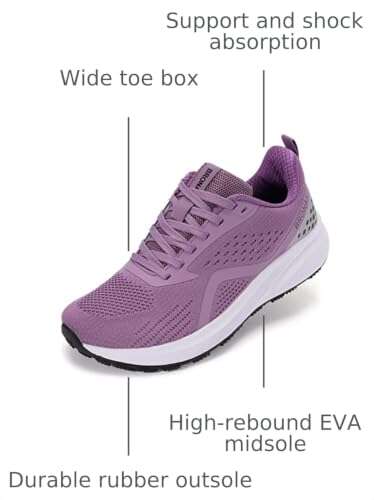
BRONAX Wide Toe Box Running Shoes

The BRONAX shoe has a wide toe box that gives the front of the foot more room to spread. That matters when your toes rub the ground during a step. The purple athletic design also looks more like a daily sneaker than a medical shoe. I see it as a useful option for walking, errands, gym work, and casual movement.
Its road-running shape offers a light feel for users who dislike stiff shoes. The wider front may also help people with bunions, swollen feet, or sensitive toenails. Still, a roomy toe area does not replace a true court shoe with a reinforced drag guard. If you play hard tennis, check the sole and upper before making it your match shoe.
Pros:
- Wide toe box gives toes more space
- Light athletic style suits daily wear
- Good choice for walkers and gym users
- May reduce pressure on bunions and sore toes
- Easy purple color adds a stylish look
- Roomy shape can suit feet that swell during the day
Cons:
- May not offer enough side support for intense tennis
- The upper may need extra protection for heavy toe dragging
- Wide sizing may feel loose on narrow feet
My Recommendation
I recommend the BRONAX for toe draggers who want a soft, roomy daily shoe. It fits best for walking, light exercise, gym use, and casual court drills. The broad front is its main strength, especially for people who feel squeezed in standard running shoes. For players who drag the toe often, I would inspect the front edge and consider a protective toe patch. Among the best tennis shoes for toe draggers, this is a practical comfort-first pick when you need space more than tournament-level court control.
ATHMILE Wide Toe Box Barefoot Shoes

The ATHMILE uses a barefoot-style design with a wide toe box and a zero-drop platform. “Zero drop” means the heel and forefoot sit at a similar height. This flat feel can help some users sense the ground better. That extra awareness may appeal to people who drag their toes because they want to improve foot placement.
However, minimalist shoes need a careful break-in period. They provide less built-in cushion than many running shoes, so your feet and calves may work harder. I would start with short walks before using them for long sessions or tennis. The flexible design can work well for casual training, but it may not give enough shock control or lateral support for fast court play.
Pros:
- Wide front allows natural toe spread
- Zero-drop design gives a flat, balanced feel
- Flexible construction supports natural foot movement
- Useful for walking and light strength workouts
- Good option for users who dislike raised heels
- Roomy shape may suit bunions and broad feet
Cons:
- Minimal cushion may not suit every foot
- Needs a gradual transition for new barefoot-shoe users
- May lack the firm side support needed for tennis cuts
My Recommendation
The ATHMILE is best for toe draggers who want a natural, flat feel and plenty of toe room. I would choose it for walking, balance work, light gym sessions, and gradual foot-strength routines. I would not make it my first choice for competitive tennis, especially if you need strong impact protection. Still, it stands out among the best tennis shoes for toe draggers who value foot awareness and a flexible sole. Start slowly, watch for calf strain, and stop if the shoe causes pain.
Wirpex Wide Toe Box Walking Sneakers

The Wirpex is built around comfort, a wide toe box, and everyday support. Its walking-shoe design makes it a natural fit for people who spend many hours on their feet. The product listing also highlights cushioning, breathability, arch support, and a non-slip outsole. Those features can help toe draggers who need a stable shoe for daily movement.
The rose-red color gives this model a lively look, while the athletic shape works with casual clothes. A cushioned footbed may soften each step and reduce the harsh feel of hard floors. I like this style for nurses, service workers, shoppers, and gym users who need room at the front. For tennis, I would use it for warm-ups or easy play unless the outsole provides enough side-to-side grip for your court.
Pros:
- Wide toe box helps reduce front-foot pressure
- Cushioning may improve comfort on hard floors
- Arch support adds structure for long days
- Breathable design may help keep feet cooler
- Non-slip outsole can improve everyday traction
- Walking shape suits work, errands, and light exercise
Cons:
- Walking design may not match a dedicated tennis shoe
- Support level may feel too structured for barefoot fans
- Rose-red color may not suit every wardrobe
My Recommendation
The Wirpex is best for toe draggers who need comfort during long work shifts or daily walks. I especially like it for users who want a wide toe box but still prefer cushioning and arch support. It may also help people whose feet feel tired by the end of the day. If you need the best tennis shoes for toe draggers for casual court use, this model is worth considering, but serious players should confirm its lateral stability first. Its strongest value is all-day comfort at an accessible price.
ZYEN Extra-Wide Toe Box Running Shoes

The ZYEN focuses on extra width, air cushioning, arch support, and a light road-running feel. This combination suits toe draggers who need room but do not want a flat or thin shoe. The extra-wide shape can give the toes more freedom as the foot moves through the stride. That may help reduce rubbing when your foot slides forward inside a narrow sneaker.
The air-cushion style may also make concrete and gym floors feel less harsh. Arch support can help the shoe feel more guided, though the right amount depends on your foot shape. I would use this pair for walking, low-impact exercise, travel, and light sports. It may work for recreational tennis, but fast lateral moves demand more than a roomy fit; you also need a secure heel and a grippy court outsole.
Pros:
- Extra-wide front gives generous toe space
- Air cushioning may soften repeated impact
- Arch support gives the foot a guided feel
- Lightweight shape works well for walking
- Breathable upper may improve comfort in warm weather
- Useful choice for broad feet and mild toe pressure
Cons:
- Extra width may feel unstable on narrow feet
- Running outsole may not provide ideal tennis traction
- Air cushioning can feel less firm during quick cuts
My Recommendation
I recommend the ZYEN for toe draggers with broad feet who want cushion, arch support, and a roomy fit. It is a strong daily trainer for walks, gym workouts, and low-impact exercise. The shoe may also suit recreational players who spend more time at the baseline than sprinting across the court. For shoppers comparing the best tennis shoes for toe draggers, this model offers a good balance of space and softness. Pick it when comfort matters more than a low, firm court feel.
WHITIN Wide Toe Box Cushioned Sneakers
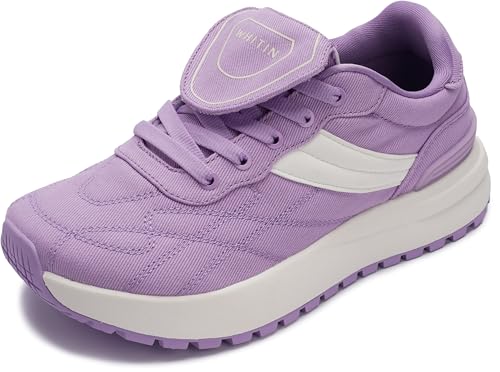
The WHITIN combines a wide toe box with cushioning in a simple purple sneaker. It targets users who want room for the toes without moving all the way to a thin barefoot shoe. That middle ground can feel easier for people who are new to wide footwear. The cushioned build may also make long walks more pleasant.
I see this shoe as a flexible daily option for errands, travel, walking, and casual fitness. A wide front can reduce crowding, while the cushioning may absorb some of the shock from firm sidewalks. Toe draggers should still check how far the sole wraps over the front because that area takes repeated contact. For tennis, use it for light drills unless the shoe feels secure during side steps and stops.
Pros:
- Wide toe box supports a more relaxed toe position
- Cushioning adds comfort for daily walking
- Good middle ground between barefoot and plush shoes
- Purple style works as a casual everyday sneaker
- May suit users with broad or sensitive forefeet
- Light design can reduce the feel of bulky footwear
Cons:
- Front durability may vary with severe toe dragging
- Not designed as a high-performance tennis shoe
- Users needing strong arch support may want a firmer model
My Recommendation
The WHITIN is best for shoppers who want a cushioned, wide shoe for everyday use. It can suit new wide-shoe users who find barefoot models too harsh but standard shoes too tight. I would choose it for walking, travel, and light gym work. It is also one of the best tennis shoes for toe draggers when “tennis shoes” means a casual athletic sneaker for easy play. Its value comes from comfort, simple styling, and a less restrictive fit.
What Makes the Best Tennis Shoes for Toe Draggers?
Toe dragging can happen for many reasons. Some people have a natural stride that lets the front of the shoe brush the ground. Others drag their toes when they feel tired, move slowly, or have trouble lifting the foot. A shoe cannot correct the cause, but it can protect the foot and make each step feel more secure.
When I review shoes for this problem, I look at six key traits. These traits matter on a tennis court and on daily walks.
1. A Wide and Tall Toe Box
A wide toe box gives the toes room to spread. A tall toe box gives them room to move up and down. Both details matter for toe draggers. If the upper presses down on the toes, even a small scrape can feel painful.
Do not judge width by the label alone. A shoe marked “wide” may still taper near the big toe. Look at the shape. The front should follow the natural outline of your foot instead of ending in a sharp point.
2. A Protective Toe Area
Toe draggers need a shoe that can handle contact with the ground. A rubber bumper or reinforced front can protect the upper. It may also extend the life of the shoe.
The five shoes above focus on wide comfort. They do not all have the same level of toe protection. If you wear through the front quickly, inspect photos and customer feedback for the toe cap, outsole wrap, and upper material. A shoe with a strong front edge may be worth more than a softer shoe that fails after a few weeks.
3. A Secure Heel
A roomy toe box should not mean a loose heel. Your heel should stay in place when you walk, stop, and change direction. Heel slip can push your foot forward and cause more toe contact.
Try the heel-lock lacing method if the shoe has a second eyelet near the top. Lace the upper eyelet into a small loop, then pull the laces across. This can hold the heel without squeezing the toes. Wear the socks you plan to use before you judge the fit.
4. Reliable Grip
Grip is vital for tennis. A player needs to stop without sliding and move sideways without losing contact. A soft running outsole may feel fine on a sidewalk but may not work well on a court.
Look for a rubber outsole with a pattern made for the surface you use. Hard courts, clay courts, and indoor courts can need different tread designs. If the product is mainly a walking shoe, treat its court use as casual unless the maker clearly states otherwise.
5. The Right Cushion Level
Cushion can make a shoe feel kind to tired feet. It may also reduce the shock from hard floors. Yet too much soft foam can make quick moves feel less stable.
The best tennis shoes for toe draggers should balance comfort and control. Walkers may prefer a soft midsole. Tennis players often prefer a firmer feel with a stable base. Your weight, foot shape, court habits, and old injuries all affect the best choice.
6. A Flexible but Stable Sole
A shoe should bend near the toes, not in the middle. A sole that folds too easily can make the foot work harder. A sole that feels like a board can limit a smooth stride.
For toe draggers, a smooth roll from heel to toe may help. But each foot moves in its own way. If you have weakness, numbness, balance trouble, or repeated falls, ask a qualified health professional for advice. Shoe choice should support care, not replace it.
How I Compare Wide Toe Box Shoes
I start with the fit. I check whether the front looks broad enough for natural toe spread. Then I consider the heel, midfoot, upper, and sole as a full system. A wide front alone does not make a good shoe.
I also separate daily comfort from tennis performance. A walking shoe can feel wonderful on a sidewalk yet fail during a hard side step. That does not make it a bad product. It simply means the shoe has a different job.
I pay close attention to practical use. Can you wear the shoe for hours? Does the upper allow air to pass? Does the sole feel stable? Will the color and style work for your daily life? These small details often decide whether a shoe stays in your closet or becomes your favorite pair.
As of 2026, shoppers still need to read product pages with care. Shoe names often use terms such as “tennis,” “athletic,” or “running” for general sneakers. Those words do not always mean the shoe meets the needs of competitive tennis. Check the outsole, return policy, size chart, and recent buyer comments before ordering.
Fit Tips for Toe Draggers
Measure both feet at the end of the day. Feet often swell after hours of standing and walking. Use the larger foot when choosing a size.
Leave a small space in front of the longest toe. Your toe should not touch the end when you stand. Too much empty space can let the foot slide and create drag, so aim for a secure fit rather than a loose fit.
Check the toe box while standing. Many shoes feel roomy when you sit but become tight when your weight reaches the foot. Wiggle your toes. If the upper presses on the nail or the sides, try a wider size or another shape.
Wear normal socks during the test. Thick socks can change the fit. Thin socks can hide a loose heel. Walk on a clean indoor floor and try a few gentle stops. If you feel slipping, pinching, or rubbing, do not wait for the shoe to “stretch.”
Remember that feet are not identical. One foot may need more width. Some people need a wide shoe with a standard heel. Others need an extra-wide shape. A careful fit is more useful than a label.
How to Stop New Shoes From Wearing at the Toe
First, inspect your walking pattern. Watch your feet in a mirror or ask a friend to record a short video. You may see whether the toe catches because of tiredness, a loose heel, or a low lifting motion.
Next, adjust the fit. A heel that moves up and down can push your foot forward. Try a heel-lock lace, but keep the front laces relaxed. The goal is to hold the rear of the foot while leaving the toes free.
You can also use a protective toe patch. Choose a patch made for footwear and follow its instructions. Apply it to clean, dry material. A patch can slow wear, but it cannot repair a sole that has already split.
Rotate two pairs if possible. Let one pair dry between uses. This may help reduce odor and material breakdown. Replace shoes when the outsole is smooth, the midsole feels flat, or the upper no longer holds the foot.
If toe dragging comes with numbness, weakness, pain, or falls, seek medical advice. A podiatrist, physical therapist, or other qualified clinician can assess your gait. The right shoe may help, but the root cause deserves attention.
Best Uses for These Shoes
The BRONAX works well for daily walking and light workouts. It suits people who want a roomy toe area in a familiar athletic shape.
The ATHMILE fits barefoot-style fans. It offers a flatter feel and may help you pay more attention to foot placement. Use a slow break-in plan.
The Wirpex suits long work days. Its comfort features make it a sensible choice for people who stand and walk for many hours.
The ZYEN is a good match for broad feet that need cushion and arch support. It may work for light sports and casual tennis.
The WHITIN is a balanced daily sneaker. It gives more toe room than many standard shoes without feeling as minimal as a barefoot model.
None of these shoes should be treated as a guaranteed solution for toe dragging. Your foot shape and movement pattern matter. Use the product that matches your main need, then test it in a safe setting.
Best-For Comparison
| Best for | Why |
|---|---|
| Wide feet and soft daily comfort | BRONAX offers a roomy toe box in a light athletic shape. |
| Natural movement and zero drop | ATHMILE gives barefoot-style users a flat, flexible platform. |
| Long work days and walking | Wirpex combines a wide front with cushioning, arch support, and a non-slip focus. |
Care Tips to Extend Shoe Life
Clean the front of the shoe after each dirty walk. Grit can work into seams and speed up wear. Use a soft brush and mild soap when the product care label allows it.
Let shoes air dry. Do not place them on a hot radiator or use high heat. Heat can harm adhesives and change the shape of the upper. Remove the insole if it is washable and let each part dry fully.
Keep the laces tied in a way that supports the heel. Do not step on the back of the shoe. Crushing the heel counter can reduce support and make the foot slide.
Watch the wear pattern. A small scrape is easy to monitor. A hole, exposed foam, loose outsole, or sharp crease means the shoe may no longer protect your foot. Replace it before the damage affects your balance.
FAQs Of best tennis shoes for toe draggers
What are the best tennis shoes for toe draggers?
The best tennis shoes for toe draggers should have a roomy toe box, secure heel, durable toe area, firm support, and court-ready grip. Among these options, BRONAX and ZYEN offer strong comfort choices for wide feet. Serious tennis players should still confirm the outsole and lateral support before playing hard.
Can a wide toe box stop toe dragging?
A wide toe box cannot stop the cause of toe dragging. It can reduce crowding, rubbing, and pressure when the toe contacts the ground. A loose heel, poor gait, fatigue, or a health issue may still cause the drag.
Are barefoot shoes good for toe draggers?
Barefoot shoes may help some users feel the ground and improve foot awareness. They also tend to provide a wide front. However, they have less cushion and support, so new users should transition slowly.
Should toe draggers choose running shoes or tennis shoes?
Choose based on the activity. Running shoes often focus on forward motion and cushion. Tennis shoes focus more on side movement, stopping, and court grip. For frequent tennis, a true court shoe with a protected toe is usually the safer choice.
How much room should be in the toe box?
Your toes should spread without touching the upper or end of the shoe. Leave a small gap in front of the longest toe. The heel and midfoot should stay secure so your foot does not slide forward.
Can I add a toe guard to my shoes?
Yes, a footwear toe patch can help protect the upper from light rubbing. Apply it to clean, dry material and replace it when it lifts. A patch cannot fix a badly worn sole or improve poor court grip.
Final Verdict: Which Should You Buy?
For most users, I would choose the BRONAX for its roomy toe box and easy daily comfort. The ZYEN is a close pick for extra-wide feet that want cushion and arch support.
The best tennis shoes for toe draggers should fit your foot, protect the toe, and match your court needs. Check sizing, grip, and return terms before ordering.

Michael Smith is the Content Strategist behind The Style Hub, where fashion meets function. With a keen eye for trends and a passion for everyday style, he curates content that helps readers make smarter, more stylish choices—from the perfect pair of sneakers to must-have accessories. Michael specializes in breaking down fashion into practical, wearable insights, making style accessible for everyone. When he’s not researching the latest trends, he’s exploring how comfort, innovation, and timeless design come together in modern fashion.