
Can A Cobbler Make Shoes Smaller: Expert Shoe-Fitting Guide
Yes, a cobbler can make some shoes smaller, but the method depends on the shoe’s design and material.
If your shoes slip, crease, or feel a little too roomy, a professional cobbler may be able to improve the fit. However, making shoes smaller is not as simple as shrinking them. A cobbler usually adjusts the inside, heel, width, or structure to create a more secure fit. This guide explains what can be changed, what cannot, expected costs, and the safest options for different shoe types.
Can a cobbler make shoes smaller?
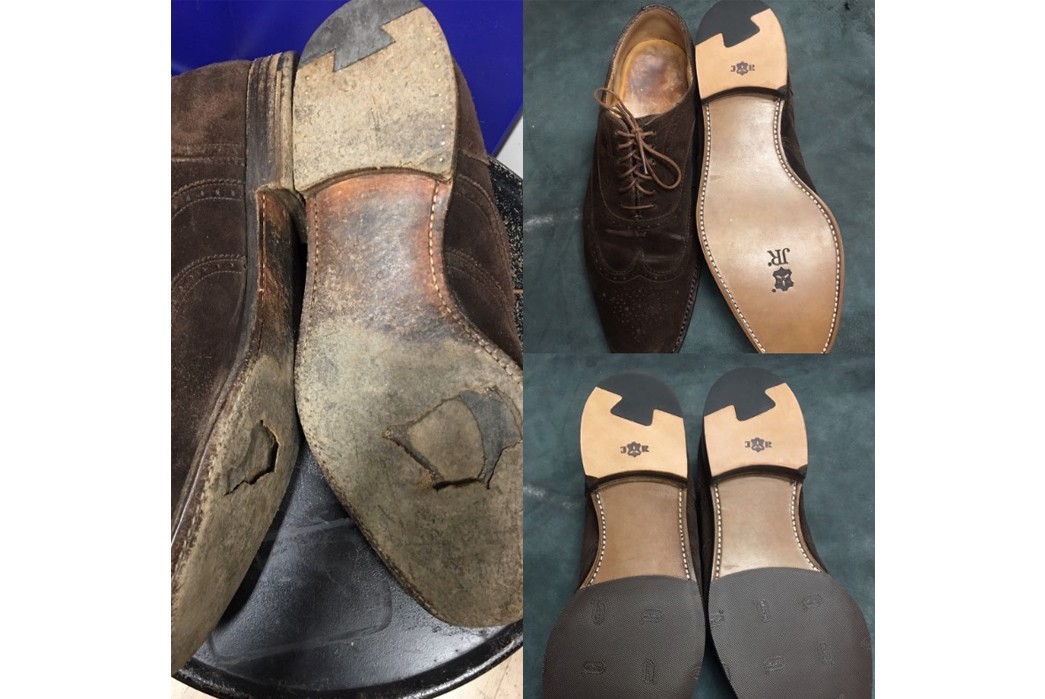
Yes, a cobbler can make shoes smaller in some cases. Most shoe repairs do not physically reduce the entire shoe. Instead, the cobbler changes the fit by adding padding, adjusting the heel area, reducing excess width, or altering parts of the upper.
The best results usually come when shoes are only slightly too large. A shoe that is one-half size too big may be easier to improve than a shoe that is two full sizes too large. The original shape, sole, stitching, and material also affect the repair.
A cobbler will normally inspect several points before suggesting a solution:
• How much extra space is inside the shoe
• Whether the problem is length, width, or both
• Whether your heel slips while walking
• Whether the upper is leather, suede, canvas, mesh, or synthetic material
• Whether the shoe has a removable insole
• Whether the shoe has a firm structure or a soft, flexible design
In many cases, the goal is not to shorten the shoe. The goal is to help your foot sit in the correct place and stop moving inside the shoe.
How does a cobbler make shoes smaller?
A cobbler uses different methods based on the part of the shoe that feels too large. Some solutions are simple and low-cost. Others require careful cutting, stitching, or rebuilding.
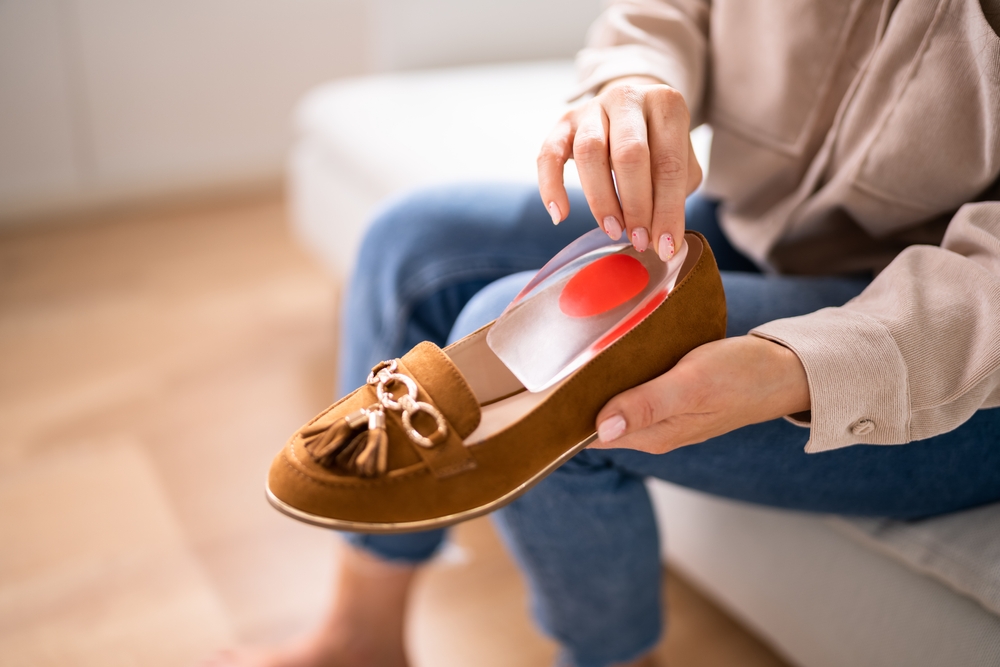
Adding a full-length insole
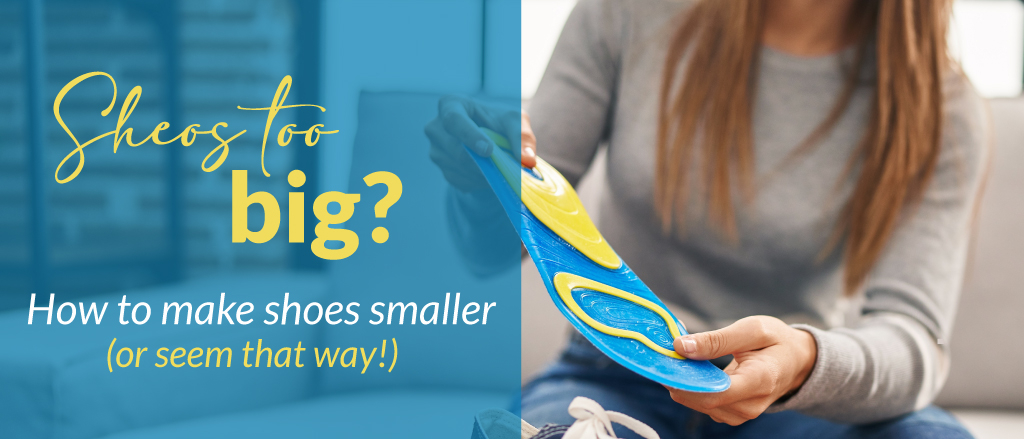
A thicker insole takes up space inside the shoe. It can raise your foot and reduce extra room under the toes and heel. This is often one of the easiest ways to improve the fit.
A full-length insole works best when the shoes are slightly too large. It may not work well if the shoe already feels tight across the top of your foot. A thick insole can also make the shoe less comfortable if it presses against your toes.
Adding a heel grip
A heel grip is a padded strip placed inside the back of the shoe. It helps hold the heel in place and can reduce rubbing and slipping.
This method is useful when the shoe length feels close but your heel comes out with each step. A cobbler can fit a better-quality heel grip than many store-bought versions. The grip may be made from leather, suede, foam, or soft synthetic material.
Adding a tongue pad
A tongue pad sits beneath the shoe tongue. It takes up space above the foot and helps stop the foot from sliding forward.
This is often helpful in loafers, dress shoes, pumps, and lace-up shoes. It can be a good choice when the shoe feels loose over the top of the foot but the length is acceptable.
Narrowing the shoe
A cobbler may reduce extra width by adjusting the upper or adding a tailored insert. In some shoes, the sides can be reshaped or stitched. This is more complex than adding an insole.
Leather shoes are usually easier to adjust than mesh sneakers or shoes made from thin synthetic fabric. The cobbler must avoid creating hard seams that rub against the foot.
Shortening the shoe
A skilled cobbler may be able to shorten certain shoes, but this is not always practical. Shortening the shoe can involve removing the sole, changing the upper, adjusting the toe shape, and rebuilding the shoe.
This repair is most realistic for some leather shoes with suitable construction. It is much harder for molded sneakers, glued shoes, sandals, and shoes with decorative toe caps. A cobbler may refuse the job if the repair could damage the shoe or make it unsafe.
Adjusting straps or closures
Sandals, Mary Janes, boots, and shoes with straps may be made to feel smaller by moving a buckle, adding a hole, shortening a strap, or replacing elastic.
This does not reduce the actual shoe size. It improves the way the shoe holds your foot. For many styles, this is the cleanest and most durable repair.
What types of shoes can a cobbler make smaller?
The answer depends heavily on the shoe material and construction. A cobbler can often adjust structured shoes more easily than soft, molded footwear.
Leather dress shoes
Leather dress shoes are among the best candidates for adjustment. They often have separate components that a cobbler can modify or replace.
Possible repairs include:
• Adding a leather or foam insole
• Installing a heel grip
• Fitting a tongue pad
• Adjusting the lining
• Narrowing selected areas
• Altering straps or buckles
• Rebuilding parts of the sole or upper
Good leather shoes may also respond well to careful reshaping. Still, reshaping cannot remove a large amount of length.
Suede shoes
Suede shoes can often receive padding, heel grips, or strap adjustments. They need careful handling because the surface can mark easily.
A cobbler may avoid aggressive stitching or heating on suede. Ask how the repair could affect the nap, color, and finish before approving the work.
Boots
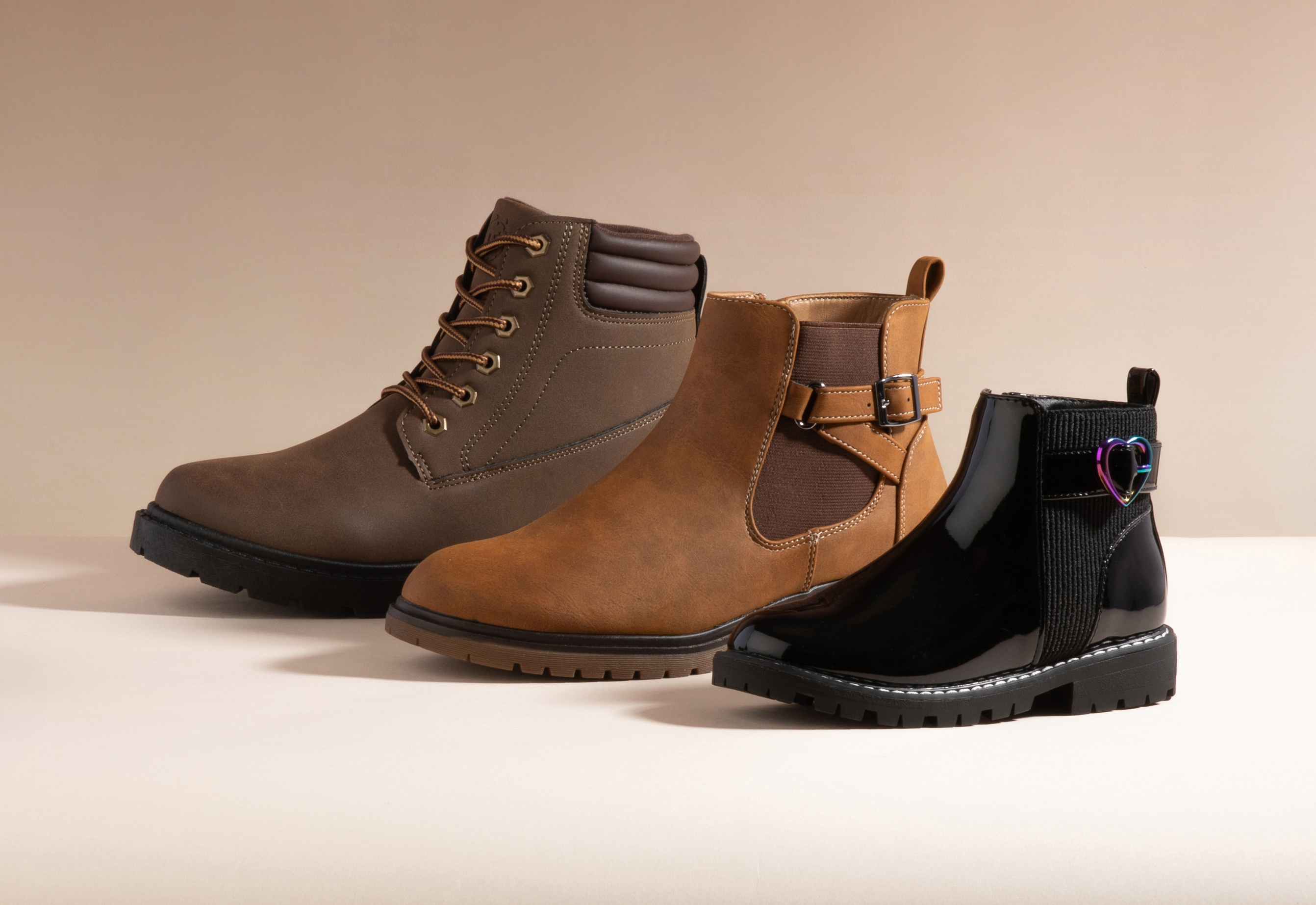
Boots can often be made to feel smaller around the ankle, heel, or calf. A cobbler may adjust the shaft, add padding, or replace the insole.
Boot length is harder to change. Work boots and riding boots may have thick soles and strong construction, which can make major changes expensive or impractical.
Sneakers
Sneakers are usually easier to make more secure than physically smaller. A cobbler may add an insole, heel pad, tongue pad, or lace adjustment.
Many sneakers use glued, molded, or stitched components that do not separate cleanly. Mesh and knit uppers can also lose their shape if altered. For expensive sneakers, ask for an inspection before attempting a permanent repair.
High heels and pumps
High heels may be adjusted with insoles, ball-of-foot pads, heel grips, or strap changes. These repairs can help prevent the foot from sliding toward the toe.
A cobbler may also add a non-slip sole. This can improve balance, but it does not reduce the shoe’s length. If a pump is much too large, it may remain unstable even after padding.
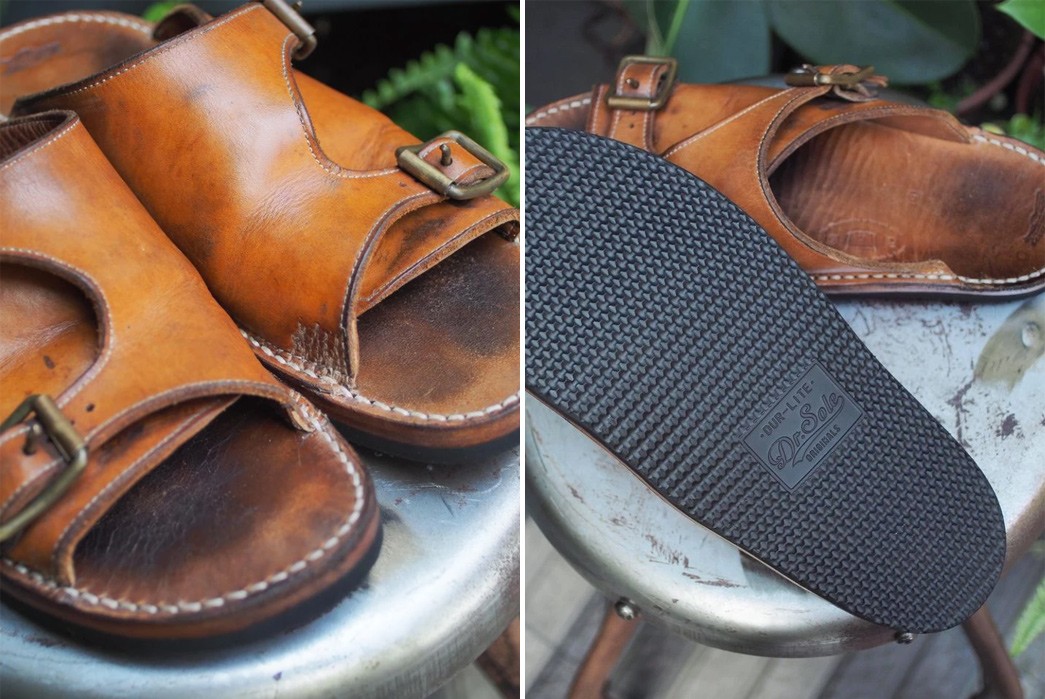
Sandals
Sandals are often good candidates for strap adjustments. A cobbler can shorten a strap, move a buckle, or add extra fastening points.
Open-toe sandals are harder to reduce in length because there is less material holding the foot in place. An insole may also look out of place or change the sandal’s design.

Can a cobbler make shoes smaller by one size?
Sometimes, but a full-size reduction is not guaranteed. A cobbler may make a large shoe feel about one-half size smaller through padding and fit changes. Reducing the actual internal length by a full size is a more difficult structural repair.
A shoe’s size includes more than length. It also involves width, toe shape, heel position, arch support, and internal volume. If only the length is too long, an insole may not solve the problem. If the shoe is wide and loose, a combination of an insole, tongue pad, and heel grip may work better.
Before paying for a complex alteration, try this simple test:
-
Put on the socks you normally wear with the shoes.
-
Place a temporary insole inside each shoe.
-
Add a removable heel grip if your heel slips.
-
Walk indoors for several minutes.
-
Check for toe pressure, heel movement, and side-to-side sliding.
This test helps show whether the problem is extra volume or true excess length. If your toes touch the front after adding an insole, the shoe may not be suitable for that repair.
How much does it cost to make shoes smaller?
The cost varies by location, shoe type, material, and repair method. Simple adjustments are usually much less expensive than rebuilding the shoe.
Typical price ranges in the United States may look like this:
• Heel grips or small pads: about $10 to $30
• Tongue pads: about $10 to $30
• Full-length insoles: about $20 to $60
• Strap shortening: about $20 to $50
• Boot shaft adjustments: about $40 to $100 or more
• Complex shortening or reconstruction: about $75 to $200 or more
These are general estimates, not fixed prices. A high-end leather shoe may cost more because the repair requires special tools and careful finishing. Local labor rates also vary.
A good cobbler should explain the repair before starting. Ask these questions:
• Will the repair change the shoe’s appearance?
• Will it be permanent or removable?
• Could it affect comfort or balance?
• What happens if the shoe still feels too large?
• Is the repair worth the value of the shoe?
For inexpensive shoes, buying a better-fitting pair may cost less than a complex alteration. For quality leather shoes, a professional repair may be a sensible way to protect your investment.
What are the benefits and limits of professional shoe alteration?
Professional shoe alteration can improve comfort and reduce waste. Instead of throwing away wearable shoes, you may be able to keep using them.
Benefits include:
• A more secure heel
• Less foot movement
• Fewer blisters and hot spots
• Better support
• A cleaner appearance than bulky home inserts
• Longer use for quality shoes
• Less waste from unwanted footwear
A cobbler can also match materials and colors. For example, a leather insole may look more natural than a thick foam insert in a formal shoe.
There are limits, too. A cobbler cannot always make a shoe smaller without changing its shape. Some repairs may reduce flexibility, create pressure points, or affect the shoe’s balance. A badly oversized shoe may never feel truly correct.
Be careful with shoes that already cause pain. A smaller-feeling shoe is not always a better-fitting shoe. Your toes should have room to move, and the widest part of your foot should sit over the widest part of the shoe.
Footwear research and podiatry guidance commonly emphasize a stable heel, enough toe space, and a secure fit without pressure. These points matter more than the number printed inside the shoe.

Should you try to make shoes smaller at home?
You can try temporary methods at home, but avoid permanent cutting, shrinking, or heating. Water, hair dryers, and strong heat can damage leather, weaken adhesives, stain suede, and distort synthetic materials.
Safer temporary options include:
• A removable full-length insole
• A half insole for dress shoes
• A soft heel grip
• A tongue pad
• Thicker socks
• A lacing pattern that locks the heel
• A ball-of-foot pad for high heels
Use one change at a time. If you add several thick pads at once, you may create pressure across the top of your foot.
A common mistake is using cotton, tissue, or paper to fill the toe. These materials compress, move around, and can create hard lumps. They may also trap moisture and cause skin irritation.
Another mistake is buying a very thick insole without checking the shoe’s internal height. If your foot is pushed upward, the shoe may rub the top of your foot or make your toes feel cramped.
My practical lesson is simple: test temporary inserts indoors first. Walk, sit, climb stairs, and check your feet after 15 to 20 minutes. If the shoe feels better but still slips, take it to a cobbler and explain exactly where the movement occurs.

How to prepare for a cobbler visit
Bring both shoes, even if only one feels loose. Shoes can wear unevenly, and the cobbler needs to compare their shape and construction.
Wear the socks or hosiery you plan to use. A shoe that fits with thin dress socks may feel too tight with thick winter socks.
Point out the exact problem:
• “My heel lifts when I walk.”
• “My foot slides toward the toe.”
• “The shoe feels too wide near the arch.”
• “The upper has too much space.”
• “The shoe is long, but the width feels right.”
Also tell the cobbler whether you want a hidden repair or the lowest possible cost. A professional may offer two or three options, such as a removable insert, a sewn adjustment, or a more permanent alteration.
Walk around the shop before approving the job if possible. The best repair should improve security without causing new pressure. If the cobbler says the shoe cannot be altered safely, that advice may save you money and discomfort.
How to tell whether the shoes are truly too big
Shoes may feel loose for several reasons. The wrong width, a low-volume upper, stretched leather, or a poorly placed heel counter can all create a “too big” feeling.
Look for these signs:
• Your heel lifts more than a small amount while walking.
• Your toes slide forward in every step.
• You must tighten the laces as far as they will go.
• The shoe bends in front of your toes instead of under the ball of your foot.
• You have to curl your toes to keep the shoe on.
• The sides gap even when the shoe is fastened.
Some heel movement is normal in new lace-up shoes. Excessive movement is not. A shoe should hold your heel while allowing your toes to spread naturally.
You can also check the fit by removing the insole, if it is removable. Stand on it with your heel aligned to the back. You should generally see a small amount of space beyond the longest toe, while the ball of your foot should match the widest part of the insole.
This test is only a guide. Foot shape differs, and shoe brands use different size standards. Comfort and stability should guide the final decision.
Frequently Asked Questions About Can a Cobbler Make Shoes Smaller
Can a cobbler make shoes smaller if they are one size too big?
A cobbler may make them feel smaller with insoles, heel grips, or tongue pads. Physically reducing a shoe by one full size is harder and may not be possible without changing its structure.
Can a cobbler shorten the length of a shoe?
Sometimes, especially with certain leather shoes that have suitable construction. Shortening length is a complex repair and may affect the toe shape, balance, stitching, or sole.
Can a cobbler make wide shoes narrower?
Often, yes. A cobbler may add fitted padding, adjust the upper, or make a structural alteration. Leather and structured shoes usually offer better results than mesh or molded sneakers.
Can a cobbler fix heel slipping?
Yes. Common solutions include heel grips, tongue pads, insoles, and adjustments to straps or laces. The right choice depends on whether the slipping comes from extra length, excess volume, or a loose heel counter.
Is it cheaper to make shoes smaller or buy new shoes?
Simple padding is usually cheaper than buying new shoes. However, a major alteration may cost more than replacing low-cost footwear, so ask for an estimate before approving the work.
Can a cobbler make sneakers smaller?
A cobbler can often make sneakers feel more secure with an insole, heel pad, or tongue pad. Permanently shortening molded or mesh sneakers is difficult and may damage their shape.
Will making shoes smaller make them more comfortable?
It can improve comfort if the problem is slipping or excess space. It will not help if the shoe is already narrow, short, or pressing on your toes.
Conclusion
A cobbler can make some shoes smaller, but the most reliable approach is usually to improve the fit rather than shrink the entire shoe. Insoles, heel grips, tongue pads, strap changes, and careful structural repairs can reduce slipping and make slightly oversized shoes more comfortable.
Leather dress shoes, boots, and structured footwear often offer the best repair options. Sneakers, sandals, and heavily molded shoes have more limits. Before choosing a repair, identify whether the problem is length, width, heel movement, or excess volume.
Try a temporary insert at home, then visit a trusted cobbler for a professional assessment. A small adjustment may save a good pair of shoes, reduce waste, and help you walk with greater comfort. Share your shoe type and fit problem with a local cobbler to find the safest solution.

Michael Smith is the Content Strategist behind The Style Hub, where fashion meets function. With a keen eye for trends and a passion for everyday style, he curates content that helps readers make smarter, more stylish choices—from the perfect pair of sneakers to must-have accessories. Michael specializes in breaking down fashion into practical, wearable insights, making style accessible for everyone. When he’s not researching the latest trends, he’s exploring how comfort, innovation, and timeless design come together in modern fashion.