How To Fix Slippery Shoes Sole: Proven Hacks For 2026
To fix slippery shoes sole, you can scuff the bottom with sandpaper, apply grip pads, or use adhesive sprays.
Walking into a room with confidence only to have your feet slide out from under you is a humbling, and often painful, experience. I remember wearing a brand-new pair of leather-soled loafers to a formal event years ago, only to realize I was skating across the polished wood floors like a novice on ice. Since then, I have spent years testing various methods to regain traction on everything from office floors to rain-slicked city streets. Understanding how to fix slippery shoes sole is a practical skill that everyone should have in their back pocket to ensure both safety and comfort. Let’s dive into the most effective ways to improve your grip so you can walk with steady, reliable footing.

Why Shoe Soles Lose Traction
Most factory-new shoes come with a smooth finish designed for aesthetics, not necessarily for grip. Over time, the material on the bottom of your footwear wears down, losing the texture or patterns that provide friction against the ground. Some materials, like hard plastic or polished leather, are inherently slippery regardless of how much you wear them. If you notice yourself sliding on smooth surfaces, it is usually because there is a lack of surface area contact and insufficient friction between your shoe and the floor. Identifying the material of your sole is the first step to knowing how to fix slippery shoes sole effectively.

Effective Methods to Fix Slippery Shoes Sole
There are several ways to improve your stability depending on how much time you have and the type of shoe you are wearing. I have found that a mix of DIY hacks and store-bought solutions works best for different scenarios.
- Sandpaper abrasion. Take a piece of medium grit sandpaper and rub it firmly against the bottom of your soles until they appear dull and slightly scratched. This creates the necessary texture to grab onto smooth surfaces.
- Adhesive grip pads. These are rubber stickers designed specifically for the bottoms of shoes. They provide an instant layer of high-traction rubber that stays in place for months.
- Hair spray trick. If you are in a pinch, a quick spray of heavy-duty hair spray on your soles can add a temporary sticky layer. Keep in mind this will need to be reapplied frequently as it wears off quickly.
- Masking tape method. Apply a few strips of masking tape in an X pattern on the ball and heel of the sole. The rough texture of the paper tape provides better grip on slick surfaces.
- Shoe sole protector sprays. You can buy specialized sprays that add a thin, tacky film to the bottom of the shoe. These are great for maintaining the look of your footwear while adding a bit of grip.

Professional Alternatives and Long Term Solutions
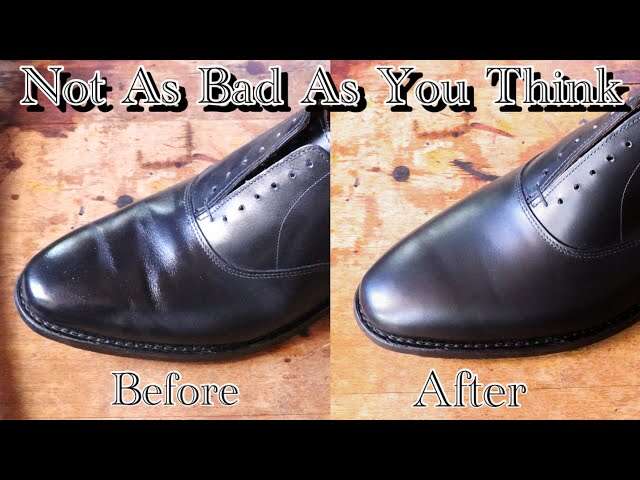
If you have an expensive pair of shoes that you want to keep for years, relying on temporary fixes might not be enough. Visiting a local cobbler is often the best way to handle this issue permanently. A cobbler can attach a thin rubber Topy sole to your leather-bottomed shoes, which drastically increases longevity and traction. This is a small investment that protects the leather from moisture damage while solving the problem of how to fix slippery shoes sole for the long haul. I personally prefer this method for my favorite dress shoes because it keeps them looking professional while keeping me upright.

Frequently Asked Questions of how to fix slippery shoes sole
Can I use super glue to add grip to my shoes?
While super glue can leave a rough texture, it is not recommended because it becomes brittle and can damage the shoe material. It is much safer to use dedicated grip pads or professional rubber soles.
How often should I reapply traction sprays?
Traction sprays are temporary and usually wear off after a few hours of walking on abrasive surfaces like concrete. You should reapply them every time you plan to wear the shoes to an event with slippery floors.
Does walking on concrete really work to break in new soles?
Yes, walking on rough concrete for a short period effectively scuffs the bottom of new shoes and removes the initial factory slickness. Just be careful not to wear down the heel or tread too much by overdoing it.
Are rubber soles always better than leather soles?
Rubber naturally provides more friction than leather, making it superior for traction in wet or indoor environments. Leather is better for breathability and formal aesthetics, though it requires modifications to stop it from being slippery.
Is it dangerous to wear slippery shoes?
Slippery shoes pose a significant risk of falling, especially on wet tile or hardwood surfaces. It is always wise to address traction issues immediately to prevent potential injuries and maintain your balance while walking.
Conclusion
Mastering the art of how to fix slippery shoes sole ensures that you never have to worry about an embarrassing slip again. Whether you choose a simple DIY sandpaper trick or opt for a professional cobbler visit, these steps provide reliable results for almost any type of footwear. Start by assessing your current shoe collection to see which pairs need a little extra friction. Taking these small precautions now will save you from potential accidents and keep you moving with total confidence. Take a look at your closet today and apply these fixes to any pair that feels a bit too slick for comfort.

Michael Smith is the Content Strategist behind The Style Hub, where fashion meets function. With a keen eye for trends and a passion for everyday style, he curates content that helps readers make smarter, more stylish choices—from the perfect pair of sneakers to must-have accessories. Michael specializes in breaking down fashion into practical, wearable insights, making style accessible for everyone. When he’s not researching the latest trends, he’s exploring how comfort, innovation, and timeless design come together in modern fashion.