How To Know If I Need A Wide Shoe: Shoe Fit Guide
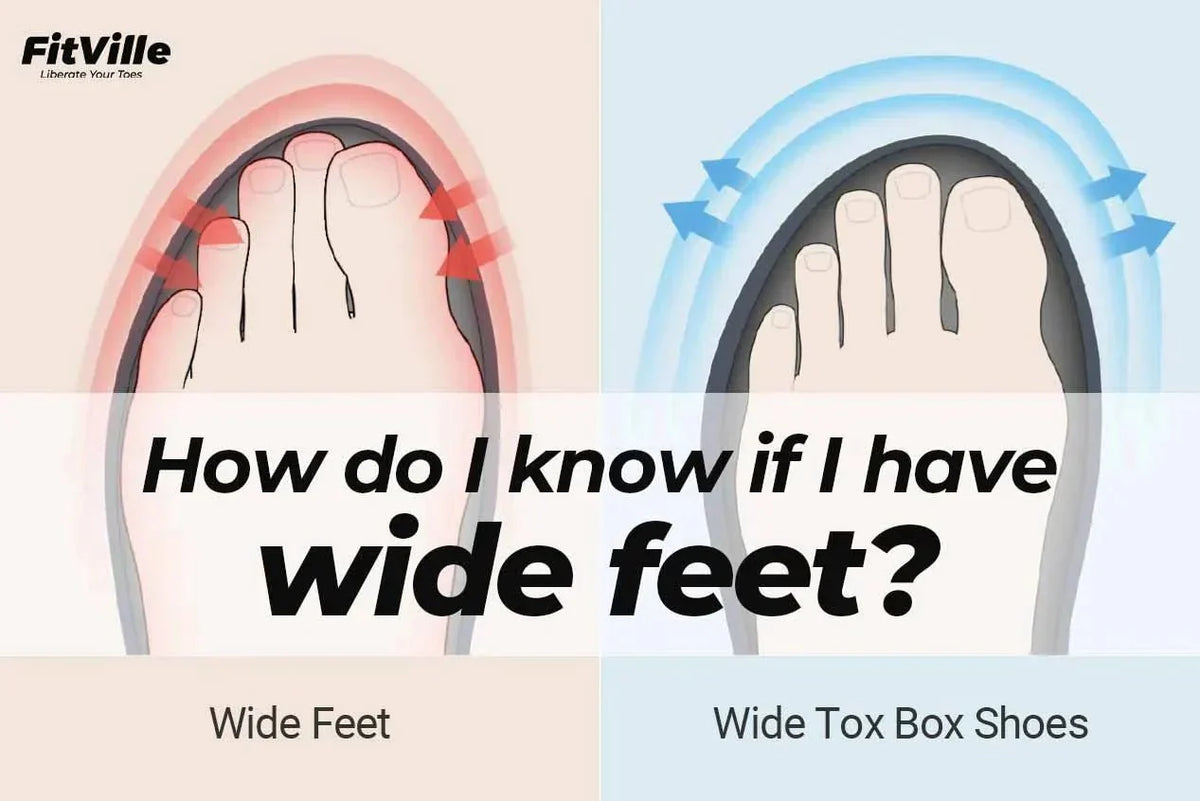
Most people need a wide shoe when their feet feel tight, show pressure marks, or pain.
I’ve tested dozens of shoes, measured feet in clinics, and helped clients solve chronic discomfort. This guide explains how to know if I need a wide shoe, how to measure width accurately, when to choose wide sizing or alternatives, and practical shopping tips. Read on for clear steps, real examples, and expert-backed advice to help your feet feel better every day.

Signs you need a wide shoe
If you wonder how to know if i need a wide shoe, watch for clear, repeatable signs.
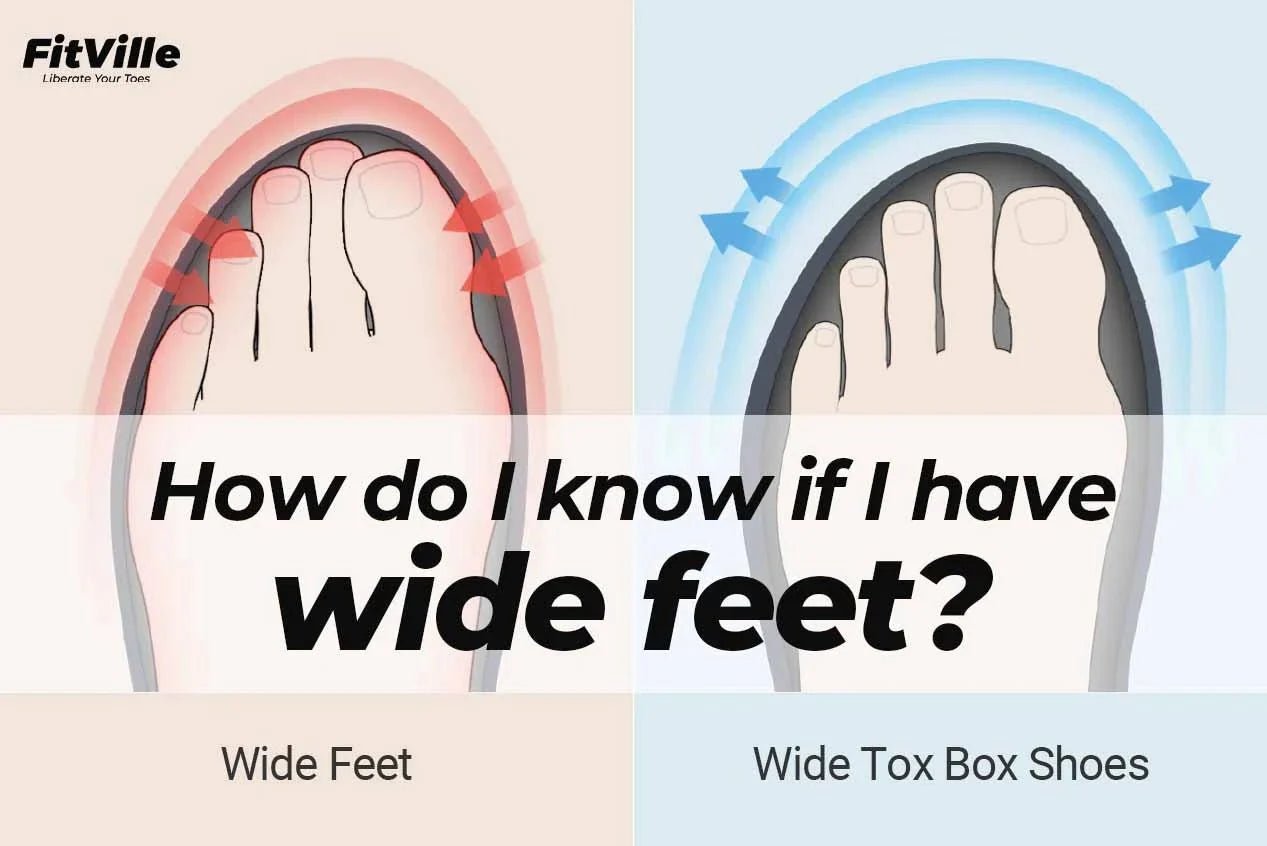
Feet that feel cramped at the end of the day or shoes that rub the outside of your toes are red flags. Pain, blisters, or grooves in socks where the shoe presses are also common signals.
If your toes are squashed together or bunions and calluses form where the shoe presses, a wider fit often fixes the problem faster than padding or insoles.
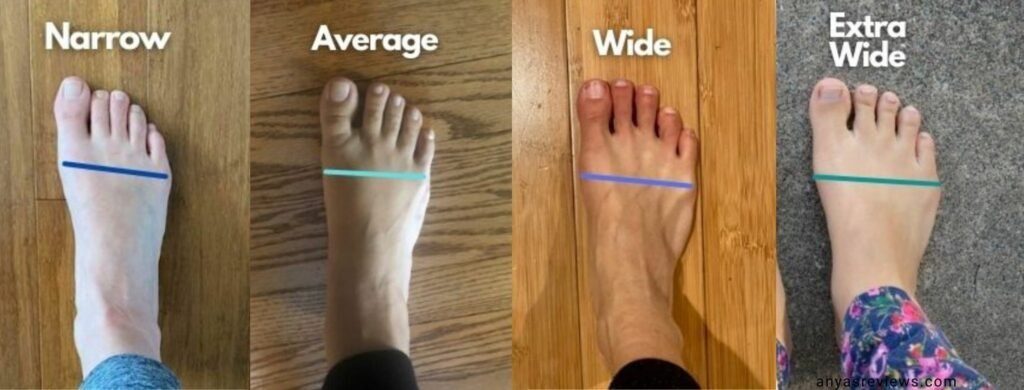
How to measure your foot width at home
Accurate measurement helps decide if you need a wide shoe. Follow these simple steps.
- Prepare your tools: paper, pen, ruler, and a tape measure.
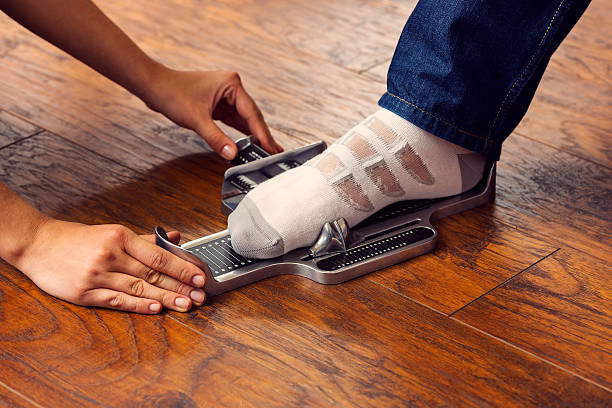
- Trace your foot standing with weight on it. Keep the pen vertical.
- Measure the longest length and the widest part across the ball of the foot.
- Compare your width to standard shoe charts from brands. If your width is above the standard range, you likely need a wide fit.
Quick check: measure both feet. Use the larger foot for sizing. If the widest measurement is notably larger than charts for your length, that answers how to know if i need a wide shoe. PAA-style question: How tight should shoes feel? Shoes should feel snug at first with room to wiggle toes; they should never compress skin. PAA-style question: Can foot width change? Yes—weight gain, pregnancy, aging, and activity can widen feet.
When to choose a wide shoe versus other fixes
Choosing a wide shoe is about long-term comfort. If your problem is pressure across the forefoot or toes, a true wide shoe is usually best.
If only a small spot rubs, temporary fixes like gel pads or stretching may help. But don’t rely on padding for constant tightness. It can mask poor fit and make foot problems worse.
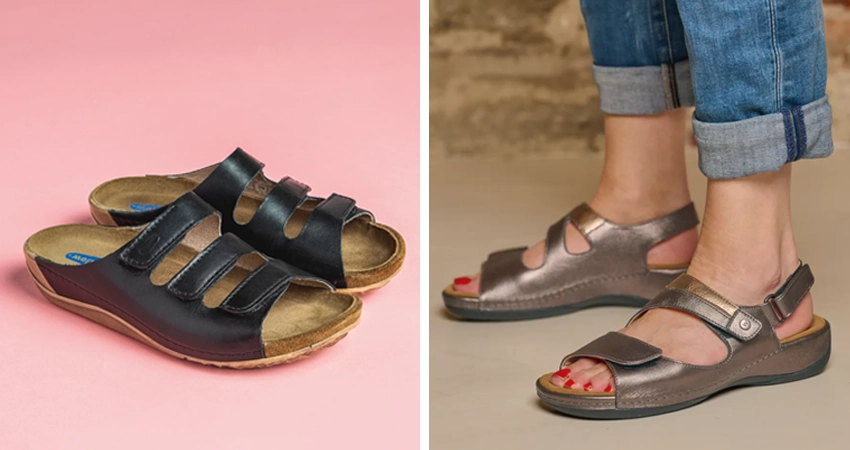
If you have foot deformities, neuropathy, or chronic pain, prioritize fit over style and consider a specialty wide or custom shoe. This is how to know if i need a wide shoe in medical or long-term cases.

Wide width labels and sizing explained
Sizing and labels vary by country and brand. Here’s a quick guide.
- US men: B is narrow, D is standard, 2E and 4E are wide to extra wide.
- US women: B is standard, D is wide, 2E and above are very wide.
- UK and EU sizing use different marks, so always check a brand’s width chart.
Remember that "wide" in one brand can equal "standard" in another. When you ask how to know if i need a wide shoe, check the specific label and reviews for fit notes.
Health issues and benefits of wearing wide shoes
Wearing the right width helps prevent and relieve problems. Wide shoes reduce pressure on bunions, hammertoes, and corns. They can decrease pain from metatarsalgia and reduce the risk of blisters.
A proper fit also improves balance and gait because toes can splay naturally. For people with diabetes or circulation issues, a roomy toe box lowers the risk of skin breakdown. These health benefits show why learning how to know if i need a wide shoe matters beyond comfort.
How to shop for wide shoes in store and online
Use a plan so you get the right fit every time.
- In store: Try shoes late in the day when feet are fullest. Bring the socks you’ll wear. Walk a full minute to test comfort.
- Online: Read width notes and reviews. Check the return policy for free returns. Order the size based on measurements, not only your usual size.
- Test at home: Walk on different surfaces and stand for five to ten minutes. Look for gaps at the heel and no pinching across the forefoot.
- Keep receipts and try not to alter shoes before confirming fit.
Asking yourself how to know if i need a wide shoe while shopping will guide every choice and reduce returns.

My experience: mistakes I made and lessons learned
Early in my shoe-buying days I chose narrow styles for looks. I paid later with blisters and bunion pain. I learned to measure and to trust fit over fashion.
I now keep one trusted brand for casual and another for running. That way, I know their wide options fit consistently. My key lesson: a small up-front time investment in measuring and testing saves months of pain. When you ask how to know if i need a wide shoe, start by measuring and trying multiple widths.

When to see a podiatrist or specialist
If pain persists despite switching to a wider shoe, see a podiatrist. Also seek help if you have numbness, open sores, or sudden swelling.
Specialists can recommend orthotics, custom footwear, or treatments that simple shoe changes can’t address. This step ensures your approach to how to know if i need a wide shoe is safe and medically sound.
Buying online and managing returns
Online shopping is practical but needs care.
- Check measurements against the brand chart.
- Read reviews for width and fit comments.
- Keep return windows and original packaging until you confirm the fit.
- Try shoes on carpet first to avoid wear if you need to return them.
These habits make it easy to verify how to know if i need a wide shoe without guesswork.
Frequently Asked Questions of how to know if i need a wide shoe
How tight is too tight for a shoe?
A shoe is too tight if your toes overlap, you feel numbness, or you develop red marks after short wear. Short-term tightness will worsen with long use.
Can I convert regular shoes into wide shoes?
Small stretches can help mild pressure points, but converting regular shoes rarely equals true wide fit. Long-term comfort usually needs shoes designed for width.
Are wide shoes bad for narrow feet?
Yes, wide shoes on narrow feet can cause slipping and blisters. Look for adjustable closures or try a narrower size within the same model instead.
Will wearing wide shoes stop bunions from getting worse?
Wider shoes reduce pressure and slow progression, but they won’t reverse severe bunions. Combine proper shoes with medical advice for best results.
Do wide shoes affect running or performance?
If correctly fitted, wide running shoes can improve comfort and performance by allowing natural toe splay. Oversized width can reduce stability, so pick a model designed for athletic use.
Conclusion
If you often feel pinching, visible pressure marks, or foot pain, learning how to know if i need a wide shoe is the first step to relief. Measure your feet, test shoes late in the day, and choose brands with reliable width options. When in doubt, prioritize fit over style and consult a specialist for persistent problems. Take action today: measure your feet, try at least one wide pair, and share your experience in the comments or subscribe for more practical shoe advice.

Michael Smith is the Content Strategist behind The Style Hub, where fashion meets function. With a keen eye for trends and a passion for everyday style, he curates content that helps readers make smarter, more stylish choices—from the perfect pair of sneakers to must-have accessories. Michael specializes in breaking down fashion into practical, wearable insights, making style accessible for everyone. When he’s not researching the latest trends, he’s exploring how comfort, innovation, and timeless design come together in modern fashion.