Best Volleyball Shoes For Plantar Fasciitis: Top Picks
The best volleyball shoes for plantar fasciitis combine stable cushioning, arch comfort, grip, and a secure court fit.
A sharp heel pain can turn warm-ups, jumps, and long practice sessions into a test of will. I know how frustrating that feels, especially when regular sneakers feel soft but fail once you start moving side to side. The right pair can reduce strain, improve control, and help you stay focused on the ball. These picks cover court shoes, wide-fit options, and supportive comfort shoes, so you can match your choice to your feet, position, and pain level.
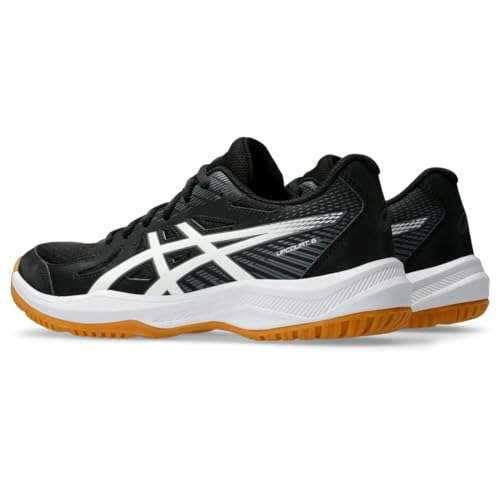
ASICS Upcourt 6 Volleyball Shoes, Black/White

The ASICS Upcourt 6 is a sensible starting point for players who want a true indoor court shoe without a high price. Its low-cut shape should feel light during quick defensive moves, while the court-focused outsole is made for gym floors. I like this style for newer players, school teams, and casual athletes who need more control than a running shoe can give. The Black/White color also looks clean and easy to match.
For plantar fasciitis, the key benefit is not simply softness. A volleyball shoe must hold the heel and limit unwanted foot movement during stops, slides, and landings. The Upcourt 6 gives you a stable base, but I would pair it with a quality volleyball insole if the stock footbed does not support your arch well. Test it indoors first, since foot shape and pain level vary from player to player.
Pros:
- Designed for indoor volleyball movement
- Light feel for quick footwork
- Stable platform for lateral play
- Clean Black/White colorway
- Good entry-level value
- Works well for practice and school matches
Cons:
- May need an aftermarket insole for stronger arch support
- Not the roomiest choice for very wide feet
- Cushioning may feel basic to heavier players
My Recommendation
I recommend the Upcourt 6 for players who want a practical court shoe with a secure feel and manageable cost. It is best for beginners, middle school athletes, and recreational players with mild plantar fasciitis who already use supportive inserts. As one of the best volleyball shoes for plantar fasciitis, it offers the court grip and stability that ordinary walking shoes lack. Its value is strongest when the fit is snug at the heel but not tight across the toes.
ASICS Upcourt 6 Volleyball Shoes, White/Ocean Haze

This White/Ocean Haze version gives you the same basic Upcourt 6 court profile in a softer-looking colorway. I see it as a good fit for athletes who want a simple shoe for open gym, team practice, or weekend league play. The low profile can help you feel close to the floor, which matters when you react to tips and short balls. It also avoids the loose, rolling feel that many casual sneakers create on a volleyball court.
Players with plantar fasciitis often need a balance between cushioning and control. Too much soft foam can feel pleasant while walking but may make lateral movement less steady. This shoe favors a firm, controlled court feel, so add an arch-support insert if your heel needs more help. Make sure the insert does not crowd your toes or lift your heel out of the rear collar.
Pros:
- Indoor court design with a low, stable feel
- Lightweight shape supports quick reactions
- White/Ocean Haze color looks fresh
- Suitable for practice and recreational matches
- Easy choice for players who dislike bulky shoes
- Can work with a replacement support insole
Cons:
- Arch support may not satisfy severe heel pain
- White upper can show gym dust and marks
- Limited room for thick orthotics
My Recommendation
I would choose this pair for a player who wants the Upcourt 6 platform but prefers a lighter, brighter look. It suits athletes with mild to moderate support needs who value floor feel and quick movement. Among the best volleyball shoes for plantar fasciitis, this model is a good budget court option, especially when combined with a thin, supportive insole. Buy from a seller with a clear return policy and test the fit with your game socks.
FitVille Wide Court Shoes with Arch Support

The FitVille court shoe stands out for its wide toe box and stated arch-support design. Those features can help players whose feet feel squeezed in narrow volleyball shoes. It is marketed for pickleball and other racquet sports, but its all-court build may appeal to casual volleyball players who need extra space. The black color is practical for frequent use and hides normal court dust well.
A roomy toe area can help your toes spread and stay relaxed, but width alone does not cure plantar fasciitis. You still need a secure heel, a stable midsole, and enough grip for the surface you play on. I would use this pair for light volleyball, drills, or multi-sport use rather than assuming it matches a dedicated volleyball shoe in every way. Check the sole carefully before playing on a polished gym floor.
Pros:
- Wide toe box helps reduce toe pressure
- Arch-support design suits comfort-focused players
- Useful for several court sports
- Good option for broad feet and bunion-prone feet
- Black color is easy to maintain
- Comfortable choice for walking between games
Cons:
- Designed mainly for pickleball and racquet sports
- May feel less agile than a dedicated volleyball shoe
- Wide fit can feel loose on narrow feet
My Recommendation
This FitVille model is best for athletes who cannot tolerate a narrow toe box or who need a more forgiving fit. It is also useful for players who walk, coach, or stand for long periods around the court. I consider it one of the best volleyball shoes for plantar fasciitis only for casual court use, not for every high-level match. Its strongest value is comfort and space, so choose it when foot width matters more than a competition-focused feel.
Women’s Orthopedic Walking Shoes for Plantar Fasciitis

This orthopedic walking shoe is not a traditional volleyball shoe, but it deserves attention for players who need daily heel comfort. Its design centers on arch support and easy walking rather than explosive court movement. I would consider it for travel days, school hallways, coaching, or recovery between practices. The simple black style also makes it easy to wear outside the gym.
It may help reduce the amount of time you spend in flat, unsupportive shoes before and after a match. However, walking comfort does not equal volleyball performance. The sole, structure, and traction may not provide the lateral support needed for hard cuts or repeated jumps. If you use it near the court, keep the activity light and switch to a proper indoor court shoe for play.
Pros:
- Made with plantar fasciitis comfort in mind
- Arch-support focus suits daily wear
- Useful for walking and recovery days
- Comfortable alternative to flat casual shoes
- Black design pairs with many outfits
- May help reduce standing fatigue
Cons:
- Not designed specifically for volleyball
- May lack the lateral stability needed for play
- Not the best choice for jumping or fast cuts
My Recommendation
I recommend this pair as a support shoe for volleyball players, not as a match shoe. It is best for athletes who need comfort while commuting, coaching, shopping, or resting an irritated heel. In a broad search for the best volleyball shoes for plantar fasciitis, this model fills the recovery and daily-wear role well. Keep a dedicated court shoe in your bag, and use this pair to give your feet a softer break before and after activity.
Under Armour Ace Low 2 Volleyball Shoes

The Under Armour Ace Low 2 is a dedicated volleyball shoe for players who want a low-cut court feel. Its design should support quick transitions from defense to attack without the weight of a tall training shoe. The brown color is less common than the usual white or black court style, which may appeal to players who want something different. I would place this model on the shortlist for athletes who value mobility and a close fit.
For plantar fasciitis, a low shoe can work well when it holds the heel firmly and does not let the foot slide inside. It may not provide enough comfort for every painful heel, so I would judge the arch shape and footbed before committing to a full season. A thin support insert can help, but a thick one may change the fit. Wear it for short sessions first and watch for heel pain later that day.
Pros:
- Purpose-built for volleyball
- Low-cut profile supports agile movement
- Good match for players who dislike bulky shoes
- Distinct brown colorway
- Suitable for drills, practice, and competition
- Secure fit can help limit foot sliding
Cons:
- Low profile may not suit players wanting extra ankle coverage
- Stock support may be insufficient for severe plantar pain
- Color may not match every team uniform
My Recommendation
The Ace Low 2 is best for active players who need a true volleyball shoe and prefer a light, close-to-the-floor design. I would recommend it to experienced athletes who already know their correct size and can add an insole if needed. It can be among the best volleyball shoes for plantar fasciitis when the heel fit is secure and the arch feels supported. Its overall value depends on fit, so do not skip a careful indoor test.
ASICS Gel-Rocket 12 Volleyball Shoes

The Gel-Rocket line has long been a familiar choice for indoor court athletes, and this Gel-Rocket 12 version targets players who want a dedicated volleyball shoe. It offers the kind of stable, court-ready shape I look for when reviewing shoes for frequent lateral motion. The White/Pure Silver colorway looks clean and athletic. This is the pair I would examine first when a player wants a stronger performance focus than a basic entry-level model.
Plantar fasciitis can make every landing feel like a small shock wave through the heel. A stable court platform and suitable cushioning may help make those landings more manageable, but they cannot replace treatment or rest when pain is severe. I like the Gel-Rocket 12 for players who need balance: enough structure for movement without choosing a heavy trainer. Pair it with a supportive insole only if it preserves the shoe’s secure fit.
Pros:
- Dedicated indoor volleyball design
- Strong option for repeated lateral movement
- Stable feel for defensive and attacking play
- Clean White/Pure Silver colorway
- Suitable for regular practice and matches
- Good choice for players moving beyond beginner shoes
Cons:
- May cost more than the basic Upcourt option
- Fit may feel firm to athletes used to soft running shoes
- May still require a custom or replacement insole
My Recommendation
I recommend the Gel-Rocket 12 for regular volleyball players who want a court-specific shoe with a more performance-minded build. It is best for athletes who make frequent cuts, jump often, and need a steady platform under the foot. For many shoppers, this is one of the best volleyball shoes for plantar fasciitis because it balances movement control with court comfort. It offers strong long-term value when the size, width, and insole work together.
How Plantar Fasciitis Changes Your Volleyball Shoe Choice
Plantar fasciitis affects the thick band of tissue that runs along the bottom of the foot. Pain often shows near the heel, and it may feel worse during the first steps after rest. Volleyball adds repeated jumps, quick stops, and short sprints. That mix can expose weak support fast.
I do not look for the softest shoe alone. Soft foam can feel nice in a store, yet a shoe that twists too much may let the foot move in ways that increase fatigue. I look for a stable base, a firm heel hold, useful court grip, and enough space for the toes to spread. Then I check whether the insole supports the arch without creating a hard pressure point.
A shoe cannot diagnose or treat a foot condition. If pain is sharp, ongoing, or changing the way you walk, speak with a licensed health professional. A podiatrist or physical therapist can assess your stride and suggest exercises, inserts, load changes, or other care. Shoes work best as part of a larger plan.
What I Look For in the Best Volleyball Shoes for Plantar Fasciitis
Stable heel and midfoot fit
Your heel should stay in place when you brake. A loose heel can cause sliding, rubbing, and extra work for the small muscles in your foot. I like a secure rear fit with enough room to flex the toes. Tight lacing can hide a poor shape for a few minutes, but it will not fix the wrong size.
Useful cushioning, not just softness
Cushioning helps reduce the harsh feel of repeated landings. Still, the best level depends on your weight, playing style, and the court. A very soft shoe may feel unstable during a fast side step. A very firm shoe may make your heel feel beaten up. Aim for a balanced feel that lets you land with control.
Arch support that matches your foot
Every arch is different. A built-in support shape may feel helpful to one player and painful to another. If you use orthotics, bring them when you try on shoes. Remove the factory insole only if the replacement fits safely and does not raise your heel too much.
Toe room and correct width
Your toes should not touch the front when you stop. Leave a small amount of space, but do not size up so far that your foot slides. Wide-foot athletes may need a wider model rather than a longer size. The FitVille option in this guide offers more room, while some court models have a closer performance fit.
Grip for indoor floors
Volleyball involves rapid changes in direction. A clean, non-marking court outsole can help you push off and stop with confidence. Dust can reduce grip, so wipe the outsole when needed. Do not use an outdoor shoe on a dusty indoor floor and expect the same traction.
Breathability and moisture control
Sweaty feet can slide inside a shoe. That movement can create friction and make your foot work harder. A breathable upper and moisture-wicking socks can improve comfort during long practice. Change damp socks after play, especially if you drive home in the same pair.
How to Fit Volleyball Shoes When Your Heel Hurts
Try shoes late in the day or after light activity. Feet can swell as the day goes on, and this gives you a more realistic fit. Wear the socks you use for volleyball. If you wear an insert, test the shoe with that insert in place.
Start with the heel. Your heel should feel held without pressure on the Achilles area. Next, check the widest part of your foot. You should feel contact, not squeezing. Finally, bend your knees, make a few side steps, and rise onto your toes. A good shoe should stay with you without pinching or sliding.
Do not judge a shoe after one quick step. Walk in it for several minutes. If you can, use a clean indoor floor and perform gentle volleyball movements. Pain that grows during the test is a warning, even if the shoe looks attractive or has strong reviews.
How to Use Insoles and Orthotics Safely
An insole can change the fit more than shoppers expect. It may reduce pressure in one area while creating pressure in another. Choose an insert that sits flat and does not push your heel out of the shoe. If the shoe feels tight after adding it, do not force the match.
Custom orthotics should come from a qualified professional when pain is complex or persistent. Over-the-counter inserts may work for mild support needs, but they are not universal fixes. I prefer a gradual break-in period. Wear the new insert for short sessions first, then increase time if your feet respond well.
Break-In Tips for New Court Shoes
Do not wear new volleyball shoes for a full tournament on day one. Start with 15 to 20 minutes of walking indoors. Then try light drills without repeated jumping. This gives you time to find rubbing, pressure, or heel lift before a long match.
Keep your old court shoes nearby for the first few practices. Rotate back if pain increases. A new pair should feel supportive, not punishing. If a shoe causes numbness, sharp pain, or a blister that keeps returning, stop using it and reassess the fit.
Best For Table
| Best for | Why |
|---|---|
| Dedicated volleyball performance | The ASICS Gel-Rocket 12 offers a court-focused balance of stability, grip, and movement control. |
| Budget court comfort | The ASICS Upcourt 6 gives beginners and casual players a practical indoor volleyball platform. |
| Wide feet and daily support | The FitVille court shoe gives more toe room, while the orthopedic walking shoe supports non-court comfort. |
Common Mistakes Players Make
The first mistake is buying a running shoe for volleyball. Running shoes usually focus on forward motion, while volleyball demands side-to-side control. A running shoe may feel soft but allow too much roll during a hard cut.
The second mistake is choosing a shoe by brand or color alone. Even excellent models can fail when the shape does not match your foot. Read reviews for fit details, but treat them as clues rather than guarantees.
The third mistake is ignoring recovery. Players sometimes blame a shoe when the true issue is a sudden rise in practice time, worn-out socks, hard floors, or a lack of rest. Increase training in small steps and pay attention to pain that lasts after activity.
How to Keep Your Feet More Comfortable During Volleyball
Warm up before full-speed play. Gentle ankle movement, calf work, and gradual court drills can help your body prepare. Avoid forcing a deep stretch into a painful heel. A coach or therapist can show you safe exercises for your needs.
Use supportive socks that fit without wrinkles. Keep laces snug through the midfoot, but do not cut off circulation. Replace shoes when the outsole becomes smooth, the midsole feels flat, or the upper no longer holds your foot.
After practice, change out of damp shoes and let them dry fully. Do not bake them with high heat, since heat can damage adhesives and materials. If pain continues, seek medical advice rather than simply buying a softer shoe.
FAQs Of best volleyball shoes for plantar fasciitis
Can volleyball shoes cure plantar fasciitis?
No. Shoes may improve comfort and control, but they do not cure the condition. Persistent pain needs an evaluation from a qualified health professional.
Are running shoes good for volleyball and heel pain?
Usually, no. Running shoes support forward motion and may not give enough lateral stability for volleyball. A court shoe is generally a safer choice for side-to-side play.
Should I use orthotics in volleyball shoes?
You may, if the insert fits well and does not create pressure. Test it during short sessions first. Custom orthotics should be fitted by a qualified professional.
How much room should volleyball shoes have?
Your toes should not touch the front when you stop, but your heel should stay secure. Choose the right width instead of simply sizing up for more space.
When should I replace volleyball shoes?
Replace them when grip fades, cushioning feels flat, the upper stretches, or your foot starts sliding. Pain and reduced control can also signal that the shoe has reached the end of its useful life.
Final Verdict: Which Should You Buy?
I would choose the ASICS Gel-Rocket 12 for regular players seeking the best volleyball shoes for plantar fasciitis. Choose the Upcourt 6 for value, or FitVille for a wider fit and casual court use.
The right shoe should feel stable, secure, and calm under pressure. Pair good footwear with gradual training, proper fit, and medical care when pain persists.

Michael Smith is the Content Strategist behind The Style Hub, where fashion meets function. With a keen eye for trends and a passion for everyday style, he curates content that helps readers make smarter, more stylish choices—from the perfect pair of sneakers to must-have accessories. Michael specializes in breaking down fashion into practical, wearable insights, making style accessible for everyone. When he’s not researching the latest trends, he’s exploring how comfort, innovation, and timeless design come together in modern fashion.