
How Do You Prevent Blisters From New Shoes: Quick Fixes
Prevent blisters from new shoes by breaking them in slowly, reducing friction, and protecting pressure points early.
Learning how do you prevent blisters from new shoes can save you from sore heels, painful toes, and ruined walks. The best approach combines proper fit, gradual wear, moisture control, and simple skin protection. This guide explains what works, what often fails, and how to treat early hot spots before they become blisters.
Why New Shoes Cause Blisters
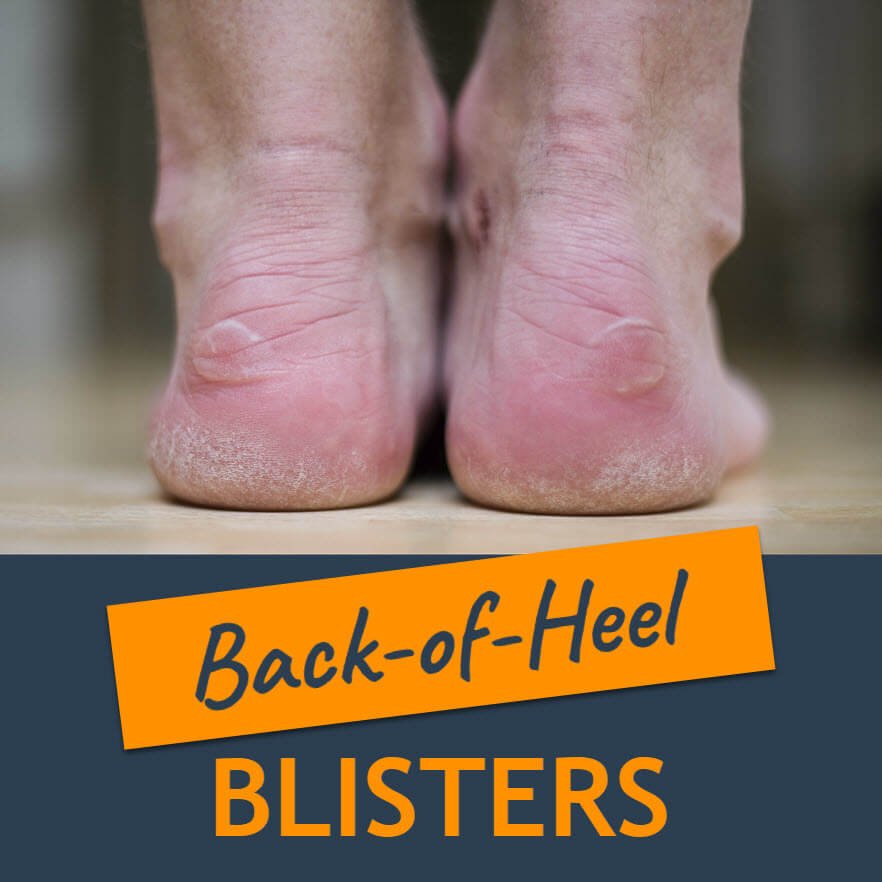
Blisters form when repeated rubbing damages the upper layers of skin. Heat and moisture make the problem worse. As the skin separates, clear fluid collects beneath it as a cushion.
New shoes often create blisters because their materials are stiff. Their shape may also differ from your old shoes, even if both pairs have the same size.
Common causes include:
• Shoes that are too tight around the toes or heel
• Shoes that are too loose and allow your foot to slide
• Rough seams, stiff edges, or hard heel counters
• Damp socks caused by sweat or rain
• Long walks before the shoes are broken in
• Thin socks that do not reduce friction
• Foot swelling later in the day
A shoe can feel comfortable for five minutes and still cause a blister after an hour. That is why testing new shoes at home matters.

How Do You Prevent Blisters From New Shoes?
The most reliable answer to how do you prevent blisters from new shoes is to control friction before pain starts. Wear the shoes for short periods, use well-fitting socks, and protect areas that feel warm or rubbed.
Follow this simple process:
-
Try the shoes on later in the day. Feet often swell after walking, so this gives you a more realistic fit.
-
Wear the socks you plan to use with the shoes. Thick hiking socks and thin dress socks change the fit.
-
Walk indoors for 10 to 20 minutes. Pay attention to your heel, little toe, big toe, and the sides of your feet.
-
Remove the shoes at the first sign of heat or rubbing. Do not wait for sharp pain.
-
Protect hot spots with moleskin, athletic tape, or a blister prevention patch.
-
Increase wear time slowly over several days.
If the shoe rubs in one exact place each time, do not assume your skin will “toughen up.” The shoe may need adjustment, stretching, or replacement.

Break In New Shoes Slowly
Breaking in shoes does not mean enduring pain. It means giving the shoe material and your feet time to adjust.
Start by wearing the shoes indoors on clean floors. Try them for 15 minutes on the first day. Add 10 to 15 minutes each day if your feet feel comfortable.
A useful break-in plan looks like this:
• Day one: Wear the shoes for 15 minutes.
• Day two: Wear them for 20 to 30 minutes.
• Day three: Wear them for 30 to 45 minutes.
• Day four and after: Use them for short outdoor walks.
Stop if you notice burning, redness, or a hot spot. A small warning sign is easier to manage than an open blister.
Soft leather may loosen with use. Synthetic materials may soften less, so they can require more careful fitting. Do not use a long walk as a test run for brand-new shoes.
Choose the Right Shoe Size and Shape
Proper fit is one of the strongest answers to how do you prevent blisters from new shoes. Your foot should feel secure, but it should not be squeezed.
Check these fit points:
• Leave about half an inch of space between your longest toe and the front of the shoe.
• Make sure your toes can spread without touching the upper.
• Keep your heel in place when you walk.
• Check that the widest part of your foot matches the widest part of the shoe.
• Make sure the arch support does not press into your foot.
• Try both shoes because many people have one foot slightly larger than the other.
Your heel should not lift sharply with each step. A small amount of movement can be normal, but repeated sliding creates friction.
Shoe size also changes by brand and style. A size 8 in one brand may not fit like a size 8 in another. Trust the fit, not the number printed inside the shoe.
Wear Socks That Reduce Friction
Socks create a protective layer between your skin and your shoes. They also help manage sweat, which can soften skin and increase rubbing.
Choose socks made for the activity. Moisture-wicking synthetic fibers or wool blends often work well for walking and hiking. Cotton can feel soft, but it may hold sweat against the skin during long activity.
Look for:
• Smooth seams
• A snug but not tight fit
• Enough cushioning for the shoe
• Moisture control
• No loose folds or wrinkles
Some people benefit from two thin sock layers. The layers rub against each other instead of directly against the skin. This method may not suit tight shoes, so check that your toes still have room.
Change damp socks as soon as possible. Carrying an extra pair can help during travel, work shifts, hikes, or outdoor events.

Protect Hot Spots Before They Blister
A hot spot is an area that feels warm, tender, or irritated before a blister appears. It is your skin’s early warning system.
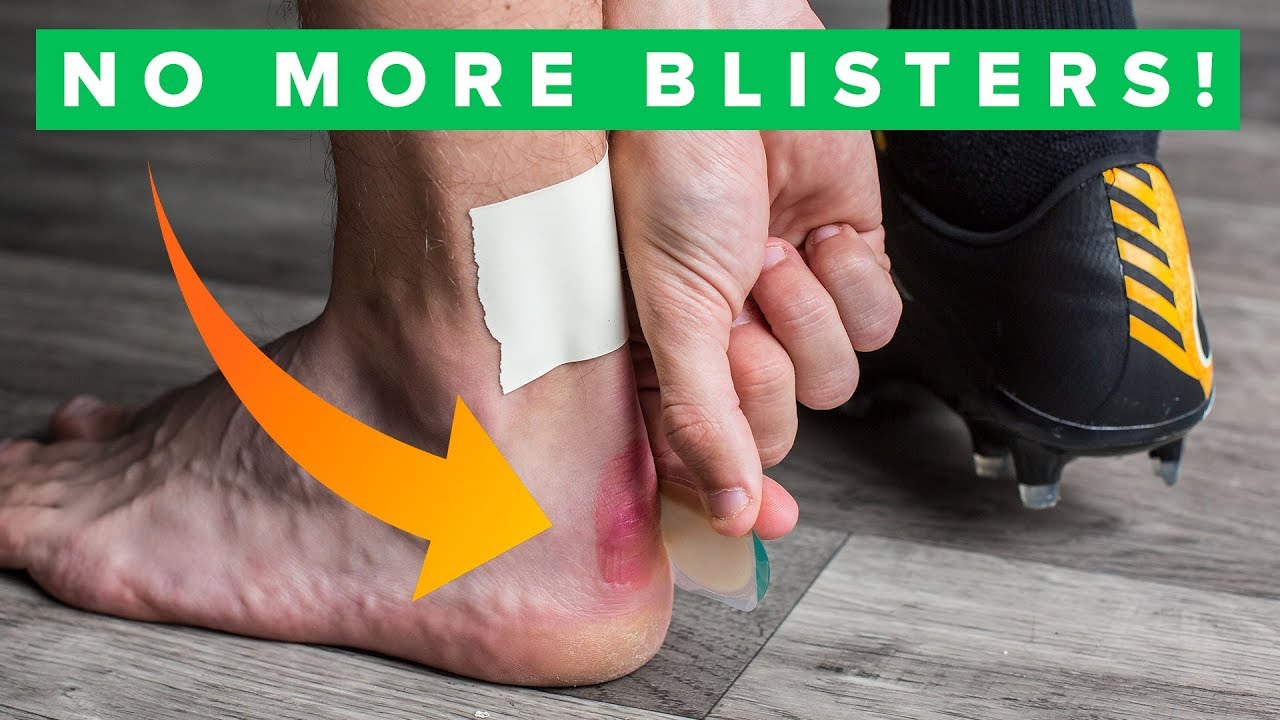
Once you notice a hot spot, stop and protect it. Clean and dry the area, then apply a smooth piece of tape, moleskin, or a blister pad. Make sure the edges lie flat so they do not create new friction.
Useful options include:
• Blister prevention patches for heels and toes
• Moleskin for pressure points
• Sports tape for small areas
• Lubricant for areas with repeated rubbing
• Gel heel cups for shoes that slip at the back
Do not place adhesive over dirty or wet skin. It may peel quickly and trap moisture.
Learning how do you prevent blisters from new shoes often comes down to acting early. Once the skin is broken, prevention becomes wound care.

Use Lubricants Carefully
A small amount of foot lubricant can lower friction. Apply it to areas that rub, such as the back of the heel, the sides of the toes, or the ball of the foot.
Petroleum jelly may help with short activities. Anti-chafing balms and purpose-made foot products can also work. However, too much product can make your foot slide inside the shoe. That sliding may create a different type of friction.
Use these tips:
• Apply a thin layer, not a thick coating.
• Test the product before a long walk.
• Avoid applying it between toes if the area stays damp.
• Reapply only when needed.
People with sensitive skin should check the ingredients. Stop using a product if it causes burning, rash, or itching.
Adjust Shoes That Rub
Sometimes the problem is the shoe, not your foot. A stiff seam, narrow toe box, or firm heel edge can create pressure in one small area.
You may be able to improve the fit by:
• Using a shoe stretcher for a tight leather area
• Asking a shoe repair professional to stretch one pressure point
• Adding a thin heel grip if your heel slips
• Changing the lacing pattern to reduce pressure
• Replacing a rough insole
Avoid forcing a tight shoe to fit with painful tricks. Heating shoes with a hair dryer can damage some materials and may not create an even fit.
For running shoes, try a heel-lock lacing method if your heel moves. This can reduce sliding without tightening the whole shoe.
Prevent Blisters During Long Walks and Hikes
Long activities require more planning because heat, sweat, swelling, and repeated steps build over time. Even shoes that feel fine at home may cause problems after several miles.
Before a long walk:
• Wear the shoes on several short walks.
• Trim sharp toenails, but do not cut them too short.
• Pack extra socks.
• Carry tape, moleskin, or blister patches.
• Apply lubricant to known hot spots.
• Check your feet during breaks.
Take short breaks before your feet become painful. Remove your shoes and let your feet dry. If a sock is wrinkled, fix it at once.
Hikers often use this approach because small foot problems can become serious during a long route. Early care is much easier than walking several miles with an open blister.
Common Mistakes That Cause Blisters
Many blister problems come from small mistakes. Avoiding them may answer how do you prevent blisters from new shoes more effectively than buying another product.
Common errors include:
• Wearing new shoes for a full day
• Ignoring a warm or tender spot
• Choosing socks with thick seams
• Wearing shoes that are too large for extra comfort
• Wearing shoes that are too tight to prevent movement
• Using wet socks
• Applying too much lubricant
• Covering a dirty blister with tape
• Popping a blister with an unclean needle
One lesson from real-world shoe fitting is simple: comfort must last, not just feel good at first. A shoe that feels soft in a store can still rub after your feet swell.
What to Do When a Blister Starts
If a blister is still closed, protect it and reduce pressure. Wash the area gently, dry it, and cover it with a cushioned dressing. A donut-shaped pad can reduce pressure around the blister without pressing directly on it.
If the blister opens:
-
Wash your hands.
-
Rinse the area gently with clean water.
-
Leave the skin flap in place when possible.
-
Apply a clean dressing.
-
Change the dressing when it becomes wet or dirty.
Do not deliberately pop a small blister. Large, painful blisters may need medical drainage, especially if you have diabetes, poor circulation, reduced sensation, or a weakened immune system.
Watch for infection. Increasing redness, warmth, swelling, pus, worsening pain, or fever requires medical advice.
When to Replace or Return the Shoes
Sometimes no product can solve a poor fit. If your toes remain cramped, your heel slips badly, or the same area blisters every time, consider returning the shoes.
Replace or stop using shoes when:
• The sole is worn unevenly
• The upper presses on a joint
• The heel counter causes repeated rubbing
• The shoe cannot accommodate your foot shape
• You develop blisters after short, gentle use
A shoe should support your activity without requiring constant emergency repairs. Learning how do you prevent blisters from new shoes also means knowing when to stop trying to make an unsuitable pair work.
Frequently Asked Questions About How Do You Prevent Blisters From New Shoes
How do you prevent blisters from new shoes on the heel?
Wear socks that fit smoothly and use a heel grip or blister patch before rubbing begins. If your heel lifts with every step, try a heel-lock lacing method or choose a better-fitting shoe.
Should you wear two pairs of socks with new shoes?
Two thin sock layers can reduce direct skin friction during walking or hiking. Do not use this method if it makes the shoes tight, because extra pressure can cause toe blisters.
Does putting deodorant on your feet prevent blisters?
Some antiperspirants may reduce sweating, but they are not a complete blister solution. Test the product first, avoid broken skin, and combine it with proper socks and shoe fit.
Is it better to pop a blister or leave it alone?
It is usually safer to leave a small, closed blister intact and cover it. A large or painful blister may need professional care, especially if you have diabetes or poor circulation.
How long does it take to break in new shoes?
Many shoes become more comfortable after several short uses, but the time varies by material and design. You should never need to tolerate ongoing pain while waiting for shoes to soften.
Can thick socks prevent blisters?
Thick socks may add cushioning, but they can also make shoes too tight. Choose socks that fit the shoe without bunching or compressing your toes.
Why do my new shoes cause blisters even when they fit?
A good size does not always mean a good shape. Rough seams, stiff materials, moisture, heel movement, or pressure in one area can still create friction.
Conclusion
The best way to prevent blisters from new shoes is to reduce friction before your skin becomes sore. Break shoes in slowly, choose the right size and shape, wear smooth moisture-managing socks, and protect hot spots at the first sign of heat.
Do not ignore repeated rubbing. A small adjustment today can save you from a painful blister tomorrow. Try these steps during your next short walk, and share your most useful shoe-fitting tip with someone who spends a lot of time on their feet.
Michael Smith is the Content Strategist behind The Style Hub, where fashion meets function. With a keen eye for trends and a passion for everyday style, he curates content that helps readers make smarter, more stylish choices—from the perfect pair of sneakers to must-have accessories. Michael specializes in breaking down fashion into practical, wearable insights, making style accessible for everyone. When he’s not researching the latest trends, he’s exploring how comfort, innovation, and timeless design come together in modern fashion.