How Do Timberland Shoes Fit: Best Sizing Guide
Timberland shoes often fit true to size, but many classic boots feel roomy and may suit a half-size-down fit.
Knowing how do Timberland shoes fit can save you from heel slip, cramped toes, and a long return process. Timberland makes many styles, from Classic 6-Inch Boots to sneakers, boat shoes, and work boots, so the best size depends on the model, foot shape, socks, and intended use. This guide explains how Timberland footwear should feel, how to measure your feet, and how to choose the right size with confidence.
How Do Timberland Shoes Fit Overall?
Most Timberland shoes fit true to size in length. However, many of the brand’s boots have a roomy toe box and a firm upper. This extra space helps with thick socks and outdoor use, but it can feel loose if you usually prefer a close, sneaker-like fit.
The most common fit pattern is:
• Length: Usually true to size
• Width: Often medium, with wide options in selected styles
• Toe box: Roomy in many boots
• Heel: Should feel secure, though slight movement is normal at first
• Arch: Moderate support, depending on the shoe
• Break-in: Firm at first, then softer with wear
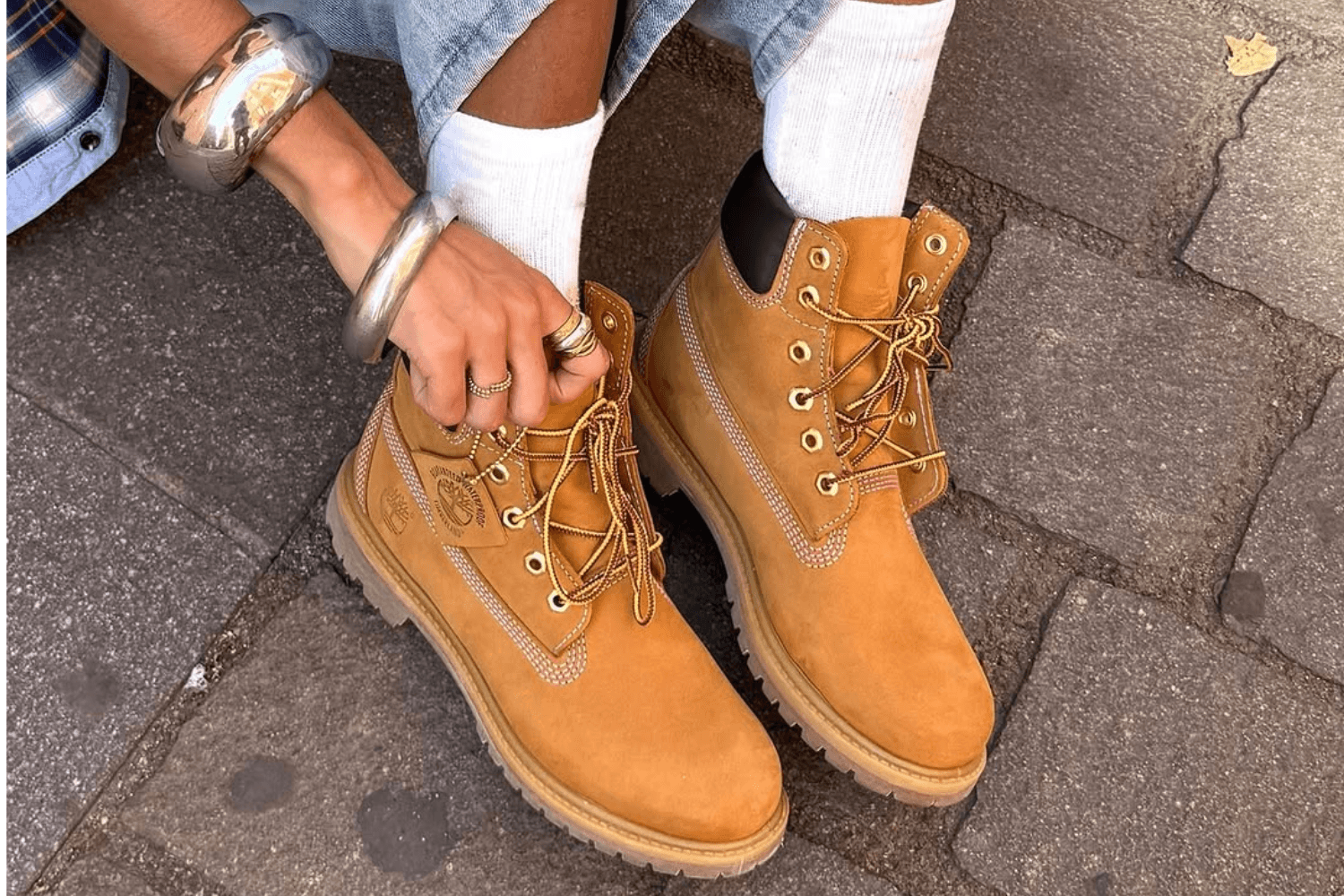
When people ask, “How do Timberland shoes fit?” they are often thinking about the Classic 6-Inch Boot. This boot can feel slightly large, especially when worn with thin socks. Many shoppers choose their usual size, while others go down half a size for a closer fit.
Do not size down automatically. Your foot length, width, instep height, and socks matter more than general advice. A person with wide feet may need their regular size or a wide version, while someone with narrow feet may prefer a half-size smaller.
Timberland Boot Sizing by Style
Timberland does not use one single fit across every product. A rugged work boot may need more room than a lightweight sneaker. Checking the product’s fit notes is always wise before ordering.
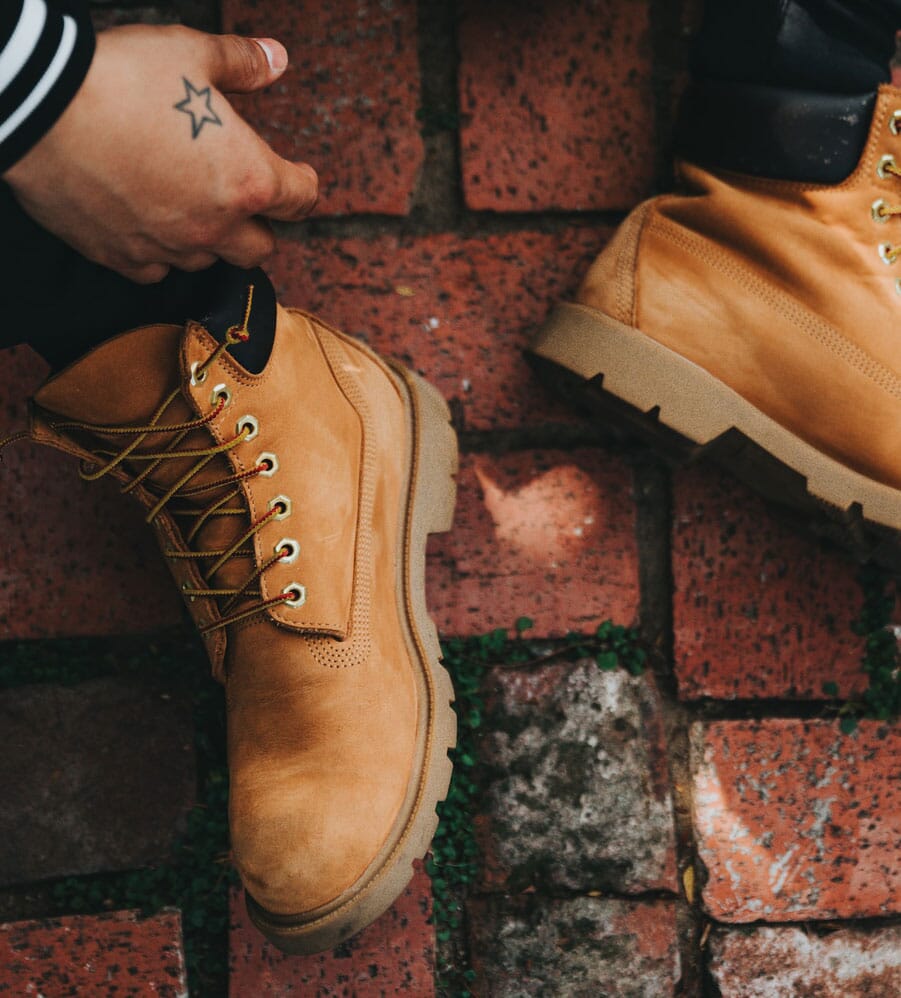
Classic 6-Inch Premium Waterproof Boot
The Classic 6-Inch Boot usually fits true to length but has a generous shape. It often feels roomy around the forefoot and instep.
For this style:
• Start with your usual size if you wear thick socks
• Consider a half size down with thin or normal socks
• Choose a wide size if your toes feel squeezed
• Check that your heel does not lift sharply when walking
A little heel movement is normal during the first few wears. The leather and padding need time to soften. However, your heel should not slide up and down so much that your foot moves inside the boot.
Timberland Work Boots
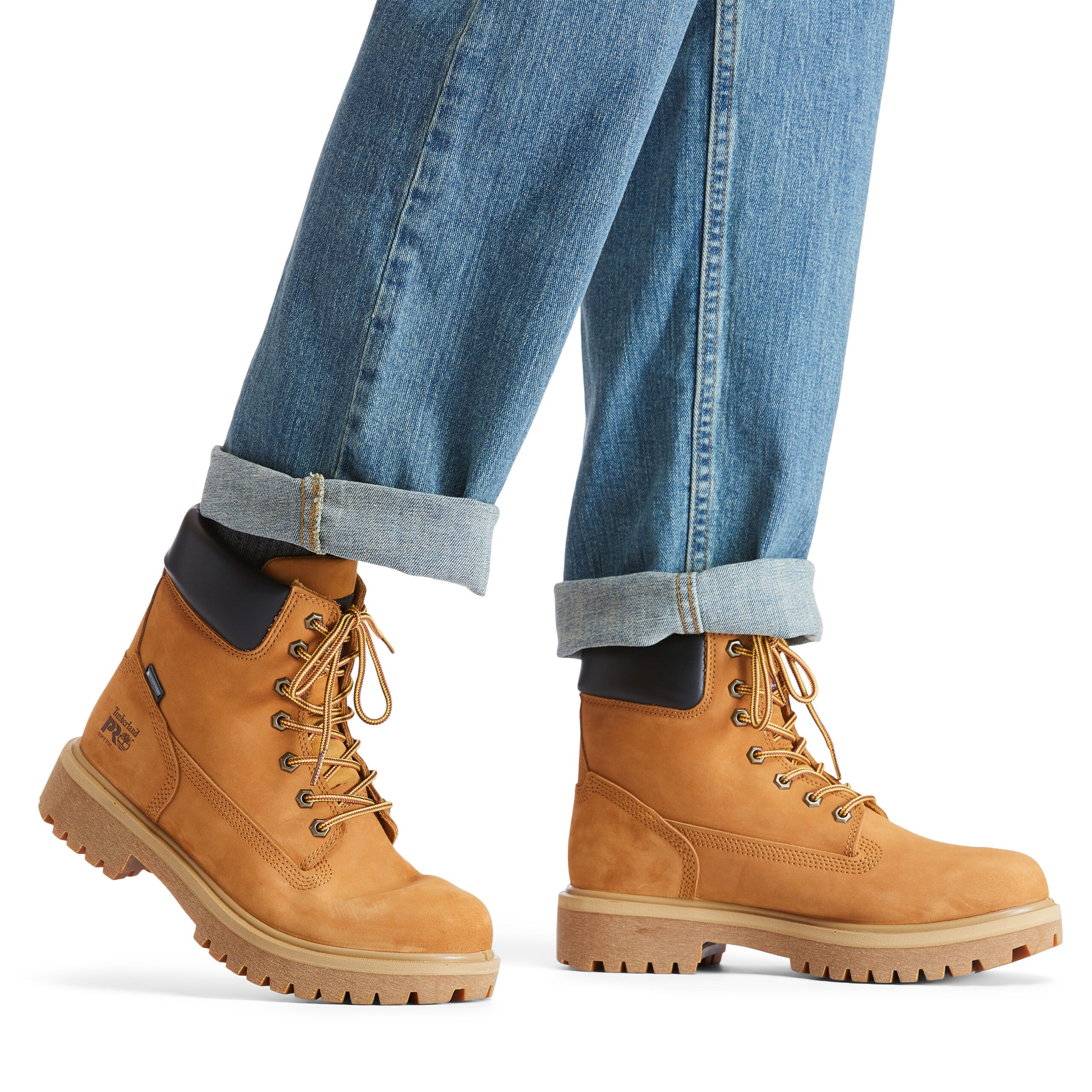
Timberland PRO work boots can fit differently from lifestyle boots. They are built for long hours, safety features, and protective materials. Many models provide extra room for work socks and natural foot swelling.
If you wear work boots for eight or more hours, do not choose a very tight fit. Feet can expand during the day. Your toes should move freely without touching the safety toe or front wall.
Timberland Sneakers
Timberland sneakers often feel closer to standard casual shoes. They may have less internal volume than the brand’s traditional boots.
For Timberland sneakers, your normal sneaker size is usually the best starting point. If you are between sizes, think about your foot width and the thickness of your socks. A narrow foot may feel more secure in the smaller option, while a wide foot may need the larger size or a wide fit.
Timberland Boat Shoes
Boat shoes often have a lower, more flexible profile. They should fit securely because they are commonly worn without thick socks. A loose boat shoe can cause rubbing and poor footing.
Look for a snug heel and midfoot. Your toes should still have enough space to spread. Do not expect the same roomy feeling found in a Classic 6-Inch Boot.
Should You Size Up or Down in Timberlands?
The right answer depends on the style and how you plan to wear it. In general, do not size up just because Timberland boots feel firm. Firm leather is not the same as a short shoe.
A half-size down may work if:
• Your usual size leaves a large gap in front
• Your heel slips with normal socks
• You have narrow feet
• You are buying a roomy classic boot
• Your toes still have space in the smaller size
Stay with your regular size if:
• You wear thick socks
• Your feet are average or wide
• You plan to walk long distances
• Your toes touch the front in the smaller size
• The shoe has a protective or safety toe
Never accept pressure on your toes in the hope that leather will stretch in length. Leather can soften and expand in width, but it will not make a short shoe longer. This is one of the most common sizing mistakes I see when helping people choose sturdy boots.
:max_bytes(150000):strip_icc()/GettyImages-2171272264-1-3f11b8487f264071acdb177fa58bab63.jpg)
How Should Timberland Shoes Feel When They Fit?
A well-fitting Timberland shoe should feel secure, not painfully tight. Think of the fit as a handshake: firm enough to hold your foot, but not so tight that it restricts movement.
Use these checks:
- Stand up while wearing the shoes. Your feet spread more under body weight.
- Leave about a thumb’s width between your longest toe and the front.
- Wiggle your toes without hitting the upper or toe cap.
- Walk on a hard floor for several minutes.
- Check that your heel stays mostly in place.
- Bend your foot and look for sharp pressure points.
- Try the shoes with the socks you expect to wear.
Some heel movement is expected in new boots. The sole is stiff, and your ankle has not yet adjusted to the boot shape. The movement should improve as the boot breaks in.
The wrong fit creates clear warning signs. Numb toes, burning spots, curled toes, strong side pressure, and repeated heel blisters are not normal break-in symptoms. They usually mean the size or shape is wrong.
How to Measure Your Feet for Timberlands
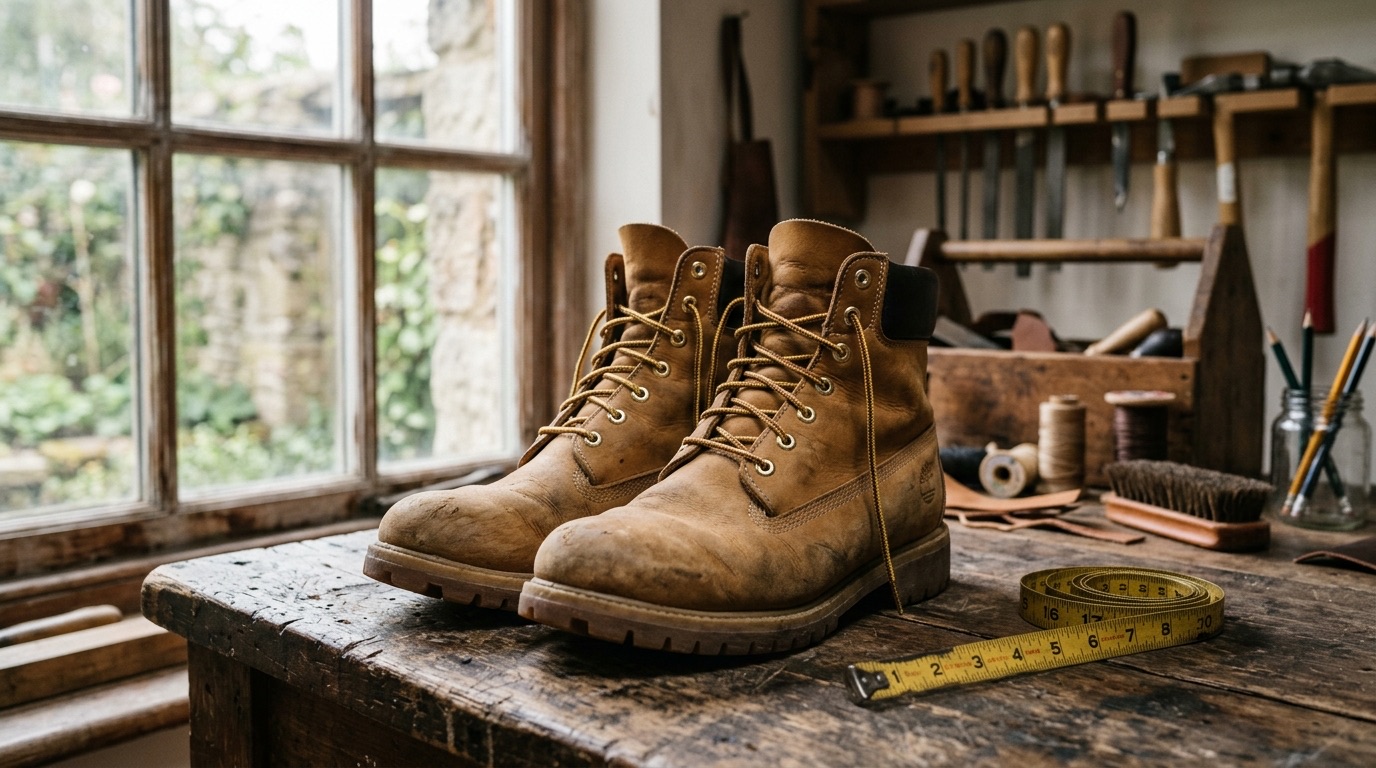
Measuring your feet at home can make Timberland sizing much easier. Do it later in the day, when feet are often slightly larger after walking and standing.
You will need paper, a pencil, a ruler, and the socks you plan to wear.
- Place the paper on a hard floor.
- Stand on it with your heel lightly against a wall.
- Trace around your foot, or ask someone to mark the heel and longest toe.
- Measure the distance between those two points.
- Measure both feet.
- Use the larger foot when checking the Timberland size chart.
- Compare your measurements with the specific product chart.
Do not measure while sitting. Your foot may lengthen and widen when you stand. Also, avoid measuring on carpet because it can change your stance.
Foot width matters just as much as length. Measure across the widest part of your foot. If your length is correct but the sides feel tight, look for a wide version instead of buying a longer shoe.
Remember that size charts are guides, not guarantees. Different lasts, materials, linings, and toe shapes can change the fit. Product-specific information is more useful than a general brand rule.

Do Timberland Shoes Need a Break-In Period?
Many Timberland boots need a short break-in period. Thick leather, padded collars, and firm soles can feel stiff when new. This does not mean the boot should cause pain.
Start with short sessions at home. Wear the boots for 30 to 60 minutes, then remove them and check your feet. Increase wear time slowly over several days.
Helpful break-in tips include:
• Wear medium-thick socks
• Use clean indoor floors during the first test
• Walk before taking a long trip
• Apply leather conditioner only when the product allows it
• Use blister pads on areas that rub
• Lace the ankle firmly without crushing the instep
Do not soak leather boots to make them soft. Excess water can damage leather, adhesives, and internal materials. Heat from a hair dryer can also dry and crack leather.
In my experience helping people prepare boots for travel and daily wear, the biggest mistake is wearing stiff new boots for a full day on the first try. A short test walk reveals fit problems before they become painful.
How Socks Change Timberland Fit
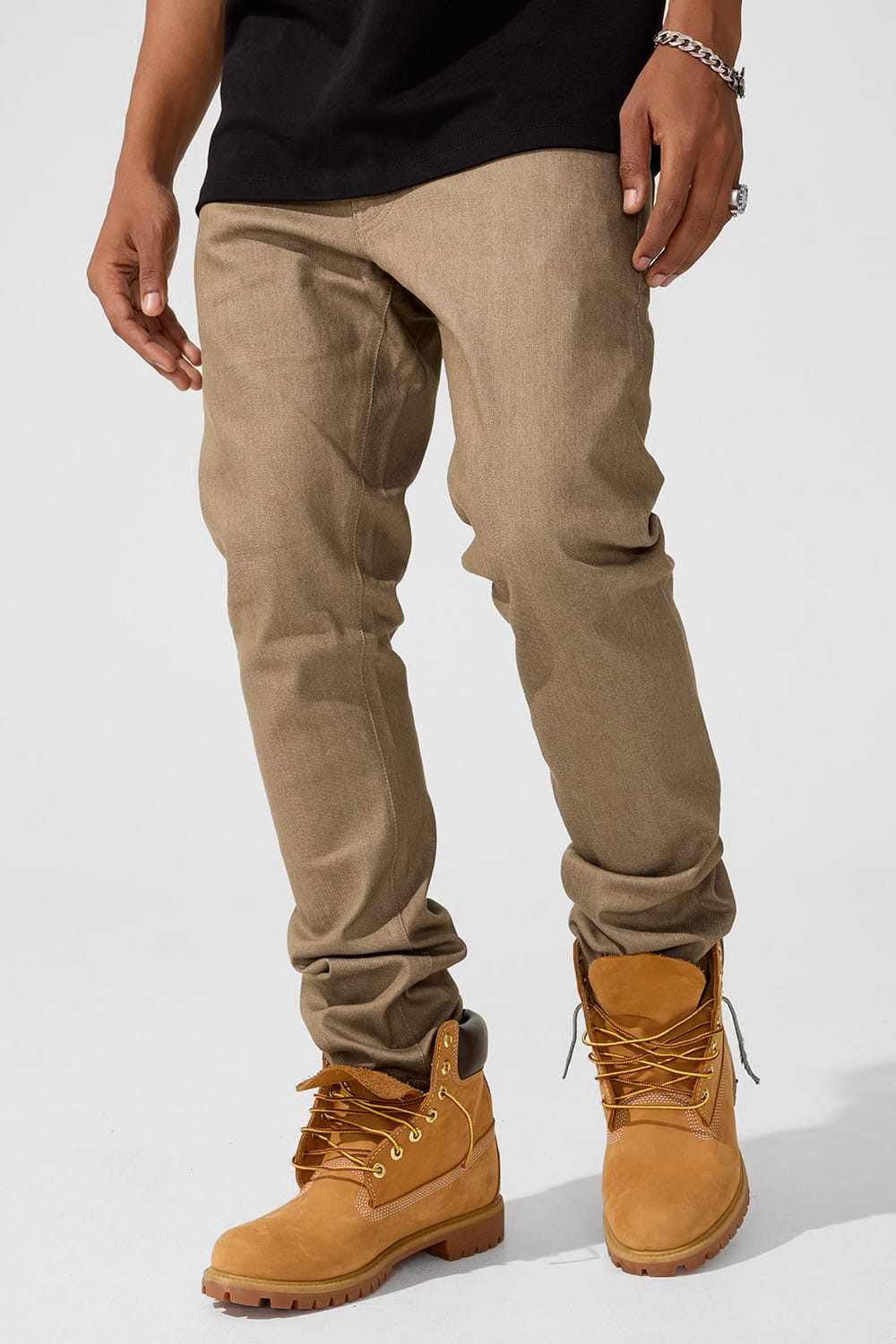
Socks can change the way Timberland shoes fit more than many shoppers expect. Thick wool socks take up extra space, while thin cotton socks leave more room around the foot.
Match the sock to the shoe’s purpose:
• Everyday wear: Medium cotton or wool socks
• Winter use: Thick wool socks
• Work use: Cushioned work socks
• Boat shoes: Thin socks or no-show socks
• Sneakers: Regular athletic socks
If the shoe feels perfect with thin socks but tight with work socks, the size may not suit your real use. Test footwear with the exact socks you expect to wear.
A loose boot can sometimes be improved with thicker socks or an insole. A tight boot is harder to fix. That is why it is safer to avoid sizing down too far, especially for long workdays or cold weather.
Timberland Fit for Wide, Narrow, and High-Volume Feet
Foot shape affects fit just as much as shoe size. Two people can wear the same length but need different widths.
Wide feet
Choose a wide Timberland option when available. A wide shoe gives your toes and forefoot more room without adding unnecessary length.
Do not buy a longer size to solve a width problem. Extra length can cause your heel to slide and your foot to move forward.
Narrow feet
Narrow feet may feel loose in roomy Timberland boots. Try a half size down if your toes still have proper space. You can also use thicker socks or a supportive insole.
Lacing techniques can help secure the heel. Lock-lacing, sometimes called heel-lock lacing, holds the heel more firmly without over-tightening the front of the foot.
High-volume feet
A high instep or tall foot may feel pressure beneath the laces. In this case, going up in length may not solve the problem. Look for a roomier model, a wide option, or a shoe with adjustable lacing.
Your foot should never feel trapped under the tongue. Persistent pressure can lead to discomfort, numbness, or skin irritation.

Common Timberland Sizing Mistakes to Avoid
Many poor fit decisions happen because shoppers focus only on the printed size. A good fit also depends on shape, use, socks, and comfort during movement.
Avoid these mistakes:
• Buying a larger size to gain width
• Choosing a smaller size because leather feels stiff
• Measuring only one foot
• Testing shoes while sitting
• Wearing thin socks when you plan to wear thick ones
• Ignoring heel slip during walking
• Assuming every Timberland model fits the same
• Taking new boots on a long trip without testing them
One practical lesson is to check fit late in the day. Feet can swell during work, travel, or long walks. Shoes that feel fine in the morning may feel tight by evening.
Also review the retailer’s return policy before wearing the shoes outdoors. Try them indoors first, keep the packaging, and inspect the sole before deciding to keep them.
How to Make Timberland Shoes Fit Better
Small adjustments can improve comfort when the size is already close.
Try these options:
• Use a cushioned insole if the boot has too much internal space
• Add heel grips for mild heel movement
• Wear thicker socks for a slightly loose fit
• Use thinner socks if the forefoot feels crowded
• Try heel-lock lacing for better ankle support
• Loosen the lower laces if the toe area feels tight
• Tighten the upper laces if the heel slips
These fixes cannot correct a shoe that is clearly too short or too narrow. They work best when the basic size is correct.
If pain remains after several short wears, return or exchange the footwear if possible. Comfort should not depend on enduring damage. People with diabetes, circulation problems, or reduced foot sensation should be especially careful and may benefit from professional medical advice.
Frequently Asked Questions About How Do Timberland Shoes Fit
Do Timberland shoes run big?
Many Timberland boots feel slightly roomy, especially in the toe box and instep. They are often true to length, but narrow-footed shoppers may prefer a half size down in selected models.
Should I size down in Timberland boots?
Not always. Consider sizing down only when your usual size leaves excess space and your toes still fit comfortably in the smaller size.
Do Timberland boots fit wide feet?
Some Timberland styles offer wide sizing, and many boots have a naturally roomy forefoot. If your toes feel squeezed, choose a wide option rather than buying a longer size.
Do Timberland shoes stretch?
Leather Timberland shoes can soften and give slightly across the width with wear. They do not usually stretch enough in length to fix a shoe that is too short.
Is heel slip normal in new Timberlands?
A small amount of heel movement can be normal in stiff new boots. Significant sliding, rubbing, or repeated blisters usually indicates a poor fit or a need for better lacing.
Are Timberland work boots true to size?
Many Timberland PRO work boots fit close to their listed size, but work socks and foot swelling can affect the choice. Check the product details and allow enough room for your toes during long shifts.
How much room should I have in Timberland shoes?
Your longest toe should have about a thumb’s width of space from the front. Your toes should move freely, while the heel and midfoot should remain secure.
Conclusion
Timberland shoes usually fit true to length, but classic boots often feel roomy and may suit a half-size-down fit for narrow feet. The best choice depends on the model, foot width, socks, and how long you plan to wear them.
Measure both feet while standing, test the shoes with your normal socks, and walk indoors before wearing them outside. A properly fitted Timberland should feel secure, give your toes room to move, and become more comfortable as it breaks in.
Use these steps before your next purchase, and explore the product-specific size guide or share your own Timberland fit experience in the comments.

Michael Smith is the Content Strategist behind The Style Hub, where fashion meets function. With a keen eye for trends and a passion for everyday style, he curates content that helps readers make smarter, more stylish choices—from the perfect pair of sneakers to must-have accessories. Michael specializes in breaking down fashion into practical, wearable insights, making style accessible for everyone. When he’s not researching the latest trends, he’s exploring how comfort, innovation, and timeless design come together in modern fashion.