Best Shoes For Anterior Tibialis Tendonitis: Top Picks
The best shoes for anterior tibialis tendonitis offer firm support, soft cushioning, and a stable, roomy fit.
You may feel pain along the front of your shin after a long walk, run, or busy workday. Even normal steps can start to feel like small sparks under the skin. The right shoe cannot cure anterior tibialis tendonitis, but it can reduce strain and make movement easier. I look for a stable sole, a flexible but not flimsy forefoot, good heel control, and enough room for swelling. Below, I review shoes, inserts, and an ankle brace that may help support a sore lower leg.
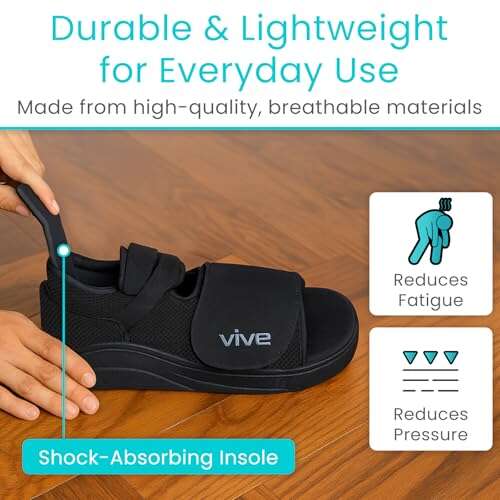
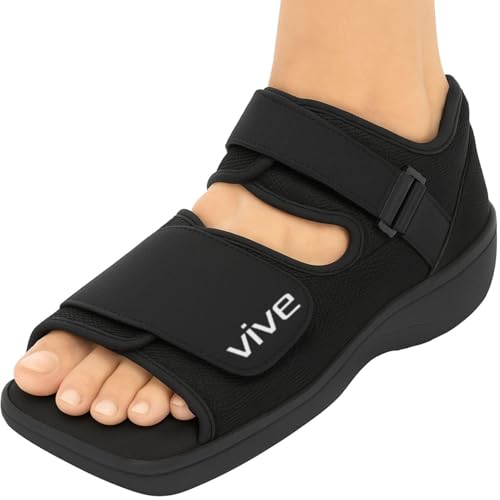
Vive Rounded Post-Op Shoe for Injured Foot

The Vive Rounded Post-Op Shoe is built for an injured foot that needs more room and less pressure. Its rounded front gives the toes space, while the firm outsole helps limit unwanted bending during each step. That design can feel useful when the front of the ankle and shin are tender. I view it as a recovery shoe first, not as a normal running shoe.
The adjustable closure helps create a secure fit when one foot is swollen or wrapped. The rocker-style sole may also make walking feel smoother by reducing the need to push hard through the toes. For anterior tibialis tendonitis, that lower push-off demand can be helpful during short walks. Still, users should follow a clinician’s advice if pain is severe, sudden, or linked to an injury.
Pros:
- Rounded toe area reduces pressure on sore toes
- Adjustable fit works over light dressings
- Firm sole helps protect an injured foot
- Rocker shape may make short walks easier
- Useful during early recovery or flare-ups
- Light design is easier to manage than a tall boot
Cons:
- Not designed for running or sports
- May feel too stiff for normal daily wear
- Open heel design may not suit every user
My Recommendation
I recommend this Vive shoe for people with a painful flare, mild swelling, or a foot that needs protection after a minor procedure. It is one of the more suitable options here for short indoor trips and careful outdoor walking. It is not the best shoes for anterior tibialis tendonitis when you need speed, long-distance comfort, or athletic grip. Its value comes from protection, room, and simple adjustment during recovery.
Vive Lightweight Medical Walking Boot
The Vive Medical Walking Boot gives more structure than a soft shoe. It uses an adjustable strap system and a protective shell to help limit motion around the foot and ankle. This can be useful when normal footwear causes too much pain. I would consider it for a short recovery period, especially when a health professional wants extra support.
A medical boot changes the way your whole leg moves, so fit matters. The foot should sit flat, and the straps should feel snug without causing numbness or pressure. The lightweight build may reduce fatigue compared with a bulky cast-style boot. However, this is not a casual comfort shoe, and it should not replace an evaluation for a tendon tear or stress injury.
Pros:
- Provides strong foot and ankle protection
- Adjustable straps help manage swelling
- Useful when a regular shoe feels too painful
- Lightweight design may reduce leg fatigue
- Firm base supports controlled walking
- Works well during a brief medical recovery plan
Cons:
- Too restrictive for many mild tendon cases
- Can create a height difference between both legs
- Not suitable for driving unless cleared by a clinician
- May feel warm during extended wear
My Recommendation
This boot is best for a more painful injury, post-procedure care, or a case where a clinician recommends limiting ankle motion. It is not my first choice for everyday anterior tibialis tendonitis because a boot can reduce normal movement more than needed. Among the best shoes for anterior tibialis tendonitis, this option fits the protection category rather than the walking-sneaker category. Buy it for a specific recovery need, not simply for extra cushioning.
IIV Men’s Orthotic Walking Shoes

The IIV Men’s Orthotic Walking Shoe is a more practical choice for daily use. It focuses on arch support, a cushioned footbed, and a walking-friendly shape. These features can help spread pressure across the foot instead of leaving one small area to do all the work. That matters when the anterior tibialis tendon feels tired after repeated steps.
I like this style for errands, standing work, and easy walks. The shoe should feel stable from heel to toe without folding in the middle like a thin slipper. Its orthotic design may help users who also have flat feet or poor foot control. Keep in mind that arch support is personal; too much support can feel just as uncomfortable as too little.
Pros:
- Designed for regular walking
- Orthotic footbed may improve pressure distribution
- Arch support can help users with flat feet
- More practical than a medical boot for daily errands
- Cushioning supports long periods of standing
- Closed design offers everyday foot protection
Cons:
- Arch shape may not fit every foot
- May need a short break-in period
- Not a substitute for custom orthotics
My Recommendation
I recommend this model for men who need a normal-looking walking shoe with added support. It suits mild to moderate symptoms when you can still walk but want less strain. I would place it among the best shoes for anterior tibialis tendonitis for work, shopping, and low-impact daily activity. Check the size carefully, and remove the factory insole if you need to use a prescribed insert.
PROFOOT Achilles Heel Cup for Women

The PROFOOT heel cup is not a shoe, but it can improve the fit of a supportive shoe. It adds a layer of cushioning under the heel and may help keep the heel better aligned. That can reduce some unwanted foot motion as you walk. It may help when front-of-ankle pain comes with heel impact or a loose shoe fit.
This insert works best inside shoes with enough depth. A tight shoe can press the heel upward and make the top of the foot feel cramped. I would try it in one shoe for a short period before wearing it all day. It is also important to remember that a heel cup cannot treat the tendon itself or correct every gait problem.
Pros:
- Adds targeted heel cushioning
- May improve heel alignment inside a shoe
- Simple way to adjust an existing pair
- Light and easy to move between shoes
- May reduce hard heel impact
- Useful for people who dislike full-length inserts
Cons:
- Does not provide full arch support
- May not fit shallow or narrow shoes
- Can feel unstable if it moves inside the shoe
- Not intended to treat a tendon tear
My Recommendation
This heel cup is best for women who already own comfortable shoes but need more heel cushioning. It can complement the best shoes for anterior tibialis tendonitis, but it should not be viewed as a complete solution. I would choose it for mild heel impact, a loose heel, or a need for a small fit change. Its low cost makes it a useful trial, provided the shoe has enough interior space.
Women’s Wide Orthopedic Walking Shoes
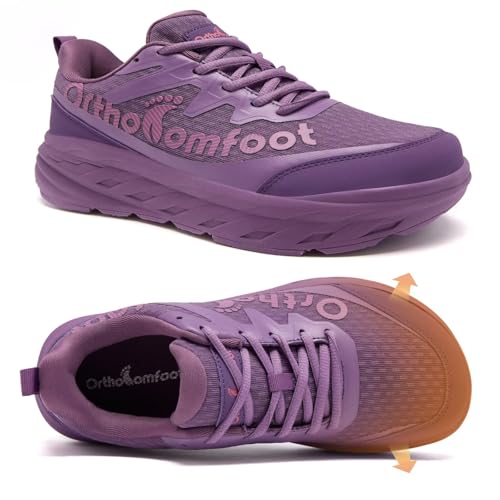
This women’s orthopedic walking shoe targets several common fit problems at once. It has a wide shape, an arch-support focus, and room for feet that swell during the day. The design may suit users with plantar foot pain, diabetes-related sensitivity, or tendon discomfort. A roomy toe area also gives the front of the foot space to spread during walking.
I find wide shoes helpful when laces or narrow uppers press on the top of the foot. That pressure can irritate the area near the anterior tibialis tendon, especially after hours on your feet. The shoe’s cushioning is aimed at walking rather than fast running. If you have reduced feeling in your feet, check your skin often because comfort alone does not show whether a shoe fits safely.
Pros:
- Wide fit helps accommodate swelling
- Roomy toe box reduces crowding
- Arch support may improve walking comfort
- Suitable for work, errands, and casual activity
- May fit users who need diabetic-friendly space
- Useful for several foot concerns in one shoe
Cons:
- Wide shape may feel loose on slim feet
- Style may look less sporty than a running shoe
- Support level may not suit high arches
- Fit can vary by foot width and sock thickness
My Recommendation
I recommend this shoe for women who need a wide toe box and steady support for daily walking. It is one of the best shoes for anterior tibialis tendonitis when swelling, bunions, or sensitive feet make narrow shoes painful. It also makes sense for people who stand for long hours. Measure both feet late in the day, since the larger foot should guide your size choice.
IIV Women’s Orthotic Walking Sneakers

The IIV Women’s Orthotic Walking Sneaker aims to blend support with a lighter everyday feel. Its sneaker shape makes it easier to wear with jeans, work clothes, or casual exercise gear. The supportive footbed may reduce the sense that your foot is working too hard to stay stable. That can be helpful when pain develops after repeated walking.
A good walking sneaker should bend near the toes but resist twisting through the middle. That balance lets the foot move without allowing excessive side-to-side motion. I would use this shoe for short walks first, then increase time as symptoms allow. If the top of the foot becomes more painful, stop and reassess the size, lacing, and activity level.
Pros:
- Everyday sneaker shape is easy to wear
- Orthotic support may improve foot stability
- Works for walking and light activities
- More flexible than a medical recovery shoe
- Can reduce pressure from unsupportive flat shoes
- Suitable for gradual return to normal routines
Cons:
- May not offer enough support for severe pain
- Footbed may feel firm at first
- Not a replacement for a custom medical device
My Recommendation
This is a strong pick for women with mild tendon irritation who want a normal sneaker instead of a boot. I would rank it as one of the best shoes for anterior tibialis tendonitis for daily comfort and gentle walking. It is especially useful when a flat fashion shoe causes symptoms. Give your feet time to adapt, and avoid using a new support shoe for a long hike on day one.
Plantar Fasciitis Day Ankle Brace
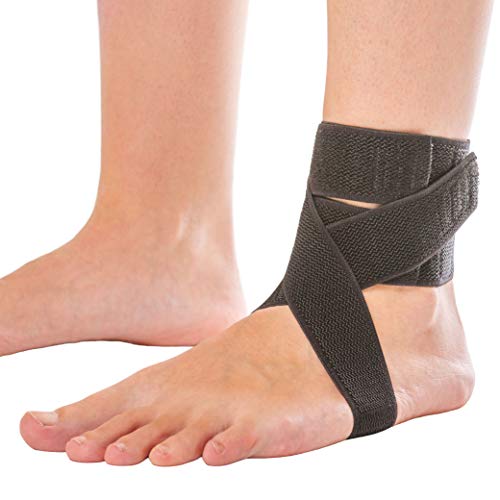
This daytime ankle brace adds support without the height of a walking boot. The heel strap and wrap design can help hold the foot in a more controlled position. It may be useful for people who need extra support inside a stable shoe. Since anterior tibialis tendonitis affects the front of the ankle, a brace may help by limiting irritating motion.
The brace must fit securely, but it should never cause tingling, cold toes, or color changes. Wear it with a shoe that has enough width and depth. A very tight shoe can turn a helpful brace into another source of pressure. I see this product as a support tool for walking, not as a cure or a reason to ignore worsening pain.
Pros:
- Provides daytime ankle support
- Fits inside many roomy shoes
- Can limit irritating foot motion
- Useful for several tendon and arch concerns
- Adjustable design allows a personal fit
- Less bulky than a medical walking boot
Cons:
- May not fit comfortably in narrow shoes
- Can take time to position correctly
- May feel warm during long wear
- Brace pressure may bother sensitive skin
My Recommendation
I recommend this brace for people who need more control than shoes alone provide. It may work well with one of the best shoes for anterior tibialis tendonitis, especially during a short walk or work shift. Users with poor circulation, nerve loss, or diabetes should ask a health professional before using a tight brace. The best result comes from a stable shoe, correct sizing, and gradual wear.
Men’s Wide Toe Box Orthopedic Shoes

This men’s orthopedic shoe places a strong focus on width, arch support, and daily stability. The wide toe box lets the toes spread instead of pressing against one another. That can make a noticeable difference when the top of the foot feels tender. The design also suits users with flat feet, bunions, or higher arches who need more than a basic flat sneaker.
A firm, supportive shoe can act like a quiet hand beneath the foot. It does not force the ankle into a new position, but it can reduce excess movement during each step. I would use this model for walking, indoor training, and casual wear rather than hard court sports. Check the upper around the laces, since too much pressure across the top can irritate a sore tendon.
Pros:
- Wide toe box supports natural toe spread
- Arch support suits several foot shapes
- Good option for daily walking and standing
- May help reduce pressure from narrow shoes
- Offers more structure than a thin casual sneaker
- Black color works with casual clothing
Cons:
- May feel too roomy on narrow feet
- Firm support is not ideal for everyone
- Not built specifically for high-speed running
- Extra width can require careful heel tightening
My Recommendation
This shoe is best for men who need space across the toes and a stable platform under the arch. It stands out among the best shoes for anterior tibialis tendonitis for people who also manage bunions or flat feet. I would choose it for work, shopping, and controlled exercise. Its overall value is strongest when narrow footwear is the main trigger for your pain.
IIV Women’s Wide Toe Box Shoes

The IIV Women’s Wide Toe Box Shoe offers a roomy front and an orthotic-style support system. It is made for users who dislike the squeezed feeling common in narrow footwear. The extra space may also help when the feet swell after work or exercise. A stable walking shoe like this can reduce the need to grip the ground with the toes.
That matters because over-gripping can change how the ankle and shin muscles work. I prefer a gradual trial with any new shoe, even when the design sounds comfortable. Wear it around the house first and check for heel slip, rubbing, or pressure across the instep. The black and gray color also makes it a simple choice for daily outfits.
Pros:
- Wide front gives toes more freedom
- Arch support may improve walking balance
- Helps accommodate mild foot swelling
- Good for errands and casual daily wear
- May reduce toe gripping in narrow shoes
- Neutral color is easy to match
Cons:
- May be too wide for slim feet
- Support may feel unusual at first
- Not intended for intense athletic training
- May need different lacing for a narrow heel
My Recommendation
I recommend this model for women who want a wide, supportive shoe without a medical-boot look. It can be one of the best shoes for anterior tibialis tendonitis when a cramped toe box or unstable flat shoe adds to discomfort. It suits mild symptoms and low-impact walking. Focus on a secure heel fit, because extra room in front should not mean that the whole shoe slides.
How to Choose the Best Shoes for Anterior Tibialis Tendonitis
Anterior tibialis tendonitis causes pain in the tendon that runs down the front of the ankle and lower leg. This muscle helps lift the foot and control the foot as it lowers to the ground. Repeated hills, sudden training increases, poor footwear, and a hard work surface may overload it. The right shoe should reduce needless stress while still allowing safe, normal movement.
Look for a Stable Midsole
A midsole that is too soft may feel pleasant for five minutes but unstable after an hour. Your foot may sink, roll, and ask the shin muscles to work harder. A stable midsole gives your foot a steady base. It should not feel like a wooden board, but it should resist easy twisting.
I usually press the shoe at the middle and try to twist it gently. A little flex is normal. If it twists like a towel, it may not offer enough control for a sore tendon. This simple check helps separate a supportive walking shoe from a soft lifestyle shoe.
Choose Moderate Cushioning
Cushioning reduces the shock that travels up from the ground. Yet the thickest foam is not automatically the best choice. Very soft foam can make the foot less stable, while very firm foam can feel harsh. For most people, moderate cushioning with a stable heel works better than an extreme design.
Pay attention to how the shoe feels after twenty minutes, not only during the first step. Tendon pain often appears after repeated loading. A shoe that remains comfortable through a short walk has more value than one that feels plush in the store.
Check the Heel and Toe Shape
A secure heel helps prevent sliding. When the heel moves inside the shoe, the foot may tense to hold it in place. That extra work can increase strain through the ankle. Use the last eyelet if needed, but never tighten the laces so much that they press on the sore front of the ankle.
The toe box should let your toes spread. Your longest toe should not touch the front. Leave about a thumb’s width between the longest toe and the shoe end. Measure at the end of the day, when feet are often slightly larger.
Do Not Ignore the Upper
The upper sits close to the anterior tibialis tendon. A stiff seam, tight tongue, or narrow lace panel may press on the painful area. Soft mesh can reduce pressure, but it still needs enough structure to hold the foot. Look for padding that feels smooth rather than bulky.
If your foot swells, adjustable laces or straps are helpful. You can loosen the shoe later in the day without losing all support. A slip-on may feel easy, but it often lacks the heel hold needed for stable walking.
Think About Your Activity
The best shoes for anterior tibialis tendonitis depend on what you do. A post-op shoe may help protect an injured foot, but it is not suitable for a brisk walk. A walking sneaker may fit daily errands, while a brace can add control for a short work shift. Match the product to the task.
Do not return to running just because a new shoe hides the pain. Pain relief can be useful, but it does not prove that the tendon has healed. Increase activity in small steps and use a rest day when symptoms rise.
Shoe Features That May Reduce Shin and Ankle Strain
Several features deserve close attention when you compare shoes. A slightly raised heel may reduce the amount of ankle bend needed during walking. This can feel easier for some users, but a high heel can also change leg mechanics. I favor a moderate, balanced sole over a dramatic heel lift.
A rocker sole may help the foot move from heel to toe with less effort. This feature can benefit a painful foot during short walks. It may feel unusual at first, so try it on a flat surface. If the rocker makes you feel unstable, choose a more traditional sole.
Removable insoles offer another advantage. They let you use a prescribed orthotic or a different insert. However, adding an insert can make the shoe too tight. Always check the fit again after inserting it. More support is not always better if it creates pressure on the top of the foot.
How I Assess Shoes for Tendon Pain
I start with fit, because even a well-designed shoe fails when the size is wrong. I check whether the heel stays in place, whether the toes can move, and whether the upper presses on the ankle. Next, I look at the sole. It should provide a calm, stable step without forcing the foot into a rigid position.
I also consider how easy the shoe is to use in real life. A product may have impressive support, but it loses value if it is hard to put on or too hot for a full workday. Adjustable closures, washable materials, and a normal appearance can matter just as much as foam thickness. A good shoe should fit your routine, not only your injury.
Finally, I separate comfort from treatment. Shoes can lower pressure and improve walking comfort. They cannot diagnose the cause of pain or repair a damaged tendon. Current orthopedic and physical therapy guidance commonly supports activity changes, gradual rehabilitation, and professional assessment when symptoms persist. That is why I treat these products as aids, not cures.
How to Wear New Shoes Safely
Start with fifteen to thirty minutes at home. Walk on a clean floor and notice any rubbing or pressure. If the shoe feels good, add a little time each day. Do not wear a new pair on a long trip before you know how your foot responds.
Use the socks you normally wear. Thick socks can change the fit, while thin socks may allow too much movement. Tie the heel firmly and keep the front comfortable. Look at your skin after wearing the shoe, especially if you have diabetes or reduced sensation.
If pain rises during the walk, stop rather than pushing through. A sore tendon often needs less load, not more willpower. Rest, ice wrapped in a cloth, and a clinician-approved exercise plan may help. Seek medical care for marked swelling, bruising, weakness, numbness, inability to lift the foot, or pain that does not improve.
Shoes, Inserts, and Braces: Which Tool Fits?
A shoe changes the base under your entire foot. It is usually the best starting point for mild symptoms. An insert changes the contact inside the shoe and may help with heel or arch comfort. A brace adds control around the ankle, but it can also limit natural movement.
I would not stack several support products without checking the fit. For example, a wide shoe, thick heel cup, and ankle brace may leave too little room. Pressure on the front of the ankle can defeat the purpose. Add one change at a time and judge the result over several short walks.
A boot serves a different purpose. It protects an injured foot when normal walking is not safe. It should not be the default choice for simple soreness. If you think you need a boot, an examination is the safer next step.
Best Uses for These Reviewed Products
| Best for | Why |
|---|---|
| Daily walking and standing | IIV men’s and women’s orthotic sneakers provide a more normal fit with support. |
| Wide feet, swelling, or sensitive toes | The wide orthopedic shoes offer extra room and reduce crowding. |
| Short-term protection or added control | Vive recovery shoes, the medical boot, the heel cup, and the ankle brace fill specific support needs. |
Important Fit and Safety Tips
Fit both feet before you buy. Many people have one foot that is slightly larger. Choose the size that protects the larger foot, then adjust the smaller side with lacing. A shoe that is too short can press the toes and increase tension through the foot.
Do not assume that “orthopedic” means custom-made. Most products in this review use general support shapes. They may feel helpful, but your foot shape and walking pattern still matter. A podiatrist, physical therapist, or sports medicine clinician can check whether you need a custom device.
Replace worn shoes when the outsole is smooth, the midsole stays compressed, or the heel tilts to one side. A worn shoe can quietly change your stride. You may not notice the change until the tendon begins to complain. For many active users, rotating two supportive pairs can also reduce repeated wear on the same materials.
FAQs Of best shoes for anterior tibialis tendonitis
What are the best shoes for anterior tibialis tendonitis?
The best shoes for anterior tibialis tendonitis usually have a stable sole, moderate cushioning, a secure heel, and a roomy toe box. The best choice depends on your foot shape, pain level, and activity. A walking sneaker often suits mild symptoms, while a recovery shoe or boot may suit a more serious injury under medical guidance.
Can shoes cure anterior tibialis tendonitis?
No. Shoes may reduce stress and improve comfort, but they do not cure tendon inflammation or damage. Rest from painful activity, gradual rehabilitation, and professional care may be needed. Seek an assessment if pain lasts, worsens, or affects normal walking.
Should I use an ankle brace with supportive shoes?
You may, if the brace fits without pressure, numbness, or skin changes. Use a shoe with enough width and depth. Ask a clinician first if you have poor circulation, diabetes, nerve loss, or a history of skin problems.
Are running shoes good for anterior tibialis tendon pain?
Some running shoes can work well for walking and later return to running. Choose a stable pair with a comfortable fit and avoid a sudden change in heel height or cushioning. Do not resume running until walking is comfortable and your clinician or rehab plan allows it.
When should I see a doctor for shin and ankle pain?
See a health professional for severe pain, swelling, bruising, weakness, numbness, foot drop, or trouble bearing weight. Also seek care when symptoms do not improve with reduced activity. These signs may point to a problem that shoes alone cannot address.
Final Verdict: Which Should You Buy?
For everyday use, I favor the IIV orthotic walking shoes because they combine support, comfort, and a normal walking shape. For swelling, choose a wide orthopedic model. For protection, choose a Vive recovery shoe only when that level of support fits your medical need.
The best shoes for anterior tibialis tendonitis should feel stable, roomy, and calm underfoot. Use them with gradual activity and proper care, not as a substitute for diagnosis or rehabilitation.

Michael Smith is the Content Strategist behind The Style Hub, where fashion meets function. With a keen eye for trends and a passion for everyday style, he curates content that helps readers make smarter, more stylish choices—from the perfect pair of sneakers to must-have accessories. Michael specializes in breaking down fashion into practical, wearable insights, making style accessible for everyone. When he’s not researching the latest trends, he’s exploring how comfort, innovation, and timeless design come together in modern fashion.