Best Basketball Shoes For Achilles Tendonitis: Top Picks
The best basketball shoes for Achilles tendonitis offer stable support, soft cushioning, a secure heel, and enough room to move.
If your heel feels tight after every game, the wrong shoe may be adding fuel to the fire. I look for a stable base, a cushioned heel, a smooth heel-to-toe transition, and a fit that does not squeeze the Achilles area. The products below include basketball shoes, heel cups, and ankle supports that may help build a more comfortable setup. Still, Achilles tendonitis needs care, not just new gear. If pain is sharp, severe, or getting worse, stop playing and ask a medical professional for advice.
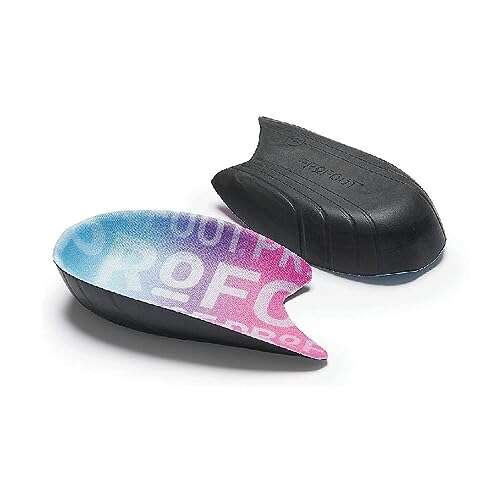
PROFOOT Achilles Heel Cup

The PROFOOT Achilles Tendonitis Orthotic Heel Cup is made for players who need extra support inside their current basketball shoes. Its raised heel design may help cushion the heel and reduce some of the pull felt around the Achilles area. The cup also aims to keep the heel more centered in the shoe. That can be useful when a standard basketball insole feels flat or harsh.
I like this option for players who already own a pair of shoes that fit well but lack heel comfort. The small lift may also help create a gentler ankle angle, though every foot responds differently. It is not a cure for tendonitis, and it should not replace rest or treatment. Start with short wear sessions before using it for a full game.
Pros:
- Adds cushioning under the heel
- May reduce harsh heel impact
- Works with many existing basketball shoes
- Helps keep the heel from sliding
- Easy to test during short practice sessions
Cons:
- May feel too high in low-volume shoes
- Does not provide full ankle bracing
- May not suit players who need a flat footbed
Reinforced Lace-Up Ankle Brace

This reinforced lace-up ankle brace gives players a way to add support without replacing a favorite pair of basketball shoes. The lace-up layout lets you adjust the fit around the ankle and lower foot. That can help the shoe feel more secure during cuts, stops, and defensive slides. Its main role is stability, rather than cushioning.
For Achilles discomfort, I would use this brace only if it does not create pressure at the back of the heel. A brace that fits too tightly can irritate the area it should protect. Wear it with a roomy basketball shoe and check the skin after practice. It may suit players who want extra ankle control while they return to light activity.
Pros:
- Adjustable lace-up fit
- Provides a feeling of ankle stability
- Can fit inside many high-top shoes
- Useful for court movement and lateral play
- Allows more control than a loose sleeve
Cons:
- May feel bulky inside a narrow shoe
- Can cause pressure if laced too tightly
- Does not add much heel cushioning
INDEEMAX Copper Ankle Compression Sleeve

The INDEEMAX ankle compression sleeve is a light support layer for players who dislike stiff braces. Its stretchy design covers the ankle and may give a snug, steady feel inside a basketball shoe. The sleeve can also help keep the foot warm during warm-ups. Unlike a lace-up brace, it does not lock the ankle in place.
The copper-infused fabric sounds appealing, but I would focus more on fit, comfort, and compression than on copper claims. Research does not prove that copper fabric treats Achilles tendonitis. This sleeve may work well for mild support when you want to keep moving carefully. It is also easier to wear under a shoe than a rigid brace.
Pros:
- Lightweight and easy to wear
- Provides gentle ankle compression
- Less bulky than a structured brace
- Fits under many basketball shoes
- Useful for warm-ups and daily wear
Cons:
- Offers limited joint control
- May roll down if the size is wrong
- Copper fabric should not be viewed as a medical treatment
INDEEMAX Two-Pack Ankle Sleeves

This two-pack gives you one sleeve for each ankle, which is useful for players who want even support on both sides. The compression fabric may reduce the loose feeling that some people notice after activity. It is thin enough to pair with a roomy basketball shoe. The simple pull-on design also makes it quick to use before practice.
I see the two-pack as a practical choice for training bags and regular rotation. You can wash one sleeve while using the other, which is helpful during a busy season. As with any compression product, the sleeve should feel snug but never numb, painful, or restrictive. It may support comfort, but it cannot correct poor footwear or excessive training load.
Pros:
- Includes a matching pair
- Good value for regular players
- Light compression does not add much bulk
- Easy to put on and remove
- Works for practice, travel, and daily use
Cons:
- May not provide enough support for serious instability
- Fit can change after repeated washing
- May feel warm during long summer games
Reinforced Lace-Up Ankle Brace
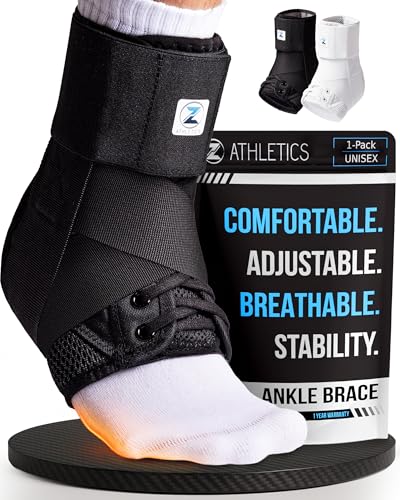
This reinforced lace-up ankle brace is another support option for players who want a customizable fit. The laces help you set the tension around the ankle instead of relying on a fixed sleeve. That design can feel reassuring during quick changes of direction. It may also help a basketball shoe feel more connected to the foot.
I would choose this type of brace for players with a history of ankle rolls who also need to protect a sore lower leg. However, more support is not always better for Achilles pain. Check that the rear edge does not rub the tendon, and avoid tightening it to the point of tingling. A gradual return to play remains more important than any brace.
Pros:
- Customizable lace tension
- Reinforced build for active use
- Supports side-to-side movements
- Can fit many court shoes
- Useful for players who want a secure feel
Cons:
- Needs careful adjustment
- May rub if the shoe has a low heel collar
- Can feel restrictive during deep ankle bends
Second Reinforced Lace-Up Ankle Brace
This version of the reinforced lace-up ankle brace offers the same basic idea: adjustable support for the ankle and lower foot. It can be useful when a player wants more structure than a compression sleeve provides. The lace system lets you fine-tune the fit as your foot changes during the day. That control may help reduce unwanted foot movement inside the shoe.
For Achilles tendonitis, I would pair it with a shoe that has a soft, padded heel collar. A stiff brace inside a firm shoe may create too much pressure at the back of the ankle. Test it while walking first, then try short shooting sessions. If the brace increases pain, remove it rather than forcing your body to adapt.
Pros:
- Adjustable for different foot shapes
- Can improve the feeling of lockdown
- Useful for court drills and light play
- More supportive than a basic compression sock
- May help limit unwanted ankle motion
Cons:
- Can take time to fit correctly
- May not fit narrow basketball shoes
- Does not replace professional rehabilitation
Benmarck Achilles Tendon Support Brace

The Benmarck Achilles Tendon Support Brace uses a sleeve-style design for light compression around the ankle. It may suit players who want a less noticeable layer under a basketball shoe. The unisex design and simple shape make it easy to use for sports, walking, or daily tasks. It also aims to support the foot and ankle without the bulk of a hard brace.
This type of sleeve can feel comfortable during warm-ups and low-impact activity. I would not rely on it to make a painful tendon ready for full-court play. The fit should stay smooth, with no deep folds behind the heel. If you have flat feet or need stronger arch support, you may need a separate insole or advice from a podiatrist.
Pros:
- Light and discreet under shoes
- Designed for ankle and Achilles-area support
- Simple pull-on construction
- Suitable for sports and daily wear
- May help keep the ankle warm during activity
Cons:
- Limited protection from ankle twists
- May not fit every calf and ankle shape
- Compression may feel too warm during games
Modvel Foot and Ankle Brace Socks

The Modvel foot and ankle brace socks are designed for people who want foot coverage as well as ankle compression. The sock-like shape may feel more natural than a strap brace inside a basketball shoe. It can provide a snug layer around the foot and ankle during movement. That makes it a reasonable option for mild support and everyday comfort.
I especially like this style for players who dislike hard edges and thick straps. It may work under a shoe with a soft upper and a little extra room. However, it will not offer the same stability as a lace-up brace. Use it as part of a larger plan that includes warm-ups, load control, and gradual strength work.
Pros:
- Comfortable sock-style construction
- Covers more of the foot than a short sleeve
- Low profile inside many shoes
- Easy to wear during daily activities
- May suit players who dislike rigid braces
Cons:
- Not designed for major ankle instability
- May feel tight across the foot
- Can be warm during long games
Under Armour Lockdown 8 Basketball Shoe

The Under Armour Lockdown 8 is the only true basketball shoe in this group, so it deserves special attention. A court shoe should give you a stable platform, reliable traction, and enough cushioning for repeated jumps and stops. This model is aimed at everyday basketball use and may appeal to players who want a straightforward shoe. Its fit and comfort will depend on your foot shape and the exact size you choose.
For Achilles tendonitis, I would inspect the heel collar before playing. A padded collar, a secure heel, and a smooth step from heel to toe matter more than flashy looks. Try the shoe indoors with your game socks and any insert or brace you plan to use. The best basketball shoes for Achilles tendonitis should feel supportive from the first few steps, not only after a long break-in period.
Pros:
- Built for basketball court movement
- Offers a stable base for cuts and stops
- Provides court-focused traction
- Can pair with a heel cup or thin sleeve
- Useful for players who want a dedicated game shoe
Cons:
- Fit may vary across foot shapes
- May not have enough cushioning for every player
- A basketball shoe alone cannot treat tendonitis
What Makes the Best Basketball Shoes for Achilles Tendonitis?
Finding the best basketball shoes for Achilles tendonitis starts with fit. A shoe can have good reviews and still feel wrong on your foot. The heel should stay in place without a hard collar digging into the tendon. Your toes should have room to spread, but your foot should not slide from side to side.
I also look at the heel-to-toe drop. A small amount of height under the heel may reduce the stretch placed on the calf and Achilles during play. That does not mean a higher heel is always better. Too much lift can change your stride and may create new stress in the foot or knee.
Heel Cushioning
Basketball creates repeated impact. You jump, land, sprint, and stop in short bursts. A soft but stable heel can make those steps feel less jarring. I prefer cushioning that compresses in a controlled way instead of foam that feels unstable.
Heel cushioning should work with the rest of the shoe. A very soft heel with a weak base can make cutting feel loose. The goal is a balanced ride that protects comfort without making the foot wobble.
Heel Counter and Collar
The heel counter is the firm part that holds the rear of the shoe. It should support the heel without pressing directly into the sore tendon. The collar should feel padded and smooth. Run your finger along the back of the shoe before you buy it.
If you use an Achilles heel cup, check the collar again. The extra height may move your ankle closer to the top edge. This is why I always test inserts and braces indoors before I take them to the court.
Stable Court Base
Basketball shoes need a broad, stable base. A narrow running shoe may feel light, but it may not control side-to-side movement well. Look for a sole that feels planted during a slow lateral step. The shoe should bend near the forefoot, not fold in the middle.
Stability can lower unwanted movement, but it cannot hide pain. If you limp, change your landing, or avoid pushing off, your body is giving you a clear warning. A new shoe should support a safe return, not persuade you to play through injury.
Traction
Good traction helps you control stops and starts. When the outsole slips, the calf and Achilles may take a sudden load. When the outsole grips too much, the foot may twist against the floor. I want traction that feels predictable on the surface where I play.
Keep the outsole clean. Dust can make a good court shoe feel unsafe. A quick wipe during a game may improve grip, but it cannot fix worn rubber.
Fit and Toe Room
Measure both feet late in the day, when feet are often at their largest. Wear the socks you plan to use for basketball. Leave a small amount of space in front of the longest toe, but do not let the heel lift.
A wide toe box can help your foot spread during landing. It may also reduce pressure on the forefoot, which can change how you push off. The best basketball shoes for Achilles tendonitis should feel secure at the midfoot and calm at the heel.
How I Reviewed These Achilles Support Options
I judged these products by practical use, not by dramatic claims. I looked at the type of support, the likely fit inside a basketball shoe, the risk of added pressure, and the needs of players with sore heels. I also separated shoe features from brace features. An ankle sleeve cannot replace a stable court shoe, and a shoe cannot replace rehabilitation.
Medical groups commonly recommend reducing painful activity, using a gradual return, and working on strength and flexibility when appropriate. The right plan depends on the cause and stage of the problem. A product review can help you choose gear, but it cannot diagnose your tendon.
How to Use Basketball Shoes When Your Achilles Hurts
Begin with walking. Wear the shoes at home for 10 to 15 minutes and note any rubbing or pressure. Then try gentle shooting without jumping. If the heel feels calm, add short drills on another day.
Do not test new shoes during a tournament. That is when small fit problems become large blisters or pain. Give yourself time to adjust the laces, socks, insole, and brace.
Warm Up With Care
A warm-up should raise body heat without causing pain. Try easy walking, ankle circles, gentle calf movement, and light shots. Avoid deep stretches that cause a sharp pull at the tendon.
Some players benefit from calf strengthening, but the right exercise and load matter. A physical therapist can guide you, especially if pain has lasted more than a few days or returns each time you play.
Watch Your Training Load
A new shoe cannot cancel a sudden jump in training. Adding extra games, hill sprints, and hard conditioning in the same week can overload the tendon. Increase time and intensity in small steps.
Keep a simple note of pain during activity and the next morning. Morning stiffness can be useful feedback. If symptoms keep rising, reduce the load and seek professional help.
Know When to Stop
Stop playing if you feel a sudden snap, severe pain, marked swelling, or trouble walking. Those signs need prompt medical assessment. Do not use a brace to push through serious symptoms.
Even mild pain deserves respect. The Achilles tendon is like a strong rope, but rope can fray when the load rises too fast. Patience now can save weeks later.
My Recommendation
For most players, the Under Armour Lockdown 8 is the most practical starting point because it is a real basketball shoe with a court-ready base. Pair it only with a thin, comfortable support product if the fit stays secure. The PROFOOT heel cup is a better choice for someone whose current shoe fits well but lacks heel cushioning. The sleeves suit people who want light compression, while the lace-up braces suit players who need more ankle control.
| Best for | Why |
|---|---|
| Dedicated court play | Under Armour Lockdown 8 offers a basketball-focused platform and traction. |
| Extra heel cushioning | PROFOOT Heel Cup adds a cushioned layer inside a well-fitting shoe. |
| Light ankle compression | INDEEMAX, Benmarck, and Modvel sleeves provide a low-profile support option. |
The best basketball shoes for Achilles tendonitis will not be the same for every player. A guard who needs quick cuts may prefer a light, stable shoe. A larger player may want more cushioning and a wider base. Someone with ankle weakness may value a brace, but that brace must not rub the tendon.
My best advice is simple: choose comfort first, test slowly, and respect pain. Product availability, colors, and sizes can change on Amazon, so check the current listing before ordering. If you have ongoing symptoms, use these products as comfort tools alongside advice from a qualified clinician.
FAQs Of best basketball shoes for achilles tendonitis
Can basketball shoes cure Achilles tendonitis?
No. Shoes may reduce irritation and improve comfort, but they cannot cure tendon damage. Rest, load control, strength work, and professional advice may be needed.
Is a high-top basketball shoe better for Achilles pain?
Not always. A high-top may feel more secure, but the collar can also press on the tendon. Choose the shoe that holds your heel without rubbing or squeezing.
Should I use a heel cup in basketball shoes?
A heel cup may help if your shoe has enough room and your heel feels better with added cushioning. Test it gradually, and stop if it causes rubbing or changes your gait.
Are compression sleeves useful for Achilles tendonitis?
They may provide warmth and light support. They do not offer the same control as a brace, and they do not treat the underlying injury.
When should I stop playing basketball?
Stop if pain becomes sharp, your limp worsens, swelling increases, or you feel a snap. Seek medical advice for severe pain or trouble walking.
Final Verdict: Which Should You Buy?
The Under Armour Lockdown 8 is my top pick for court play, while the PROFOOT heel cup is best for extra heel comfort. Sleeves and braces can add support when they fit without pressure.
The best basketball shoes for Achilles tendonitis should feel stable, cushioned, and comfortable. Start slowly, manage your load, and get medical help when pain persists.
Michael Smith is the Content Strategist behind The Style Hub, where fashion meets function. With a keen eye for trends and a passion for everyday style, he curates content that helps readers make smarter, more stylish choices—from the perfect pair of sneakers to must-have accessories. Michael specializes in breaking down fashion into practical, wearable insights, making style accessible for everyone. When he’s not researching the latest trends, he’s exploring how comfort, innovation, and timeless design come together in modern fashion.