Do Salomon Shoes Run Big: Find Your Best Fit
Salomon shoes usually fit true to size, but some models feel roomy, especially in the toe box.
Do Salomon shoes run big? The answer depends on the model, your foot shape, and how you plan to use the shoes. Trail runners, hiking boots, and lifestyle sneakers can fit differently, even when they share the same size label. This guide explains Salomon sizing, width, fit, model differences, and simple ways to choose the right pair with confidence.
Do Salomon Shoes Run Big?
In most cases, Salomon shoes do not run big. They usually fit true to size based on standard US sizing. However, many Salomon shoes have a comfortable toe box, and that extra space can make them feel larger than narrow-fitting shoes from other brands.
The heel and midfoot often feel secure, while the front of the shoe may allow your toes to spread. This design is useful on trails because your feet can swell during long walks or runs. It also leaves room for thicker hiking socks.
Do Salomon shoes run big for everyone? No. People with narrow feet may feel that Salomon shoes run slightly large. People with wide feet may find the fit just right, or even snug, depending on the model.
A useful rule is this:
• Stay with your usual size if your current shoes fit well and you have average-width feet.
• Consider trying half a size down if you have narrow feet or prefer a close racing fit.
• Consider a wide version or half a size up if your feet are wide, swollen, or used with thick socks.
How Salomon Shoes Fit Compared With Other Brands
Salomon shoes often have a different shape from casual sneakers. They are built around stability, grip, foot control, and outdoor movement. As a result, the fit may feel more structured than a soft everyday shoe.
The heel usually feels firm. The midfoot may feel held in place by the lacing system. The toe area varies from narrow and precise to relaxed and roomy.
If you normally wear Nike, Adidas, New Balance, Hoka, or Merrell, do not assume the same size will feel identical in Salomon shoes. Shoe sizing is not fully standardized across brands. A US men’s 10 or women’s 8 may have similar length, but the shape, width, and internal volume can change.
Here is a general comparison:
• Salomon: Often secure through the heel and midfoot, with moderate toe space.
• New Balance: Many models offer more width choices, including wide sizes.
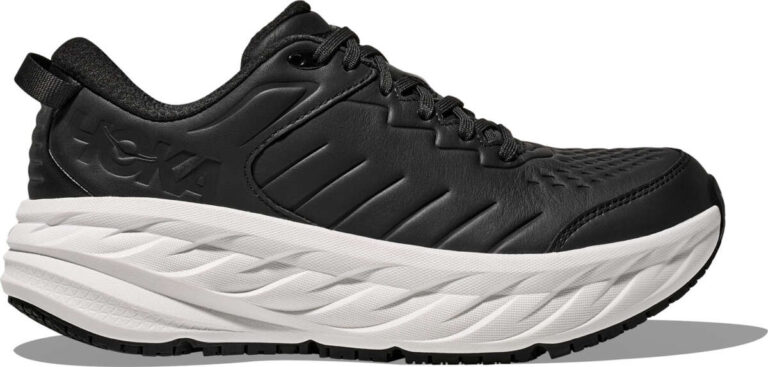
• Hoka: Often feels cushioned and roomy, but the heel and arch shape can differ.
• Merrell: Hiking models may feel broader and more traditional.
• Adidas or Nike: Lifestyle and running shoes may feel lighter or softer, depending on the model.
The best comparison is not the number on the box. It is how your heel, arch, and toes feel after walking for several minutes.

Why Some Salomon Models Feel Large
Several design features can make Salomon shoes feel bigger than expected. These features do not always mean the shoes are too large.
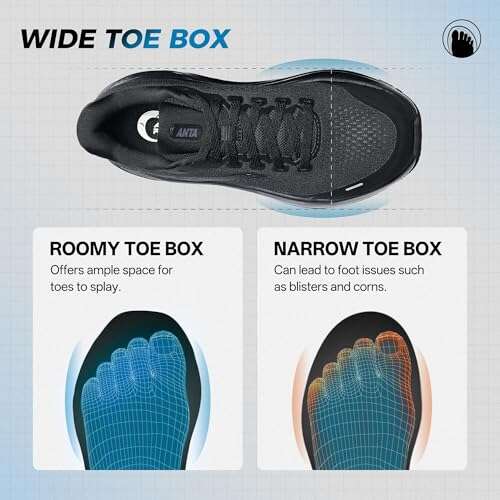
Roomy toe boxes
Some Salomon trail and hiking shoes provide extra space near the toes. This helps reduce pressure when walking downhill. It also gives swollen feet more room during long outings.
A little toe room is helpful. Too much space is not. Your toes should not slide forward when you walk downhill.
Thick midsoles
A thick foam midsole can make a shoe feel tall and substantial. This may create the impression that the shoe is oversized, even when the internal length is correct.
Cushioning also affects how firmly your foot sits inside the shoe. A soft, high-volume upper may feel larger than a firm, low-profile upper in the same size.
Outdoor socks
Hiking socks are thicker than everyday cotton socks. If you try Salomon shoes with thin socks but use them with thick socks outdoors, the fit can change.
Always test the shoes with the socks you plan to wear. This small step can prevent many sizing mistakes.
Quicklace systems
Many Salomon models use Quicklace instead of standard laces. Quicklace is fast and convenient, but it distributes pressure differently. Some people tighten it too much at the top and leave the forefoot too loose.
Adjust the lace tension from the lower section upward. The shoe should feel secure without creating pressure across the top of your foot.
Do Salomon Trail Shoes Run Big?
Salomon trail shoes usually fit close to true size, but the ideal fit depends on the type of trail running you do. A racing shoe may feel more precise, while a long-distance trail shoe may offer more room.
For short races, some runners prefer a close fit. For long runs, extra room can be valuable because feet often swell. Many experienced runners choose a half size larger for ultra-distance events, but this is not a universal rule.
When checking trail shoes, look for these signs:
• Your heel stays in place when climbing.
• Your toes do not touch the front when descending.
• Your foot does not slide from side to side.
• You can spread your toes slightly.
• The upper does not press on your little toe.
Do Salomon shoes run big on steep trails? They may feel longer if your foot slides forward. That problem is often caused by loose lacing or poor heel lock rather than excessive shoe length.
Use a heel-lock lacing method if the heel moves. If your toes still hit the front after tightening the laces, the shoes may be too short or too narrow.

Do Salomon Hiking Boots Run Big?
Salomon hiking boots generally fit true to size, but many hikers choose a half size up. This is common because hiking boots are worn with thicker socks, and feet can expand during a full day outside.
The right choice depends on your use:
• For short hikes in warm weather, your normal size may work well.
• For cold-weather hikes, extra room may help accommodate thick socks.
• For steep terrain, avoid excess length because your foot may slide downhill.
• For backpacking, choose enough room for swelling but keep the heel firmly locked.
A hiking boot should not feel tight across the toes. At the same time, your foot should not move inside the boot. Movement creates friction, and friction can lead to hot spots and blisters.
A practical test is the downhill test. Walk down a slope or use a staircase. If your toes touch the front, the fit is not secure enough. If your heel lifts but your toes stay clear, try adjusting the laces before changing size.
Do Salomon Shoes Run Small?
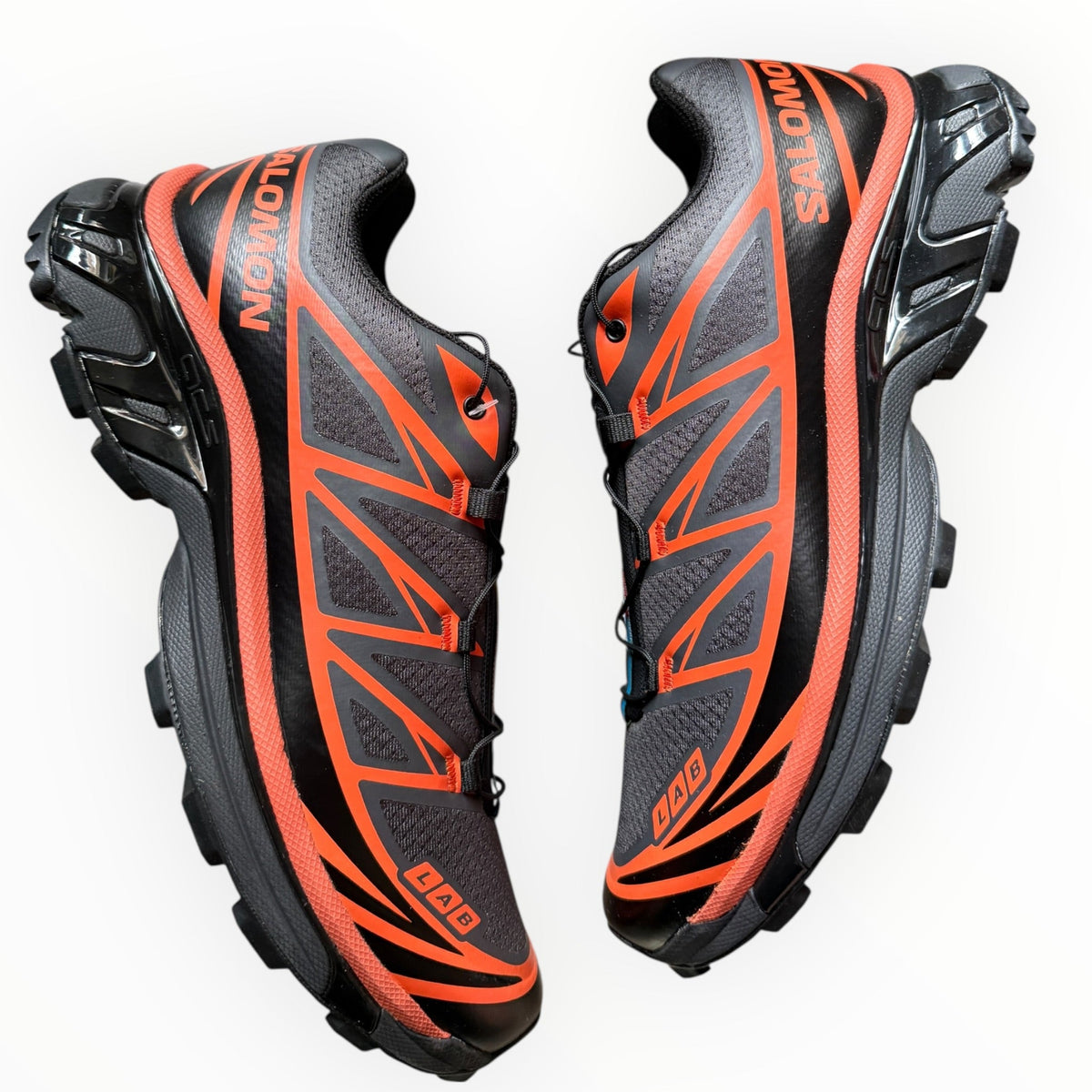
Some Salomon shoes can feel small, especially for people with wide feet or high-volume feet. This is more likely in narrow performance models or shoes with a snug upper.
The length may be correct while the width feels too tight. That distinction matters. Moving up a full size can create too much length without solving the real width problem.
Check for these signs of a shoe that is too small:
• Your toes touch the front while standing.
• Your little toe presses against the side.
• Your toenails hurt after walking downhill.
• The upper leaves strong marks on your foot.
• Your arch feels pushed into the wrong place.
If the length is correct but the forefoot is tight, look for a wide option. Some Salomon shoes are available in wider fits, but availability can vary by model and market.
Do Salomon shoes run big when compared with narrow dress shoes? They may feel more generous in the toe area, but the structured midfoot can still feel snug. Compare the full shape, not just the length.
How to Choose the Right Salomon Shoe Size
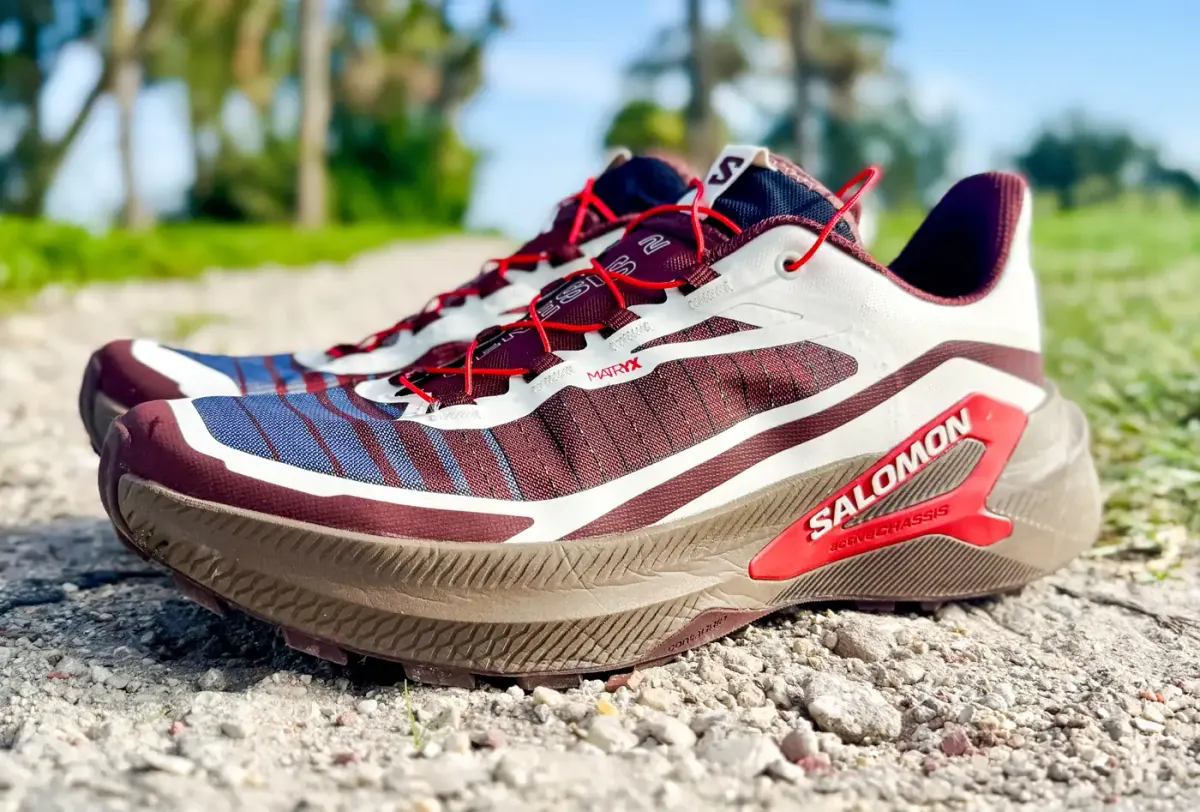
Use a careful fitting process instead of relying only on your usual size.
Measure both feet
Feet are often slightly different sizes. Measure both while standing, since your feet spread under body weight. Use the larger foot when choosing your size.
Measure later in the day if possible. Feet can swell after hours of walking, which gives you a more realistic fit.
Check the brand size chart
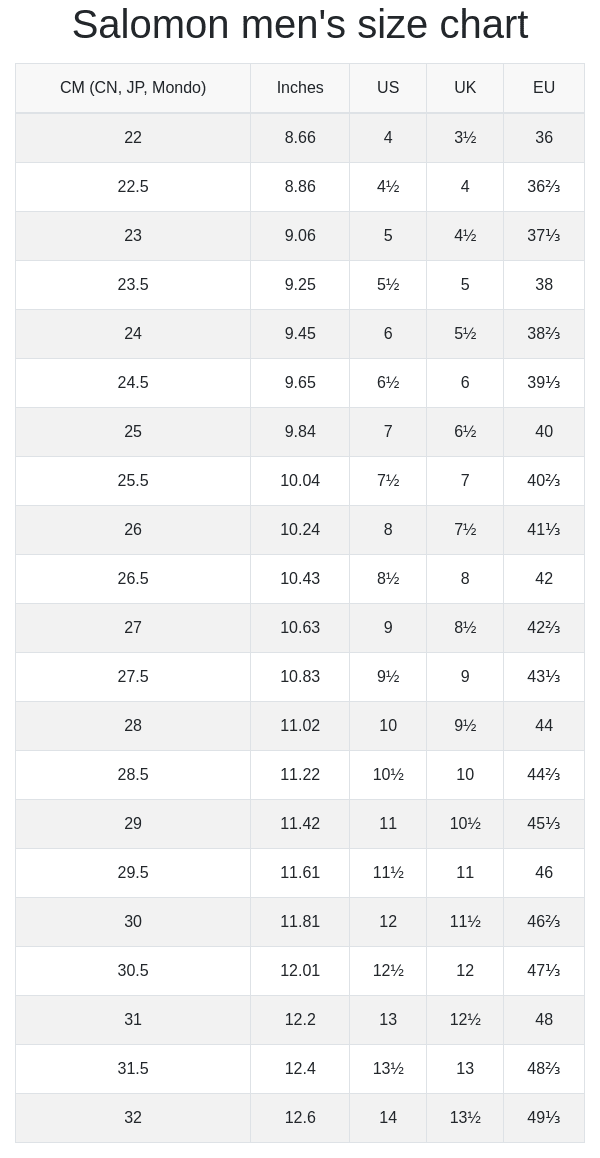
Salomon provides size information based on foot length. Measure from the back of your heel to the tip of your longest toe. Compare that measurement with the current chart for the specific region and shoe.
Size charts are more useful than guessing from another brand. Still, they cannot show differences in width, upper shape, or personal comfort.
Wear the right socks
Try the shoes with the socks you expect to use. Thin running socks and thick wool hiking socks can produce very different results.
Leave useful toe room
Your longest toe should not touch the front. A small amount of space is normal and helpful, especially for hiking and trail running. Too much space allows your foot to slide.
Test both shoes
Walk, climb stairs, and bend your knees. Check the fit after several minutes, not just after putting the shoes on. Outdoor shoes should feel comfortable before you take them onto a trail.
Salomon Sizing by Foot Shape
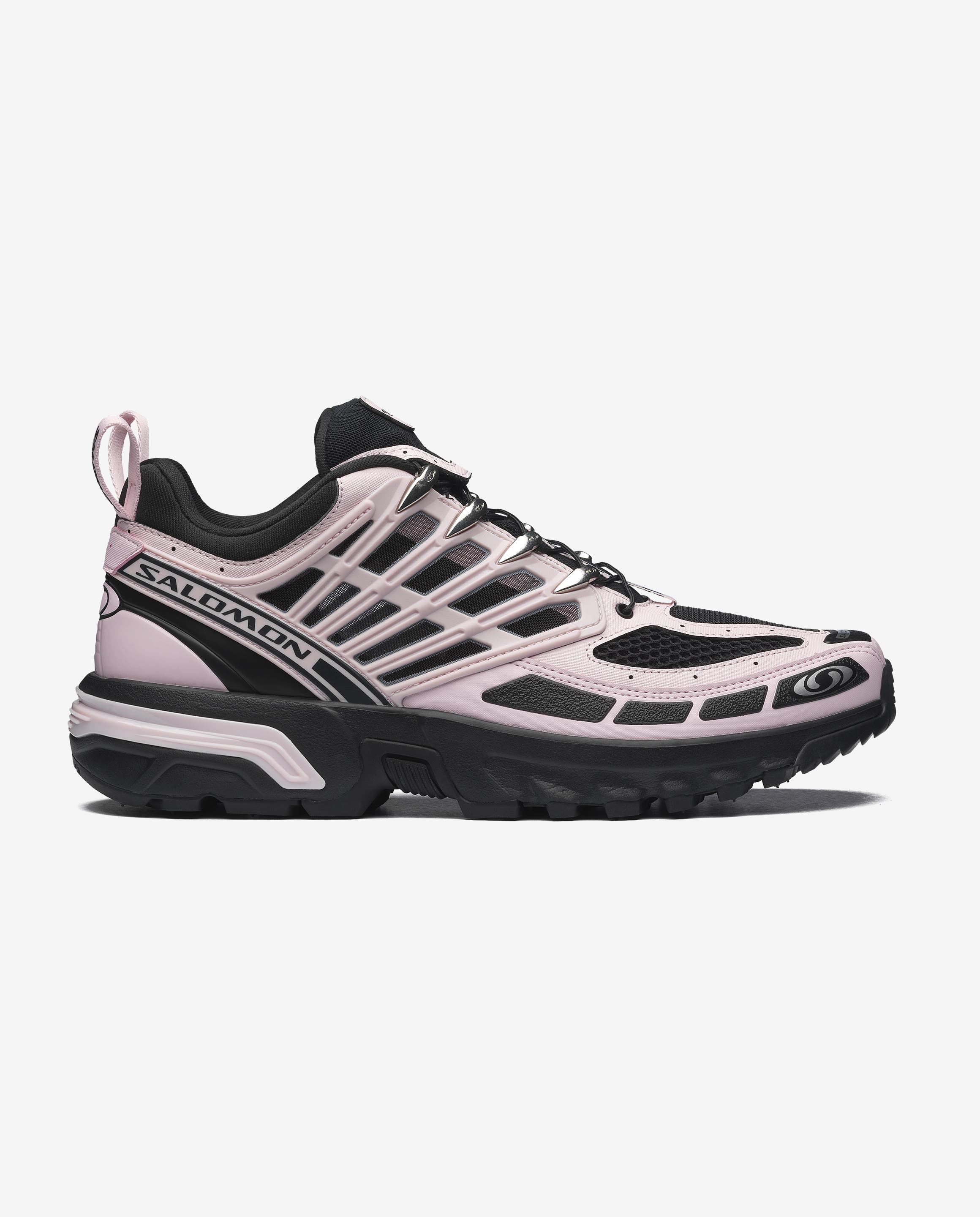
Foot shape may matter more than your usual shoe size. Two people can wear the same length but need different Salomon models.
Narrow feet
If you have narrow feet, Salomon shoes may feel roomy in the toe box. Try a secure lacing method before sizing down. A smaller size can create pressure at the front and may reduce comfort.
Wide feet
Wide feet may feel restricted in performance models. Look for a wide version when available. Do not assume that sizing up will fix a width problem.
High arches
People with high arches may notice pressure from the tongue or lacing system. Loosen the laces over the highest part of the foot while keeping the heel secure.
Flat or low arches
A stable midfoot can feel supportive, but it should not press painfully into the arch. Walk for several minutes and check whether the pressure remains.
Different-sized feet
Choose the size that fits the larger foot. Use a thin insole or adjust the laces on the smaller foot if needed.
In my experience helping people compare outdoor footwear, the most common mistake is focusing only on length. A shoe can be the right length and still have the wrong shape. Comfort comes from the complete fit: length, width, heel hold, volume, and sock choice.
Common Salomon Fit Problems and Solutions
Even a correctly sized shoe may need adjustment. Small changes can improve comfort.
• Heel slipping: Use a heel-lock lacing pattern and make sure the lower laces are not too loose.
• Toes touching downhill: Tighten the midfoot and heel area, then reassess. If the problem remains, the shoes may be too long or too loose.
• Tight forefoot: Loosen the lower laces or choose a wider model.
• Numb toes: Reduce pressure across the top and check whether the shoe is too short.
• Blisters: Look for movement, moisture, or rough seams. A better sock and firmer heel hold may help.
• Foot fatigue: Check whether the shoe is too heavy, too stiff, or poorly matched to your walking style.
Do Salomon shoes run big because of heel movement? Sometimes. A loose heel can make the foot slide forward, which creates extra space behind the heel and pressure at the toes. Fixing the heel hold may solve the issue without changing size.
Should You Size Up or Down in Salomon Shoes?
Do Salomon shoes run big enough to justify sizing down? Usually, no. Start with your normal size unless you already know that the model runs roomy for your foot.
Size down only when:
• Your heel and midfoot feel secure.
• Your toes have too much unused space.
• You have narrow feet.
• You are wearing thin socks.
• The shoe feels long without feeling tight.
Size up when:
• Your longest toe touches the front.
• You wear thick socks.
• Your feet swell during long outings.
• The shoe feels tight across the forefoot.
• You have a wide or high-volume foot.
Avoid sizing up simply because the shoe feels stiff. Outdoor shoes often need a short break-in period, although modern trail shoes should not cause serious pain while breaking in.
Check the retailer’s return policy before wearing the shoes outside. Walk indoors on a clean floor and test them with your normal socks. This gives you time to make a sound decision.
Salomon Fit Tips From Real-World Use
One lesson I often return to is that shoe fit should match the activity, not just the foot. A snug fit may feel excellent for a short trail run but uncomfortable during an eight-hour hike. A roomy fit may feel relaxed at first but cause sliding on steep ground.
I also recommend testing shoes near the end of the day. Morning measurements can be misleading because feet often become larger after hours of standing and walking.
Another common mistake is tightening every lace section equally. A better approach is to secure the heel and midfoot while leaving enough room across the toes. Think of the shoe as a seat belt: firm enough to hold you, but not so tight that it restricts movement.
Do Salomon shoes run big after they break in? They may feel slightly roomier as the upper softens, but the shoe will not normally grow a full size. If the fit is clearly too loose on day one, breaking in the shoes is unlikely to solve it.
Frequently Asked Questions About Do Salomon Shoes Run Big
Do Salomon shoes run big compared with Nike?
Salomon shoes often fit true to size, but their shape may feel different from Nike shoes. Compare foot measurements and toe room rather than assuming the same size will feel identical.
Should I size up in Salomon hiking shoes?
You may choose a half size up if you wear thick socks, hike long distances, or experience foot swelling. Keep the heel secure and make sure your toes do not slide forward on descents.
Do Salomon trail runners fit true to size?
Most Salomon trail runners fit true to size. Some runners prefer a half size up for long-distance events because feet can swell during extended activity.
Are Salomon shoes good for wide feet?
Some Salomon models offer wider versions, but not every shoe has the same width. If the length feels right but the forefoot is tight, choose a wide model instead of automatically sizing up.
How much room should be in Salomon shoes?
Your toes should have a small amount of space in front of them, and they should not touch the shoe during downhill walking. Your heel should remain stable without painful pressure.
Why do my Salomon shoes feel loose?
Loose lacing, thin socks, or a high-volume shoe can make Salomon shoes feel loose. Try a heel-lock lacing pattern before changing size.
Do Salomon shoes need to be broken in?
Many Salomon shoes feel comfortable with little break-in time. They may soften with use, but severe pain, numbness, or toe pressure usually means the fit is wrong.
Conclusion
Do Salomon shoes run big? Most models fit true to size, but the roomy toe area, structured heel, sock thickness, and model design can change how they feel. Narrow feet may need a closer fit, while wide feet may need a wide version rather than a longer shoe.
Measure both feet, check the current Salomon size chart, wear your usual socks, and test the shoes on stairs or a gentle slope. Choose the pair that holds your heel securely while giving your toes enough room to move.
If you are comparing a specific Salomon model, check its fit notes and return policy before buying. Share your experience or model choice in the comments to help other shoppers find the right fit.

Michael Smith is the Content Strategist behind The Style Hub, where fashion meets function. With a keen eye for trends and a passion for everyday style, he curates content that helps readers make smarter, more stylish choices—from the perfect pair of sneakers to must-have accessories. Michael specializes in breaking down fashion into practical, wearable insights, making style accessible for everyone. When he’s not researching the latest trends, he’s exploring how comfort, innovation, and timeless design come together in modern fashion.