

How To Loosen Tight Shoes: Easy Tips That Work
Loosen tight shoes with gentle stretching, targeted heat, and the right fit checks to protect your feet.
Tight shoes can cause blisters, numb toes, pressure points, and painful rubbing. Learning how to loosen tight shoes starts with knowing the shoe material, where it feels tight, and how much stretch it can handle. This guide explains safe methods for leather, suede, canvas, sneakers, heels, and boots, along with mistakes that can damage your shoes or hurt your feet.
Why Shoes Feel Tight
Shoes may feel tight for several reasons. Sometimes the shoe is too short. In other cases, the toe box is narrow, the instep is low, or the material has not softened yet.
Feet also change during the day. They often swell after walking, standing, exercise, heat, or long travel. A pair that feels fine in the morning may feel tight by evening.
Common causes include:
- The shoes are a half size too small.
- The toe box is too narrow.
- The shoe has stiff leather or synthetic material.
- Thick socks take up extra space.
- The insole is too padded.
- Your feet swell during the day.
- The shoe shape does not match your foot shape.
- One foot is slightly larger than the other.
A useful rule is simple: shoes can stretch in width and mild pressure areas, but they cannot safely become much longer. If your toes press against the front, learning how to loosen tight shoes may not solve the real problem. You may need a larger size or a different design.
Check the Fit Before You Stretch
Before you try how to loosen tight shoes, identify the exact problem area. Put on the shoes with the socks you plan to wear and stand on a hard floor.
Check these points:
- Your longest toe should not touch the front.
- Your toes should be able to move slightly.
- The heel should stay in place without painful rubbing.
- The widest part of your foot should rest in the widest part of the shoe.
- The upper should not press hard across the top of your foot.
- You should not feel tingling, burning, or numbness.
Remove the insole and stand on it if possible. Your foot should fit inside its outline without spilling over the edges. This quick test often shows whether the shoe is narrow or simply too short.
Walk indoors for 10 to 15 minutes. Do not wear tight shoes outside until you know they will not cause pain. A return period is valuable, especially for formal shoes, running shoes, and boots.
People with diabetes, poor circulation, nerve problems, or a history of foot ulcers should be especially careful. Pressure may cause damage before pain becomes obvious. A podiatrist or qualified shoe fitter can help you choose a safer option.

How to Loosen Tight Shoes at Home
The safest approach is gradual stretching. Try one method at a time, and stop if the material cracks, changes color, or creates sharp pressure.
Wear Thick Socks and Walk Indoors
Put on one pair of thick socks. For very stiff shoes, you may try two pairs, but never force your feet into a painful fit.
Wear the shoes indoors for 10 to 20 minutes. Focus on the tight area, then remove them and let your feet rest. Repeat once or twice a day for several days.
This method works best for leather, canvas, and some soft synthetic shoes. It creates mild pressure without sharply bending the shoe. It is less useful when the shoe is clearly too short.
Use a Shoe Stretcher
A shoe stretcher is one of the most controlled ways to loosen tight shoes. Choose a stretcher designed for the shoe type. Some stretchers widen the shoe, while others add length or target a bunion area.
Follow these steps:
- Insert the stretcher into the shoe.
- Turn the handle until it feels snug.
- Add pressure slowly. Do not force it.
- Leave it in place for six to eight hours.
- Remove it and test the fit.
- Repeat if needed.
Use stretching plugs to target pressure from bunions, corns, or a prominent toe joint. A stretcher should create space, not distort the shape of the shoe.
A common mistake is tightening the stretcher too much on the first attempt. I have seen this leave ripples in leather and split glued seams. Slow progress is safer and usually gives a better result.
Apply Gentle Heat
Heat can soften some shoe materials and help them shape around your feet. This method is most suitable for leather and some fabric shoes.
Wear thick socks and put on the shoes. Use a hair dryer on low or medium heat. Hold it about six inches from the tight area and move it constantly for 20 to 30 seconds.
Walk in the shoes while the material cools. Remove them if your feet feel hot or uncomfortable. Never use a high heat setting, open flame, oven, or clothes dryer. Excess heat can shrink leather, melt adhesives, damage synthetic material, or burn your skin.
Test heat on a hidden spot first. Dark leather and suede may show color changes more easily than smooth, light leather.
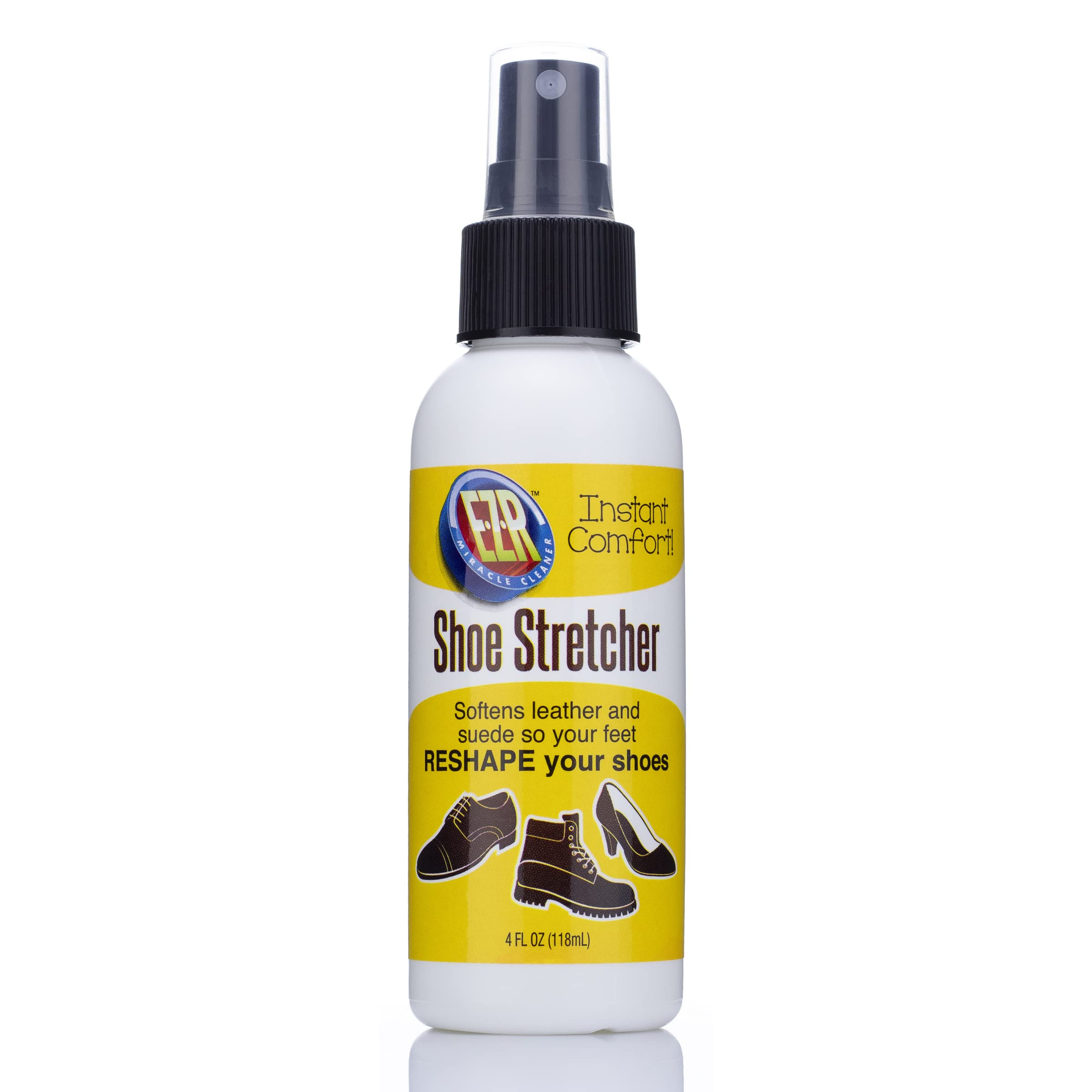
Use a Shoe-Stretching Spray
Shoe-stretching sprays help relax some leather and fabric fibers. Spray the inside of the tight area, then wear the shoes with thick socks or use a shoe stretcher.
Read the product label before use. Some sprays are not suitable for suede, patent leather, vinyl, or waterproof finishes. Test a small hidden area before treating the whole shoe.
Spray lightly. Saturating the shoe can cause stains, weak glue, or water marks. Let the shoes dry fully before wearing them outdoors.

How to Loosen Tight Shoes by Material
Different materials respond in different ways. Knowing the upper material helps you choose how to loosen tight shoes without causing damage.
Leather Shoes
Leather usually responds well to gradual stretching. Thick socks, a shoe stretcher, and a small amount of leather-safe stretching spray are good options.
After stretching, apply a suitable leather conditioner. Conditioning keeps the material flexible and may reduce cracking. Avoid soaking leather in water because moisture can change its shape and finish.
Suede Shoes
Suede can stretch, but it marks easily. Use a suede-safe stretching spray and a stretcher made for suede. Apply very little product and brush the nap gently after the shoe dries.
Avoid direct heat. A hair dryer can create shiny patches, stiff spots, or uneven color.
Canvas Shoes
Canvas often loosens with wear. Wear the shoes indoors with regular socks first. A little steam from a safe distance may soften canvas, but avoid soaking it.
Do not use strong heat on canvas shoes with rubber soles. Heat can weaken the bond between the upper and sole.
Synthetic Leather and Plastic
Synthetic materials may soften slightly, but they often have limited stretch. Heat can cause them to warp or become shiny.
Use short periods of gentle wear and a shoe stretcher with light pressure. If the shoe still pinches after several attempts, replacement is often safer than forcing the material.
Running Shoes and Sneakers
Running shoes should feel comfortable from the first wear. They may soften, but they should not require painful breaking in.
Try removing the insole to check whether it creates extra pressure. You can also use a different lacing pattern to reduce pressure across the top of the foot. If your toes hit the front or your foot slides sideways, choose a different size or a wider model.
High Heels and Dress Shoes
High heels place more pressure on the toes and front of the foot. A shoe stretcher can widen the toe box, but it cannot fix a heel that is too short or a heel height that causes instability.
Gel pads may reduce rubbing, but they also take up space. Use them only if the shoe has enough room. For severe pressure, a lower heel or wider toe box is the better answer.

Lacing Tricks for Tight Sneakers
Sometimes the shoe is not too small. The laces may simply create too much pressure over the instep.
Try these adjustments:
- Skip the eyelets directly above the tight spot.
- Use parallel lacing to reduce pressure across the top.
- Lace the lower part firmly and the upper part loosely.
- Use a runner’s loop only when the heel needs more support.
- Replace thick laces with thinner ones if they take up space.
Lacing changes are useful because they create room without changing the shoe. They work best for sneakers, walking shoes, and boots with several eyelets.
Do not lace so loosely that your heel slips. Heel movement can cause blisters and reduce stability. The goal is even support, not a loose shoe.

What Not to Do When Stretching Shoes
Some popular home methods can cause more harm than good. Avoid them when learning how to loosen tight shoes.
- Do not fill shoes with water and freeze them. Expanding ice can damage seams, glue, leather, and shoe structure.
- Do not heat shoes in an oven or clothes dryer. High heat may shrink or melt them.
- Do not soak leather or suede. Water can stain and stiffen the material.
- Do not use alcohol without checking the material. It may strip color and finish.
- Do not force a stretcher until the shoe bulges. Excess pressure can split the upper.
- Do not keep wearing shoes that cause numbness or sharp pain.
- Do not cut the shoe yourself to make more room. The cut may weaken the support and create a rough edge.
A shoe should support your foot like a firm handshake. It should hold you in place without squeezing you.
How Long Does It Take to Loosen Tight Shoes?
The time depends on the material, construction, and amount of pressure. Soft canvas may feel better after a few short wears. Stiff leather may need several stretching sessions.
Use this general guide:
- Thick socks and indoor wear: one to seven days.
- A shoe stretcher: six to 24 hours per session.
- Stretching spray: often one to three sessions.
- Professional stretching: usually one or two visits.
Stretching cannot correct every fit issue. Shoes may loosen in width, but they rarely gain meaningful length. If your toes touch the front, the shoe is probably too short.
Check your feet after every session. Red skin that fades quickly may be minor friction. Blisters, swelling, numbness, bruising, or lasting pain mean you should stop.

When to See a Professional
A shoe repair professional can stretch leather, suede, and some structured shoes with specialized equipment. Professional help is useful for expensive shoes, narrow dress shoes, boots, and shoes with a single painful pressure point.
A professional may use a combination of:
- A mechanical stretcher
- Targeted stretching plugs
- Material-safe conditioning
- Controlled moisture
- Heat designed for the shoe material
Ask what result is realistic before paying for the service. A professional can widen a shoe, but they cannot turn a short shoe into a properly sized one.
Seek medical advice if shoe pressure causes an open wound, repeated blister, severe swelling, numbness, or color changes. People with diabetes or reduced sensation should not rely on trial and error.
