What Is The Best Antifungal Spray For Shoes: Top Picks
The best antifungal spray for shoes is an effective terbinafine or miconazole spray used with careful shoe drying.
Choosing what is the best antifungal spray for shoes depends on the fungus, the shoe material, and how often the shoes stay damp. After comparing common active ingredients, safety guidance, user needs, and practical results, this guide explains which sprays work best, how to use them, and why shoe care matters as much as the product itself.
What Is the Best Antifungal Spray for Shoes?
For most people, the best antifungal spray for shoes is a product that contains terbinafine, miconazole, or tolnaftate. These ingredients can help control fungi linked to athlete’s foot, ringworm, and unpleasant shoe odor.
Terbinafine is often the strongest choice for fast fungal control. Miconazole is a useful, widely available option. Tolnaftate may work well for some fungal infections, but it is not effective against every type of skin fungus.
A shoe spray should do more than mask odor. Look for a product labeled for antifungal use and follow its directions closely. A deodorizing spray alone may make shoes smell better without treating the fungus.
The best antifungal spray for shoes should offer these features:
• A proven antifungal ingredient such as terbinafine, miconazole, or tolnaftate
• Clear instructions for use inside footwear
• A formula that dries quickly
• Safe use on the shoe materials you own
• Odor control without leaving heavy moisture behind
• A label that explains how often to apply it
It is also important to treat your feet when needed. Spraying shoes while leaving athlete’s foot untreated is like watering a plant and expecting it to die. The fungus may return because the skin and footwear continue to affect each other.
How Antifungal Shoe Sprays Work
Antifungal sprays target fungi that grow in warm, damp spaces. Shoes can trap sweat, heat, and dead skin cells. This creates a small environment where fungi can survive for long periods.
Some products kill fungal cells. Others stop fungi from growing and spreading. The exact action depends on the active ingredient.
Common ingredients include:
• Terbinafine: This ingredient interferes with a substance fungi need for healthy cell walls. It is often used for athlete’s foot and ringworm.
• Miconazole: This ingredient damages the fungal cell membrane. It is common in creams, powders, and sprays.
• Tolnaftate: This ingredient can help treat several forms of athlete’s foot and ringworm. It may not work well for all fungal infections.
• Undecylenic acid: This ingredient can help reduce fungal growth and moisture. It is often found in foot powders and sprays.
• Tea tree oil: Some products contain tea tree oil, but evidence is less consistent than it is for standard antifungal medicines. It may also irritate sensitive skin.
A key lesson is that a shoe spray is not always the same as a medicine for the skin. Some sprays are designed only for footwear. Others can be used on skin, but only if the label says so.
Do not spray a strong shoe product directly onto irritated or broken skin. Check the label first, and ask a pharmacist if you are unsure.
Terbinafine vs. Miconazole for Shoe Fungus
When comparing what is the best antifungal spray for shoes, terbinafine and miconazole are often the leading choices.
Terbinafine may be a good option when you want a fast-acting product for common fungal problems. Many terbinafine products are made for skin, so check whether the label allows use in shoes.
Miconazole is often easier to find in spray form. It can be useful for shoes worn by someone with athlete’s foot or recurring fungal odor. It may require more regular use, depending on the product directions.
Here is a simple comparison:
| Ingredient | Main benefit | Best use | Important limitation |
|---|---|---|---|
| Terbinafine | Strong action against many common fungi | Repeated fungal problems | Not every product is labeled for shoes |
| Miconazole | Easy to find and widely used | Athlete’s foot support and shoe care | May need regular application |
| Tolnaftate | Helps with some common fungal infections | Mild or recurring athlete’s foot concerns | Does not treat every fungal cause |
| Undecylenic acid | Helps reduce moisture and fungal growth | Odor and dampness control | May be less suitable for active infection alone |
The best antifungal spray for shoes is not always the most expensive product. The active ingredient, label instructions, and regular use matter more than brand popularity.
If your feet have a rash, peeling skin, cracks, or intense itching, treat the skin with an approved product as well. A pharmacist can help you choose the right medicine.
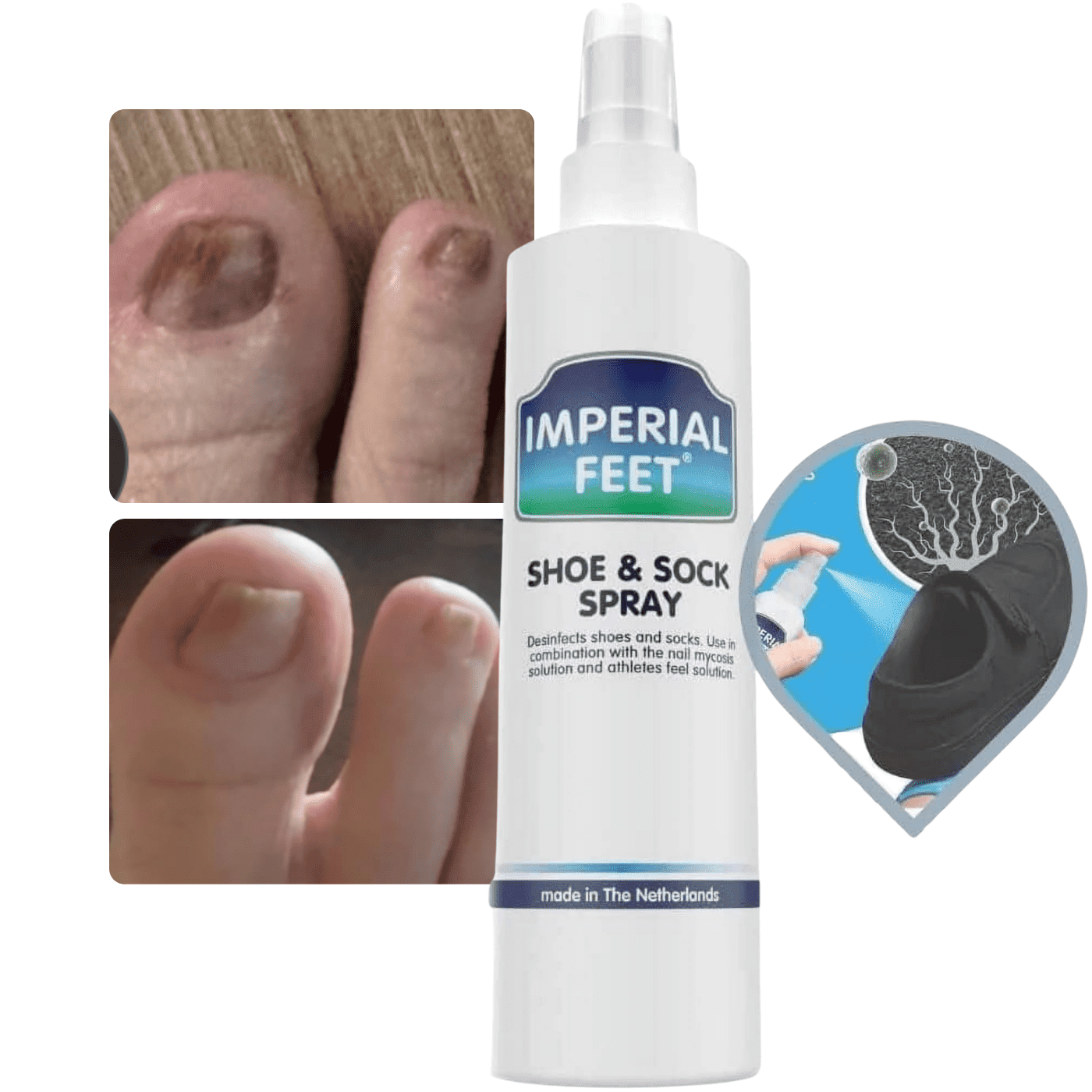
What to Look for When Buying an Antifungal Shoe Spray
Shopping for the best antifungal spray for shoes can feel confusing because many products use words such as fresh, medicated, natural, or clinical. These terms do not always mean the same thing.
Start with the active ingredient. A product that only says “odor eliminator” may not contain an antifungal medicine. If fungal control is your goal, the label should clearly identify an antifungal ingredient.
Next, check the directions. Some sprays are meant for daily use. Others are used once or twice each week. Applying more than directed will not always improve results and may damage delicate materials.
Consider these points before buying:
• Material safety: Test the spray on a hidden area of leather, suede, fabric, or synthetic material.
• Drying time: A fast-drying formula is helpful because extra moisture can support fungal growth.
• Fragrance: Strong fragrance can hide odor instead of fixing its cause. It may also bother people with asthma or scent sensitivity.
• Skin contact: Confirm whether the product is for shoes only or also approved for skin.
• Moisture control: A spray works better when paired with dry socks, foot powder, or breathable footwear.
• Packaging: An easy-to-use nozzle helps you cover the inside of the shoe without soaking it.
Avoid spraying near your face, food, pets, or open flames. Use the product in a well-ventilated area. Let shoes dry fully before wearing them.
How to Use Antifungal Spray in Shoes
Using the best antifungal spray for shoes correctly is simple, but small details can affect the result.
Follow these steps:
-
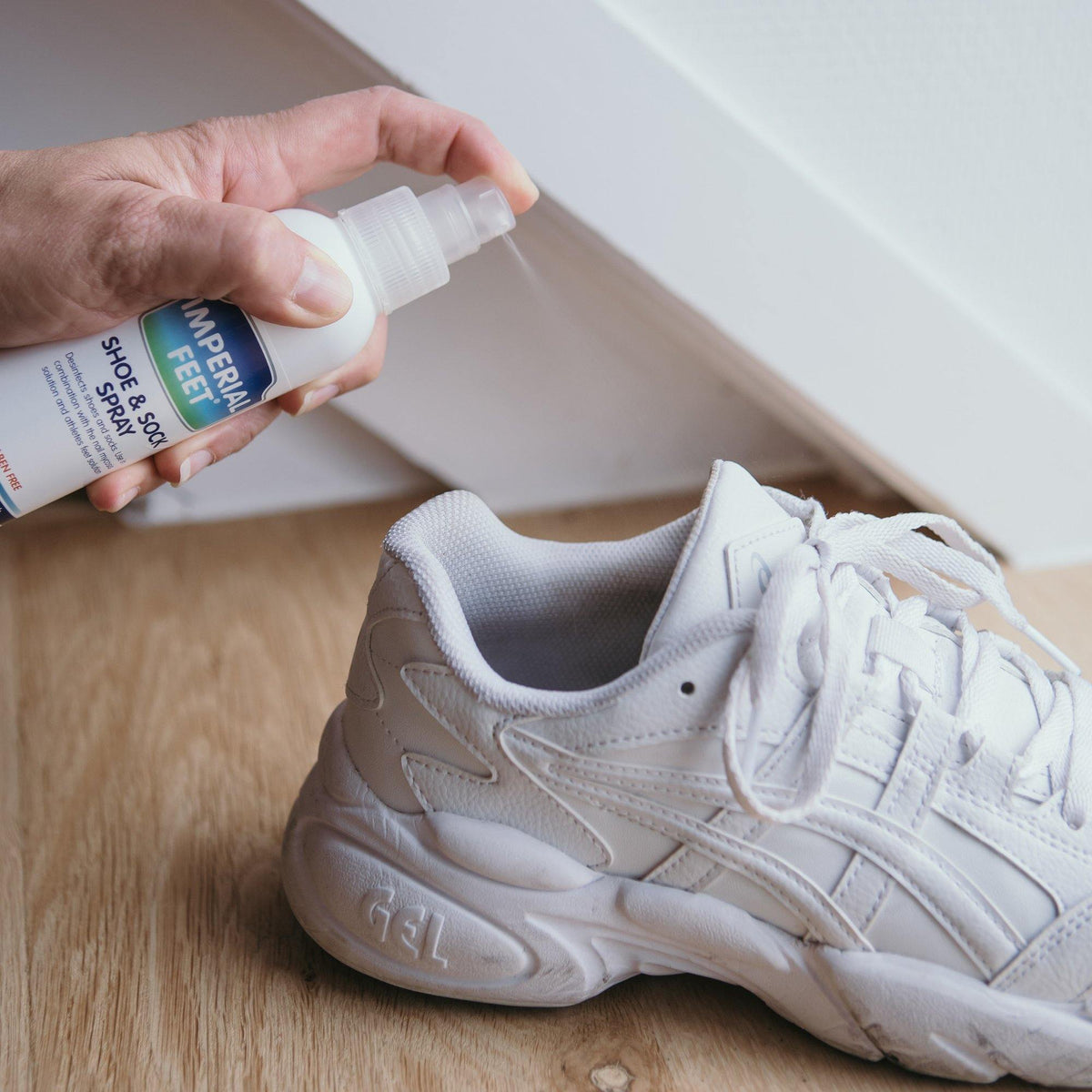
Remove the insoles if they can come out. Spray the insoles and the inside of the shoes separately.
-
Shake the bottle if the label instructs you to do so.
-
Spray the toe box, sides, heel area, and tongue. These areas can hold sweat and skin flakes.
-
Do not soak the shoes. A light, even coating is usually enough.
-
Place the shoes in a dry, airy area. Keep them away from direct heat unless the manufacturer says heat is safe.
-
Allow the shoes to dry completely before wearing them.
-
Repeat the process as often as the label recommends.
A mistake I often see is spraying only the front of the shoe. The heel and insole can hold just as much moisture. Another common mistake is putting shoes on while they are still wet. That creates the warm, damp setting that fungi prefer.
Rotate between two pairs when possible. Giving each pair a full day to dry can make a major difference.

How to Prevent Fungus From Returning
The best antifungal spray for shoes works best as part of a larger routine. Spraying once will not solve a moisture problem that happens every day.
Use these habits to reduce the chance of recurrence:
• Change socks at least once daily, and more often after exercise.
• Choose socks that move moisture away from the skin.
• Wash feet with soap and water, then dry well between the toes.
• Wear sandals in shared showers, locker rooms, and pool areas.
• Do not share shoes, socks, towels, or nail tools.
• Alternate shoes instead of wearing the same pair every day.
• Wash or replace insoles when they hold odor or moisture.
• Keep shoes in a dry, ventilated place.
• Avoid wearing tight shoes that press against irritated skin.
• Wash towels and socks regularly in warm or hot water when the fabric allows it.
A shoe bag or closed gym locker can trap moisture. Open shoes near a fan or in a room with good airflow instead. Sunlight may help dry some footwear, but direct sun can fade leather and damage certain glues.
Can Antifungal Spray Remove Shoe Odor?
The best antifungal spray for shoes may reduce odor when fungi, sweat, and bacteria contribute to the smell. However, not every bad odor comes from fungus.
Odor can also come from bacteria, wet insoles, dirty socks, or shoes that have absorbed sweat over time. A fragrance spray may cover the smell for a short period but will not remove the source.
For better odor control:
• Wash and dry your feet well.
• Use clean socks.
• Dry shoes fully between uses.
• Clean removable insoles according to the care label.
• Use an antifungal powder if moisture is a major problem.
• Replace shoes that remain damp or strongly malodorous after cleaning.
Do not mix several sprays, powders, and oils inside one shoe. Combining products can irritate skin, damage materials, or create a stronger smell without improving fungal control.

Are Antifungal Shoe Sprays Safe?
Most antifungal shoe sprays are safe when used as directed. Still, safety depends on the ingredient, the formula, and the surface where you apply it.
Read all warnings before use. Avoid breathing the mist. Wash your hands after handling the product, and keep it away from children and animals.
Stop using the spray if it causes burning, swelling, rash, or breathing trouble. If the product gets into your eyes, rinse with clean water and follow the label’s first-aid instructions.
Extra care is needed with:
• Leather and suede shoes, which may stain or dry out
• Shoes worn by children
• People with asthma or chemical sensitivity
• Pregnant or nursing individuals who have questions about exposure
• Anyone with diabetes or poor circulation
For people with diabetes, even a small foot crack can become serious. A health professional should assess persistent redness, swelling, wounds, or drainage rather than relying only on a shoe spray.
When a Shoe Spray Is Not Enough
The best antifungal spray for shoes cannot replace medical care when an infection is severe or persistent.
Contact a health professional if:
• Symptoms do not improve after two to four weeks of correct treatment
• The rash spreads to the nails, hands, or other body areas
• The skin is very painful, swollen, cracked, or bleeding
• You see pus, warmth, or red streaks
• The toenails become thick, yellow, brittle, or distorted
• You have diabetes, poor circulation, or a weakened immune system
• The diagnosis is uncertain
Several skin conditions can look like athlete’s foot. Eczema, contact dermatitis, psoriasis, and bacterial infections may cause similar redness or peeling. Treating the wrong condition can delay proper care.
Toenail fungus is another common issue. Shoe spray may help reduce contamination, but it usually cannot cure an established nail infection. Nail fungus often needs a longer treatment plan from a clinician.

A Practical Shoe-Care Routine
If you want the best antifungal spray for shoes to deliver useful results, use a simple routine that you can repeat.
In the morning, wear clean, dry socks and choose shoes that allow airflow. After exercise, remove damp socks as soon as possible and let your feet dry.
At night, remove the insoles and open the shoes. Apply the spray according to its label, then leave the shoes in a ventilated area.
Once a week, inspect the insoles and lining. Clean them if the material allows it. Replace insoles that stay wet, smell strongly, or have visible buildup.
A useful two-pair plan looks like this:
• Day one: Wear pair A and let pair B dry.
• Day two: Wear pair B and let pair A dry.
• Each evening: Air out the worn pair and apply the product as directed.
This approach is more reliable than spraying heavily just before putting shoes on. Fungal control is a steady process, not a one-time rescue.
Common Mistakes to Avoid
Many people search for what is the best antifungal spray for shoes after a product seems to fail. Often, the problem is not the spray itself but how it was used.
Avoid these mistakes:
• Using deodorizer alone when you need an antifungal product
• Spraying wet shoes and wearing them right away
• Treating shoes but not treating athlete’s foot
• Wearing the same pair every day
• Stopping treatment as soon as itching improves
• Sharing a spray nozzle against the skin
• Applying a skin medicine to shoes when the label does not allow it
• Soaking shoes until the lining stays damp
• Ignoring nail fungus or a spreading rash
Always follow the product label. Directions can differ between sprays, and the label is the best guide for application, storage, and treatment length.
Frequently Asked Questions About What Is the Best Antifungal Spray for Shoes
What is the best antifungal spray for shoes with athlete’s foot?
A spray containing terbinafine or miconazole is often a strong choice for shoes linked to athlete’s foot. Select a product labeled for footwear, and treat the skin at the same time when needed.
Can I spray antifungal medicine directly on my feet?
Only use a product on your feet if its label says it is approved for skin. Some shoe sprays contain ingredients or solvents that may irritate skin.
How often should I use antifungal spray in shoes?
Use the spray as often as the product label recommends. Many products need repeated use, while others are designed for less frequent application.
Does antifungal shoe spray kill fungus permanently?
A spray can reduce or kill fungi in footwear, but it cannot prevent reinfection by itself. Dry feet, clean socks, shoe rotation, and proper skin treatment are also important.
Can antifungal spray damage shoes?
Some formulas may stain leather, suede, dyed fabric, or delicate materials. Test the product on a hidden spot and follow the shoe manufacturer’s care instructions.
Is shoe spray enough to cure toenail fungus?
No. Shoe spray may help reduce fungal contamination, but toenail fungus often needs a medical diagnosis and a longer treatment plan.
What should I do if my shoes still smell after spraying?
Let the shoes dry fully, clean or replace the insoles, and use fresh moisture-wicking socks. If the odor continues, bacteria or deeply absorbed moisture may be involved rather than fungus alone.
Conclusion
The best antifungal spray for shoes usually contains a proven ingredient such as terbinafine, miconazole, or tolnaftate. The right choice also depends on the shoe material, label directions, moisture level, and whether you are treating the feet at the same time.
Use a light spray, dry shoes completely, rotate footwear, and keep socks and feet clean. If symptoms spread, last for weeks, affect the nails, or occur with diabetes or poor circulation, seek medical advice.
Choose a product based on its active ingredient rather than its scent or packaging, then build a daily drying routine that supports it. Share your shoe-care experience or explore more foot-health resources to find the approach that works best for you.

Michael Smith is the Content Strategist behind The Style Hub, where fashion meets function. With a keen eye for trends and a passion for everyday style, he curates content that helps readers make smarter, more stylish choices—from the perfect pair of sneakers to must-have accessories. Michael specializes in breaking down fashion into practical, wearable insights, making style accessible for everyone. When he’s not researching the latest trends, he’s exploring how comfort, innovation, and timeless design come together in modern fashion.