
How To Remove Yellowing From Shoes Soles: Easy Fix
The safest way to remove yellowing from shoe soles is to clean them first, then use controlled peroxide treatment.
Yellow soles are usually caused by oxidation, dirt, and UV exposure. Learning how to remove yellowing from shoes soles starts with knowing whether the discoloration is surface grime or a deeper chemical change. The right method can brighten many rubber and translucent soles, but harsh products, heat, and long exposure can cause permanent damage. This guide explains how to remove yellowing from shoes soles safely, with simple steps that work at home.

Why shoe soles turn yellow
Most yellowing comes from oxidation. Rubber and clear sole materials slowly react with oxygen, sunlight, heat, and moisture. This reaction changes the color from white or clear to yellow, amber, or brown.
Some shoes also contain antioxidants and stabilizers. These chemicals help protect rubber during storage and use. Over time, they can move to the surface and create a yellow film.
Common causes include:
• Long exposure to sunlight or ultraviolet light
• Heat from hot cars, radiators, dryers, and direct sun
• Natural aging of rubber, polyurethane, or EVA foam
• Dirt, skin oils, and road grime
• Poor storage in damp or warm spaces
• Chemical residue from old cleaners
• Contact with cardboard, paper, or colored fabric
Before you try to remove yellowing from shoes soles, check the material. White rubber often responds well to cleaning. Clear or translucent soles can improve with peroxide treatment, but they may not return to their original color.
Check the sole before cleaning
A quick inspection can prevent a costly mistake. Look for cracks, sticky areas, peeling layers, and deep stains. If the sole feels soft, tacky, or brittle, aggressive cleaning may cause more damage.
Read the care label if one is available. Shoe brands often use different blends of rubber, polyurethane, thermoplastic rubber, and plastic. A method that works on white rubber may damage painted, colored, or translucent parts.
Use this simple test:
-
Choose a hidden section of the sole.
-
Apply a small amount of your planned cleaner.
-
Wait 10 to 15 minutes.
-
Wipe it away and check the color and texture.
-
Stop if the surface becomes cloudy, sticky, cracked, or faded.
This test is one of the most important steps in learning how to remove yellowing from shoes soles. A small hidden mark is easier to accept than a damaged outsole.

What you need to remove yellowing from shoes soles
You do not need a large collection of products. Start with the mildest tools and move to stronger options only when needed.
Basic supplies include:
• Soft shoe brush or old toothbrush
• Microfiber cloths
• Mild dish soap
• Warm water
• Magic eraser for plain white rubber
• 3% hydrogen peroxide
• Plastic wrap
• Painter’s tape
• Nitrile gloves
• Safety glasses
• Small bowl
• Soft applicator brush
For deep oxidation, some restorers use a commercial cream peroxide made for hair or plastic restoration. These products can work, but they need careful handling. Strong peroxide can burn skin, irritate eyes, fade colors, and weaken some materials.
Avoid chlorine bleach, acetone, gasoline, paint thinner, and boiling water. These products can strip color, dry rubber, or damage adhesive.

Method 1: Clean the soles with soap first
Cleaning should always come before chemical brightening. Many soles look yellow because dirt is trapped in small grooves. Peroxide cannot fix a dirty surface well.
Follow these steps:
-
Remove the shoelaces and insoles if they may get wet.
-
Brush away loose dirt from the sole.
-
Mix a few drops of mild dish soap with warm water.
-
Dip a soft brush into the mixture.
-
Scrub the sole in small circles.
-
Wipe away the foam with a clean damp cloth.
-
Let the shoes air-dry at room temperature.
Do not soak the entire shoe. Water can move into the midsole, weaken glue, and create odor. Keep the upper as dry as possible.
For plain white rubber, a damp melamine sponge can remove scuffs. Use light pressure. A magic eraser is mildly abrasive, so heavy scrubbing may remove a smooth finish.
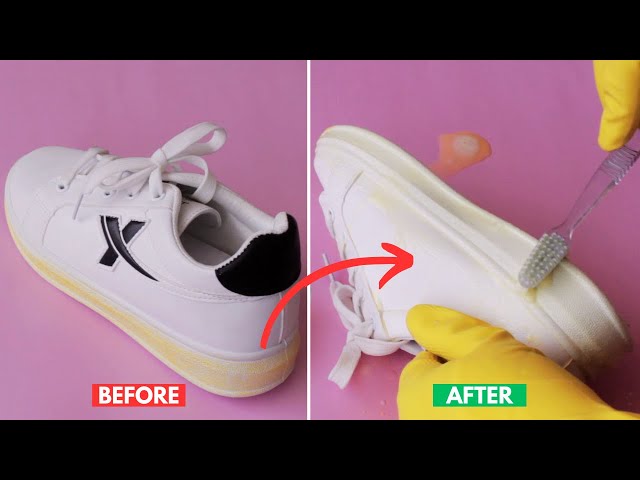
This basic method may be enough to remove yellowing from shoes soles when the color change is only dirt or surface residue.

Method 2: Use hydrogen peroxide for oxidation
A 3% hydrogen peroxide solution is a common home option for light yellowing. It can help break down some colored compounds on the surface. Results vary because old oxidation may be inside the material, not just on top.
Here is a careful process:
-
Clean and dry the sole completely.
-
Cover nearby fabric, leather, suede, and colored rubber with painter’s tape.
-
Put on gloves and safety glasses.
-
Apply a thin layer of 3% hydrogen peroxide to the yellow area.
-
Cover the treated section with plastic wrap.
-
Place the shoe in bright indirect daylight for short periods.
-
Check the sole every 20 to 30 minutes.
-
Remove the wrap and rinse the sole with clean water.
-
Dry the shoe indoors at room temperature.
Do not leave the shoe in strong sun for hours. Heat can cause uneven results, bubbling, glue failure, and new discoloration. Never mix hydrogen peroxide with bleach, ammonia, vinegar, or other cleaners.
Repeat only after the sole is fully dry. Two or three mild treatments are safer than one long treatment.
Method 3: Try a peroxide cream on clear soles
A thicker cream can stay in place better than liquid peroxide. Some sneaker restorers use cream peroxide for translucent or icy soles. This method may help with yellowing caused by oxidation, but it has a higher risk of streaks and uneven color.
Use these precautions:
• Choose the lowest effective strength.
• Test a hidden area first.
• Apply a thin and even coat.
• Keep the product off leather, suede, fabric, and printed details.
• Cover the area with plastic wrap only if the product instructions allow it.
• Check the shoe often.
• Wash the product off completely after treatment.
• Keep the shoe away from high heat.
A cream can dry on the surface and leave pale patches. To prevent this, use an even coat and avoid treating only one small spot on a visible panel. When possible, treat the complete matching section.
The goal is not to make the sole look unnaturally white. The goal is an even, stable color with no damage.

How to remove yellowing from shoes soles without peroxide
Some people prefer a non-peroxide method. This is sensible when the sole has paint, color, delicate details, or an unknown material.
Try these options:
• Mild soap and warm water for dirt
• A soft brush for grooves
• A melamine sponge for white rubber scuffs
• A dedicated sneaker sole cleaner
• A professional shoe repair or restoration service
A sole cleaner may improve the appearance, but it may not reverse true oxidation. Read the product label and follow its dwell time. More product or longer contact does not always mean better results.
Baking soda is often suggested online. It may help lift odor and light grime when mixed with water, but it is not a reliable treatment for deep oxidation. Its mild abrasive action can also dull glossy surfaces.
To remove yellowing from shoes soles without harsh chemicals, focus on slow cleaning and realistic expectations.
Treat stubborn yellowing in small stages
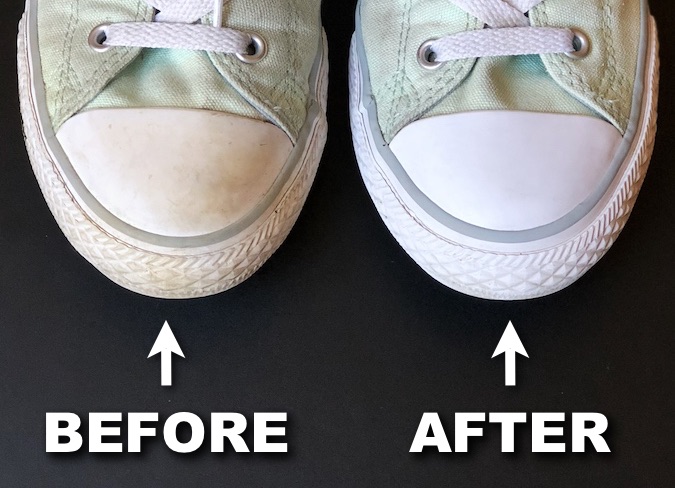
Deep yellowing needs patience. Old soles may have several layers of discoloration. The top layer may brighten while the inner material stays yellow.
Use a staged approach:
-
Clean the sole.
-
Let it dry for 24 hours.
-
Test a mild peroxide treatment.
-
Inspect the result in natural light.
-
Repeat only if the sole remains healthy.
-
Stop if the color becomes uneven or the material changes texture.
Do not chase a perfect color at any cost. Some vintage sneakers have yellowed because the material itself has aged. In that case, a professional may be able to improve the color, but no home treatment can guarantee a full reversal.
One lesson I have learned from hands-on shoe restoration is that patience beats force. The worst results usually come from thick product, strong sun, or leaving a treatment on overnight. Slow progress gives you time to spot trouble.
Common mistakes to avoid
Many failed attempts to remove yellowing from shoes soles come from using too much heat or too much chemical. The sole may look brighter for a short time, then crack or yellow again.
Avoid these mistakes:
• Using chlorine bleach on rubber or clear soles
• Mixing cleaning products
• Applying acetone to painted or plastic parts
• Leaving peroxide in direct sunlight for too long
• Using a heat gun, hair dryer, or clothes dryer
• Scrubbing with a rough wire brush
• Soaking the whole shoe
• Treating only one part of a large visible panel
• Skipping the patch test
• Storing the shoe before it is fully dry
Bleach is especially risky. It can weaken fibers and adhesives while leaving a pale yellow cast. Heat can also speed up oxidation, so a warm window or car dashboard is not a safe treatment area.
How to prevent soles from yellowing again
Prevention is easier than restoration. Keep shoes clean and dry, and limit their exposure to heat and ultraviolet light.
Use these storage habits:
• Store shoes in a cool, dry room.
• Keep them away from windows and heaters.
• Use a breathable shoe bag.
• Avoid sealed plastic bags when moisture is present.
• Clean dirt from soles after outdoor use.
• Let damp shoes air-dry before storage.
• Use white tissue paper instead of colored paper.
• Keep clear soles away from cardboard that may transfer color.
Do not store wet sneakers in a closed box. Trapped moisture can create odor, stains, and material breakdown.
A clean sole may still yellow with age. That change is normal for many rubber and plastic compounds. Good storage can slow it down, but it cannot stop oxidation forever.
When to use a professional shoe restorer
Home cleaning is reasonable for light surface stains and mild yellowing. Professional help is safer when the shoe is rare, expensive, vintage, or made with delicate materials.
Consider a professional if:
• The sole is cracked or sticky.
• The shoe has painted or translucent panels.
• The yellowing is deep and uneven.
• The upper includes suede, nubuck, or untreated leather.
• The outsole is separating.
• You are restoring a collectible sneaker.
A professional can identify the material and use controlled light, chemical, and cleaning methods. Even then, ask about risks before approving the work. Some color changes are permanent because the polymer has aged throughout the sole.
Understanding this limitation is part of knowing how to remove yellowing from shoes soles responsibly. A good restoration preserves the shoe rather than forcing an unsafe result.
Frequently Asked Questions About How to Remove Yellowing From Shoes Soles
Can toothpaste remove yellowing from shoe soles?
Toothpaste may remove light scuffs because it contains mild abrasives. It usually does not reverse deep oxidation, and some formulas can leave residue or dull glossy rubber.
Does hydrogen peroxide whiten yellow soles?
Hydrogen peroxide can improve some oxidation stains, especially on light rubber and clear soles. It cannot guarantee a full color reversal, so always test a hidden area first.
How long should peroxide stay on yellow soles?
Start with 20 to 30 minutes, then check the surface. Do not leave it on overnight, because long exposure can cause uneven whitening, dryness, or material damage.
Can bleach remove yellowing from shoe soles?
Bleach is not recommended for this job. It can weaken rubber, damage adhesives, fade nearby materials, and sometimes make yellowing look worse.
Why do shoe soles turn yellow after cleaning?
Cleaning can reveal oxidation that was hidden beneath dirt. Yellowing may also return when the sole continues to react with oxygen, heat, and ultraviolet light.
Can you remove yellowing from colored or translucent soles?
You may improve the color, but results depend on the plastic or rubber blend. Colored and translucent soles are more likely to show streaks, cloudiness, or permanent changes, so professional help may be best.
Conclusion
The safest way to remove yellowing from shoes soles is to begin with mild cleaning, inspect the material, and use peroxide only in a controlled way. Avoid bleach, harsh solvents, high heat, and long sun exposure. Test every treatment first, work in small stages, and accept that deep oxidation may not disappear completely.
With patience and careful storage, you can improve many yellowed soles without putting the whole shoe at risk. Try the mildest method first, and share your results or questions in the comments.

Michael Smith is the Content Strategist behind The Style Hub, where fashion meets function. With a keen eye for trends and a passion for everyday style, he curates content that helps readers make smarter, more stylish choices—from the perfect pair of sneakers to must-have accessories. Michael specializes in breaking down fashion into practical, wearable insights, making style accessible for everyone. When he’s not researching the latest trends, he’s exploring how comfort, innovation, and timeless design come together in modern fashion.