
Best Shoe Glue For Hiking Boots: Top Durable Picks
The best shoe glue for hiking boots creates a strong, flexible, waterproof bond that survives miles, mud, and rough trails.
A split sole can turn a great hike into a long walk home. I have seen heel edges lift, toe caps peel, and small holes grow fast after rain or sharp rocks. The right shoe glue for hiking boots can save a trusted pair and help you avoid an expensive replacement. I looked at bond strength, flexibility, drying time, water resistance, ease of use, and value. The options below suit quick trail fixes, full sole repairs, and careful home restoration.
Boot-Fix Shoe Glue for Hiking Boots

Boot-Fix is made for fast footwear repairs, so it makes a strong first choice for hikers who need a clean bond without a long wait. Its clear finish helps the repair look neat on leather, rubber, and many other boot materials. The thin formula can reach a narrow split along a sole or toe edge. It also works well for small repairs on everyday shoes.
I like this type of glue for loose sole edges because it stays flexible instead of forming a hard lump. That matters when a hiking boot bends with each step. The 20-gram tube is compact enough for a repair kit, though I would seal the tip at once after use. For many hikers, this is the best shoe glue for hiking boots when speed and a tidy finish matter most.
Pros:
- Clear finish helps hide the repaired area
- Flexible bond suits walking and boot flex
- Works on leather, rubber, and many footwear materials
- Small tube fits well in a home or trail repair kit
- Useful for loose soles, toe edges, and heel trim
- Fast bond can reduce repair time
Cons:
- Small tube may not cover a large sole separation
- Requires careful tip cleaning to prevent clogging
- Best results still require a full cure before hiking
My Recommendation
I recommend Boot-Fix to hikers who want a fast, precise repair for a loose edge or small split. It suits leather hiking boots, rubber outsoles, and mixed-material footwear. I would choose it for an emergency repair at home or before a weekend trip, not for rebuilding a badly worn boot. It offers strong value when a small amount of clear glue can extend the life of a favorite pair.
| Best for | Why |
|---|---|
| Quick sole-edge fixes | The fast-bond formula helps secure small lifted areas. |
| Neat repairs | The clear finish keeps the boot looking tidy. |
| Travel repair kits | The compact tube takes little room. |
ALECPEA Clear Shoe Glue

ALECPEA uses a thin, clear adhesive that can flow into tight gaps near a sole. The included three tips give you more control over the amount and direction of glue. That design helps when a boot has a narrow crack rather than a wide opening. The 30-gram size also gives you more material than many small instant-bond tubes.
I see this as a useful option for careful DIY repair work. A thin glue can spread along a seam with less mess, but it also demands a steady hand. I would tape nearby leather or fabric before applying it. If you want the best shoe glue for hiking boots for fine sole work, ALECPEA deserves a close look.
Pros:
- Thin formula reaches narrow cracks and seams
- Clear color supports a low-visibility repair
- Three tips improve control and access
- 30-gram amount suits repeated small repairs
- Useful for sole edges and detail work
- Can help limit excess glue when applied slowly
Cons:
- Thin glue may run on vertical boot areas
- Needs careful surface masking during use
- Large separations may need a thicker adhesive
My Recommendation
I recommend ALECPEA for patient users who want control over a small repair. It fits hikers who maintain several pairs and often fix narrow sole gaps, trim, or seams. The extra tips add practical value, especially when the repair area sits close to the welt or tread. It is a strong candidate for the best shoe glue for hiking boots when precision matters more than instant coverage.
| Best for | Why |
|---|---|
| Narrow cracks | The thin formula can enter small gaps. |
| Detailed home repairs | Three tips help guide the adhesive. |
| Multiple pairs | The larger 30-gram tube supports repeat use. |
Heavy-Duty 180 ML Shoe Sole Glue

This 180 ml adhesive targets larger sole, heel, leather, rubber, and canvas repairs. The generous bottle makes sense for households that repair boots, work shoes, and outdoor gear often. It dries clear and is designed for a waterproof, high-strength bond. The longer stated drying period gives the adhesive time to set across a larger repair area.
For a wide sole separation, I prefer a product with enough volume to coat both surfaces evenly. This glue can be a practical choice when a small tube would run out halfway through the job. I would clamp or tightly tape the boot and allow a full 24 hours before testing it. It may be the best shoe glue for hiking boots for large repairs, but its size is less useful for a one-time emergency.
Pros:
- Large 180 ml quantity supports broad repairs
- Designed for soles, heels, leather, rubber, and canvas
- Clear finish helps maintain the boot’s appearance
- Waterproof design suits wet trail conditions after curing
- Useful for families with several pairs of shoes
- High volume can offer good cost per repair
Cons:
- Large container is less portable than a small tube
- Needs patience because full drying can take about 24 hours
- More glue can create a mess if applied too heavily
My Recommendation
I recommend this heavy-duty shoe glue to serious DIY users and households with many boots. It is best for a long sole seam, a lifted heel, or repeated repairs where a 20-gram tube is not enough. It offers practical value, but I would not carry it on a backpacking trip. For home use, it can be the best shoe glue for hiking boots when repair size and quantity come first.
| Best for | Why |
|---|---|
| Large sole separations | The high volume covers wide bonding areas. |
| Frequent repairs | A large container reduces repeat purchases. |
| Home workshops | Its size suits stationary repair work. |
Professional Shoe Sole Repair Kit

This shoe glue is positioned as a flexible, waterproof adhesive for boots, hiking shoes, sneakers, heels, and other footwear. Its clear finish makes it suitable for repairs where appearance matters. A flexible bond is important because an outsole must move as the foot rolls forward. The formula is aimed at both small fixes and general sole repair.
I would use this product when I want one versatile glue for different footwear materials. It can help with a detached sole, a loose heel, or a worn seam, provided the surfaces are clean and dry. I always test a small hidden area first, especially on suede or colored leather. In a mixed shoe cabinet, this could be the best shoe glue for hiking boots for broad everyday use.
Pros:
- Works across boots, hiking shoes, sneakers, and heels
- Flexible bond helps handle normal foot movement
- Clear drying supports a cleaner finish
- Waterproof design helps after proper curing
- Useful for several types of footwear repair
- Good choice for users who want one general adhesive
Cons:
- May not match the strength of a specialist cobbler repair
- Surface preparation still controls the final result
- Users should test delicate materials before full use
My Recommendation
I recommend this kit-style glue for people who repair more than hiking boots. It suits a family, a gear closet, or anyone who wants a flexible adhesive for shoes, boots, and sandals. Its broad use makes it a useful backup for trips, though I would transfer a small amount only if the package allows safe storage. It delivers solid value as an all-around contender for the best shoe glue for hiking boots.
| Best for | Why |
|---|---|
| Mixed footwear | It is designed for many shoe and boot types. |
| Flexible repairs | The bond is made to move with footwear. |
| General home use | One product can cover several repair needs. |
Cerca de Heavy-Duty Shoe Glue

Cerca de is a clear, waterproof shoe cement made for strong repairs on boots, hiking shoes, sneakers, leather shoes, and sandals. Its 2-ounce size sits between a tiny emergency tube and a large workshop bottle. That makes it fairly easy to store while still giving enough glue for more than one small repair. The clear color also helps reduce the visual impact of a patch.
I would consider it for a boot that sees regular rain, dirt, and pavement. Still, waterproof claims only matter after the adhesive cures fully, so I would keep the boot dry during the cure time. Apply a thin layer, press the parts together, and remove squeeze-out before it hardens. For hikers who want a strong general adhesive, this may be the best shoe glue for hiking boots at a useful middle size.
Pros:
- Waterproof design suits outdoor footwear repairs
- Clear adhesive looks neat on many materials
- 2-ounce size balances capacity and storage
- Works on leather, rubber, sneakers, and boots
- Useful for both home and occasional travel repairs
- Strong cement style fits sole and heel work
Cons:
- May need clamping or firm pressure during curing
- Not as compact as a 20-gram emergency tube
- Heavy use can make the nozzle messy without cleaning
My Recommendation
I recommend Cerca de for hikers who want one medium-size adhesive for common boot repairs. It is best for loose soles, heel edges, and small patches on outdoor shoes. The bottle is more practical than a large repair jug for most homes, while the waterproof design fits wet-weather use. It is a sensible best shoe glue for hiking boots choice when you want strength, clear color, and a moderate amount.
| Best for | Why |
|---|---|
| Wet-weather boot repairs | The waterproof design suits outdoor use after curing. |
| Medium repair jobs | The 2-ounce size covers more than tiny fixes. |
| Multi-material shoes | It works with common leather and rubber footwear. |
SAPBOND Glue for Cowboy and Hiking Boots

SAPBOND is made for demanding boot repairs, including work boots, cowboy boots, muck boots, hiking boots, heels, and soles. The 25-gram tube offers a compact amount for a few targeted fixes. Its waterproof design is helpful for boots that face wet grass, mud, and stream crossings. It also targets suede and leather repairs, which many hikers will appreciate.
I would pick this glue for a boot that needs more than a tiny cosmetic touch. The product focus on working boots suggests a useful fit for thick materials and high-use footwear. I would roughen smooth rubber lightly, clean away dust, and hold the repair firmly while it sets. For hard-use boot owners, SAPBOND could be the best shoe glue for hiking boots when durability is the main goal.
Pros:
- Designed for hiking, work, cowboy, and muck boots
- Waterproof design fits wet and dirty conditions
- Compact 25-gram tube is easy to store
- Suitable for leather, suede, soles, and heels
- Good match for high-use footwear
- Useful for both outdoor and work gear
Cons:
- Small size may not suit a full outsole rebuild
- Suede still needs a hidden-area test
- Thick boot parts may need extended pressure during curing
My Recommendation
I recommend SAPBOND for hikers, hunters, ranch workers, and tradespeople who put real stress on their boots. It is especially useful for a sole edge, heel, or seam that must handle rough ground. The tube is small enough for a gear box but substantial enough for planned repairs. If your boots work as hard as you do, this is a strong best shoe glue for hiking boots option.
| Best for | Why |
|---|---|
| Work and hiking boots | Its product design targets high-use boot repairs. |
| Leather and suede | It is made for several boot upper materials. |
| Compact storage | The 25-gram tube fits in a small kit. |
Sof Sole Original Shoe Goo

Sof Sole Original Shoe Goo is a familiar repair product for soles, heels, holes, and worn spots. The 3.7-fluid-ounce tube gives you enough material for several jobs. It bonds to leather, rubber, vinyl, and canvas, so it covers much more than hiking boots alone. Its clear finish and waterproof design make it practical for outdoor footwear.
Unlike a very thin instant glue, Shoe Goo can help fill a small hole or rebuild a worn heel area. That makes it useful when the problem involves missing material, not just a loose edge. I would spread it with a disposable tool and smooth the surface before the glue skins over. For broad repair work and patching, this remains a strong choice for the best shoe glue for hiking boots.
Pros:
- Large 3.7-fluid-ounce tube supports many repairs
- Can repair soles, heels, holes, and worn patches
- Works on leather, rubber, vinyl, and canvas
- Waterproof after proper curing
- Clear color suits visible repair areas
- Useful for filling small gaps and rebuilding edges
Cons:
- Needs more cure time than some fast-bond glues
- Thicker texture can be harder to spread neatly
- Large tube is less convenient for a lightweight trail kit
My Recommendation
I recommend Sof Sole Original Shoe Goo for hikers who need a repair material, not only a bonding agent. It is best for worn heels, small holes, thin spots, and damaged sole edges. The large tube works well for gear maintenance at home, but I would not carry the full size on a long trek. If you want proven versatility and strong coverage, it deserves a place among the best shoe glue for hiking boots products.
| Best for | Why |
|---|---|
| Worn heels | The thicker formula can help rebuild worn areas. |
| Small holes | It can fill and patch minor damage. |
| Repeated repairs | The 3.7-ounce tube gives plenty of material. |
GEAR AID Aquaseal SR Adhesive
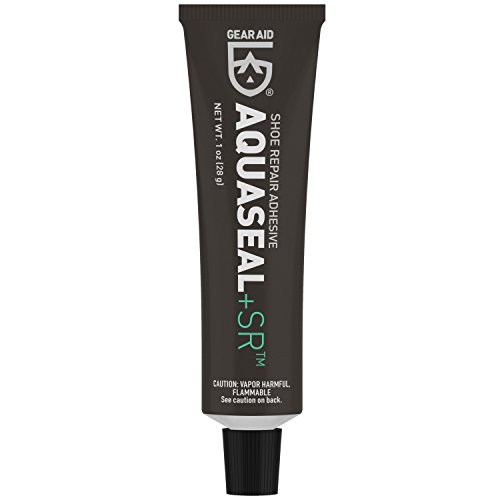
GEAR AID Aquaseal SR is built for outdoor repairs on hiking boots, work boots, rain boots, shoes, soles, and heels. It can also help fix holes and rebuild worn heel sections. The clear 1-ounce package is compact enough for a repair kit or gear drawer. Its outdoor focus makes it especially appealing to hikers who deal with rain, wet trails, and repeated abrasion.
I value a repair adhesive that treats the boot as outdoor equipment rather than a fashion item. Aquaseal SR is a good fit for practical fixes where water resistance and flexibility matter. I would clean the area well, let it dry fully, and use a clamp or strong tape to keep the parts aligned. For trail-minded users, this is one of the most convincing choices for the best shoe glue for hiking boots.
Pros:
- Designed for hiking, work, and rain boots
- Useful for holes, soles, heels, and worn areas
- Clear 1-ounce tube fits an outdoor repair kit
- Outdoor-focused formula suits wet trail conditions
- Can support flexible repairs on moving footwear
- Brand focus on gear repair adds confidence for hikers
Cons:
- One-ounce size may not cover a major full-sole job
- Careful preparation is needed for a lasting bond
- Full curing takes longer than a quick emergency tack
My Recommendation
I recommend Aquaseal SR for hikers who carry repair supplies and want a product made with outdoor use in mind. It is best for fixing holes, rebuilding worn heel areas, and securing separated soles on boots that see wet ground. The small tube offers a good balance of capacity and portability. If you want the best shoe glue for hiking boots for a trail kit, this is one of my top choices.
| Best for | Why |
|---|---|
| Backpacking repair kits | The 1-ounce package is easy to pack. |
| Rainy trail use | Its outdoor repair focus suits wet conditions. |
| Heel and hole repairs | The formula supports more than simple bonding. |
Shoe-Fix Professional Repair Adhesive

Shoe-Fix is a professional-grade adhesive for footwear repairs where a clear, flexible bond is important. It is designed for boots, heels, sandals, and shoes, so it can handle more than one type of repair. The 20-gram tube is small and easy to control. Its instant-bond positioning may help with quick work on a detached trim piece or loose edge.
I like this type of glue for a neat repair that does not need a thick filler. It can be helpful when I want to keep the original shape of a boot instead of adding a visible patch. I would still allow extra cure time before a hike, even when the initial bond feels firm. For fast, clean work, Shoe-Fix is a serious contender for the best shoe glue for hiking boots.
Pros:
- Clear drying helps create a low-profile repair
- Flexible bond matches normal footwear movement
- Compact 20-gram tube is easy to handle
- Works on boots, shoes, sandals, and heels
- Fast initial bond saves time
- Good for trim, edges, and small separations
Cons:
- Not the best choice for filling large missing areas
- Small tube may run out during a full sole repair
- Fast bonding leaves less time to correct poor alignment
My Recommendation
I recommend Shoe-Fix for experienced users who can align the repair correctly on the first try. It is best for quick, tidy work on loose edges, trim, and small boot separations. It also suits hikers who repair several types of footwear. If speed and appearance matter most, this can be the best shoe glue for hiking boots for precise repairs.
| Best for | Why |
|---|---|
| Fast repairs | The instant-bond design can save valuable time. |
| Small separations | The compact tube supports controlled application. |
| Visible boot areas | Clear drying helps the repair blend in. |
SHOE BOND Professional Shoe Glue
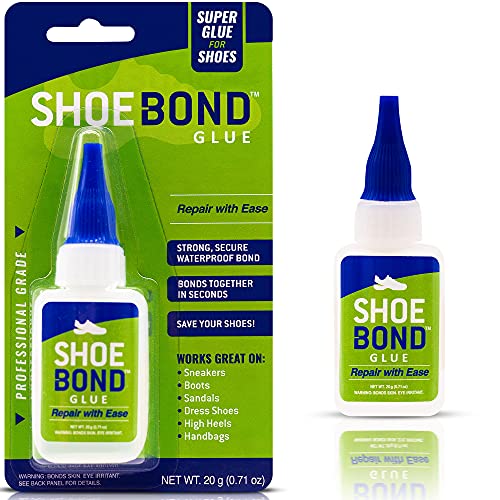
SHOE BOND is a clear, waterproof, quick-drying adhesive made for hiking boots, sneakers, sandals, and other shoes. The broad product focus makes it useful for a home repair drawer. Its clear bond is helpful when a dark glue would stand out against light rubber or leather. The quick-dry feature may reduce the time needed for simple repairs, but the boot still needs a proper cure before hard use.
I would use SHOE BOND for a clean sole edge or a detached section that needs prompt attention. It is not a substitute for a new outsole when the tread is badly worn, but it can stop a small problem from becoming a large one. Apply less than you think you need, then press the surfaces together evenly. For general trail footwear maintenance, it is a practical best shoe glue for hiking boots option.
Pros:
- Clear finish suits visible repairs
- Waterproof design supports outdoor footwear use
- Quick drying can shorten repair time
- Designed for hiking boots and several shoe types
- Useful for everyday sole and edge repairs
- Simple format works well for basic DIY users
Cons:
- Quick drying can make repositioning difficult
- May not fill a deep hole as well as a thicker goo
- Users should avoid hiking before full curing
My Recommendation
I recommend SHOE BOND for casual hikers and home users who want a simple, quick-drying repair adhesive. It is best for small sole separations, loose edges, and general maintenance on boots and shoes. The clear, waterproof design covers the needs of many outdoor users. It is a good best shoe glue for hiking boots choice when ease and speed are higher priorities than heavy rebuilding.
| Best for | Why |
|---|---|
| Casual hikers | It handles common boot repairs without a complex process. |
| Quick home fixes | The quick-dry design helps finish small jobs sooner. |
| Mixed shoe storage | It works on boots, sneakers, and sandals. |
How I Choose the Best Shoe Glue for Hiking Boots
Not every strong glue works well on hiking boots. A boot bends, twists, gets wet, and rubs against stone. A hard glue may hold for a day, then crack like dry mud. I look for a bond that stays flexible while it handles repeated movement.
I also check the materials involved. Hiking boots may use leather, suede, rubber, EVA foam, nylon, mesh, or a mix of several layers. No adhesive works perfectly on every surface. A product that bonds well to rubber may act differently on a coated fabric upper.
Water resistance matters, but timing matters too. Most shoe glues need clean surfaces and a full cure before they reach their best strength. A boot can feel fixed while the inside bond remains soft. I never judge a repair by touch alone.
Bond Strength and Flex
Strong does not always mean suitable. Hiking boots flex at the toe and twist near the forefoot. The best shoe glue for hiking boots should hold the parts together without turning the seam into a stiff ridge.
Flexible shoe adhesives often work better for sole edges than brittle household glue. They can move with the boot as you walk. They also help reduce stress at the border of the repair. Still, flexibility cannot restore rubber that has aged, cracked, or lost its tread.
Waterproof Performance
A waterproof label is helpful, but it does not make a wet repair successful. Water, mud, skin oil, and dust can block the bond. I clean the surfaces first and let them dry fully.
After applying the glue, I keep the boot away from rain until the recommended cure period ends. Even then, I test the repair on a short walk before trusting it on a remote trail. This small step can prevent a major problem far from the trailhead.
Drying Time
Fast glue has one clear benefit: it saves time. It also has one clear risk: you may lose the chance to adjust the parts. Slow-setting glue gives you more time to align a sole and spread pressure evenly.
For a trail emergency, a fast adhesive may be worth carrying. For a home repair, I often prefer a product that allows careful placement. Follow the package directions because “dry to touch” and “fully cured” mean different things.
Application Control
A narrow nozzle helps with a thin sole gap. A wider opening works better for a broad heel or a long outsole seam. Extra tips can improve control, but they do not replace careful preparation.
I use a toothpick, scrap plastic, or a small disposable brush to spread glue. I avoid cotton swabs because loose fibers can enter the adhesive. I also keep paper towels nearby for quick cleanup.
Tube Size and Value
A small tube is ideal for an emergency kit. It takes little space and weighs very little. A larger bottle makes more sense when you repair many shoes or need to cover a long seam.
Do not judge value by the amount alone. A large tube that dries in storage is poor value. Keep the cap clean, close it tightly, and store the product as the label directs. Good storage can matter as much as the original price.
How to Repair Hiking Boots With Shoe Glue
First, inspect the boot. If the outsole has severe cracks, the tread is worn smooth, or the midsole is crumbling, glue may only delay replacement. Glue works best when the boot still has a sound structure. It is a bridge, not a miracle.
Next, remove dirt, old glue, and loose rubber. Use a dry brush for grit, then wipe suitable hard surfaces with a small amount of rubbing alcohol if the material allows it. Do not soak leather or suede. Let every part dry before you continue.
Open the gap gently, but do not stretch it wider than needed. Apply a thin, even layer to the bonding surfaces. Too much glue can slow curing and create a weak, soft center.
Press the parts together and align the tread. Use painter’s tape, rubber bands, clamps, or a heavy book with a protective layer. Keep pressure even, but do not crush the boot shape.
Remove excess glue while it remains workable. Then leave the boot alone for the full cure time on the label. I prefer to wait longer than the minimum when the repair involves a sole or heel.
Test the boot indoors first. Bend the toe, flex the sole, and look for a new gap. Take a short walk on a clean surface before using the boot on a steep or remote hike.
Common Mistakes to Avoid
The first mistake is using glue on a dirty surface. Dust acts like a thin blanket between the adhesive and the boot. Even the best shoe glue for hiking boots cannot form a reliable bond through grit.
The second mistake is applying a thick bead. More glue does not always mean more strength. A thin coat often creates better contact and cures more evenly.
The third mistake is hiking too soon. A firm outer skin can hide a soft center. Give the bond enough time to cure before exposing it to water, rocks, and body weight.
The fourth mistake is skipping a material test. Some adhesives can mark finished leather, suede, foam, or painted surfaces. Test a hidden spot first and stop if the material changes color or texture.
The fifth mistake is repairing a boot that has reached the end of its life. If the tread is gone or the midsole breaks apart, a new pair may be safer. A glue repair should restore function, not hide a serious safety issue.
Which Glue Type Is Best for Different Boot Repairs?
For a lifted sole edge, choose a flexible shoe adhesive with a narrow applicator. You need the glue to enter the seam and move with the boot. Boot-Fix, Shoe-Fix, SHOE BOND, and similar clear formulas fit this type of work.
For a worn heel or small hole, a thicker product can work better. It can fill a shallow void and create a patch. Sof Sole Original Shoe Goo and outdoor repair formulas such as Aquaseal SR suit this task.
For a long separation, use enough adhesive to coat the full bonding area. The 180 ml heavy-duty glue offers better volume for large home repairs. A small tube may work, but running out halfway through can leave an uneven job.
For backpacking, size and weight become important. A one-ounce or 20-gram tube fits better than a large bottle. Carry tape or a wrap as a backup because glue alone cannot solve every boot failure.
Safety and Care Tips
Use shoe glue in a place with good airflow. Keep it away from flames, children, and pets. Read the product label before use, especially if the adhesive has a strong odor or calls for protective gloves.
Protect your table with cardboard or a plastic sheet. Keep glue off skin and eyes. If contact occurs, follow the label and seek medical help for serious exposure.
Store the tube upright when possible. Wipe the nozzle before replacing the cap. Never force a blocked nozzle toward your face or hands.
After repair, care for the boot. Brush away mud, dry it at room temperature, and avoid placing it against a heater. Excess heat can damage leather, adhesives, foam, and waterproof membranes.
FAQs Of best shoe glue for hiking boots
What is the best shoe glue for hiking boots?
The best option depends on the repair. GEAR AID Aquaseal SR is a strong choice for outdoor kits, while Sof Sole Original Shoe Goo suits holes, worn heels, and broad repairs. For a fast, neat sole-edge fix, Boot-Fix or Shoe-Fix may work better.
Can shoe glue fix a completely detached hiking boot sole?
It can sometimes fix a detached sole if the rubber and midsole remain sound. Clean both surfaces, use even pressure, and allow full curing. If the sole has deep cracks or the midsole is crumbling, replacement is safer.
Is waterproof shoe glue safe to use in rain right away?
No. Waterproof performance usually depends on full curing. Keep the repair dry for the time stated on the label, then test it before a long hike.
Can I use super glue on hiking boots?
Super glue may work for a small hard trim piece, but it often becomes brittle. Hiking boot soles flex, so a flexible shoe adhesive is usually the better choice.
How long should shoe glue cure before hiking?
Follow the product directions. Many repairs need at least 24 hours, and thick or wide repairs may need longer. A short test walk can confirm that the bond holds before a demanding trip.
Final Verdict: Which Should You Buy?
For most hikers, GEAR AID Aquaseal SR is my top pick because it suits outdoor repairs, holes, heels, and soles. Sof Sole Shoe Goo is better for larger patches, while Boot-Fix stands out for quick, clean edge repairs.
The best shoe glue for hiking boots is the one that matches the damage, material, and cure time. Prepare the boot well, let the bond cure fully, and test it before heading deep into the wild.

Michael Smith is the Content Strategist behind The Style Hub, where fashion meets function. With a keen eye for trends and a passion for everyday style, he curates content that helps readers make smarter, more stylish choices—from the perfect pair of sneakers to must-have accessories. Michael specializes in breaking down fashion into practical, wearable insights, making style accessible for everyone. When he’s not researching the latest trends, he’s exploring how comfort, innovation, and timeless design come together in modern fashion.