
How Should Dress Shoes Fit: The Perfect Fit Guide
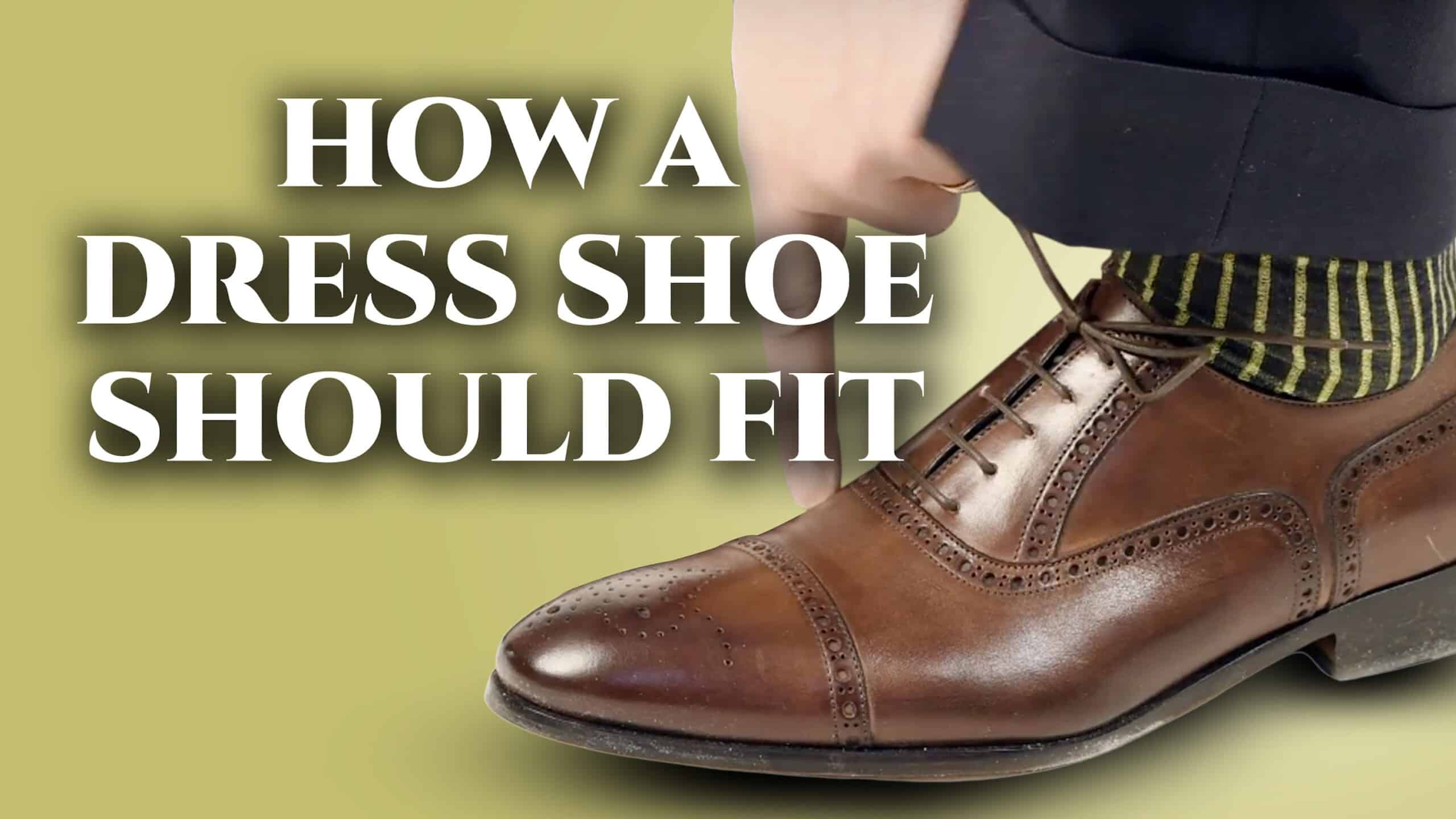
Dress shoes should feel snug at the heel and midfoot, with room for your toes to move.
Knowing how should dress shoes fit can save you from blisters, sore arches, and wasted money. A good pair should feel secure without squeezing your foot, bend in the right place, and stay comfortable when you walk. This guide explains the fit checks that shoe professionals use, along with simple tips you can apply in a store or at home.
Why the Fit of Dress Shoes Matters
Dress shoes often use firm leather, stiff soles, and narrow shapes. These features can look sharp, but they leave less room for error than soft sneakers. If the fit is wrong, your foot may slide, pinch, or strike the front of the shoe with every step.
The right fit supports natural movement. It helps your heel stay in place, lets your toes spread, and keeps pressure even across the sole. When people ask, “How should dress shoes fit?” the best answer is balanced comfort, not a tight feel.
A shoe that feels slightly tight may seem secure at first. After several hours, though, your feet can swell and the leather may press on sensitive areas. A shoe that feels loose can cause rubbing, tired feet, and poor balance.
A good fit should provide:
• A secure heel with little movement
• A snug midfoot that does not squeeze
• Enough toe room for natural movement
• Even pressure across the top and sides of the foot
• A sole that bends near the ball of the foot
Research on footwear and foot health consistently links poor shoe fit with pain, blisters, corns, and pressure on the toes. Comfort is not a luxury. It is part of proper shoe function.
How Should Dress Shoes Fit in Length?
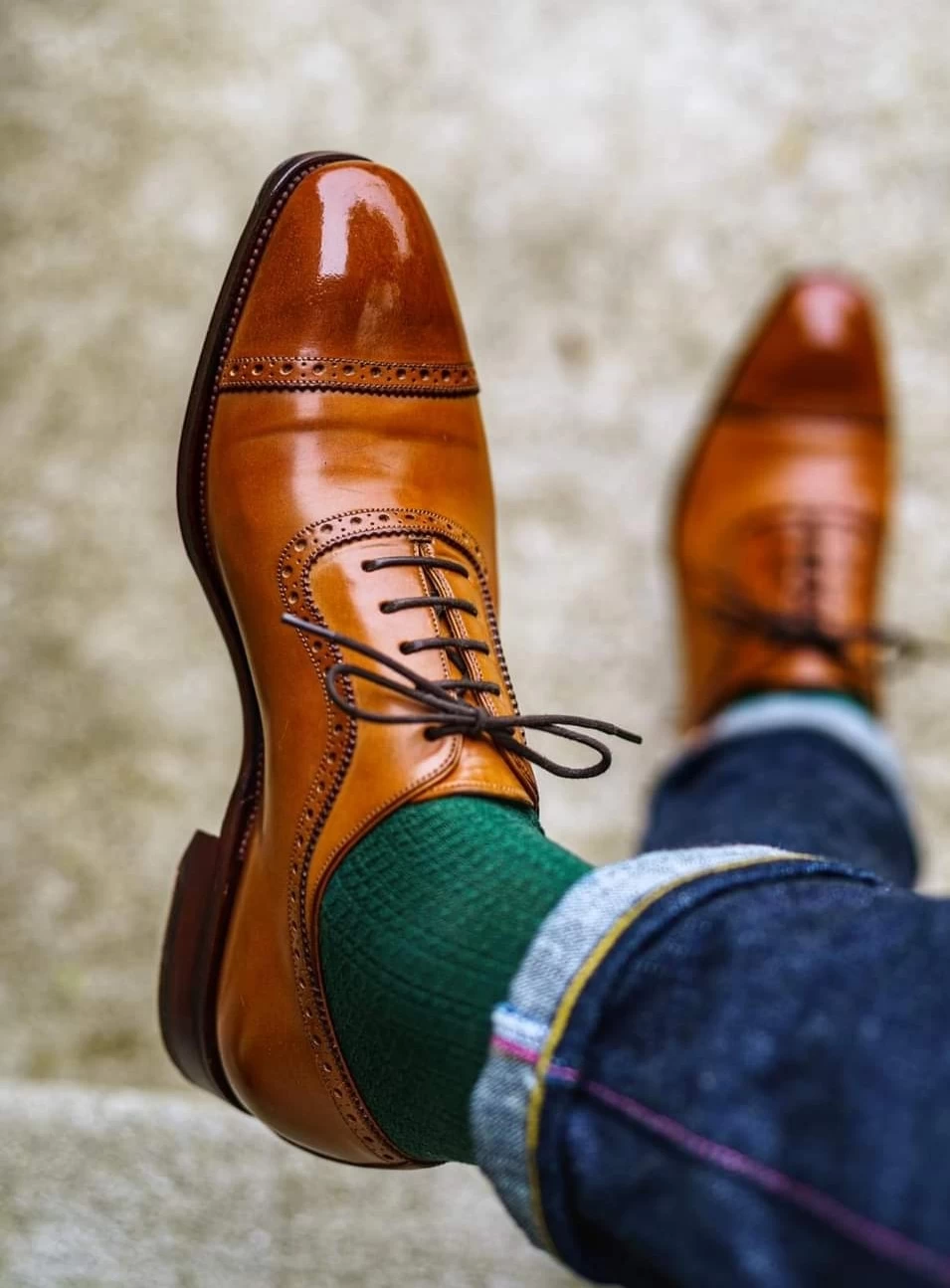
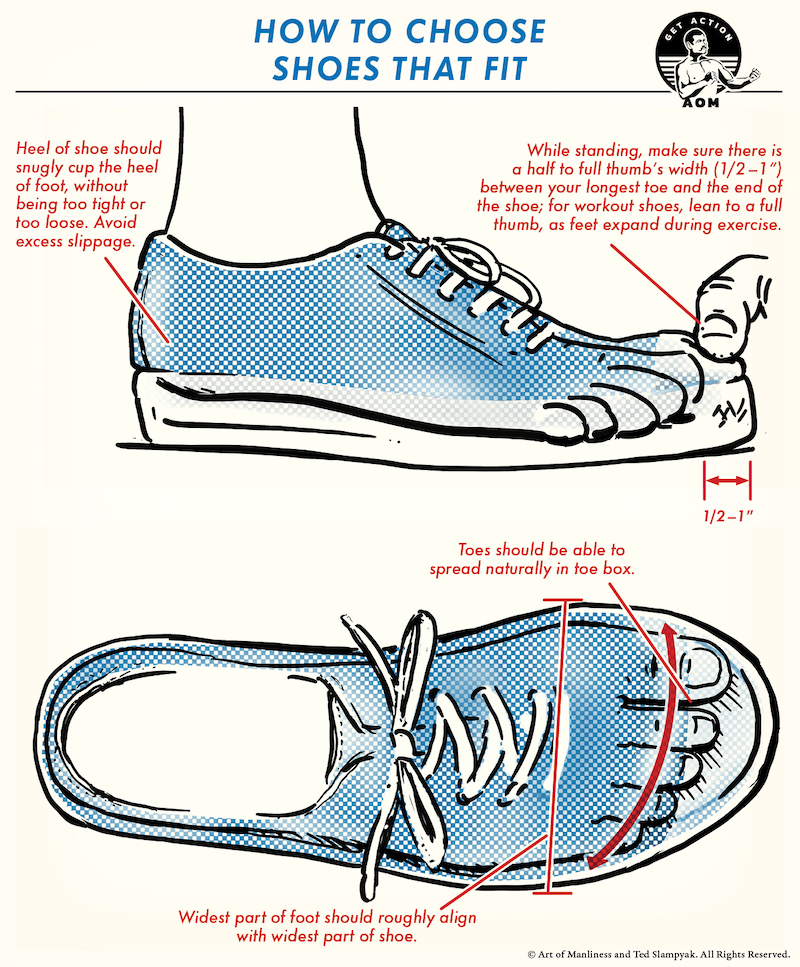
Length is one of the first things to check. Your longest toe should not touch the front of the shoe. You should have about three-eighths to one-half inch of space between that toe and the end of the toe box.
That space is not meant to make the shoe feel loose. It gives your foot room to move forward as you walk. It also allows for normal swelling during a long day.
Many people check only the big toe. That can be a mistake. Some people have a longer second toe, known as a Greek foot shape. Always judge the fit by your longest toe.
Use this simple test:
- Put on the dress socks you plan to wear.
- Stand with your full weight on both feet.
- Press the front of the shoe gently.
- Check that your longest toe does not touch the end.
- Walk several steps and notice whether your toes hit the front.
Your toes should not curl to create space. If they do, the shoe is too short or the toe box is too low. A longer shoe may not solve the problem if the real issue is height or width.
When learning how should dress shoes fit, remember that shoe sizes are not exact measurements. A size 10 in one brand may fit like a 9.5 or 10.5 in another. Fit matters more than the number printed inside the shoe.

How Should Dress Shoes Fit in Width?
Your foot should sit naturally on the shoe’s footbed. The widest part of your foot should match the widest part of the shoe. This area is usually near the ball of the foot, behind the toes.
The sides should touch your foot lightly, but they should not press hard. If you see bulging leather near the ball of your foot, the shoe may be too narrow. If your foot slides from side to side, the shoe may be too wide.
Watch for these warning signs:
• Numbness in the toes
• Burning along the sides of the foot
• Deep marks after removing the shoes
• A little toe that feels trapped
• Leather that stretches sharply over the forefoot
• Toes that overlap or curl
A shoe that is too narrow will rarely become truly comfortable. Leather can soften and stretch, but it cannot always provide enough space for your foot shape. Stretching may help with mild pressure, but it cannot fix a major size problem.
Width labels can help. Common options include narrow, medium, wide, and extra-wide. However, width letters vary by brand, so try the shoes on instead of relying only on the label.
If you wonder how should dress shoes fit for wide feet, focus on the toe box and ball of the foot. Choose a naturally wider shape instead of simply buying a longer shoe. Extra length can make your heel slip and change your walking pattern.
How Should Dress Shoes Fit at the Heel?
Your heel should stay mostly in place when you walk. A small amount of movement can happen in a new pair, especially with stiff leather. However, your heel should not lift so much that the shoe rubs the back of your foot.
Walk at a normal pace. Do not shuffle. Check whether the heel moves up and down with every step. A little lift may improve as the sole flexes, but strong movement often means the shoe is too large, too wide, or shaped differently from your heel.
Try these checks:
• Walk up and down a short hallway.
• Bend your foot as if climbing stairs.
• Stop and start several times.
• Check for rubbing near the heel counter.
• Notice whether your foot slides forward.
Lacing can help fine-tune a close fit. A firm but comfortable lace pattern may hold the heel better. It cannot, however, turn an oversized shoe into a properly fitted one.
Slip-on dress shoes need special care. They should feel secure across the instep without squeezing it. If a loafer stays on only because your toes grip the inside, the fit is not correct. That habit can lead to tired muscles and discomfort.
In practical fitting, the heel often reveals the truth. A shoe may feel fine while standing still but show poor fit after five minutes of walking. That is why walking in the shoes is one of the most important parts of checking how should dress shoes fit.

How Should Dress Shoes Fit Across the Toe Box?
The toe box should match the shape of your toes. Pointed shoes naturally offer less room than round or square-toe styles. A sharp silhouette may look formal, but it should never force your toes into an unnatural position.
Your toes should lie flat or rest in their normal shape. They should not feel folded, crushed, or pressed together. You should also be able to move them slightly inside the shoe.
Pay attention to the height of the toe box. Some shoes have enough length and width but not enough vertical space. This can place pressure on the tops of the toes and cause pain near the toenails.
People with bunions, hammertoes, or sensitive feet may need a rounder toe shape. A pointed shoe can increase pressure on these areas. If you have diabetes, reduced sensation, or ongoing foot pain, ask a qualified health professional for individual advice before choosing formal footwear.
A useful rule is simple: the shoe should follow your foot, not force your foot to follow the shoe. Style matters, but a polished outfit is not worth pain that lasts all evening.

The Best Time and Way to Try on Dress Shoes
Feet often swell during the day. For that reason, try on dress shoes in the afternoon or evening. A pair that fits early in the morning may feel tight after work, travel, or a long event.
Wear the socks, insoles, or orthotics you plan to use. Even a thin dress sock can change the fit. Try on both shoes because many people have one foot that is slightly larger than the other.
Follow this fitting routine:
- Loosen the laces or straps fully.
- Put on both shoes while standing.
- Secure the shoes as you normally would.
- Walk for at least five minutes.
- Test stairs or a firm incline if possible.
- Check your toes, heel, arch, and instep.
- Remove the shoes and look for red marks or pressure points.
Do not judge shoes only by sitting down. Your feet spread and lengthen when you stand. Walking also moves your foot forward, so a shoe can feel fine in a chair but too short on the street.
Take your time. Rushing is one of the most common fitting mistakes. I have seen people choose a pair because the color and shape looked perfect, then regret the purchase after one formal event. A few minutes of walking would have shown the problem.

How Should Dress Shoes Fit With Different Styles?
Different dress shoe styles can fit in slightly different ways. The basic rules stay the same, but the construction changes where you should pay attention.
Oxford shoes
Oxfords have a closed lacing system. They often feel more structured around the instep. The laces should close without pulling the eyelets together too tightly or leaving a large gap.
The heel should stay secure, and the forefoot should not feel squeezed. If the laces look strained, try a wider size or a different last shape.
Derby shoes
Derby shoes have an open lacing system. They usually offer more room over the instep than Oxfords. This can help people with higher arches or a taller foot.
Do not assume every Derby fits wide. Check the toe box and heel just as carefully as you would with an Oxford.
Loafers
Loafers should fit securely across the instep. They may feel close at first because they do not have laces for adjustment. Your heel should not pop out with each step.
Avoid buying a loafer that feels loose in hopes that thicker socks will fix it. Socks can help slightly, but they cannot correct a poor shape.
Monk straps
Monk straps should hold the foot firmly without pressing the top of the foot. Adjust the buckle while standing, and test both walking and sitting.
Boots
Dress boots should leave room for your toes and provide a stable heel. Check the ankle opening for rubbing, especially when the boot is new. The boot should bend near the ball of the foot rather than directly under the arch.
These differences explain why the answer to how should dress shoes fit is not identical for every style. The fit must match both your foot and the shoe’s construction.
Common Dress Shoe Fit Mistakes
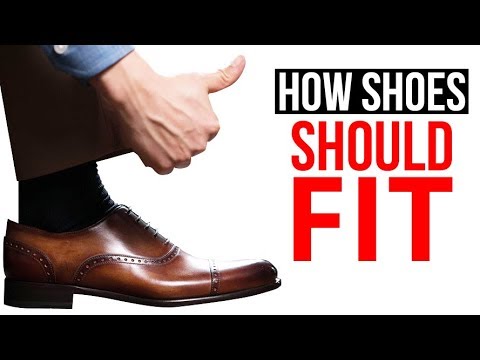
The most common mistake is buying a shoe that is too small because it looks sleek. Many shoppers believe formal shoes should feel tight. They should feel secure, but tightness is not proof of quality or correct fit.
Another mistake is choosing a larger size to gain width. This may create extra space in the toe but leave the heel unstable. Look for a wider shape or width option instead.
Avoid these errors:
• Assuming every brand uses the same size scale
• Buying shoes without wearing socks
• Ignoring pressure because the shoes are for special events
• Expecting leather to stretch by a full size
• Testing only one shoe
• Using insoles to fix a shoe that is too long
• Wearing new dress shoes for a full day without testing them