Best High Heel Shoes For Flat Feet: Arch Support Inserts
The best high heel shoes for flat feet need flexible arch support, stable heels, and inserts that fit without crowding toes.
You love the polish of a high heel, but your feet may start to ache before dinner arrives. Flat feet can make the arch roll inward, which may add stress to the heel, ball of the foot, knees, and lower back. The right shoe and a slim support insert can act like a small bridge under the foot. I tested the key features that matter most, including heel stability, insert shape, cushioning, fit, and daily comfort. This guide helps you find stylish support without treating pain as the price of looking dressed up.
Dr. Foot’s Gel Arch Pads for Flat Feet
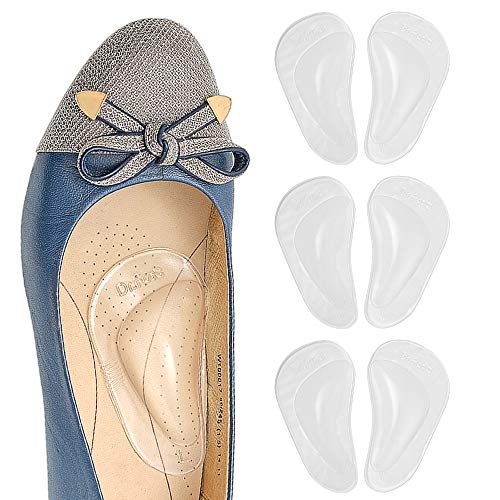
Dr. Foot’s Arch Support Shoe Insoles take a different path from full-length orthotics. These are adhesive gel arch pads that sit beneath the middle of the foot. That small design works well in high heels, pumps, flats, and dress shoes where a full insole may steal too much space. For anyone seeking the best high heel shoes for flat feet with ultimate arch support inserts, this slim format is worth serious attention.
The clear gel looks discreet and gives the arch a soft, cushioned feel. The adhesive backing helps hold each pad in place, which matters when a shoe has a smooth lining. I like the three-pair format because you can move support between several pairs of shoes. Still, these pads do not replace a medical orthotic for severe overpronation or ongoing foot pain.
Pros:
- Thin design fits many high heels and narrow shoes
- Clear gel looks discreet inside open shoes
- Adhesive backing helps limit sliding
- Soft padding eases pressure beneath the arch
- Three pairs allow use in several shoes
- Simple option for occasional dress wear
Cons:
- May not provide enough control for strong overpronation
- Adhesive can lose grip with sweat or repeated use
- Placement takes a little trial and adjustment
My Recommendation
I recommend Dr. Foot’s pads for shoppers who need light, low-profile support in dress heels. They suit occasional events, office shoes, and people who dislike bulky inserts. They are also a smart starting point if you want to test arch support before buying a larger orthotic. Among options for the best high heel shoes for flat feet with ultimate arch support inserts, this is the easiest choice for tight-fitting footwear and discreet comfort.
NEUPU Heavy-Duty High Arch Insoles

NEUPU targets users who want a firm, full-length support base. Its heavy-duty build is made for users weighing more than 240 pounds, though fit and comfort still depend on foot shape. The high arch aims to support the foot as it rolls inward. It can work well in boots, roomy walking shoes, and some block-heel styles with a removable liner.
This insert places more structure under the arch than a soft gel pad. Its shock-absorbing design may help reduce the hard feel of each step on firm floors. However, a high arch can feel intense during the first few wears, especially for someone with a low or flexible arch. I suggest starting with one to two hours and increasing wear time slowly.
Pros:
- Firm support suits users who need more structure
- Heavy-duty design supports higher body weight
- Full-length shape spreads pressure across the foot
- Shock absorption improves comfort on hard surfaces
- Useful for flat feet and inward rolling
- Works well in roomy shoes and work footwear
Cons:
- Too bulky for most slim pumps and narrow heels
- High arch may feel too firm at first
- May require trimming for a better shoe fit
My Recommendation
Choose NEUPU if you need firm, heavy-duty support more than a delicate dress-shoe insert. It is best for block heels, wedges, casual shoes, and boots with enough inner room. I would not place it in a tight stiletto unless the shoe has a removable footbed and enough toe space. For the best high heel shoes for flat feet with ultimate arch support inserts, NEUPU is the strongest pick for support-focused users who can accept a thicker insert.
DR. POTTER+ 3/4 Orthotic Insoles

DR. POTTER+ uses a 3/4-length shape to save space near the toes. That makes it more useful than a bulky full-length insole for some dress shoes. The product is listed for women’s sizes 7.5 to 9.5 and men’s sizes 6.5 to 8.5 in the medium range. Its raised arch aims to help flat feet, overpronation, and heel discomfort.
The shorter front leaves room for toes to spread, which can make a big difference in pointed heels. It also reduces the chance of the insert bunching at the toe box. The trade-off is that it may not cushion the forefoot as much as a full-length model. I see this as a practical middle ground between a tiny gel pad and a full orthotic.
Pros:
- 3/4 length leaves more toe room
- High arch gives noticeable structural support
- Useful for flat feet and overpronation
- Fits more dress shoes than many full-length inserts
- Helps support the heel and middle foot
- Good balance of control and space saving
Cons:
- Limited size range may not fit every shopper
- May feel firm under a sensitive arch
- Does not cover the full forefoot
My Recommendation
DR. POTTER+ is my top choice for people who want real arch structure but still need toe room. It fits best in roomy pumps, low platforms, block heels, and work shoes. Check the size before ordering, then place it under the existing footbed only if the shoe has enough depth. If you are comparing the best high heel shoes for flat feet with ultimate arch support inserts, this model offers one of the most useful designs for dress footwear.
Trim-to-Fit High Arch Plantar Fasciitis Insoles

This trim-to-fit insole gives shoppers room to adjust the shape. The full-length design includes high arch support and cushioning for the heel and forefoot. It is marketed for flat feet, arch pain, pronation, and metatarsal discomfort. That broad focus makes it a flexible option for walking shoes and roomy high heels.
Customization is the main attraction. You can trace the original shoe liner, cut slowly, and create a closer fit than a fixed-size insert allows. The cushioning may feel welcome when heels push weight toward the ball of the foot. Since this is a fuller insert, I would use it in a wedge, platform, or wide block heel rather than a narrow fashion pump.
Pros:
- Trim-to-fit shape allows a more personal fit
- High arch supports feet that roll inward
- Cushioning covers the heel, arch, and forefoot
- Useful for several common foot discomforts
- Good choice for roomy shoes and wedges
- Can replace a worn or flat shoe liner
Cons:
- Too thick for many narrow high heels
- Cutting requires care and patience
- Full-length coverage may crowd smaller toe boxes
My Recommendation
I suggest this model for people who want one adjustable insert for many casual and dress shoes. It is especially useful if your feet need both arch support and forefoot cushioning. Measure twice before trimming, because removing too much material cannot be undone. For shoppers seeking the best high heel shoes for flat feet with ultimate arch support inserts, this is a strong value pick when the shoe has enough space.
AOBEKOS Heavy-Duty High Arch Inserts

AOBEKOS is built around heavy-duty support for users up to about 240 pounds. The high arch aims to reduce excess foot motion and help spread walking pressure. It is better suited to work boots, trainers, casual shoes, and wide block heels than delicate stilettos. Its firm profile may appeal to people who feel that soft foam collapses too quickly.
For flat feet, a stable support point can make the whole step feel more balanced. AOBEKOS also adds shock control, which may help on concrete or other hard floors. Like any firm orthotic, it needs a gradual break-in period. I recommend checking the heel cup and arch position before wearing it for a full day.
Pros:
- Designed for heavy-duty daily support
- High arch helps limit excessive inward rolling
- Shock absorption suits hard floors
- Useful for work and long standing hours
- Supports the heel and middle foot together
- Firm structure resists quick flattening
Cons:
- Not ideal for tight or shallow dress shoes
- May take time to feel comfortable
- Firm support may not suit flexible or sensitive feet
My Recommendation
AOBEKOS fits people who spend long hours standing and want more control than a thin gel pad can give. Select a roomy block heel if you want to pair it with dress shoes. It is also a practical choice for users who need support for work boots and everyday footwear. In a search for the best high heel shoes for flat feet with ultimate arch support inserts, AOBEKOS stands out for strength and long-wear support.
Dr. Archrevive Women’s Adjustable Arch Inserts

Dr. Archrevive offers three height choices, which is a useful feature for people who do not know how much arch support they need. The inserts can be trimmed, so you can adapt the shape to different women’s shoes. Adjustable height gives you more control than a fixed arch. That matters because flat feet vary widely from person to person.
I like the gradual approach this design allows. You can begin with a lower setting, then move higher if your foot accepts the support without pressure. This may be easier for new orthotic users who feel overwhelmed by a rigid arch. The trimmable format should fit best in sneakers, flats, roomy boots, and supportive block heels.
Pros:
- Three height options support personal comfort
- Trimmable design adapts to different shoe shapes
- Good choice for first-time insert users
- Lets shoppers adjust support as needs change
- Useful in flats, boots, and roomy heels
- May reduce pressure from a fixed high arch
Cons:
- Requires careful setup and testing
- May still be too thick for slim pumps
- More adjustment means more trial and error
My Recommendation
Dr. Archrevive is best for women who want to fine-tune arch height instead of accepting a one-size feel. It is a strong pick for beginners, changing foot needs, and people who use several shoe types. Start low, trim only after testing, and increase support slowly. If you want the best high heel shoes for flat feet with ultimate arch support inserts, this adjustable design offers the most control over comfort.
ZAIWOO Reusable Arch Support Inserts

ZAIWOO focuses on reusable support for women with flat feet. It offers two height options, so you can choose between a softer lift and a stronger arch feel. The reusable design makes it easy to move the inserts between shoes. This can lower the cost of supporting several pairs of heels, flats, and casual shoes.
The smaller arch-focused format may save space compared with a full orthotic. That makes it more useful in dress shoes with limited depth. You should clean the inserts as directed and let them dry fully before reuse. While they may improve comfort, they will not correct every cause of foot pain or replace a clinician’s treatment plan.
Pros:
- Two height choices help match support needs
- Reusable format works across several shoes
- More economical than buying many full insoles
- Space-saving shape suits some dress shoes
- Useful for women with flexible flat feet
- Easy to move when changing outfits
Cons:
- May not give enough support for severe pronation
- Needs regular cleaning for fresh use
- Fit can vary between different shoe linings
My Recommendation
I recommend ZAIWOO for shoppers who want portable support and two comfort levels. It works well for rotating between office heels, flats, and weekend shoes. Choose another option if you need a deep heel cup or strong full-foot control. For the best high heel shoes for flat feet with ultimate arch support inserts, ZAIWOO is a convenient choice for light to moderate support.
WalkHero Heavy-Duty High Arch Orthotics

WalkHero is made for users who want heavy-duty high arch support and a weight rating above 220 pounds. Its orthotic shape is designed to support the foot through the heel and arch. This can help make long walks and long work shifts feel less tiring for some users. It belongs in roomy footwear, not a tight pointed-toe heel.
A firm insert can act like a frame beneath a soft arch. It may help control movement, but the frame must line up with your own foot. I suggest trying WalkHero in a shoe with a removable insole first. Give your feet time to adapt, and stop if you feel sharp pain, numbness, or lasting pressure.
Pros:
- Heavy-duty support suits higher body weight
- High arch provides firm structure
- Useful for walking and standing at work
- Supports the heel and arch in one piece
- May help reduce stress from inward rolling
- Works well in boots and roomy trainers
Cons:
- Too substantial for most classic high heels
- Firmness may require a longer break-in period
- Incorrect placement can create arch pressure
My Recommendation
WalkHero is best for active users who need a firm base for daily walking or standing. Use it in a supportive wedge or wide block heel if you want extra height without losing stability. It is not my first choice for a slim pump or stiletto. Still, among the best high heel shoes for flat feet with ultimate arch support inserts, it offers excellent support for users who put high demands on their footwear.
Dr. Scholl’s Heel and Arch Orthotic Inserts

Dr. Scholl’s Heel and Arch All-Day Pain Relief Orthotic Insoles use a 3/4-length profile for women’s sizes 6 to 10. This design leaves the toes open while supporting the heel and arch. The familiar brand makes it an easy entry point for shoppers who want a simple, widely available insert. It can work in casual shoes, work shoes, and some roomy dress heels.
The shorter length is helpful when a full insole crowds the front of the shoe. It may also make the insert easier to move from one pair to another. Fit remains important, since a heel that is too high or too narrow can still push the body forward. I view this as a comfort-focused option rather than a custom correction device.
Pros:
- 3/4 length preserves toe space
- Supports both the heel and arch
- Easy option for first-time orthotic buyers
- Fits many everyday women’s shoes
- Known brand with broad retail availability
- Useful for light to moderate daily discomfort
Cons:
- Limited to women’s sizes 6 through 10
- May not fit very narrow or shallow heels
- Not a substitute for a prescribed custom orthotic
My Recommendation
Dr. Scholl’s is best for women who want a familiar, easy-to-find 3/4 insert for daily shoes. It is a sensible choice for mild arch fatigue and heel discomfort. Use it in a low or medium block heel with a stable base, rather than a very tall stiletto. For the best high heel shoes for flat feet with ultimate arch support inserts, this model offers dependable convenience and a gentle starting point.
How I Choose Arch Support for High Heels
High heels change the way your body carries weight. As the heel rises, more force moves toward the ball of the foot. A flat arch may also roll inward, so the foot can lose some of its natural stability. That is why the best high heel shoes for flat feet with ultimate arch support inserts need more than a soft cushion.
I first look at heel shape. A wide block heel gives a larger contact area than a skinny heel. A wedge spreads support from the heel toward the front of the shoe. A platform can reduce the true angle between the sole and the ground. These designs often feel safer and steadier than a tall, narrow stiletto.
Next, I check the shoe’s inner space. A full-length insole can lift the foot and make the toes press against the upper. A 3/4 insert or adhesive arch pad often works better in a dress shoe. Never force a thick insert into a tight heel. The foot needs room to sit flat, and the toes should not curl to stay in place.
I also consider heel height. For many people with flat feet, a lower or medium heel is easier to control than a very high heel. A stable heel does not guarantee comfort, but it lowers the risk of wobble. If you already have pain, begin with short wear periods and choose a heel that lets you walk with a natural stride.
Why Flat Feet Need Special High-Heel Support
Flat feet do not always cause pain. Some people have low arches and move well without support. Others feel pain because the arch drops during standing or walking. The American College of Foot and Ankle Surgeons notes that foot shape, tendon function, and alignment can all affect symptoms.
When the arch rolls inward, the ankle may also move inward. This movement can affect the knees and hips up the chain. High heels add another challenge because they shift the center of balance forward. The result may be sore arches, burning under the forefoot, heel strain, or tired legs.
An insert can help guide the foot and spread pressure. It cannot turn an unstable stiletto into a walking shoe. Think of it as a seat belt, not a license to ignore poor fit. The shoe must still have a steady heel, a secure upper, and enough room for the toes.
If you have swelling, sudden pain, numbness, weakness, or pain that lasts after removing the shoes, seek medical advice. A podiatrist can check for plantar fasciitis, tendon problems, arthritis, stress injury, or nerve issues. Online product reviews can guide a purchase, but they cannot diagnose a foot condition.
High Heel Features That Matter Most
Stable heel base
A block heel or wedge usually gives better side-to-side stability than a thin heel. Look for a heel that sits under the heel bone instead of far behind it. A broad base can help you feel more planted with each step.
Secure fit
The shoe should hold the heel without squeezing the toes. An adjustable strap can reduce forward sliding. If your foot slides down, the arch and forefoot may take more stress.
Cushioned footbed
Cushioning softens impact, but softness alone does not provide arch support. The best footbed combines comfort with a shape that supports the middle of the foot. Too much foam can compress and lose its benefit.
Wide or rounded toe box
A pointed toe may look sleek, but it can crowd the toes. Choose a rounded or almond-shaped front when possible. Your toes should rest flat and move a little inside the shoe.
Flexible forefoot
The shoe should bend near the ball of the foot, not in the middle of the arch. A little flex can make walking feel more natural. Excessive bending, however, may reduce support.
Low-friction lining
Smooth lining helps reduce rubbing and hot spots. Moisture-wicking materials can also improve comfort during long wear. If you use an adhesive arch pad, a clean, dry lining helps it stay in place.
How to Fit Ultimate Arch Support Inserts in Heels
Start by removing the original insole if the shoe allows it. Place the new insert inside and check whether the heel still sits securely. If your toes feel cramped, the insert is too thick or the shoe is too shallow. Do not judge comfort only while sitting; take a few slow steps on a clean floor.
For a trim-to-fit model, trace the original liner on the insert. Cut a little outside the line first. Test the shape, then trim more if needed. Small changes matter, and careful trimming prevents gaps or lifted edges.
Place the arch under the natural curve of your foot. Too far forward can press the midfoot. Too far back may fail to support the arch. Adhesive pads need a clean, dry shoe surface, and you should press them down firmly before putting on the shoe.
Break in new inserts slowly. Wear them for one or two hours on the first day. Add time if your feet feel comfortable. Mild awareness can be normal, but sharp pain, tingling, numbness, or blisters are signs to stop and reassess the fit.
High Heels and Arch Support: Common Mistakes
The first mistake is choosing a shoe only by its appearance. A beautiful heel that slips, pinches, or twists can create trouble within minutes. I always rank fit and stability before color, brand, or trend.
The second mistake is selecting the highest arch insert available. More support is not always better. If an insert presses hard into your arch, it may create new pain. Adjustable or moderate support often works better for first-time users.
The third mistake is wearing heels for too long too soon. Even a good insert cannot erase the effect of hours on the forefoot. Bring flats for travel, sit when possible, and take short breaks. Your feet are carrying you all day, so treat them like valuable equipment.
The fourth mistake is ignoring shoe width. Flat feet may spread the foot, and a narrow shoe can squeeze the forefoot. Look for wide options or a roomier toe box. A wider stable heel often improves comfort more than a thick cushion.
Best Heel Types for Flat Feet
Block heels are usually the easiest high-heel style for flat feet. They offer a stable base and leave room for a 3/4 insert. A heel between about one and two inches may feel more manageable for daily wear, though comfort depends on the person.
Wedges can also work well because the sole supports more of the foot. They may feel steadier than a separate heel. Check that the wedge does not feel stiff or heavy, and choose a secure upper.
Platforms can lower the angle of the foot while keeping a taller overall look. They still need good balance and a wide base. A platform with a narrow heel may not offer the same stability as a broad platform wedge.
Kitten heels and low heels suit people who want dress style with less forward pressure. They may not need a thick insert, but a slim arch pad can improve comfort. Pumps with a rounded toe often pair well with 3/4-length orthotics.
Stilettos are the hardest style to adapt for flat feet. Their narrow base and steep angle increase balance demands. If you wear them, keep the height modest, choose a secure fit, and limit the time on your feet.
Best For Comparison
| Best for | Why |
|---|---|
| Slim dress heels | Dr. Foot’s gel arch pads take little space and stay discreet. |
| Strong support and long standing | NEUPU, AOBEKOS, and WalkHero provide firm heavy-duty structure. |
| Adjustable comfort | Dr. Archrevive offers three height options, while ZAIWOO offers two. |
Care and Wear Tips for Longer Insert Life
Keep removable inserts dry and clean. Follow the care instructions for each product, since gel pads and fabric-covered orthotics may need different treatment. Avoid soaking an adhesive pad unless the instructions allow it.
Rotate your shoes when possible. A shoe needs time to air out, and rotating pairs helps reduce moisture. Check the insert for cracks, flattening, loose edges, or a change in shape.
Replace an insert when it no longer supports the arch or when the cushioning stays compressed. A worn insert can feel comfortable at first but provide little control. The same rule applies to the shoes themselves. A leaning heel or worn sole can change your stride.
Use socks or sheer foot liners when they fit the shoe. They can reduce friction and help manage sweat. For open shoes, choose a discreet arch pad and test it at home before wearing it to an event.
Who Should Avoid Self-Fitting Inserts?
People with diabetes, reduced foot sensation, major swelling, or circulation problems should ask a clinician before using a new insert. Reduced sensation can make it hard to notice harmful pressure. A medical professional can suggest a safer fit.
You should also seek care for pain that grows worse, pain after an injury, or symptoms that affect walking. A custom orthotic may help some people, but it must match the foot and the condition. Do not assume a product labeled “orthotic” is the same as a prescription device.
Pregnancy, recent surgery, and serious joint problems can also change how the foot handles a heel. Ask your health provider for personal advice. Product labels and online reviews are helpful, but your health history matters more.
FAQs Of best high heel shoes for flat feet with ultimate arch support inserts
Can people with flat feet wear high heels?
Yes, many people with flat feet can wear heels for short periods. Choose a stable heel, a secure fit, and enough toe space. Start with a lower heel and increase wear time slowly.
Which insert works best in narrow high heels?
A slim adhesive arch pad or a short 3/4 insert usually fits better than a thick full-length orthotic. Dr. Foot’s gel pads take very little room. Always check that the insert does not push your toes into the front.
Do arch support inserts fix flat feet?
Inserts do not permanently change foot shape. They can support the arch, spread pressure, and improve comfort during use. See a podiatrist if pain continues or worsens.
Are high arches in inserts good for flat feet?
A higher arch can help some people, but it may feel painful for others. Begin with moderate or adjustable support if you are unsure. The arch should feel supported, not sharply pressed.
What heel is safest for flat feet?
A low or medium block heel, wedge, or platform usually offers better stability than a tall stiletto. A rounded toe and secure strap can add comfort. No heel is risk-free if it causes pain or changes your walking pattern.
Final Verdict: Which Should You Buy?
Dr. POTTER+ is my top overall pick for the best high heel shoes for flat feet with ultimate arch support inserts. Its 3/4 shape supports the arch while leaving useful toe space. Choose Dr. Foot’s pads for narrow heels or Dr. Archrevive for adjustable support.
The right heel, insert, and fit can make dress shoes feel far kinder. Shop by stability first, then style, and break in every insert with care.

Michael Smith is the Content Strategist behind The Style Hub, where fashion meets function. With a keen eye for trends and a passion for everyday style, he curates content that helps readers make smarter, more stylish choices—from the perfect pair of sneakers to must-have accessories. Michael specializes in breaking down fashion into practical, wearable insights, making style accessible for everyone. When he’s not researching the latest trends, he’s exploring how comfort, innovation, and timeless design come together in modern fashion.