
What Is Heel Drop In Shoes: Find Your Best Fit
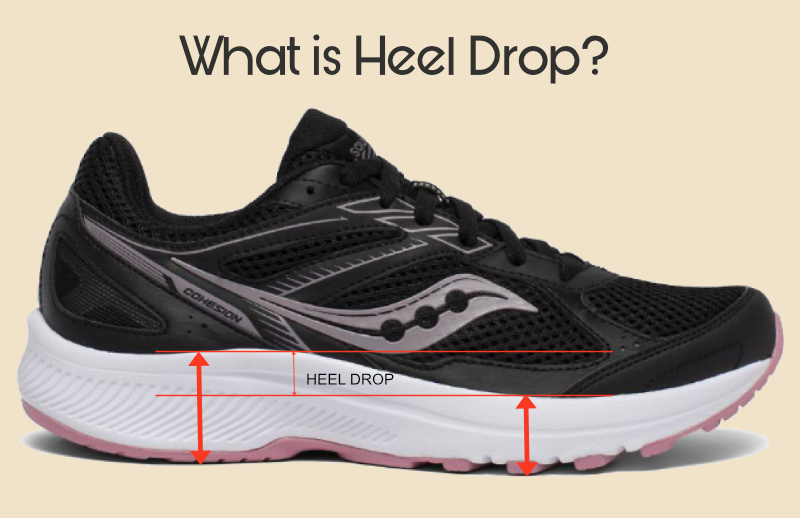
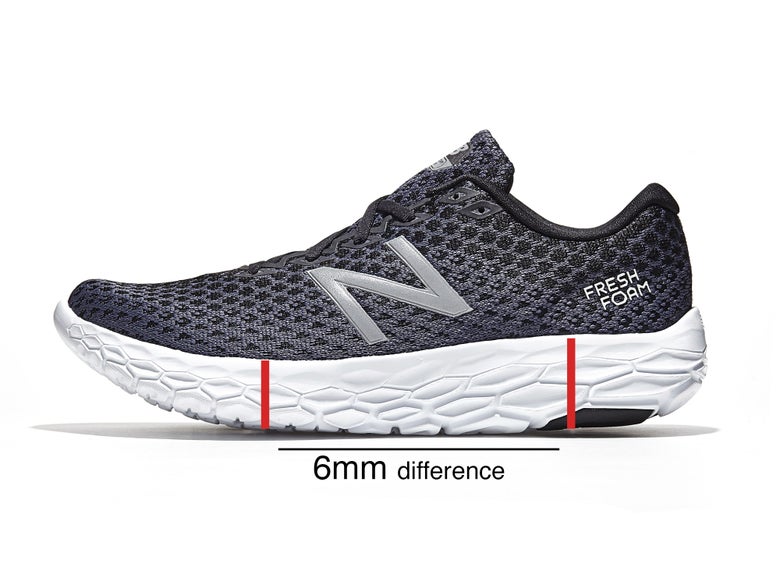
Heel drop is the height difference between a shoe’s heel and forefoot, measured in millimeters.
If you have ever switched running shoes and felt your calves, heels, or Achilles tendons work in a new way, heel drop may be the reason. Understanding what is heel drop in shoes can help you choose footwear that feels natural, supports your movement, and reduces unwanted strain during walking, running, hiking, or training.
What Is Heel Drop in Shoes?
Heel drop is the difference in height between the heel and the front of a shoe. It is also called:
• Heel-to-toe drop
• Offset
• Shoe drop
• Differential
A shoe with a 10 mm heel drop has a heel that sits 10 millimeters higher than the forefoot. A shoe with a 0 mm drop has a level platform, so the heel and toes sit at the same height.
Heel drop does not mean the total thickness of the sole. A shoe can have a thick sole and a low drop, or a thin sole and a high drop. The key factor is the height difference from the heel to the ball of the foot.
For example, imagine placing a ruler across the sole of a shoe. If the heel measures 30 mm and the forefoot measures 20 mm, the heel drop is 10 mm.
How Is Heel Drop Measured?
Manufacturers measure heel drop by comparing the thickness of the midsole under the heel with the thickness under the forefoot. The formula is simple:
Heel drop = heel stack height − forefoot stack height
Suppose a shoe has these measurements:
• Heel stack height: 32 mm
• Forefoot stack height: 24 mm
• Heel drop: 8 mm
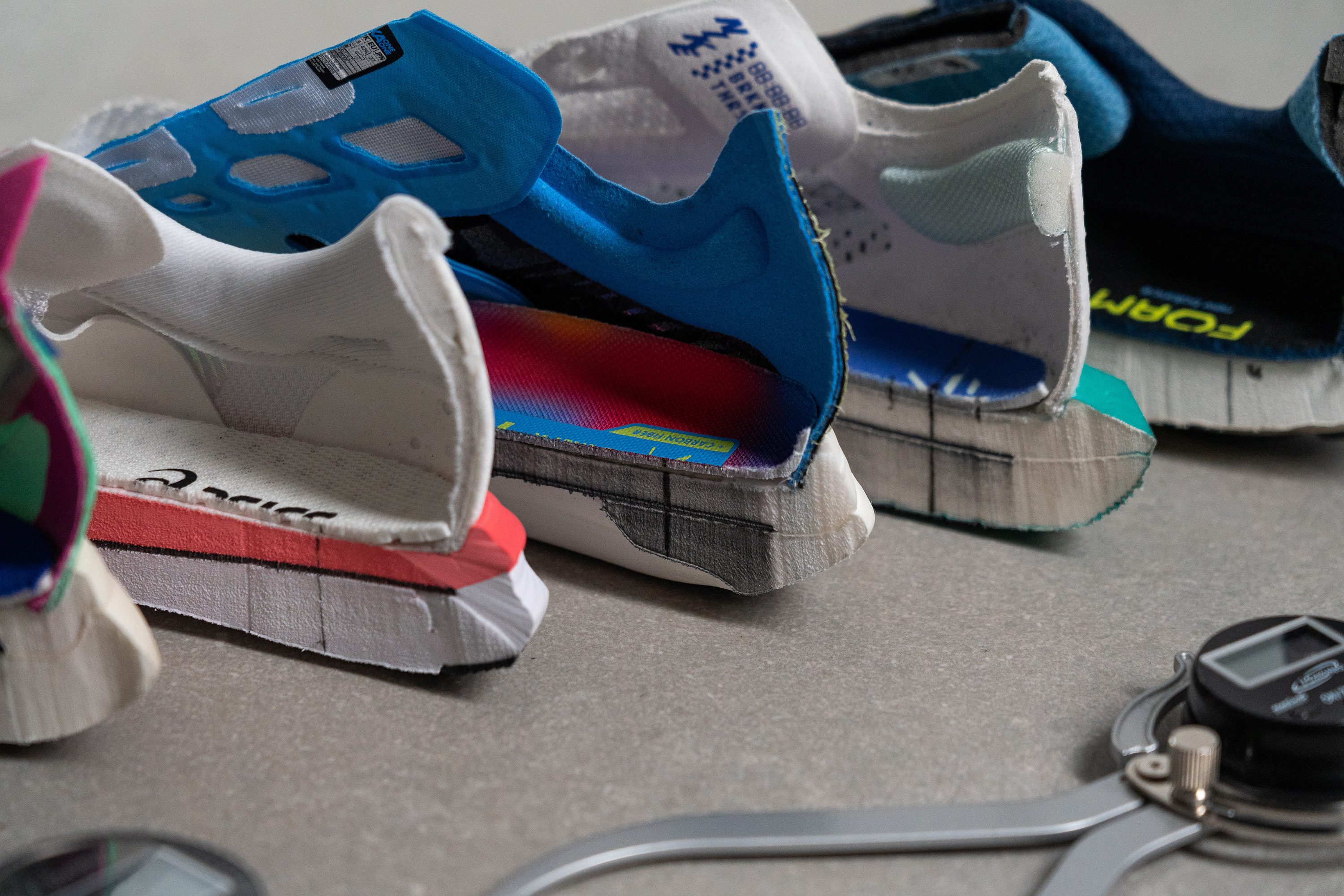
Stack height refers to the total material between your foot and the ground. It may include the outsole, midsole, insole, and other layers, depending on how the brand measures it.
This creates one important limitation: shoe brands may use different measuring methods. A listed 8 mm drop may not feel exactly like another brand’s 8 mm drop because cushioning, rocker shape, stiffness, and fit also affect how the shoe feels.
What is heel drop in shoes, then, in practical terms? It is one measurement that describes your foot’s position, but it is not a complete description of the shoe.

Common Heel Drop Ranges
Heel drop usually falls into four broad groups. These ranges are helpful, but they are not strict industry rules.
Zero-drop shoes
Zero-drop shoes have no height difference between the heel and forefoot. They place the foot in a more level position.
They may appeal to people who prefer a natural feel or want more room to control how their foot lands. However, zero drop does not automatically mean better form or fewer injuries.
Low-drop shoes
Low-drop shoes usually have a heel drop from 1 to 4 mm. They offer a small amount of heel lift while keeping the foot fairly level.
Many trail shoes, minimalist-style shoes, and natural-feel running shoes use this range. They can feel flexible and close to the ground, though they may place more demand on the calves and Achilles tendon for some people.
Medium-drop shoes
Medium-drop shoes often measure about 5 to 8 mm. This range provides a balance between a level feel and noticeable heel support.
Many everyday running shoes use a medium drop. It can work well for runners who want moderate cushioning without a steep heel position.
High-drop shoes
High-drop shoes generally measure 9 mm or more. They place the heel noticeably higher than the forefoot.
A high heel drop may feel comfortable to people who prefer more heel cushioning or who are used to traditional running shoes. It can also reduce the stretch placed on the calf and Achilles area compared with a lower-drop shoe, although comfort depends on the entire design.
What Does Heel Drop Do to Your Body?
Heel drop changes the angle of your foot inside the shoe. Even a small change can affect how your ankle, calf, knee, and hip share work.
A higher heel drop can place the ankle in a slightly more plantar-flexed position. In simple terms, your heel sits higher, like standing on a gentle ramp. This may reduce ankle bend and calf stretch during certain parts of your stride.
A lower heel drop allows your foot to sit closer to level. This may require more ankle movement and more work from the calf and Achilles tendon. It can also change how your foot contacts the ground.
Research on running mechanics shows that footwear can influence joint movement and loading. Still, no single heel drop works best for every person. Your speed, stride, strength, flexibility, foot shape, and injury history all matter.
Here is a simple comparison:
| Heel drop | Common feel | Possible benefit | Possible concern |
|---|---|---|---|
| 0 to 4 mm | Level and flexible | Encourages a natural feel | May stress calves during a sudden switch |
| 5 to 8 mm | Balanced | Versatile for many runners | May feel unfamiliar after zero-drop shoes |
| 9 mm or more | Heel-focused | Can feel supportive and smooth | May not suit every foot or stride |
These are general patterns, not medical rules. A shoe’s cushioning, firmness, width, and shape can change the result.
Heel Drop and Running Form
Many people believe heel drop determines whether a runner lands on the heel, midfoot, or forefoot. That idea is too simple.
A higher-drop shoe does not force you to heel strike. A zero-drop shoe does not guarantee a forefoot landing. Running form depends on speed, cadence, posture, fatigue, terrain, and personal anatomy.
Heel drop may influence how your foot feels when it contacts the ground. A higher drop can make a heel-first landing feel more natural for some runners. A lower drop may make a midfoot or forefoot landing feel easier for others.
You should not change your running style only because a shoe has a certain number. Sudden form changes can overload muscles and tendons. If you want to change your foot strike, make the change slowly and consider advice from a qualified physical therapist or running professional.

Benefits of Different Heel Drops
Each heel drop has possible benefits. The right choice depends on what you need from the shoe.
Possible benefits of a higher heel drop
A higher heel drop may:
• Feel comfortable for heel strikers
• Reduce the amount of ankle bend needed
• Feel familiar to runners used to traditional shoes
• Offer a smooth transition through the stride
• Work well for some people with limited ankle mobility
A higher drop may also feel helpful during long walks or runs when your calves become tired. However, it is not a treatment for an injury.
Possible benefits of a lower heel drop
A lower heel drop may:
• Create a more level foot position
• Encourage greater ankle movement
• Feel stable and connected to the ground
• Suit people who prefer flexible footwear
• Support a gradual move toward a natural-feel shoe
Lower-drop shoes are not automatically more stable. Stability also comes from the sole width, foam design, upper fit, and the shoe’s overall shape.
Possible benefits of zero-drop shoes
Zero-drop shoes may help some people feel more balanced from heel to toe. They can also provide a consistent platform for walking, strength training, or casual use.
The main concern is adaptation. If you move from a 10 mm shoe to a zero-drop shoe overnight, your calves and Achilles tendons may receive a new load. A slow transition is safer and more comfortable.
How Heel Drop Affects Different Activities
The best heel drop may change based on the activity.
Running
Runners often choose heel drop based on comfort, past shoe use, and how the shoe supports their stride. A medium or high drop may feel smooth for road running, while a low drop may feel natural on trails or during shorter runs.
There is no universal “best heel drop for running.” A comfortable shoe that fits well is usually more useful than chasing a specific number.
Walking
Walking shoes with a moderate or high drop may feel familiar and cushioned. They can work well for people who spend many hours on hard floors.
Some walkers prefer a low or zero drop because it feels stable and level. The best option is the one that lets you walk without pain, rubbing, or excessive fatigue.
Hiking
Hiking shoes often use a moderate heel drop. This can help create a comfortable position on long climbs and descents.
Terrain also matters. A shoe with strong grip, a secure heel, and a firm midsole may be more important than a difference of a few millimeters.
Weight training
Many people prefer low-drop or zero-drop shoes for lifting because a level platform can feel stable. Some training shoes also have a raised heel to help with squats and ankle mobility.
A raised heel in a lifting shoe is not the same as a running shoe’s heel drop. Lifting shoes are often firm and structured, while running shoes are designed to cushion repeated impact.

How to Choose the Right Heel Drop
Choosing a heel drop starts with your current comfort, not a trend.
Use these steps:
-
Check the drop of your current shoes. Look at the product details or ask the manufacturer.
-
Think about how your shoes feel. Pay attention to calf tightness, heel pressure, arch comfort, and toe movement.
-
Consider your activity. A running shoe, work shoe, hiking shoe, and lifting shoe may need different features.
-
Review your injury history. Previous Achilles, calf, knee, or foot problems may affect which shoe feels best.
-
Change gradually. If you move to a much lower or higher drop, begin with short walks or easy sessions.
-
Compare the whole shoe. Look at cushioning, firmness, width, heel counter, flexibility, and rocker shape.
-
Stop if pain develops. Muscle fatigue can be normal during adaptation, but sharp or lasting pain is a warning sign.
One practical mistake is changing both heel drop and shoe firmness at the same time. For example, moving from a soft 12 mm shoe to a firm 0 mm shoe creates several new demands at once. A smaller change is easier to assess.

How to Transition to a New Heel Drop
Your body may need time to adjust when the new heel drop differs greatly from your old shoes. Tendons and muscles respond to repeated load, so adaptation should be gradual.
Try this approach:
• Wear the new shoes for short walks first.
• Use them for easy sessions before demanding workouts.
• Alternate with your familiar shoes.
• Increase time slowly over several weeks.
• Add gentle calf and foot-strength exercises if they feel appropriate.
• Watch for pain that lasts into the next day.
A useful rule is to change one variable at a time. If you want a lower heel drop, keep the distance, pace, and training surface steady. This makes it easier to know whether the shoe is helping or creating a problem.
In real-world shoe testing, comfort often changes after the first few miles. A shoe may feel exciting in a store but tiring after an hour. Always judge the shoe during the activity you actually plan to do.

Heel Drop, Stack Height, and Cushioning
Heel drop and stack height are different measurements.
Heel drop describes the slope from heel to toe. Stack height describes how much material sits between your foot and the ground. Cushioning describes how the shoe absorbs and manages force.
Consider these examples:
• Shoe A may have a 10 mm drop and a 25 mm heel stack.
• Shoe B may have a 10 mm drop and a 40 mm heel stack.
• Shoe C may have a 4 mm drop and a 35 mm heel stack.
All three shoes may feel very different even when two share the same drop.
A thick, soft shoe may feel less stable than a thin, firm shoe. A stiff rocker may move you forward without having a high heel drop. This is why product reviews should describe the full shoe, not only one number.
Heel Drop and Common Foot Problems
Heel drop may affect symptoms, but it does not diagnose or cure a foot condition.
People with Achilles tendon pain may find that a temporary higher drop feels more comfortable because it can reduce calf and tendon stretch. However, the cause of pain varies, and medical guidance is important.
People with limited ankle mobility may also prefer some heel lift. Others may find that a high drop increases pressure in the front of the foot or changes knee comfort.
If you have ongoing pain, swelling, numbness, weakness, or a sudden change in walking ability, speak with a health professional. Shoe changes can support comfort, but they should not replace proper evaluation.
Common Mistakes to Avoid
Understanding what is heel drop in shoes is useful, but several mistakes can lead to poor choices.
• Assuming zero drop is always healthier
• Choosing a shoe only by its heel drop
• Changing drops too quickly
• Ignoring shoe width and toe space
• Buying a shoe that feels painful because it is popular
• Confusing stack height with heel drop
• Assuming a higher drop prevents injury
• Ignoring wear patterns on old shoes
A shoe should feel secure without squeezing your toes. Your heel should stay in place, and your foot should not slide forward on descents. Fit comes first.
Also remember that two people can wear the same shoe and have very different experiences. Personal comfort, movement habits, and training load are powerful factors.
Frequently Asked Questions About What Is Heel Drop in Shoes
Is a higher heel drop better for running?
A higher heel drop is not automatically better. It may feel comfortable for some heel strikers or people who prefer less calf stretch, while others may prefer a lower drop.
Is zero-drop footwear good for your feet?
Zero-drop footwear can feel comfortable for some people, but it is not ideal for everyone. A sudden switch may increase stress on the calves and Achilles tendon, so transition slowly.
What heel drop is best for beginners?
Many beginners find a moderate heel drop, such as 5 to 8 mm, easy to adapt to. Comfort, fit, and suitable cushioning matter more than choosing one exact number.
Can heel drop cause Achilles pain?
A major change to a lower heel drop can increase demand on the calf and Achilles tendon, especially when made quickly. Pain may have many causes, so persistent symptoms should be assessed by a qualified professional.
Does heel drop affect knee pain?
Heel drop can change lower-leg and knee movement, but its effect differs from person to person. A shoe that feels comfortable and supports your natural movement may be more useful than a specific drop number.
How do I know the heel drop of my shoes?
Check the product page, shoe box, or manufacturer’s technical information. If the number is not listed, a specialty running store may be able to measure the shoe.
Is heel drop the same as shoe height?
No. Heel drop is the difference between the heel and forefoot heights. Shoe height, often called stack height, is the total thickness between your foot and the ground.
[CodeImg not required]
Conclusion
Heel drop is the height difference between a shoe’s heel and forefoot. A high drop creates more heel lift, while a low or zero drop creates a more level platform.
The right heel drop depends on your comfort, activity, movement, shoe history, and physical needs. Treat the number as a useful clue, not a final answer. Compare the full shoe, change gradually, and pay attention to how your body responds.
Now check the heel drop of your current shoes and compare it with your next pair. If this guide helped, explore more footwear advice or share your experience with different heel drops in the comments.

Michael Smith is the Content Strategist behind The Style Hub, where fashion meets function. With a keen eye for trends and a passion for everyday style, he curates content that helps readers make smarter, more stylish choices—from the perfect pair of sneakers to must-have accessories. Michael specializes in breaking down fashion into practical, wearable insights, making style accessible for everyone. When he’s not researching the latest trends, he’s exploring how comfort, innovation, and timeless design come together in modern fashion.