

What Color Shoes To Wear With Dark Gray Suit: Guide
The best shoe color for a dark gray suit is black when you need a formal, traditional look. Dark brown, burgundy, and oxblood shoes also work well when the event is less strict or you want more warmth and contrast.
In the United States, a dark gray or charcoal suit is common for business meetings, weddings, interviews, funerals, and evening events. The right shoe color depends on the dress code, time of day, suit fabric, and accessories.
Introduction
A dark gray suit is one of the most useful suits in an American wardrobe. It looks more formal than medium gray but less severe than a black suit. That makes it easy to dress up or down.
For the safest choice, wear black leather dress shoes with a dark gray suit. Choose dark brown or burgundy shoes when the setting allows more personality. Save light brown shoes and white sneakers for relaxed daytime outfits.
The goal is balance. Dark gray is a neutral color, so the shoes should support the suit rather than compete with it.

The Best Shoe Colors for a Dark Gray Suit
The best shoe colors are black, dark brown, burgundy, and selected shades of medium brown. Each color sends a different style signal.
| Shoe color | Formality | Best settings | Overall effect |
|---|---|---|---|
| Black | Highest | Interviews, business, funerals, formal weddings | Clean and traditional |
| Dark brown | High to medium | Office wear, weddings, dinners | Warm and polished |
| Burgundy or oxblood | Medium to high | Weddings, dinners, social events | Refined and distinctive |
| Medium brown | Medium | Daytime events, smart-casual offices | Brighter and more relaxed |
| Tan or cognac | Low to medium | Summer events, casual weddings | Casual and high contrast |
| White sneakers | Low | Casual outings and relaxed workplaces | Modern and informal |
1. Black shoes: the safest formal choice
Black shoes are the most reliable match for a dark gray suit. They create a sharp, low-contrast line from the trouser hem to the shoe and keep the outfit serious.
Choose black shoes for:
- Job interviews
- Corporate meetings
- Funerals and memorial services
- Formal evening events
- Conservative workplaces
- Weddings with a formal dress code
- Black-tie-adjacent events where a tuxedo is not required
Black Oxford shoes are the most formal option. Black Derby shoes offer a little more room and a slightly less strict appearance. Black loafers can work well, but they usually look more relaxed than lace-up shoes.
2. Dark brown shoes: the best versatile alternative
Dark brown shoes work very well with dark gray suits. The contrast is clear but not harsh. Brown also adds warmth, which can make a charcoal suit feel less severe.
Dark brown shoes are a strong choice for:
- Business-casual offices
- Daytime weddings
- Dinner dates
- Conferences
- Smart-casual events
- Fall and winter outfits
Use dark brown leather when you want a polished appearance. Medium-to-dark brown brogues can add texture, but avoid overly bulky styles if the suit has a slim, clean cut.
3. Burgundy and oxblood shoes: stylish but controlled
burgundy and oxblood shoes pair naturally with dark gray because both colors have a deep, rich quality. They add personality without the strong contrast created by tan shoes.
These shades are useful for:
- Weddings
- Evening dinners
- Cocktail events
- Creative workplaces
- Dressy social gatherings
Burgundy shoes look best when the rest of the outfit stays calm. A white or light blue shirt, a simple tie, and a dark belt keep the color from feeling excessive.
4. Medium brown shoes: appropriate for daytime
Medium brown shoes can work with a dark gray suit, especially during the day. They create more contrast than dark brown shoes and make the outfit feel lighter.
They are most suitable for:
- Spring and summer weddings
- Outdoor events
- Business-casual offices
- Daytime celebrations
- Suits made from lighter wool or textured cloth
Medium brown shoes are less formal than black shoes. They may not be the best choice for a conservative interview, a funeral, or an evening event with a formal dress code.
5. Tan and cognac shoes: use them with care
Tan and cognac shoes can look good with dark gray, but they create a bold contrast. They are best when the suit and event are clearly casual or seasonal.
They work better with:
- Unstructured suits
- Linen or cotton-blend suits
- Outdoor daytime weddings
- Summer social events
- Casual office settings
Avoid tan shoes when you need a restrained, formal look. The strong light-to-dark contrast can make the outfit look less cohesive.

How Formal Is the Event?
The dress code should decide the shoe color before personal taste does. A stylish shoe is still the wrong choice if it is too casual for the event.
Formal business settings
Choose black leather Oxfords or clean black Derbies. Keep the shoes polished and free of heavy decoration.
A dark gray suit with black shoes is especially useful for:
- Interviews
- Legal or financial offices
- Presentations
- Client meetings
- Formal ceremonies
A simple black belt should match the shoes. Black socks are the safest option, although dark charcoal socks can also work.
Business-casual settings
Dark brown, burgundy, and black shoes can all work. Loafers, brogues, and refined Derbies give you more flexibility.
For a less formal outfit, you can skip the tie and wear a light blue or white shirt. The suit should still fit well, because casual details do not fix poor tailoring.
Weddings
Start with the invitation. A formal evening wedding usually calls for black shoes. A daytime or semi-formal wedding gives you more room to wear dark brown, burgundy, or medium brown shoes.
Consider the season:
- Fall or winter: black, dark brown, and burgundy
- Spring: dark brown, burgundy, or medium brown
- Summer: medium brown, cognac, or polished loafers when permitted
Do not match the wedding party’s exact shoe color unless the couple asks you to do so. Your shoes should coordinate with your outfit, not imitate someone else’s.
Funerals and memorial services
Wear black shoes with a dark gray suit. The outfit should be quiet, clean, and respectful.
Avoid tan shoes, white sneakers, bright burgundy, colorful socks, and highly decorated footwear. In this setting, simplicity matters more than showing personal style.
Casual settings
White leather sneakers, minimalist black sneakers, suede loafers, and clean brown shoes can work with a dark gray suit in a casual setting.
The suit itself should support the relaxed look. A soft-shoulder suit, knit shirt, or open-collar button-down is more suitable than a highly structured business suit with formal padding.

Match the Shoe Style to the Suit
Color is only one part of the decision. The shape and material of the shoe should match the suit’s structure.
Oxfords
Oxfords are the most formal common dress shoe. Their closed-lace design gives them a neat, streamlined appearance.
Black Oxfords are ideal with a dark gray suit for formal business and evening events. Dark brown Oxfords are slightly more relaxed while remaining polished.
Derbies
Derbies have a more open-lace design. They usually look less formal than Oxfords and may feel more comfortable for wider feet.
Black or dark brown Derbies work well for office wear, weddings, and smart-casual outfits. Choose a slim sole for a refined look.
Loafers
Loafers make a dark gray suit feel more relaxed. Leather loafers work well for warm-weather events and business-casual settings.
Penny loafers offer a classic look. Tassel loafers add more visual detail. Suede loafers are casual and work best with a softer, less formal suit.
Monk straps
Monk-strap shoes can add interest without becoming flashy. Black monk straps look formal, while brown or burgundy versions feel more expressive.
Use them for dinners, weddings, and stylish office outfits. They may not be the best choice for a very conservative interview.
Sneakers
Sneakers should be clean, simple, and low profile. White leather sneakers are the easiest option, but black or gray minimalist sneakers can also work.
Avoid running shoes, worn canvas sneakers, large logos, and thick athletic soles. Those styles can make the suit look mismatched.

Coordinate Your Belt, Socks, and Accessories
Small details can make the shoe color look intentional. They also prevent the outfit from feeling pieced together.
Match the belt to the shoes
The belt does not need to be an exact shade match, but it should be in the same color family.
- Black shoes: black belt
- Dark brown shoes: dark brown belt
- Burgundy shoes: burgundy or dark brown belt
- Tan shoes: tan or cognac belt
A black belt with brown shoes creates a visible break that can make the outfit look unfinished.
Choose socks that connect the outfit
Dark gray, charcoal, black, navy, and burgundy socks usually work well. You can also wear socks that repeat a subtle color from your tie or pocket square.
For formal outfits, avoid bright novelty socks unless the setting clearly allows them. The trouser hem should cover most of the sock when you stand, but some sock may show when you sit.
Keep the watch and metal details consistent
Silver, steel, and white-gold watch cases work easily with dark gray suits. Brown leather watch straps pair naturally with brown shoes, while black straps suit black shoes.
This is not a strict rule. The main goal is to keep the outfit visually calm.
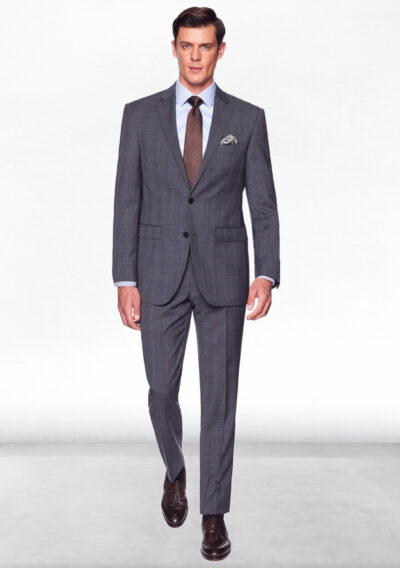
Build Complete Outfits Around a Dark Gray Suit
Use the following combinations when you need a quick decision.
Most formal outfit
- Dark gray suit
- White dress shirt
- Black Oxford shoes
- Black leather belt
- Dark charcoal or black socks
- Conservative tie in navy, burgundy, or dark gray
This is the safest formula for interviews, formal business, and serious ceremonies.
Versatile office outfit
- Dark gray suit
- White or light blue shirt
- Dark brown Derby shoes
- Dark brown belt
- Navy or burgundy tie
This combination feels professional but less severe than black shoes.