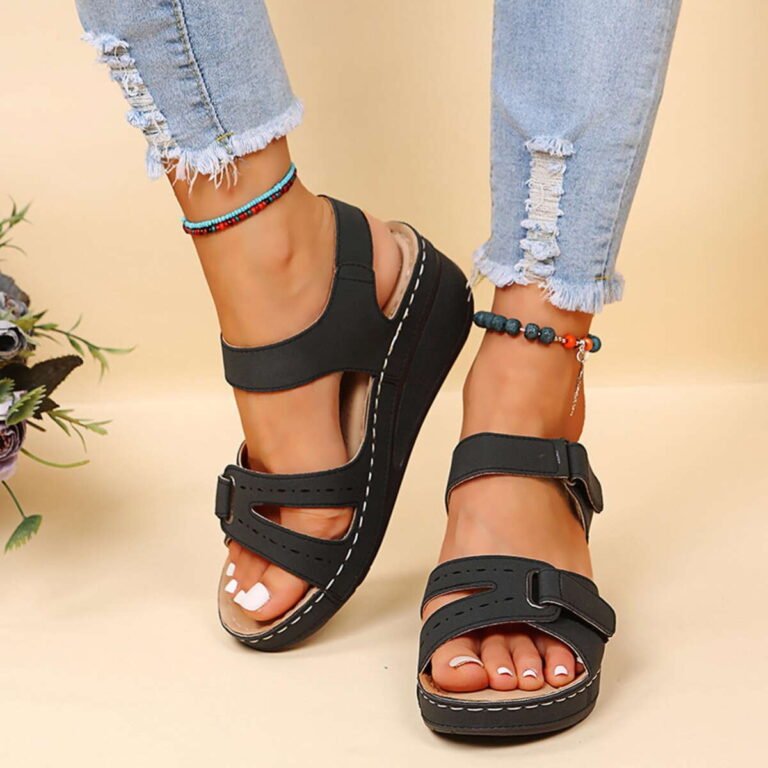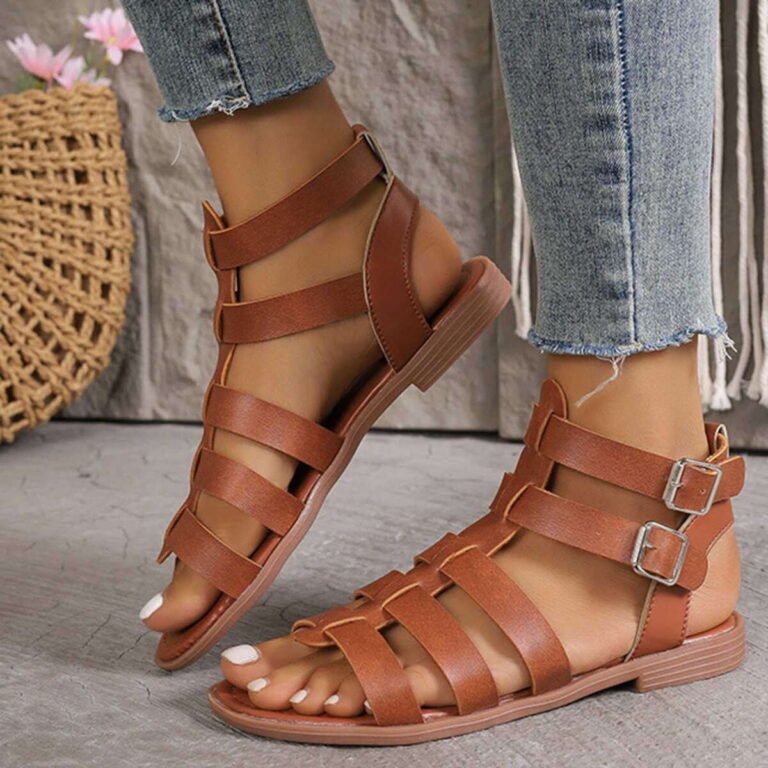
How To Wear Thong Sandals: Easy Style Tips
Thong sandals are easy to wear: slide your foot into the sandal, place the toe post between your big toe and second toe, and walk with a relaxed, short stride. The best pair should fit snugly without squeezing, stay on without gripping your toes, and suit the setting.
In the United States, thong sandals are common for beach trips, pool days, errands, warm-weather outfits, and casual events. They are not all built for the same job, though. A thin rubber pair may work well in a locker room, while a cushioned pair with a firm sole may be better for a short walk.
This guide explains how to wear thong sandals with different outfits, how to choose the right fit, and when another shoe is a better choice.
What Are Thong Sandals?
Thong sandals are open shoes held to the foot by a strap that passes between the first and second toes. The strap connects to two side points near the front of the sole. In the US, people often use “thong sandals,” “flip-flops,” and “toe-post sandals” for similar styles.
The terms can have slightly different meanings:
- Flip-flops: Usually flat sandals with a flexible sole and a simple Y-shaped strap.
- Thong sandals: A wider term that includes many toe-post designs.
- Toe-post sandals: A more precise term for sandals with a post between the toes.
- Slide sandals: Open sandals with a strap across the top of the foot and no toe post.
Thong sandals may have flat rubber soles, molded footbeds, leather straps, foam cushioning, or thicker platform soles. These features change how they feel and where they work best.
A thong sandal should hold your foot in place without forcing your toes to curl. If you must grip the sole with your toes to keep the sandal on, the sandal is either a poor fit or not suitable for the activity.
How Should Thong Sandals Fit?
A good fit leaves enough room for your toes and heel while keeping your foot centered on the footbed. Your heel and toes should not hang over the edges.
Use this quick fit check:
- Place your heel near the back edge. It should not hang off the sole.
- Check the toe area. Your toes should not extend past the front.
- Look at the sides. Your foot should not spill far over either edge.
- Test the strap. It should touch your foot without cutting into the skin.
- Walk slowly. The sandal should stay under your foot without slapping, twisting, or sliding.
- Relax your toes. You should not need to clench them to keep the sandal on.
The toe post may feel strange at first. A little contact is normal, but sharp rubbing, burning, or pinching is not. If the skin turns red during a short try-on, the sandal may need a softer post, a different size, or a different design.
Your larger foot may need to determine the size if one foot is slightly longer. Try sandals at the end of the day, when feet can be a little larger. Wear them on a clean indoor surface first if the store or seller allows returns.
Thong Sandal Fit problems and Fixes
| Problem | Likely cause | What to try |
|---|---|---|
| Heel hangs off the back | Sandal is too short | Try a longer size or a different shape |
| Toes hang over the front | Sole is too short or foot slides forward | Try a larger size or a better-gripping footbed |
| Foot spills over the sides | Sandal is too narrow | Choose a wider style |
| Toes curl while walking | Strap or sole does not hold the foot well | Try a contoured footbed or another sandal type |
| Toe post rubs | Post is stiff, rough, or poorly placed | Choose a soft post or a different design |
| Sandal twists | Sole is too flexible or narrow | Try a firmer, wider sole |
Fit matters more than the label. A size 8 in one brand may not fit like a size 8 in another.
How to Walk Comfortably in Thong Sandals
Walk with shorter steps than you might use in sneakers. Keep your foot relaxed and let the sandal move with you. Do not grip the sole with your toes.
Thong sandals are less secure than shoes with a heel strap or closed upper. That makes them a poor choice for running, hiking, sports, uneven ground, or long periods of walking. The American Podiatric Medical Association notes that many flip-flops offer little support and protection, so they are best used for limited activities rather than all-day wear.
Build up slowly if you are not used to them. Start with a short trip, then check your feet for hot spots, blisters, or pain. A sandal that feels fine for 10 minutes may become uncomfortable after several hours.
Use Extra Care in These Places
Avoid relying on thong sandals when you need strong foot protection or a secure fit:
- Crowded streets where your feet may be stepped on
- Rocky beaches and rough trails
- Wet floors where the sole has little grip
- Construction areas or places with sharp debris
- Long walks through airports, theme parks, or city streets
- Sports fields, gyms, and outdoor games
- Driving if the sandal can slip, catch, or interfere with the pedals
For water areas, choose sandals with a sole made for wet traction. Even then, walk slowly and watch for smooth tile, algae, and uneven surfaces.
People with diabetes, reduced foot feeling, poor circulation, repeated foot pain, or balance problems should ask a health professional which footwear is appropriate. Small cuts and pressure spots can become more serious when feeling is reduced.
How to Style Thong Sandals With Everyday Outfits
Thong sandals look best when the outfit feels relaxed and intentional. Match the sandal’s shape and material to the formality of the clothes.
With Shorts
Wear thong sandals with denim shorts, linen shorts, chino shorts, or casual drawstring shorts. A simple pair works well with a T-shirt, tank top, polo, or short-sleeve button-down.
For a cleaner look:
- Choose a sole that is not heavily worn.
- Keep the rest of the outfit simple.
- Match leather or faux-leather straps with a belt or watch strap when useful.
- Choose a darker sandal for a sharper outfit.
- Avoid pairing beach-worn flip-flops with tailored shorts.
Flat rubber sandals fit pool and beach settings. A firmer footbed and wider strap look more polished for errands or lunch.
With Jeans
Thong sandals can balance the heavier look of jeans. Try them with straight-leg, cropped, relaxed, or cuffed jeans. The hem should not drag on the ground or hide the sandal completely.
Good pairings include:
- Straight-leg jeans with a tucked T-shirt
- Cropped jeans with a loose button-down
- Light-wash jeans with a cotton tank
- Black jeans with dark leather toe-post sandals
- Relaxed jeans with a fitted top for contrast
If the jeans are long and wide, a sandal with a slightly thicker sole can keep the outfit from looking bottom-heavy. Avoid a very thin sandal if the jeans cover most of the foot.
With Dresses and Skirts
Thong sandals work well with casual sundresses, cotton shirt dresses, maxi dresses, midi skirts, and beach cover-ups. The key is to match the sandal’s visual weight to the clothing.
A thin sandal suits a light dress. A wide strap or platform style can work with denim, linen, or a longer dress. For a casual summer event, metallic, woven, or leather-look straps may look more finished than basic rubber.
Avoid wearing beach flip-flops with formal dresses, cocktail clothes, or outfits that require dress shoes. The issue is not only appearance. A very flat, loose sandal may make it harder to move safely in a long dress.
With Wide-Leg Pants
Wide-leg pants can cover a small sandal, so choose a pair with a visible sole or a slight lift. The pants should stop above the floor.
Check the hem while standing and walking. If the fabric catches under the sandal, shorten the pants or choose a different shoe. This small adjustment can improve both comfort and safety.
How to Wear Thong Sandals for Different Occasions
The right thong sandal depends on the setting, walking distance, weather, and dress code.
| Occasion | Best choice | Avoid |
|---|---|---|
| Beach | Water-friendly pair with a grippy sole | Delicate materials that absorb water |
| Pool or locker room | Easy-clean rubber or synthetic pair | Thick materials that stay wet |
| Casual errands | Cushioned sole with a secure footbed | Loose, worn-out flip-flops |
| Outdoor lunch | Leather-look or structured toe-post sandal | Dirty athletic-style pool sandals |
| Vacation sightseeing | Supportive walking sandal with a heel strap | Thin flat sandals for long walks |
| Casual backyard event | Clean, comfortable pair | Damaged soles or frayed straps |
| Formal event | Dress sandals or another formal shoe | Basic beach flip-flops |
When in doubt, look at the dress code and the amount of walking. “Casual” does not always mean “any sandal.” A casual restaurant may accept thong sandals, while a business-casual office may not.
A toe-post sandal with a firm footbed can look more refined than a basic flip-flop, but it remains an open casual shoe. It does not become formal simply because it has leather or metallic details.
How to Choose the Right Type of Thong Sandal
Choose based on the task, not just the color.
For the Beach
Look for materials that tolerate water and sand. A textured sole may help with traction, but no sandal is slip-proof on wet surfaces. Rinse away salt and sand after use, then let the sandals dry fully.
For Short Walks
Choose a sandal with:
- A sole that bends near the toes but does not fold easily in half
- A footbed that supports your natural arch
- Enough width for your whole foot
- A soft, smooth toe post
- A tread suited to the surface
“Arch support” does not mean the same thing for every foot. The footbed should feel stable, not painful or overly raised.
For Travel
Thong sandals are useful as a second pair for hotel rooms, pools, beaches, and short casual trips. They should not be your only footwear if your trip includes long walks, trails, cold weather, or uneven streets.
Pack a secure walking shoe or sandal with a heel strap for days that involve distance. This gives you a safer option when your feet become tired.
For Sensitive Feet
A soft strap alone does not solve every comfort problem. Look for a smooth toe post, a cushioned footbed, a wide base, and a design that does not force the toes to grip.
Stop wearing the pair if you develop an open blister, skin break, swelling, numbness, or lasting pain. Clean minor skin damage and give it time to heal. Seek medical advice for worsening pain, signs of infection, or foot problems linked to an existing condition.
Common Mistakes When Wearing Thong Sandals
The most common mistake is treating every thong sandal like an all-purpose shoe. Most are designed for light, casual use.
Avoid these errors:
Wearing the Wrong Size
A sandal that is too small leaves your heel or toes unsupported. One that is too large may slide and make you grip with your toes.
Choosing Style Over Stability
A very thin sole may look clean but offer little protection. A tall platform may add height but can feel less stable, especially on uneven ground.
Ignoring Worn Soles
Replace sandals when the tread is smooth, the sole is cracked, the toe post is loose, or the footbed has compressed unevenly. A worn sole can change how your foot lands.
Wearing Them for Long Walks
Flat, loose sandals may increase foot fatigue. They also expose your feet to cuts, burns, impact, and weather. Use a supportive walking shoe when the route is long or rough.
Clenching Your Toes
Toe gripping is a sign that the sandal is not staying on by itself. Try a more secure design instead of forcing your feet to adapt.
Wearing Them With Poorly Chosen Hems
Long pants and maxi skirts can catch under the sole. Check the outfit while walking before leaving home.
How to Care for Thong Sandals
Clean thong sandals after beach, pool, or outdoor use. Sand and salt can wear down straps and footbeds.
For most rubber or synthetic pairs:
- Rinse off loose dirt.
- Wash with mild soap and warm water.
- Use a soft brush for the tread.
- Rinse away soap.
- Air-dry away from strong heat.
Do not place sandals on a heater or leave them in a hot car for long periods. Heat can warp foam, weaken adhesive, or change the shape of the sole.