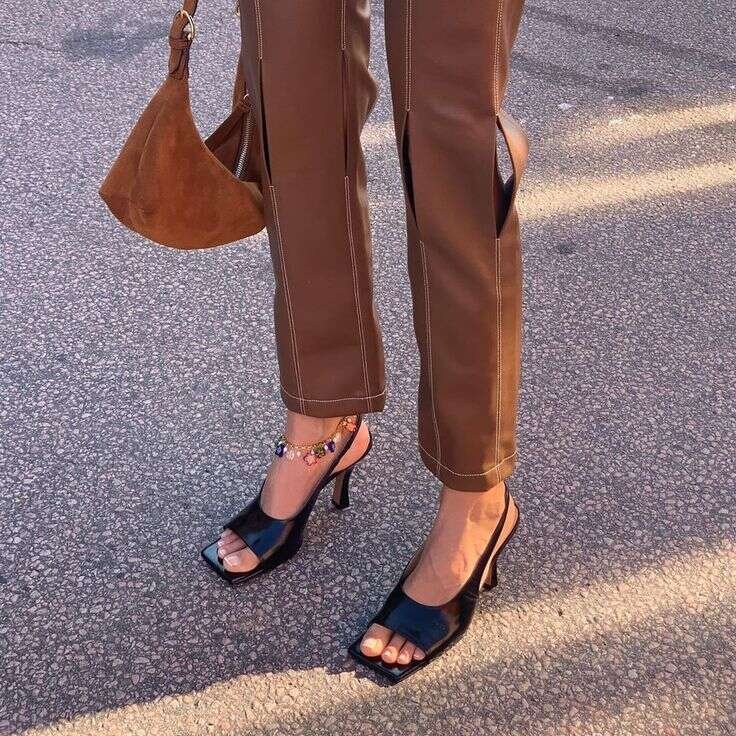

Are Block Heel Sandals In Style: 2026 Guide
Yes. Block heel sandals are still in style in the United States. Their wide heel gives them a clean, modern look while offering more support than a thin stiletto. They work with jeans, dresses, work clothes, and event outfits.
Their appeal is simple: they add height without looking too formal or being as hard to walk in as many narrow heels. The best pair depends on the heel height, straps, color, and setting—not just on current fashion trends.
This guide explains how to wear block heel sandals in the U.S., how to choose a comfortable pair, and when another shoe may work better.
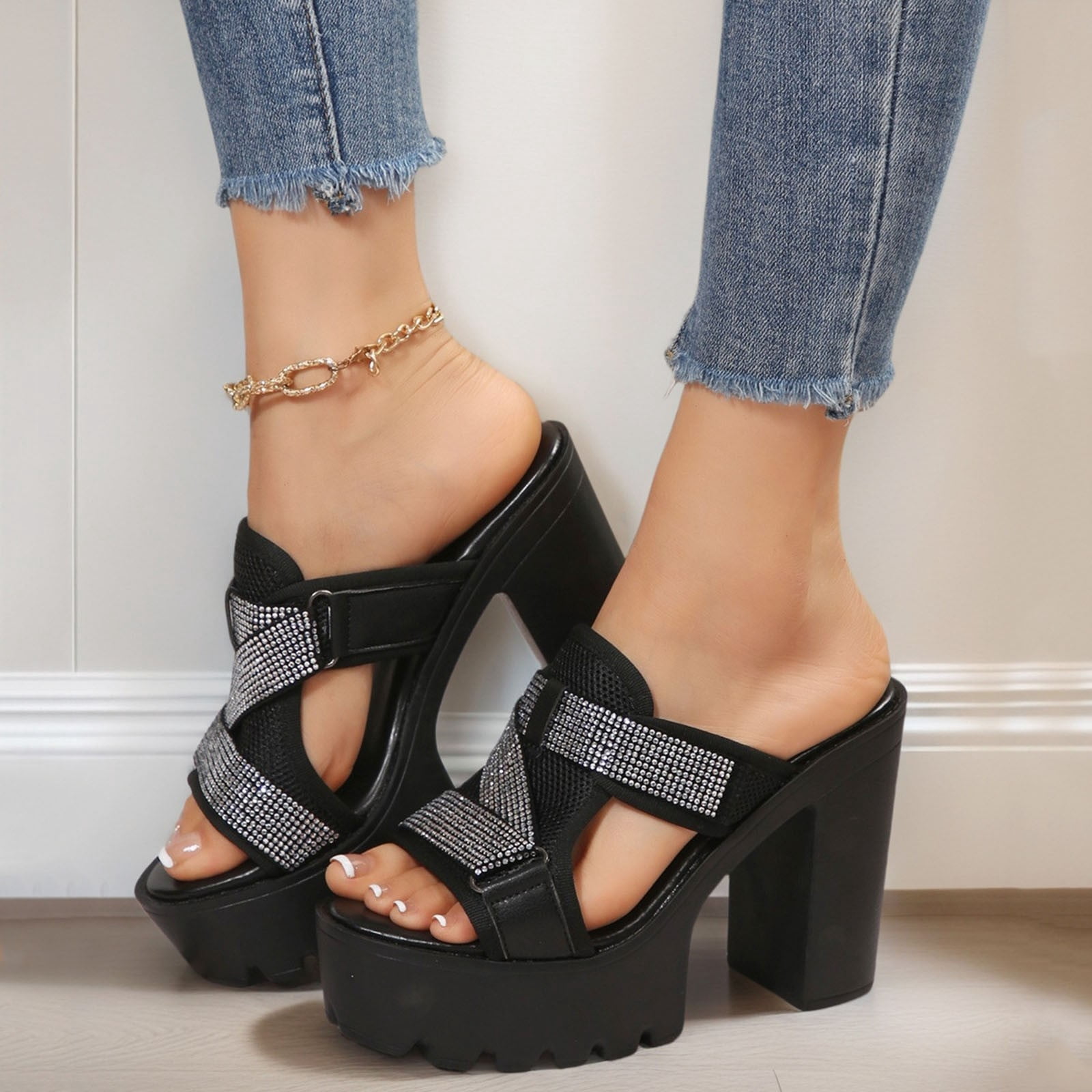
What Are Block Heel Sandals?
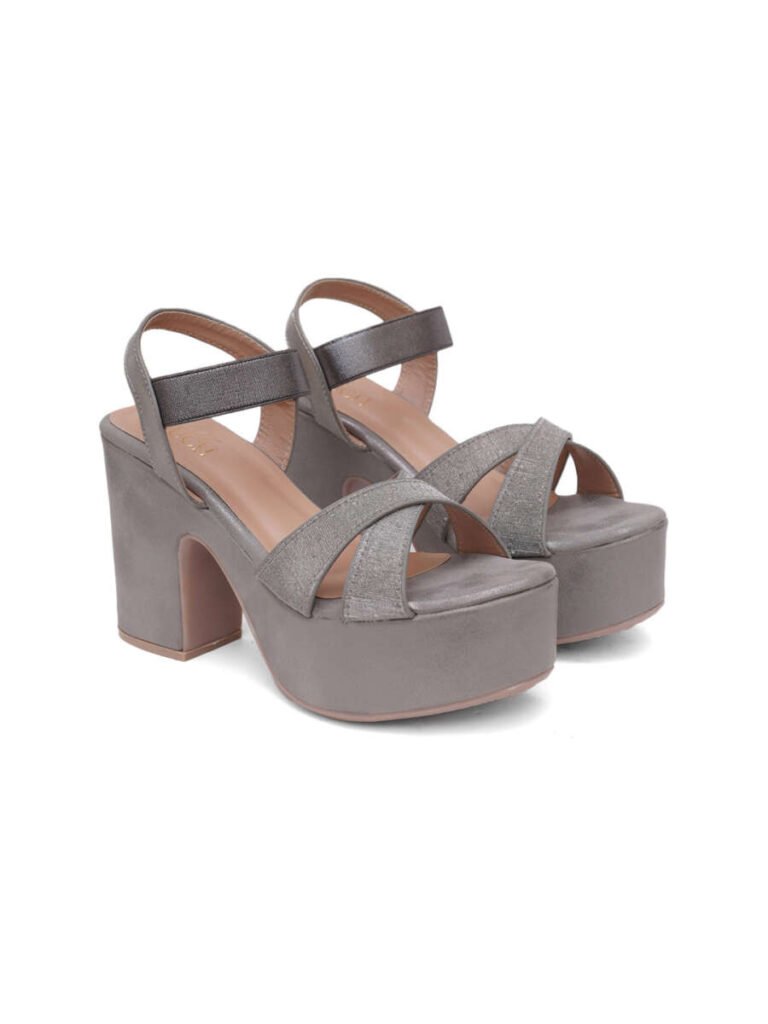
Block heel sandals have an open design and a broad heel with a fairly even width from top to bottom. The heel may be square, rectangular, flared, or slightly tapered. It can sit low, mid-height, or high.
The broad heel helps spread weight over a larger area than a stiletto heel. That design can make the shoe feel more stable, though it does not make every block heel sandal comfortable.
Common styles include:
- Low block heels: Usually about 1 to 2 inches high. These suit daily wear and long periods of standing.
- Mid-height block heels: Often about 2 to 3 inches high. These balance polish and ease.
- High block heels: Usually above 3 inches. These create a dressier look but may still place stress on the front of the foot.
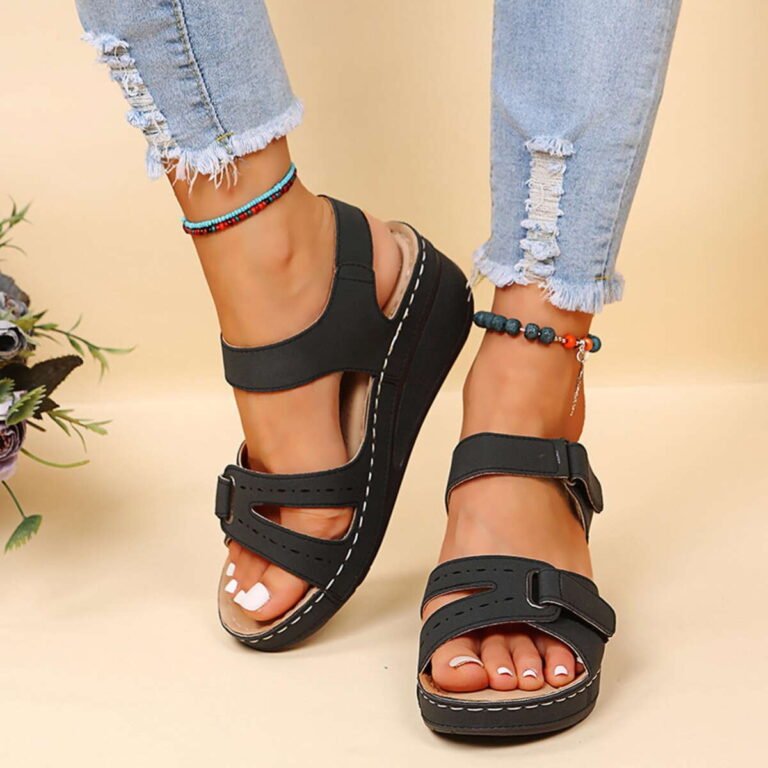
- Platform block heels: A raised sole under the front of the foot reduces the difference between the heel and toe.
- Strappy block heels: Thin or wide straps create a lighter or more supportive look.
- Slide block heels: These have no back strap. They are easy to put on but may offer less security.
- Ankle-strap sandals: The strap helps hold the foot in place and can add visual structure.
A block heel is not the same as a wedge. A block heel has a separate heel under the rear of the shoe. A wedge runs under much or all of the foot.
Why Block Heel Sandals Remain in Style
Block heel sandals stay relevant because they combine a classic shape with modern details. Fashion changes the trim, color, and height, but the basic shape remains useful.
They balance style and stability
A wide heel often feels steadier than a narrow heel. It gives the foot a larger base of support. This can make block heel sandals easier to wear at a wedding, dinner, office event, or outdoor gathering.
That does not mean they are risk-free. A poor fit, hard sole, or very high heel can still cause pain. Stability comes from the whole shoe, including the straps, sole, heel placement, and fit.
They work across dress codes
A simple leather or faux-leather pair can look neat with trousers or a midi skirt. A metallic, satin, or embellished pair can suit a wedding or evening event. A casual pair can work with denim shorts, wide-leg jeans, or a cotton dress.
This range gives block heel sandals a long life in a U.S. wardrobe. One pair may serve more than one season and more than one type of outfit.
They suit current and classic outfits
block heels do not depend on one narrow trend. They can look:
- Minimal with thin straps and a simple upper
- Retro with a square toe
- Modern with sculptural lines
- Casual with woven materials
- Dressy with metallic finishes or jeweled details
- Soft and feminine with rounded straps and pastel colors
The key is proportion. A large platform and thick straps create a bold look. A low heel and thin straps create a quieter look.
They photograph well without looking too severe
For events, many people want a dress shoe that adds height but does not overpower the outfit. A block heel can provide that balance. Neutral colors also create a longer visual line from the ankle down.
This is a styling benefit, not a rule. A contrasting shoe can be more interesting when the outfit needs color or texture.

How to Style Block Heel Sandals
The best styling choice depends on the outfit, location, and level of formality. Match the shape and finish of the sandals to the clothing rather than treating block heels as one fixed style.
With jeans
Block heel sandals make jeans look sharper without making the outfit too formal.
Try:
- Straight-leg jeans with a fitted top and low block heels
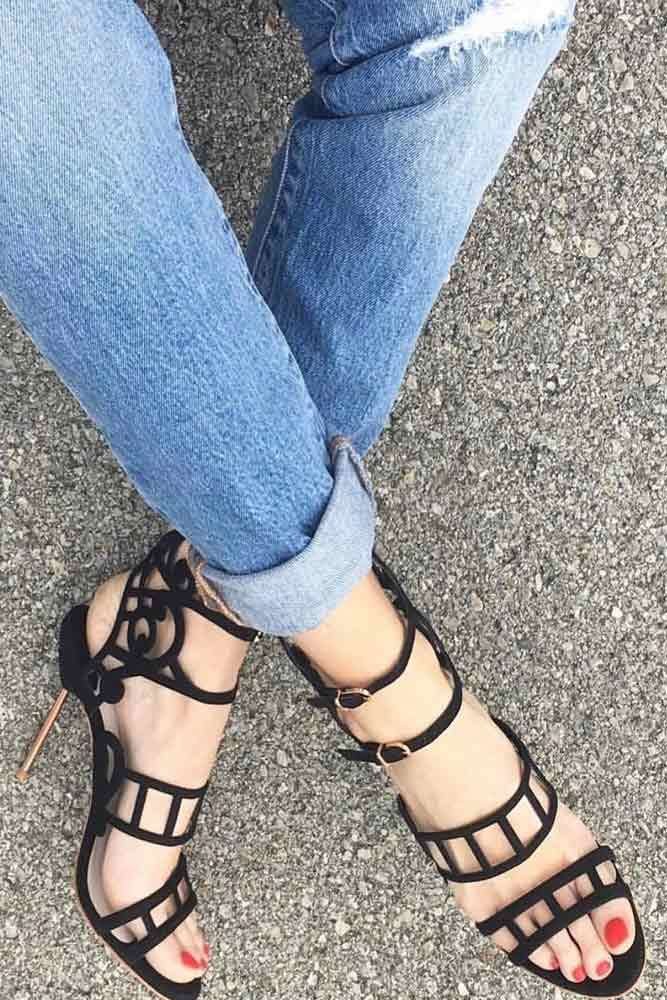
- Cropped jeans with ankle-strap sandals
- Wide-leg jeans with a taller heel
- Ecru or white denim with tan sandals
- Dark denim with black or metallic sandals
Make sure the jeans do not drag on the ground. A slightly cropped hem can show the ankle strap and keep the shoe from looking hidden.
With dresses
A block heel sandal works with mini, midi, and maxi dresses.
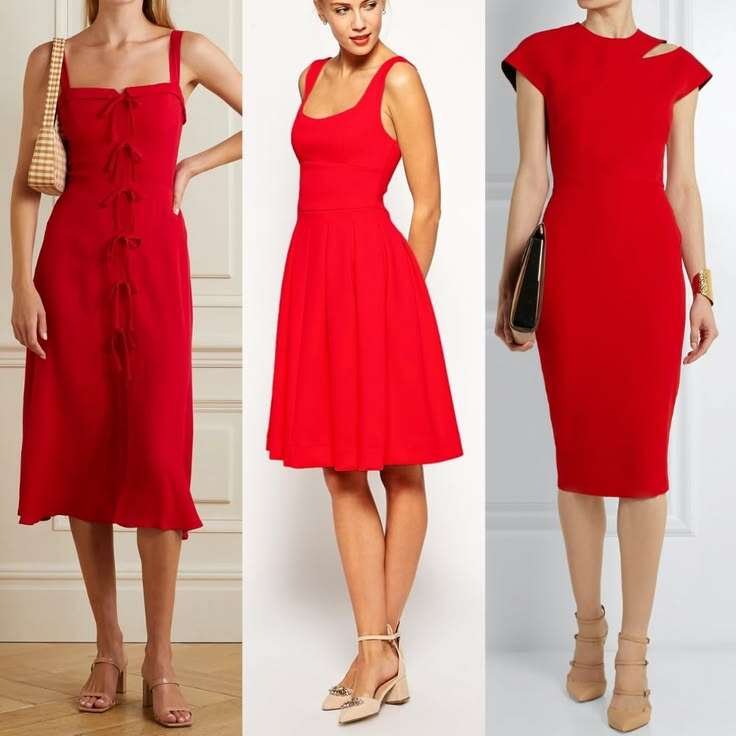
For a casual dress, choose a low heel with simple straps. For a wedding guest dress, consider a mid-height heel in metallic, nude, black, or a color that complements the dress.
A midi dress often looks balanced with an ankle strap. A long dress may need a higher heel, but only choose one you can walk in safely.
With trousers and suits
Block heel sandals can soften a tailored outfit. They work especially well with:
- Wide-leg trousers
- Cropped trousers
- Linen pants
- Ankle-length cigarette pants
- Relaxed summer suits
For a polished office outfit, select a closed or more secure design if your workplace requires conservative shoes. Open sandals may not fit every office dress code.
With skirts and shorts
A low block heel can make shorts look refined without making the outfit feel formal. With a skirt, use the shoe to balance the hem.
For example:
- A short skirt can work with a simple, low block heel.
- A midi skirt often suits a visible ankle strap.
- A full skirt can handle a stronger heel or platform.
- A sleek pencil skirt may look best with a simple, narrow-strap sandal.
With formalwear
For a formal event, focus on finish. Satin, metallic leather, polished leather, and subtle embellishment usually look more formal than canvas, cork, or heavily woven materials.
Choose sandals that support the event setting. A thin, delicate strap may suit an indoor evening event. A wider strap and stable heel may work better for an outdoor wedding or reception.
How to Choose Comfortable Block Heel Sandals
The most comfortable pair is the one that fits your foot and matches the way you plan to use it. A stable heel alone does not solve pressure from tight straps or a poor footbed.
Check the fit at the end of the day
Feet may swell during the day. Try on sandals later in the day when possible. Walk on a clean indoor surface and check for:
- Toes hanging over the front edge
- The heel slipping out
- Straps cutting into the skin
- Pressure at the ball of the foot
- The arch sitting outside the shoe
- Side-to-side movement
- Rubbing near the ankle
Your toes should not grip the sole to keep the shoe in place. Toe gripping can signal that the sandal is too loose or lacks enough support.
Pick the right heel height
Heel height changes both appearance and load on the foot.
| Heel type | Best use | Main trade-off |
|---|---|---|
| Low block heel | Daily wear, commuting, standing | Less dramatic height |
| Mid-height block heel | Work events, dinners, weddings | More pressure than a low heel |
| High block heel | Formal looks and added height | Greater balance and comfort demands |
| Platform block heel | Height with a smaller foot-to-heel angle | Can feel heavy or less flexible |
These ranges are general. Foot shape, shoe construction, and individual tolerance matter more than a number alone.
Look for useful support features
Helpful features may include:
- A secure ankle strap
- Adjustable buckles
- A cushioned footbed
- A flexible sole
- A broad heel that sits under the heel
- Smooth seams
- A toe area that does not squeeze the forefoot
Some sandals include a small platform under the front of the foot. This may reduce the angle between the heel and the forefoot, but it does not guarantee comfort.
The American Podiatric Medical Association advises consumers to pay attention to shoe fit and comfort rather than choosing footwear based only on appearance. Its guidance is general, so people with ongoing foot pain should seek advice from a qualified health professional.
Break them in before an event
Wear new sandals at home for short periods. Test them on the same type of surface you expect to use.
If they rub, do not wait until the event to solve the problem. A different size, strap adjustment, protective dressing, or another shoe may be needed. Do not rely on pain as part of the break-in process.

Are Block Heel Sandals Comfortable for Walking?
Block heel sandals can be more comfortable for walking than many stilettos, but the answer depends on the design and the person wearing them.
A lower, well-fitted block heel with a secure strap is usually easier to manage than a high, loose slide. A broad heel may improve balance, yet the shoe can still cause pain if the front is narrow or the sole is rigid.
For longer walks, choose:
- A low or moderate heel
- A secure ankle or back strap
- A cushioned footbed
- A flexible sole
- Enough room for the toes
- A heel that does not wobble
For sightseeing, commuting, or standing for many hours, a flat sandal, sneaker, or supportive walking shoe may be a better primary choice. You can carry block heel sandals and change into them later.
Are Block Heel Sandals Good for Weddings?
Yes, they can be a strong wedding shoe choice, especially when the event includes standing, dancing, or outdoor areas.
Choose based on the venue:
- Grass: A wider heel is less likely to sink than a narrow heel, though heel protectors may still help.
- Sand: Block heels can still be difficult to walk in. Flat sandals may work better.
- Uneven ground: Select a low heel with a secure strap.
- Indoor reception: You may have more flexibility with height and finish.
- Long ceremony and reception: Bring a second pair if you expect many hours on your feet.
Match the shoe to the dress code. A simple black or metallic sandal may work for many formal outfits, while bright color or embellishment can make the shoe part of the look.
What Colors of Block Heel Sandals Are Most Versatile?
Neutral shades are the easiest to repeat, but the best color depends on your wardrobe.
- Black: Works with dark clothing and formal outfits.
- Tan or camel: Blends well with denim, cream, white, and warm colors.
- Nude shades: Can create a long leg line when close to your skin tone. “Nude” is not one universal color, so choose a shade that suits your skin.
- White: Looks fresh with summer clothing but may show marks.
- Metallic: Adds interest to simple dresses and evening outfits.
- Bright colors: Can refresh a neutral outfit and act as an accent.
- Brown: Often feels softer than black with denim and earth tones.
If you want one practical pair, choose a color that works with at least three outfits you already own. This is more useful than choosing a shade because it is briefly popular.

Common Mistakes to Avoid
Several small mistakes can make stylish block heel sandals look awkward or feel painful.
Choosing height over fit
A high heel may look appealing in a product photo but become difficult after an hour. Fit and use should come first.
Wearing a loose slide for long walks
A backless sandal may force your toes to grip the sole. Use slides for short, easy movement unless they fit securely and feel stable.
Ignoring the event surface
A heel that works indoors may be frustrating on grass, gravel, or sand. Check the venue before choosing the shoe.
Pairing too many bold details
A chunky platform, thick straps, bright color, and metallic finish can compete with a detailed outfit. If the clothing is dramatic, a simpler sandal may create better balance.
Assuming “block heel” means pain-free
The shape may improve stability, but it cannot prevent all foot problems. Stop wearing the shoes if they cause sharp pain, numbness, blisters, or repeated rubbing. Persistent pain deserves medical attention.
Block Heel Sandals vs. Other Popular Shoe Styles
The right alternative depends on what you value most.
| Shoe style | Main advantage | Best for |
|---|---|---|
| Block heel sandal | Balance of height and stability | Events, dinners, office outfits |
| Stiletto sandal | Slim, formal appearance | Short formal occasions |
| Wedge sandal | Broad support under the foot | Casual summer outfits |
| Flat sandal | Easy movement and low height | Daily wear and travel |
| Platform sandal | Added height with a lower angle | Fashion-forward outfits |
| Dressy sneaker | Walking comfort and casual style | Travel and long days |
Block heel sandals sit between flats and narrow heels. They offer more lift than flats and often more stability than stilettos, but they may not match the walking comfort of supportive flat shoes.