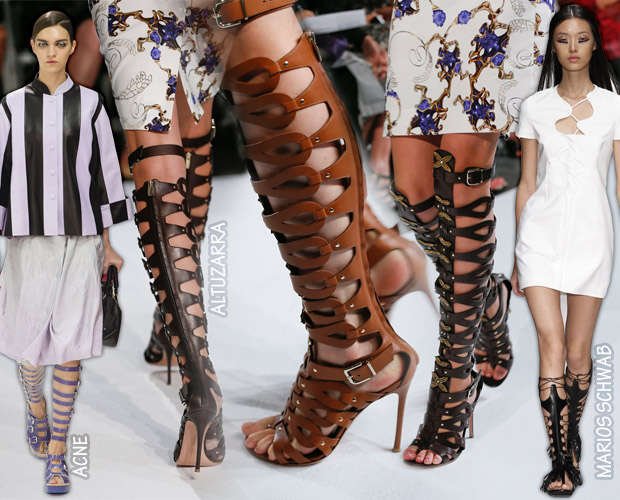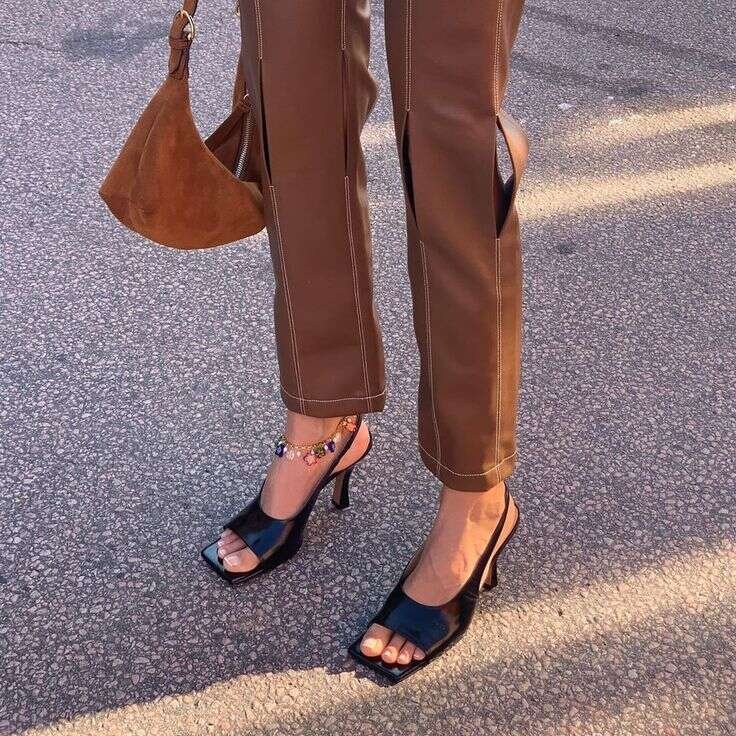
How To Wear Heeled Sandals: Easy Style Tips
Heeled sandals can polish an outfit for a U.S. wedding, office dinner, summer date, or night out. The key is not simply choosing a high heel. You need the right fit, stable support, a steady walking pattern, and an outfit that suits the heel’s height and shape.
A good pair of heeled sandals should feel secure before you leave home. Your toes should not hang over the edge, your heel should not slide out, and the straps should hold your foot without pinching it. Start with a lower, wider heel if you are new to heels or expect to walk on city sidewalks, grass, or uneven floors.

The Short Answer: How Should Heeled Sandals Fit and Feel?
Wear heeled sandals with a secure fit, a stable heel, and enough room for your toes to lie flat. Adjust every strap before walking. Take shorter steps, place your heel down first, and keep your weight centered over your feet.
Use this quick check before styling them:
- Your toes should stay on the footbed.
- Your heel should not slip out with each step.
- The straps should feel firm but not leave deep marks.
- Your toes should have room to spread.
- The sole should bend near the ball of your foot.
- You should be able to stand and walk without sharp pain.
- The heel should feel stable when you turn.
Heeled sandals often expose more of the foot than pumps. That makes fit more noticeable. A sandal that feels slightly loose in the store may feel unsafe after several hours, especially when your feet swell in warm weather.
Choose the Right Heel Height and Shape
The best heel depends on how long you will wear the sandals, where you will walk, and how much balance you need. A two-inch block heel may serve you better than a four-inch stiletto if you plan to stand at a reception or walk across a parking lot.
Block heels
Block heels have a wider base. They spread pressure more evenly and offer more balance than thin heels. They work well for:
- Work outfits
- Outdoor parties
- Long events
- Beginners
- Wide-leg pants and midi dresses
Wedges
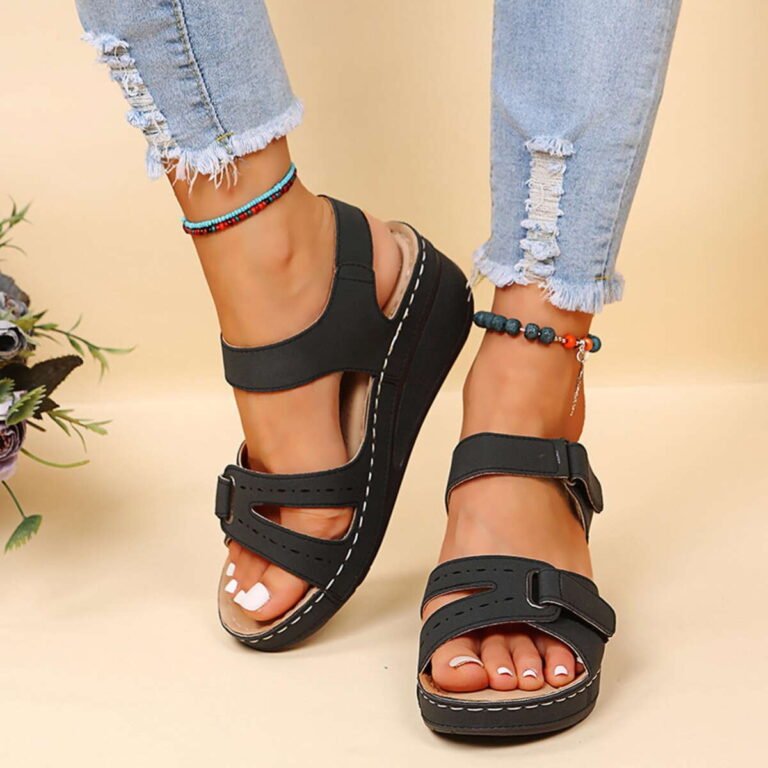
Wedges support more of the foot than a narrow heel. They can feel stable, but some wedges are stiff and may make it harder to move naturally. Check that the sole does not slip and that the platform is not too high for your walking ability.
Kitten heels
Kitten heels are low and narrow. They give a dressy look without the height of a traditional high heel. They pair well with tailored pants, jeans, skirts, and daytime dresses.
Stiletto heels
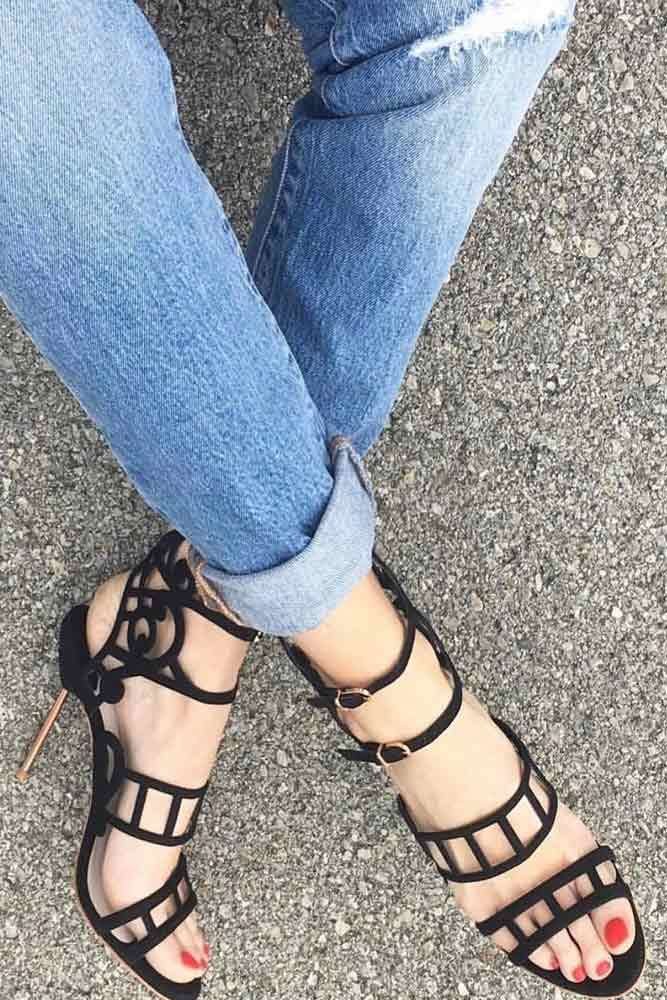
Stilettos create a slim, formal look but require more balance. They suit short periods of standing or walking on smooth indoor floors. They are less practical for grass, gravel, cobblestones, and long commutes.
Platform sandals
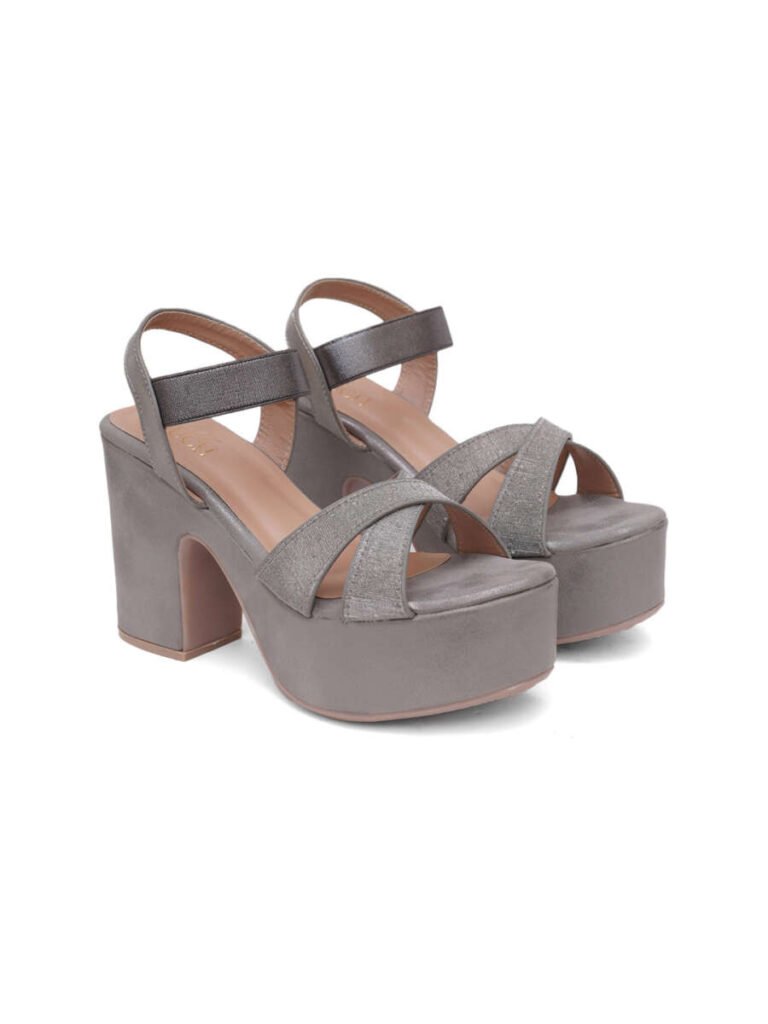
A platform can reduce the difference between the heel and the front of the foot. Still, a tall platform may make the sandal harder to control. Check the total height, sole flexibility, and ankle security instead of judging the front platform alone.
A simple heel decision table
| Your situation | A practical starting choice |
|---|---|
| New to heels | Low block heel or kitten heel |
| Long day at work | Low or medium block heel |
| Wedding or formal event | Stable block heel or moderate heel |
| Grass or outdoor ground | Wedge or broad block heel |
| Short indoor event | Stiletto or slim heel, if comfortable |
| More foot coverage needed | Ankle-strap sandal with a secure upper |
| Trouble with balance | Low heel with a wide base |
A lower heel is not automatically comfortable. A poor footbed, hard straps, or a narrow toe area can still cause pain. Heel height, shape, fit, and construction all matter.
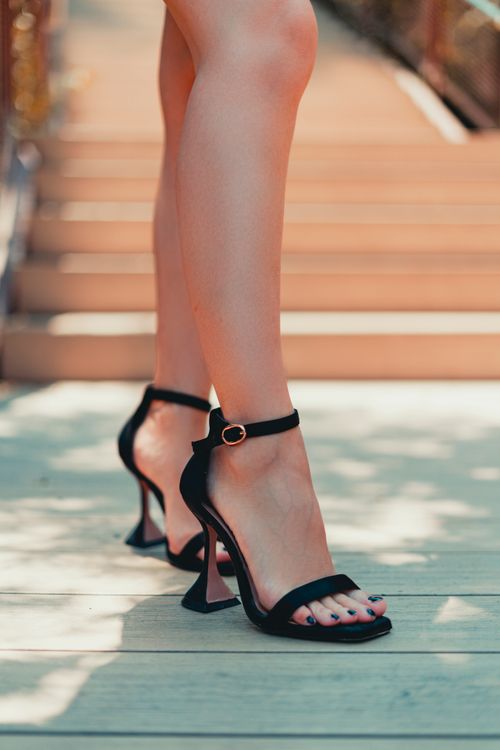
Get the Fit Right Before You Style Them
Try heeled sandals later in the day when your feet are more likely to be slightly larger. This gives you a better sense of how the sandals may feel after hours of walking. Try both shoes and stand up for several minutes.
Check the length
Your heel should sit fully on the heel cup, and your toes should remain on the front of the footbed. If your toes spill over the edge, the sandals are too short or the shape does not suit your foot.
Do not buy a larger size to solve a width problem. A longer sandal may cause your foot to slide forward. Look for a wider design or a different shape instead.
Check the width
The widest part of your foot should rest on the widest part of the sandal. If the side straps cut into your foot, feel numb, or create strong pressure, try a wider style.
Some sandals use adjustable straps. These can help with small fit changes, but they cannot fix a sandal that is too short or too narrow.
Check the straps
The ankle strap should hold your heel in place without restricting normal movement. You should be able to place a fingertip under the strap, but the sandal should not move freely around your ankle.
A toe strap should not press on the joints of your toes. Thin, stiff straps may look elegant but can create hot spots. Soft leather, fabric, or padded materials may feel better, though material alone does not guarantee comfort.
Check the sole
Walk on a clean indoor floor before wearing the sandals outside. Look for:
- A sole that grips rather than slides
- A heel that does not wobble
- A footbed that supports your foot without hard pressure points
- Enough flexibility at the ball of the foot
- No rubbing from seams or edges
Wear the socks, tights, or hosiery you plan to use with the outfit. Even a thin layer can change the fit.
Practice Walking in Heeled Sandals
Practice is one of the easiest ways to make heeled sandals look natural. Wear them at home for short periods before using them at an event. Walk on different safe surfaces, such as wood, carpet, and tile.
Follow this basic walking method:
- Stand tall. Keep your shoulders relaxed and your head level.
- Place the heel down first. Let the heel touch the ground before the ball of the foot, unless the shoe design requires a different motion.
- Take shorter steps. High heels reduce stride length. Short steps help you stay balanced.
- Keep your knees soft. Avoid locking your legs.
- Point your toes forward. Do not force your feet into a narrow line.
- Look ahead. Watch the path, but do not stare down at your feet.
- Turn slowly. Move your whole body rather than twisting sharply on one foot.
- Use handrails on stairs. Step carefully and place the full foot on each step when possible.
Your hips should not sway sharply from side to side. A small change in movement is normal, but exaggerated motion often signals that the heel is too high, the sandal is unstable, or the fit is poor.
Practice standing still as well as walking. At many U.S. events, you may spend more time standing in line, talking, or waiting than moving. Shift your weight gently and sit down when you can.

Match Heeled Sandals to the Outfit
Heeled sandals work best when the shoe’s shape matches the clothing’s level of formality. The goal is balance, not strict rules.
With jeans
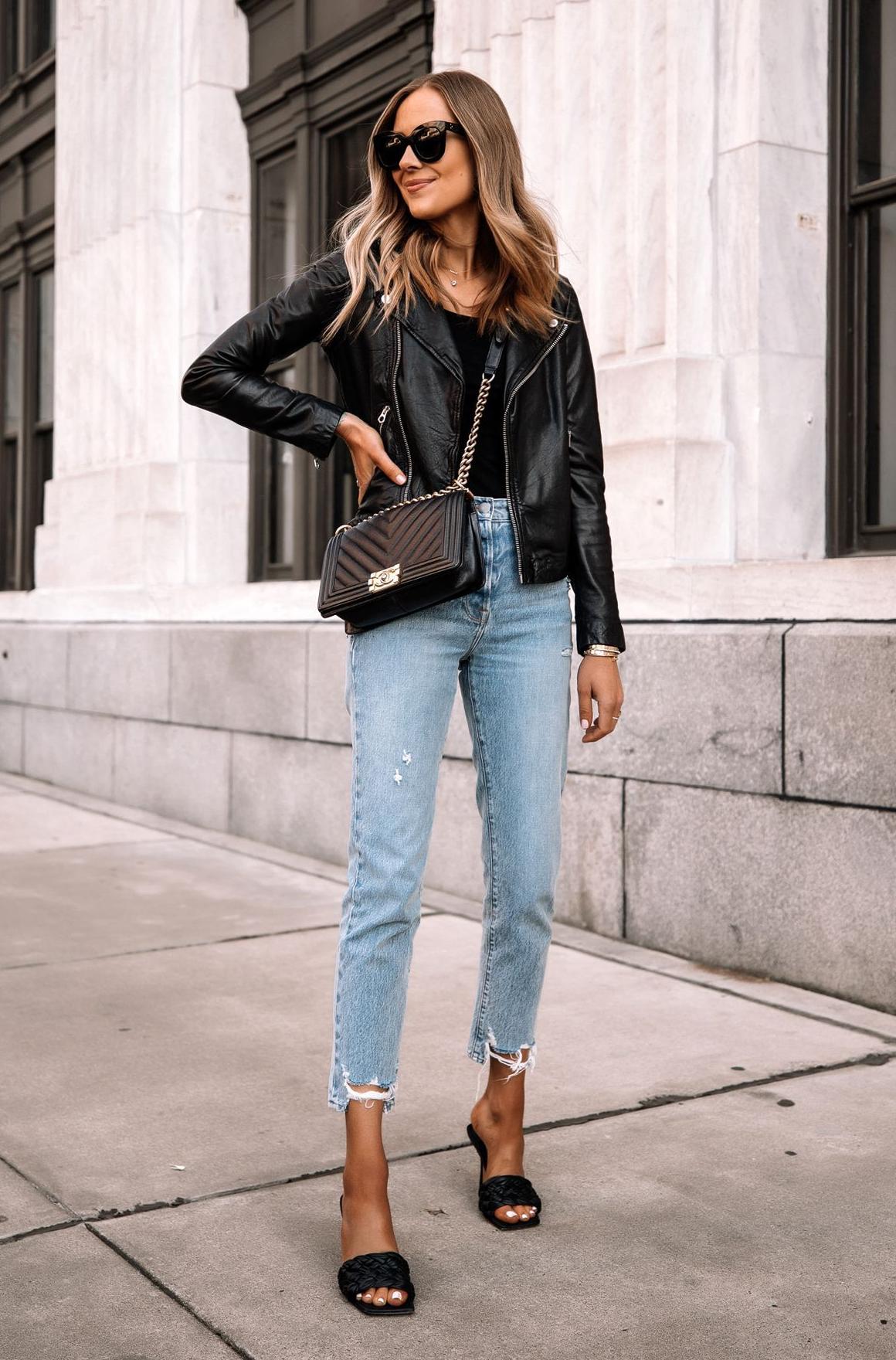
Pair straight-leg or wide-leg jeans with block-heel sandals for a relaxed but polished look. A cropped hem shows the ankle strap. With full-length jeans, make sure the hem does not catch under the heel.
For skinny jeans, a slim heel or delicate strappy sandal creates a lighter look. Add a simple top or blazer if you want a more refined outfit.
With dresses
A midi dress and block-heel sandal create an easy daytime combination. A thin-strap sandal can make a formal dress look more delicate, while a wider sandal gives a stronger, more modern feel.
Match the visual weight of the shoes to the dress. A heavy platform may overwhelm a light, flowing dress. A very thin heel may look out of place with a thick knit or structured fabric.
With trousers
Heeled sandals can add length to wide-leg, straight, or tailored trousers. The hem should sit close to the top of the foot without dragging on the ground.
For a clean office outfit, choose a closed-toe trouser silhouette with a simple ankle-strap sandal if your workplace allows open shoes. Check your employer’s dress code, especially in settings that require covered footwear.
With skirts and shorts
A block heel balances casual denim shorts and short skirts. A slim heel can look more formal, especially with a tailored skirt. If the outfit already has bold details, choose a simpler sandal to keep the look calm.
With formalwear
For a wedding, gala, or evening event, match the sandal’s finish to the outfit. Metallic, satin, leather, and smooth faux leather can all work, but comfort still comes first.
If the event is outdoors, ask about the ground. A narrow heel can sink into grass or catch between boards. A block heel or wedge is usually easier to manage.

Make Heeled Sandals More Comfortable
Comfort begins with fit, but small changes can help when the sandals are otherwise suitable.
Use a gradual break-in period
Wear the sandals indoors for 10 to 20 minutes at first. Increase the time only if your feet feel normal. Stop if you notice burning, numbness, sharp pain, or skin damage.
Do not wait until the event to discover that a strap rubs. Mark the problem area and adjust the strap, try a different size, or choose another style.
Protect areas that rub
A blister bandage or protective pad can reduce friction on a known hot spot. Apply it before the skin becomes damaged. Avoid placing thick padding where it changes your foot position or makes the sandal unstable.
Foot cushions may help some people, but they are not a fix for a poor fit. If a cushion pushes your foot forward, creates toe pressure, or causes sliding, remove it.
Carry a practical backup
For long events, pack foldable flats or comfortable walking shoes. This is useful for travel, commuting, outdoor paths, and the trip home. A backup pair can help you enjoy the event without forcing your feet to tolerate increasing pain.
Plan for heat and swelling
Warm weather can make feet feel larger. Allow room for natural changes, but do not loosen straps so much that your foot slides. If your feet swell often or you have a medical condition that affects circulation or sensation, ask a qualified health professional for personal guidance.
The American Podiatric Medical Association advises choosing shoes that fit well, provide support, and do not force the toes into a cramped position. General shoe advice cannot replace care for ongoing foot pain or an existing foot condition.

Avoid These Common Mistakes
Several styling and fit mistakes make heeled sandals harder to wear.
Choosing height over stability
A tall heel may look appealing in a photo but become difficult after hours of use. Choose the highest heel you can walk in with control, not the highest heel you can stand in for one minute.
Wearing a sandal that is too loose
A loose sandal makes the foot grip with the toes. This can create fatigue and make walking less steady. Adjust the straps or choose a better-fitting design.
Wearing a sandal that is too tight
Tight straps can cause rubbing and pressure. Do not expect leather or other materials to stretch enough to solve severe discomfort.
Ignoring the ground
A sandal that works indoors may not work on grass, gravel, wet pavement, or uneven sidewalks. Match the heel base to the surface.
Taking long steps
Long steps can push the foot forward and reduce control. Use shorter steps and slow down when turning or walking downhill.
Wearing new sandals for a full event
Break them in first. If you cannot walk comfortably around your home, they are unlikely to become comfortable after six hours at a party.
Treating pain as normal
Mild adjustment may occur when learning to walk in heels. Sharp pain, numbness, tingling, open blisters, or persistent discomfort are signs to stop and reassess the fit or heel choice.

When Should You Choose Flats Instead?
Choose flats or low-heeled shoes when you need to walk far, stand for many hours, use public transportation, or move across uneven ground. Flats may also be the better choice when your feet already hurt.
Heeled sandals are not the right tool for every setting. A shoe that looks elegant but causes pain can change your posture and make you less steady. Style should support the occasion, not make basic movement difficult.