Best Running Shoes For Sesamoiditis: Top Picks For Comfort
The best running shoes for sesamoiditis cushion the forefoot, reduce pressure, and allow natural toe movement.
If every run ends with a sharp ache beneath your big toe, you know how quickly a good workout can turn into a slow walk home. Sesamoiditis often makes push-off painful, especially in firm or narrow shoes. I looked for shoes and foot-care aids that soften impact, create room at the toes, and help spread pressure across the forefoot. The options below focus on comfort, fit, cushioning, and practical use. They cannot replace medical care, but the right pair may make daily walking and a gradual return to running much easier.
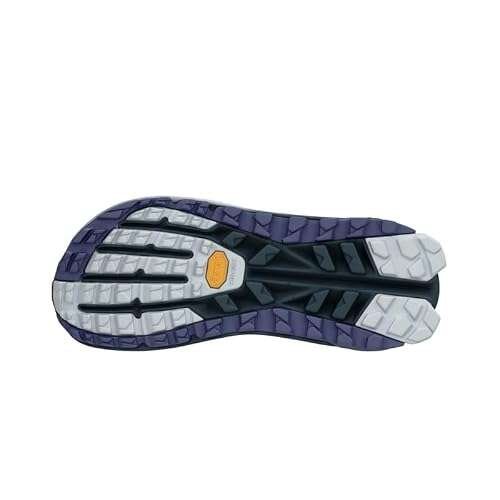
ALTRA Olympus 6 Trail Shoe, Gray/Blue

The ALTRA Olympus 6 is a highly cushioned trail shoe with a broad toe area. Its roomy front gives the big toe more space to sit and move without being squeezed inward. That matters when the sesamoid bones feel sore during toe-off. The thick midsole also helps soften the repeated shock that comes from roads, sidewalks, and hard trails.
I like this model for runners who want a protective shoe but still need a stable platform. The zero-drop design keeps the heel and forefoot at a similar height, which may feel natural to some runners but requires a slow transition for others. The outsole is made for trail grip, so it can also work well for walking on mixed ground. It is not a treatment for sesamoiditis, yet its cushioning and toe room make it a strong candidate among the best running shoes for sesamoiditis.
Pros:
- Wide toe area reduces crowding near the big toe
- High cushioning helps soften hard ground
- Trail outsole offers useful grip on uneven paths
- Stable base supports a careful walking stride
- Roomy shape allows thicker socks or a thin insert
- Protective build suits long walks and easy trail use
Cons:
- Zero-drop geometry may need a gradual break-in period
- Large sole can feel less nimble than a road shoe
- May feel warm for runners who prefer a light upper
My Recommendation
I recommend the Gray/Blue Olympus 6 for runners with forefoot pain who value cushioning and toe space more than a light race-day feel. It is especially useful for easy runs, trail walks, and daily activity on firm ground. I would begin with short sessions and watch for calf or Achilles tightness while adapting to the zero-drop platform. For many users, this model offers a balanced starting point when comparing the best running shoes for sesamoiditis.
ALTRA Olympus 6 Trail Shoe, Sand

The Sand version shares the main design features of the Olympus 6 line. It provides generous cushioning under the full foot and a foot-shaped front that does not press hard against the toes. That can be helpful when the area under the big toe feels tender. The extra space also leaves room to adjust the laces without forcing the forefoot into a tight shape.
This shoe makes sense for users who want one pair for light trail use, travel, and long days on their feet. Its soft ride may reduce the feeling of each step, although comfort still depends on the runner’s gait and foot shape. I would not use any cushioned shoe to push through sharp pain. Instead, I would pair it with rest, a gradual return plan, and advice from a podiatrist or sports clinician when symptoms persist.
Pros:
- Generous cushioning protects the forefoot from harsh impact
- Foot-shaped toe box gives toes more natural room
- Trail tread helps on gravel, dirt, and wet paths
- Comfortable option for long walks and daily errands
- Can fit a low-profile orthotic in many feet
- Sand color works well with casual outdoor clothing
Cons:
- Wide fit may feel loose on narrow feet
- Zero-drop construction is not ideal for every runner
- Plush cushioning may feel less responsive during fast runs
My Recommendation
I would choose this Sand Olympus 6 for a runner who wants a comfortable, versatile shoe for recovery walks and easy outdoor miles. It is a good fit for people who dislike cramped toe boxes and need more underfoot protection. Check the fit at the end of the day, when feet are slightly larger, and leave enough room in front of the longest toe. As one of the best running shoes for sesamoiditis, it stands out for comfort rather than speed.
ALTRA Olympus 6 Trail Shoe, Gray/Lime

The Gray/Lime Olympus 6 offers the same broad forefoot and cushioned midsole that make this series interesting for forefoot pain. The high-volume front can reduce rubbing around the big toe joint. The sole feels protective under the ball of the foot, which is useful when walking on hard floors or packed trails. Its bright color also adds visibility for outdoor walks in low light.
In my view, the most important feature here is not the color but the combination of space and cushioning. Sesamoiditis can flare when a shoe bends sharply under the toes or when the forefoot takes too much load. This shoe may feel less harsh because the sole has substantial material between the foot and ground. Still, runners should stop if pain increases, since a comfortable upper cannot hide a bone or tendon problem.
Pros:
- Roomy forefoot helps reduce pressure from narrow shoes
- Deep cushioning supports comfortable easy mileage
- Trail tread improves grip on uneven surfaces
- Bright details improve visibility during outdoor use
- Protective platform suits recovery walks
- Useful for runners who prefer a soft, stable feel
Cons:
- Bulky profile may not suit speed workouts
- Zero-drop feel can challenge runners used to raised heels
- Extra volume may require careful lace adjustment
My Recommendation
The Gray/Lime version is best for runners who want a highly cushioned platform and a noticeable trail outsole. I would consider it for easy runs, brisk walks, and outdoor use rather than racing. It may also suit people who need extra space for mild swelling or a thin footbed. When comparing the best running shoes for sesamoiditis, this model is a practical pick for protection, grip, and room up front.
ALTRA Olympus 6 Trail Shoe, Black

The Black/Black Olympus 6 is a low-key version of the same cushioned trail platform. Its dark upper works well for daily wear, commuting, and travel. The wide front gives the toes room to spread, while the thick sole helps create a buffer from firm ground. These features can matter when the forefoot feels sore after each push-off.
This model is a good example of a shoe that can move from a morning walk to a casual day out. It does not look as specialized as some orthopedic footwear, which may appeal to runners who want a normal outdoor shoe. The key caution is the zero-drop setup. If your current shoes have a high heel, alternate slowly instead of wearing this model for a full day at once.
Pros:
- Black design hides dirt during regular outdoor use
- Broad toe area gives the forefoot extra breathing room
- Thick midsole cushions each step
- Grippy outsole supports light trail walking
- Versatile look works for travel and daily errands
- Stable base can feel reassuring on uneven ground
Cons:
- Heavier than many minimalist or racing shoes
- May feel too roomy for narrow feet
- Requires a gradual transition for some heel-raised shoe users
My Recommendation
I recommend the Black Olympus 6 for people who want a discreet shoe for walking, travel, and gentle running. It is especially useful when you need cushioning but do not want a bright trail color. The roomy front may help reduce toe pressure, while the outsole adds confidence outdoors. For shoppers seeking the best running shoes for sesamoiditis and everyday wear, this version offers strong value if the zero-drop fit suits you.
ZenToes Metatarsal Gel Pads
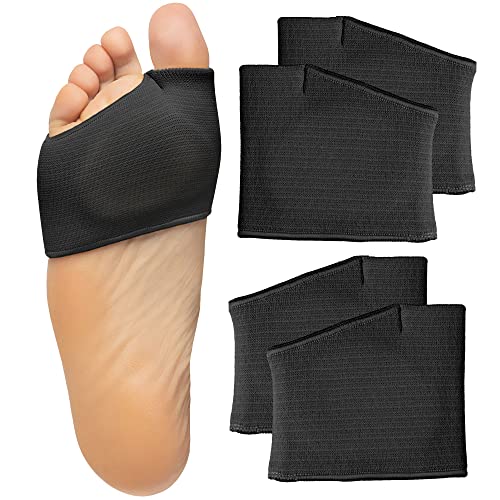
ZenToes Metatarsal Pads are soft gel sleeves designed to add cushioning under the ball of the foot. They are not running shoes, but they can complement a roomy pair when the forefoot needs extra comfort. The sleeve sits around the foot and places gel between the skin and the inside of the shoe. This may reduce rubbing and soften contact during walking.
I see these pads as a support tool, not a cure for sesamoiditis. Fit matters because a sleeve that bunches can create a new pressure point. I would test it during a short walk first and use it only with shoes that have enough space. If the pad pushes the big toe upward or increases pain, remove it and ask a foot specialist about a better off-loading plan.
Pros:
- Adds soft gel cushioning under the forefoot
- Can reduce friction from shoe interiors
- Easy to use with many roomy shoes
- Lightweight and simple to carry while traveling
- May improve comfort during standing and walking
- Useful as a low-cost trial before buying an insert
Cons:
- May make a snug shoe feel too tight
- Does not correct the cause of sesamoid pain
- Can shift or bunch if the size is not right
My Recommendation
ZenToes is best for someone who already owns comfortable shoes but wants a small amount of extra forefoot padding. I would use it with one of the best running shoes for sesamoiditis only when the shoe has enough interior volume. It may work well for short walks, work shifts, or recovery days. It is not a substitute for rest, diagnosis, or a properly fitted off-loading device.
ALTRA Olympus 6 Trail Shoe, White

The White/White Olympus 6 brings a clean look to a very cushioned trail shoe. Its broad toe box can help prevent the forefoot from feeling trapped. The sole gives the foot a thick layer of protection, which may feel pleasant on pavement and hard indoor floors. The zero-drop platform also encourages a level stance from heel to toe.
This shoe is worth considering for people who want a cushioned walking and running option with a simple appearance. The white finish needs more care than the black version, especially on wet trails. Like the other Olympus models, it has a substantial build rather than a fast, minimal feel. I would choose it for slow miles and comfort-focused use while symptoms settle.
Pros:
- Clean white design suits casual daily outfits
- Large toe box helps reduce forefoot crowding
- High cushioning can soften pavement impact
- Trail outsole supports outdoor walking
- Full-foot platform feels stable at slower speeds
- Room may allow a thin therapeutic insert
Cons:
- White upper shows mud and stains quickly
- Bulky construction may feel slow for tempo runs
- Zero-drop geometry may not suit every foot or calf
My Recommendation
The White Olympus 6 is best for runners who value cushioning and a clean, everyday look. It may suit recovery walks, light trails, and easy training when comfort comes before pace. I would keep it clean with gentle hand care and avoid sudden long runs during the transition. For people building a rotation of the best running shoes for sesamoiditis, it is a comfortable option with useful toe room.
HAPAD Dancer Pad for Forefoot Relief

The HAPAD Dancer Pad uses a cut-out design to help take direct pressure away from a tender area near the big toe joint. The wool felt material adds a soft layer inside the shoe. Since it uses adhesive backing, the pad can stay in place better than loose inserts when applied to a clean, dry shoe. This design is often considered when a person needs targeted relief rather than cushioning under the whole foot.
Placement is the most important part of using a dancer pad. The opening should sit around the painful area, not directly on top of it, and a clinician or experienced fitter can help with positioning. I would start with a short wear test because incorrect placement may shift pressure instead of reducing it. It also works best in a shoe with enough room, since added felt can make a tight upper feel restrictive.
Pros:
- Cut-out design may off-load a sore forefoot spot
- Adhesive backing helps keep the pad in position
- Wool felt feels soft against the foot
- Thin profile fits many roomy shoes
- Can be trimmed or positioned for a more personal fit
- Useful for targeted pressure relief during walking
Cons:
- Incorrect placement may worsen pressure
- Adhesive may lose grip with sweat or repeated use
- Not a complete replacement for a medical orthotic
My Recommendation
The HAPAD Dancer Pad is best for users who need focused off-loading and are willing to take time with placement. I would pair it with a roomy shoe, such as a cushioned Olympus model, but only after checking that the pad does not crowd the toes. It may be useful for daily walking while a sore area heals. Because sesamoid pain can have several causes, ask a podiatrist for guidance if symptoms last, return often, or affect normal walking.
ABEO MXV Shift Metatarsal Footbed Shoe

The ABEO MXV Shift is a walking shoe built around a supportive footbed and metatarsal comfort. It is aimed more at daily walking than high-mileage running. The footbed may help distribute pressure across the foot instead of leaving one small area to do all the work. Its knit upper also offers a softer feel for people who dislike stiff shoe materials.
I would consider this shoe for work, errands, travel, and recovery days. It may not have the deep trail cushioning or aggressive tread of the Olympus 6, but it can feel more practical in normal daily settings. A supportive footbed is helpful only when its shape matches your foot. Try it indoors first and check whether the forefoot feels supported rather than pushed into the sole.
Pros:
- Metatarsal-focused footbed supports daily comfort
- Soft knit upper may reduce rubbing
- Good choice for standing and walking tasks
- More casual appearance than many orthopedic shoes
- May spread pressure across the forefoot
- Useful recovery-day alternative to a trail runner
Cons:
- Designed for walking, not serious running sessions
- Footbed shape may not suit every arch
- Medium width may feel narrow for very wide feet
My Recommendation
The ABEO MXV Shift is best for people who need a supportive shoe for work, errands, and long periods of standing. I would not select it as the main shoe for trail running, but it may be a valuable part of a recovery rotation. It can complement the best running shoes for sesamoiditis by giving your feet a calmer option between workouts. Look for a secure heel and enough room at the front before keeping it.
Gel Metatarsal Pads for Women and Men

These gel metatarsal pads come as a multi-piece set for people who want extra cushioning under the ball of the foot. The sleeves can help soften contact between the foot and shoe. Having several pads also makes it easier to keep a clean pair ready while another pair dries. They may be useful for walking, standing, and short periods of low-impact activity.
Like the ZenToes option, these pads need a careful fit. A gel sleeve should feel smooth, not tight, and it should not push the toes into an awkward position. I would use them only in shoes with enough toe height and width. For a runner with suspected sesamoiditis, the pads may add comfort, but they should not encourage longer runs through pain.
Pros:
- Multiple pads provide useful backup pairs
- Gel material adds soft forefoot cushioning
- Unisex design suits many adult users
- Can help reduce friction inside a shoe
- Easy to pack for travel or work
- Low-cost way to test added forefoot padding
Cons:
- May feel bulky in narrow running shoes
- Can slide if the size or tension is wrong
- Does not provide firm arch or heel support
My Recommendation
I recommend this set for people who want several soft pads for daily use and easy replacement. It is best with wide, cushioned shoes rather than snug racing shoes. Used with one of the best running shoes for sesamoiditis, it may add comfort during short walks or recovery sessions. Stop using it if numbness, rubbing, or stronger pain develops.
How Sesamoiditis Changes the Way a Shoe Should Fit
Sesamoids are two small bones beneath the big toe joint. They help the big toe move and help the foot push off during walking and running. Because they sit under a high-load area, repeated pressure can irritate the bones, nearby tendons, or soft tissue. The American College of Foot and Ankle Surgeons and other clinical sources commonly describe pain under the big toe as a key sign, though other problems can feel similar.
A good shoe cannot diagnose the cause. Pain under the big toe may also relate to a stress injury, turf toe, arthritis, a bunion, or another condition. That is why sharp pain, swelling, bruising, or pain that does not improve deserves a professional exam. I use shoe selection as one part of a larger plan, not as permission to ignore symptoms.
For most runners, the first fit goal is room. The toes should not touch the end, press against each other, or feel squeezed during push-off. The second goal is cushioning that does not collapse quickly. The third is a sole that feels stable and does not force a painful bend at the big toe.
What I Look For in the Best Running Shoes for Sesamoiditis
1. A roomy toe box
A narrow toe box can crowd the big toe and increase pressure near the sesamoids. I look for enough width and height to let the toes spread without rubbing. Do not judge room only by the shoe label. Two shoes marked “wide” can fit very differently, so try them on and walk on a hard floor.
2. Cushioning under the forefoot
Soft foam can reduce the sharp feel of hard ground. However, softer is not always better. A very soft shoe may feel unstable or allow the foot to sink toward the painful area. I prefer cushioning that feels protective but still steady when I stand on one foot.
3. A stable base
Stability does not always mean a rigid motion-control shoe. It can mean a broad platform, a secure heel, and a sole that does not twist too easily. A stable base may help the foot feel less wobbly during slow recovery walks. I still allow the foot to move naturally instead of forcing it into a harsh correction.
4. A suitable toe flex
Many runners with sesamoid pain dislike a shoe that bends sharply right under the big toe. A mild rocker or stiffer forefoot can reduce the need for the toe joint to bend during push-off. The best choice depends on the individual. If a stiff sole changes your gait and creates pain elsewhere, it is not the right match.
5. A secure heel
A roomy forefoot should not mean a loose heel. I want the heel to stay in place without tight lacing across the sore area. A heel-lock lace can help, but it should not create pressure on the top of the foot. Walk down a slope if possible and check whether the foot slides forward.
How to Test Shoes When You Have Forefoot Pain
Shop later in the day, when feet have had time to swell. Wear the socks and inserts you plan to use. Stand up and make sure there is a thumb’s width of space in front of the longest toe. Then walk, turn, and climb a few steps.
Pay attention to the first five minutes. Does the big toe feel free? Does the ball of the foot stay level? Does the heel stay put? A shoe that feels fine while sitting may feel very different during push-off.
When a shoe passes the indoor test, wear it for a short outdoor walk. Do not begin with a long run. I suggest increasing time slowly and keeping a simple pain log. If symptoms rise during the activity or remain worse the next morning, step back.
How to Return to Running Safely
Rest alone may not solve every case, but running through pain can prolong the problem. Start with daily walking only when you can walk without a limp. Then try short run-walk intervals on a flat, forgiving surface. Keep the pace easy and avoid hills, sprints, and long downhill sections at first.
Use the next-day test. If the foot feels the same or better the next morning, the workload may be reasonable. If pain increases, reduce time or return to walking. A physical therapist or podiatrist can help with strength, gait, taping, shoe fit, and a graded return plan.
Cross-training can keep fitness moving while the forefoot rests. Cycling, swimming, and some forms of low-impact cardio may work, but each person responds differently. Pain during any activity is a signal to adjust rather than a challenge to defeat.
Shoe Features That May Not Work Well
Very narrow racing flats often place more demand on the forefoot. Thin minimalist shoes can also increase the feeling of ground contact, especially when the foot is not adapted. High heels shift body weight toward the front of the foot. A soft but unstable shoe may also cause the foot to work harder than expected.
This does not mean every runner must avoid these designs forever. It means they may be poor choices during a painful flare. I would first restore comfortable walking, then build strength and tolerance before testing a lighter or more flexible shoe.
Best For Table
| Best for | Why |
|---|---|
| Maximum cushioning and trail use | ALTRA Olympus 6 provides a broad toe box, thick cushioning, and a grippy outsole. |
| Targeted forefoot off-loading | HAPAD Dancer Pad uses a cut-out felt design for focused pressure relief when placed correctly. |
| Daily walking and recovery days | ABEO MXV Shift offers a metatarsal-focused footbed and a casual walking design. |
FAQs Of best running shoes for sesamoiditis
What are the best running shoes for sesamoiditis?
The best running shoes for sesamoiditis usually have a roomy toe box, good forefoot cushioning, a stable base, and a comfortable sole that does not force painful toe bending. The ALTRA Olympus 6 is a strong option in this list because it combines generous toe space with substantial cushioning. Fit and personal comfort matter more than a brand name.
Can running shoes cure sesamoiditis?
No. Running shoes can reduce pressure and improve comfort, but they do not cure every cause of pain under the big toe. Rest, activity changes, physical therapy, taping, or medical treatment may be needed. Seek professional care if pain persists or affects normal walking.
Should I choose a stiff or flexible shoe?
A mildly stiff or rocker-style forefoot may reduce painful bending during push-off. A flexible shoe may feel better for another runner. Test both types with short walks and choose the one that reduces pain without changing your gait in a harmful way.
Are gel metatarsal pads safe to use with running shoes?
They can be comfortable when the shoe has enough room and the pad fits smoothly. Do not use one that causes tightness, numbness, rubbing, or more pain. Begin with a short walk and stop if symptoms worsen.
When should I see a doctor for pain under the big toe?
See a clinician for severe pain, swelling, bruising, numbness, pain after an injury, or symptoms that do not improve with rest. A podiatrist can check for sesamoiditis, a stress injury, turf toe, arthritis, or another condition.
Final Verdict: Which Should You Buy?
My top pick is the ALTRA Olympus 6 because its roomy toe box and thick cushioning make it one of the best running shoes for sesamoiditis. Choose the color that fits your style, and transition slowly if zero-drop shoes are new to you.
Use shoes as part of a smart recovery plan, not as a way to run through pain. The right fit, gradual training, and timely medical advice can help protect your stride.
Michael Smith is the Content Strategist behind The Style Hub, where fashion meets function. With a keen eye for trends and a passion for everyday style, he curates content that helps readers make smarter, more stylish choices—from the perfect pair of sneakers to must-have accessories. Michael specializes in breaking down fashion into practical, wearable insights, making style accessible for everyone. When he’s not researching the latest trends, he’s exploring how comfort, innovation, and timeless design come together in modern fashion.


