Why Zero Drop Shoes Are Bad: Risks And Better Options
Zero drop shoes can be bad because they may overload the calves, Achilles tendon, and feet before your body adapts.
The question of why zero drop shoes are bad has no one-size-fits-all answer. These shoes can feel natural for some people, yet create pain and strain for others. The main issue is not the lack of a heel lift alone. It is the sudden change in how your foot, ankle, and lower leg handle force. This guide explains the risks, the research, common mistakes, and safer ways to try zero drop footwear.

What are zero drop shoes?
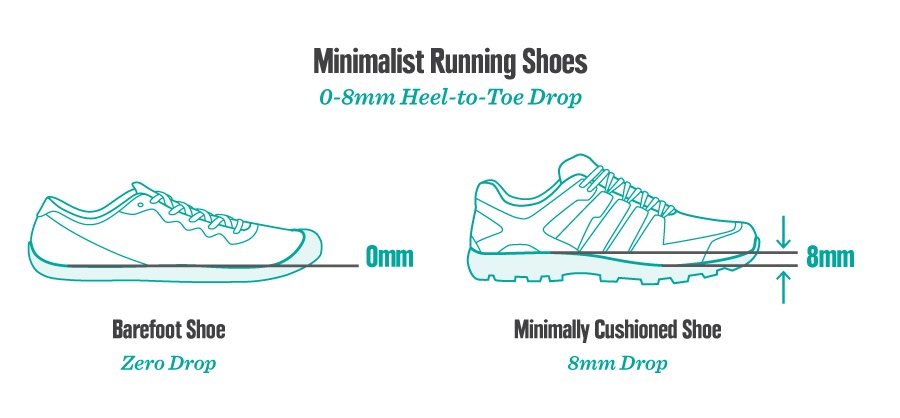
Zero drop shoes have the same sole height under the heel and the forefoot. In simple terms, your heel and toes sit at the same level. This differs from many traditional running shoes, which often raise the heel by several millimeters.
A zero drop design does not always mean the shoe is flat, thin, or flexible. Some models have thick cushioning, firm foam, or a wide toe box. “Zero drop” only describes the height difference between the heel and the front of the shoe.
Supporters say this design may encourage a more natural foot position. However, natural does not always mean better for every body. Your muscles, tendons, joints, and walking habits all affect how well you handle the change.
Why zero drop shoes are bad for some people
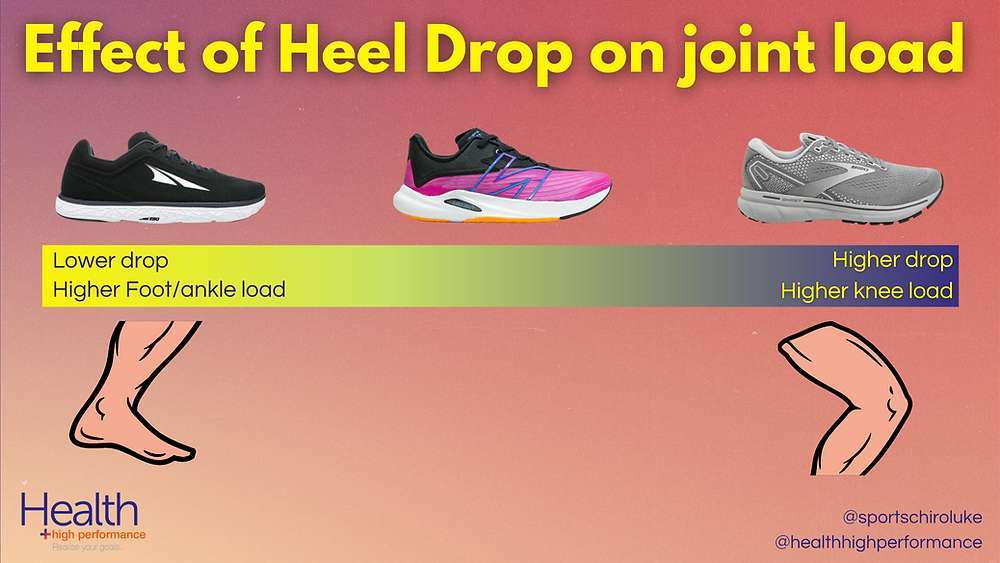
The main reason why zero drop shoes are bad for some wearers is that they shift more work toward the ankle and lower leg. A raised heel can reduce the stretch placed on the calf and Achilles tendon. Removing that lift may increase ankle motion during walking or running.
This change can be helpful when introduced slowly. It can also cause trouble when someone switches overnight from a cushioned, high-drop shoe to a flat shoe. The body may need weeks or months to build the needed strength and flexibility.
Common problems include:
• Calf soreness after short walks or runs
• Achilles tendon pain or stiffness
• Plantar fascia irritation
• Foot fatigue and arch discomfort
• Shin pain
• Knee or hip discomfort caused by changes in movement
These issues do not prove that every zero drop shoe is harmful. They show that shoe design changes how load moves through the body. A shoe that works well for one runner may be a poor match for another.

Zero drop shoes and Achilles tendon strain
The Achilles tendon connects the calf muscles to the heel bone. It helps you push off the ground with every step. When your heel sits lower, the ankle may move into more dorsiflexion, which means the toes move closer to the shin.
That position can place more stretch on the calf and Achilles tendon. A healthy tendon may adapt with gradual training. A tendon that is already irritated may react with pain, swelling, or morning stiffness.
Research on running shoes and injury risk is complex. Studies do not show that one heel-to-toe drop prevents all injuries. Still, biomechanics research supports the idea that lower-drop shoes can increase calf and Achilles demand, especially during the transition period.
Be especially careful if you have:
• A history of Achilles tendinopathy
• Tight calves
• Limited ankle movement
• Recent foot or ankle surgery
• A sudden increase in running volume
If pain lasts more than a few days, worsens during exercise, or changes your walking pattern, stop testing the shoes and seek advice from a qualified health professional.
How zero drop shoes may affect the plantar fascia
The plantar fascia is a strong band of tissue under the foot. It supports the arch and helps the foot store and release energy. A flat shoe can alter how this tissue works during the stance and push-off phases of walking.
Some people feel less pressure because zero drop shoes often have a wide toe box and a stable base. Others feel more pressure under the arch or heel. The result depends on the shoe’s cushioning, stiffness, shape, and your own foot structure.
One common mistake is to blame the drop while ignoring the rest of the shoe. A zero drop shoe with soft cushioning may feel very different from a thin, flexible barefoot-style shoe. Fit, walking surface, activity level, and foot strength matter too.
Signs of possible plantar fascia irritation include:
• Sharp pain under the heel during the first steps in the morning
• Pain after sitting for a long time
• Soreness after long walks
• Tenderness along the arch
These symptoms can have several causes. Do not use footwear alone as a diagnosis.
The transition problem: why sudden changes can hurt
Many cases explain why zero drop shoes are bad only after a rapid transition. The muscles and tendons may be used to one movement pattern. A new shoe can change stride length, ankle motion, impact timing, and push-off demands within a single day.
Think of it like changing your workout plan. If you have not trained your legs for months, you would not begin with hundreds of deep squats. Your feet need the same gradual approach.
A safer transition may look like this:
-
Wear the shoes indoors for 20 to 30 minutes.
-
Use them for short, easy walks on level ground.
-
Keep your old shoes available during the first few weeks.
-
Increase time only when you have no lasting soreness.
-
Delay running, hills, speed work, and long hikes.
-
Reduce use if pain remains the next morning.
There is no perfect schedule. Some people adapt in a few weeks. Others need several months. Your previous footwear, calf strength, age, training history, and injury record all affect the timeline.
Who should be cautious with zero drop shoes?
Zero drop shoes may not be the best first choice for people with limited ankle flexibility or current lower-leg pain. A raised heel can offer temporary comfort by reducing the amount of stretch required at the ankle.
People who should use extra care include:
• New runners
• People with recurring Achilles pain
• People with plantar fasciitis
• Older adults with balance concerns
• People recovering from foot or ankle injuries
• Runners moving from high-drop shoes
• People with severe calf tightness
This does not mean these groups can never wear zero drop shoes. It means the change should be planned. A physical therapist, podiatrist, or sports medicine clinician can assess strength, mobility, gait, and injury history.
A professional evaluation is especially useful when pain is sharp, one-sided, or linked with swelling or weakness.

Are zero drop shoes bad for your knees and hips?
The answer is not simple. Changing heel height can change the position and movement of the ankle, knee, and hip. In some people, a lower heel may reduce certain knee loads. In others, it may increase stress in the calf, ankle, or foot.