Do My Shoes Look Too Big: Easy Fit Checks And Fixes
Your shoes may look too big if your heel slips, the toe box feels long, or the shoe overwhelms your foot.
Wondering, “do my shoes look too big?” is common, especially when shopping online or trying a new shoe shape. Appearance matters, but fit matters more: a shoe can look large and still fit well, while a sleek shoe can look perfect yet cause pain. This guide explains how to judge shoe size, shape, width, and styling with simple tests you can use at home.

How to tell if your shoes look too big
The best way to answer “do my shoes look too big?” is to check both appearance and fit. Your shoes should look balanced with your feet and clothing, but they must also support your toes, heel, and arch.
Look for these clear signs:
- Your toes sit far behind the front of the shoe.
- Your heel lifts every time you walk.
- The shoe bends in front of your toes instead of under the ball of your foot.
- The sides look wide and empty.
- Your feet appear much smaller than the shoe shape.
- The shoe creates deep creases because your foot does not fill it.
- You need thick socks or extra insoles just to keep the shoe secure.
A little space at the toe is normal. Most adults need about ⅜ to ½ inch of room in front of the longest toe. This space allows your foot to move naturally as you walk and helps prevent your toes from hitting the shoe.
However, extra toe room is not the same as excessive length. If you can place more than a thumb’s width between your longest toe and the shoe’s tip, the shoe may be too long. Check this while standing, since your feet spread and lengthen under body weight.

Why shoes can look too big even when they fit
Sometimes the answer to “do my shoes look too big?” has less to do with size and more to do with design. Shoe shape, color, material, and sole thickness can change how large footwear appears.
Shoe shape
A rounded toe often looks shorter and softer. A pointed or almond toe can look longer, even when the inner fit is correct. Chunky sneakers, hiking shoes, and work boots also appear larger because they use thick soles and protective layers.
Color and material
White, cream, and bright shoes attract attention. They may look larger than black, brown, or dark gray shoes. Smooth leather can also show the full outline of a shoe, while suede or textured fabric may soften its shape.
Sole thickness
A tall platform or thick rubber sole adds visual weight. This does not mean the shoe is the wrong size. It simply creates a bold look, much like a large frame around a small picture.
Foot shape
Narrow feet may leave more space inside a standard-width shoe. A person with a low-volume foot can feel as if their shoes look too big, even if the length is right. In this case, a narrow or low-volume model may work better than a shorter size.
Styling choices
Cropped pants can make shoes look more noticeable. Long, wide pants may hide some of the shoe and create a smoother line. The same pair can look oversized with shorts but balanced with straight-leg jeans.

How to check shoe fit at home
Use a simple fit test before deciding that your shoes look too big. Try it late in the day, when feet are often slightly larger after walking and standing.
- Put on the socks you plan to wear with the shoes.
- Stand on a hard floor with your weight spread evenly.
- Press your longest toe toward the front of the shoe.
- Check the space behind your heel. You should not be able to fit a full finger behind it.
- Walk for several minutes on a clean surface.
- Go up and down stairs if the shoes allow it.
- Bend your toes and check whether they can move freely.
- Remove the shoes and look for red marks, pressure spots, or numbness.
Your heel should stay mostly in place. A small amount of movement may be normal in new leather shoes, especially before they soften. Constant slipping is a stronger sign that the shoe is too long, too wide, or poorly shaped for your foot.
Also check where the shoe flexes. It should bend near the ball of your foot, not at the middle of the arch. A shoe that bends in the wrong place may feel unstable even if the length seems acceptable.

A quick visual test for oversized shoes
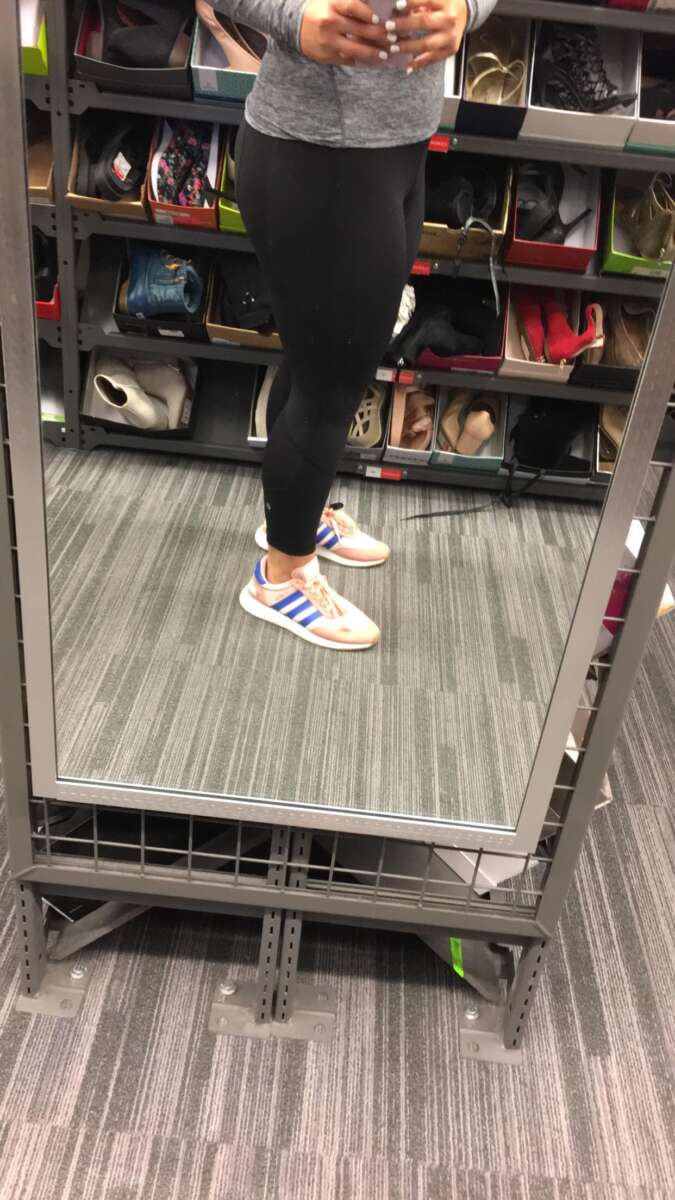
If you still ask, “do my shoes look too big?” take photos from several angles. A mirror can distort proportions, while a photo often gives you a more honest view.
Take one photo from the front, one from the side, and one while standing naturally. Avoid photographing your feet from very close, because a wide phone lens can make the shoes look longer.
Use these visual checks:
- The shoe should not extend far beyond your longest toe.
- The heel should line up with the back of your ankle.
- The width should look close to the width of your foot.
- The shoe should not overpower your outfit unless that is the style you want.
- Both shoes should look balanced with your body proportions.
Try comparing the shoe with a pair that already fits well. This gives you a useful reference. A shoe may seem large by itself but look completely normal when worn with the right pants, jacket, or bag.
Remember that fashion has no single correct proportion. Oversized sneakers and chunky boots are popular because they create a strong, relaxed look. If the shoes feel stable and comfortable, their larger appearance may be intentional rather than a problem.

What to do if your shoes are too big
If your shoes are only slightly loose, you may be able to improve the fit. If they are much too long, exchanging them is usually the better choice.
Useful options include:
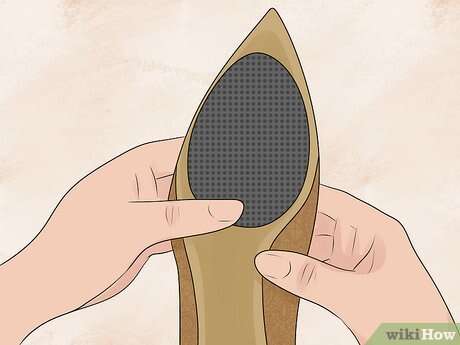
- Add a full-length insole to reduce extra space.
- Use a heel grip when the main problem is heel slipping.
- Try thicker socks for casual shoes and boots.
- Add tongue pads if the shoe feels loose over the top of your foot.
- Use a toe insert only when the extra space is at the front.
- Choose lacing methods that hold the heel in place.
- Ask a shoe professional whether the model can be adjusted safely.
Do not use several thick inserts at once. They can lift your heel, reduce stability, and create pressure across the top of your foot. A cramped shoe can lead to blisters, corns, pain, or numbness.
Avoid stuffing shoes with tissue or hard objects for regular wear. This may change the shape of the shoe and press against your toes. Temporary styling tricks are not a substitute for the correct size and width.
For expensive leather shoes, a skilled cobbler may adjust certain areas. Yet stretching can increase width, not shorten a shoe that is too long. If the heel and toe position are wrong, a different size or model will usually solve the problem better.

How to make large-looking shoes look more balanced
Sometimes the fit is correct, but you dislike the visual effect. Small styling changes can make the shoes feel more proportional.
Try these ideas:
- Match the shoe color to your pants to create a longer, smoother line.
- Wear straight-leg or relaxed pants with chunky sneakers.
- Choose cropped pants only if you like the shoes to stand out.
- Balance large shoes with a structured jacket, sweater, or bag.
- Pick a lower-profile sneaker for slim outfits.
- Use simple socks that do not add a strong visual break at the ankle.
- Choose a rounded or almond toe if pointed shoes look too long.
Proportion is about balance, not hiding. A large shoe often looks intentional when another part of the outfit has similar weight. For example, a thick-soled boot may look natural with a denim jacket but harsh with very thin, delicate clothing.
In my experience helping people compare footwear, the most common mistake is judging shoes while sitting down. A shoe can look fine in a chair but slip or pinch when you stand. Always make the final decision after walking, bending, and viewing the shoes with a complete outfit.

Common mistakes when judging shoe size
Many shoppers focus only on the printed number. Shoe sizes vary between brands, countries, and shoe styles, so the number is a starting point rather than a guarantee.
Avoid these common errors:
- Buying a smaller size to make a long shoe look shorter.
- Ignoring width because the length feels correct.
- Testing shoes on a soft carpet that hides poor balance.
- Trying shoes with thin socks when you normally wear thick ones.
- Assuming leather shoes will stretch in length.
- Keeping shoes that cause pain because they look stylish.
- Comparing a dress shoe with a sneaker as if both should fit the same way.
Sizing charts can help, but measure both feet and use the larger foot as your guide. Feet may also change over time due to age, pregnancy, injury, swelling, or changes in activity. If one foot is larger, fit the larger foot and adjust the smaller side with a thin insole or heel grip.
People with diabetes, reduced sensation, circulation problems, or recurring foot pain should be especially careful. A podiatrist or qualified shoe fitter can check pressure points and recommend safer footwear.

When to return or exchange the shoes
Return the shoes if they fail the walking test, cause pain, or look clearly out of proportion after you try sensible styling changes. Do not wait for painful shoes to “break in.” Softening may help minor stiffness, but it will not correct a poor length or unstable heel.
A return is especially wise when:
- Your heel slides out with each step.
- Your toes grip the floor to keep the shoe on.
- You feel pressure at the arch or ball of the foot.
- The shoe bends far behind the ball of your foot.
- You need multiple inserts to make the shoe wearable.
- Your feet hurt after only a few minutes.
- The shoe looks too long from every angle and feels loose.
Keep the original packaging and try shoes indoors on a clean floor until you are sure. Check the retailer’s return period before wearing them outside. This simple habit can save money and prevent you from settling for an uncomfortable fit.
A correct shoe should feel secure without squeezing. Think of it as a gentle handshake: firm enough to hold your foot, but not so tight that it restricts movement.
Do my shoes look too big? Frequently asked questions
How much space should be in front of my toes?
About ⅜ to ½ inch of space is common for many adults. Your toes should not touch the front when you stand or walk, but more than a thumb’s width may indicate excessive length.
Is heel slipping a sign that my shoes are too big?
It can be, especially when your heel lifts with every step. Heel slipping may also come from a wide heel cup, poor lacing, or a shoe shape that does not match your foot.
Can thick socks fix shoes that look too big?
Thick socks can help with mild looseness, especially in boots and casual shoes. They cannot reliably fix shoes that are much too long, and they may make your feet hot or create pressure.
Do chunky sneakers always look too big?
No. Chunky sneakers are designed to look bold and have thick soles, wide panels, or large toe boxes. They may appear oversized while fitting correctly, so judge comfort and stability along with appearance.
Should I size down if my shoes look too long?
Not automatically. Sizing down can crush your toes or make the shoe too narrow, so first check the width, shape, heel fit, and actual toe space.
Can insoles make oversized shoes fit better?
A full-length insole can reduce mild extra volume and improve support. It will not fully correct a shoe that is too long, and too many inserts can make the shoe unstable.
Why do my feet look small in my shoes?
Your feet may look small because the shoes have a wide toe box, thick sole, bright color, or bulky upper. A narrower shoe shape or darker color may look more balanced without changing the length.
Conclusion
The answer to “do my shoes look too big?” depends on more than the number printed inside the shoe. Check toe space, heel movement, width, flex point, comfort, and overall outfit balance before making a decision.
A little extra room is healthy, but a shoe that slips, bends in the wrong place, or causes pain is not a good fit. Walk in the shoes, take photos, try simple adjustments, and exchange them when the basic shape is wrong. Use these steps with your next pair, and share your own shoe-fitting experience or explore more footwear guides for practical style and comfort advice.

Michael Smith is the Content Strategist behind The Style Hub, where fashion meets function. With a keen eye for trends and a passion for everyday style, he curates content that helps readers make smarter, more stylish choices—from the perfect pair of sneakers to must-have accessories. Michael specializes in breaking down fashion into practical, wearable insights, making style accessible for everyone. When he’s not researching the latest trends, he’s exploring how comfort, innovation, and timeless design come together in modern fashion.