Are Duck Shoes Good For Snow: Snow Boot Guide
Yes, duck shoes can work in light snow, but warmth, traction, and waterproof design matter most.
Are duck shoes good for snow? The answer depends on the pair, the weather, and how long you plan to stay outside. Classic duck shoes have a waterproof rubber lower section and a fabric or leather upper, so they can handle slush and wet sidewalks well. However, not every pair offers enough insulation, grip, or height for deep snow and freezing conditions.
This guide explains how duck shoes perform in snow, where they fall short, and how to choose a safer, warmer pair. It also covers real-world comfort, traction, care, and better alternatives for severe winter weather.
What Are Duck Shoes?
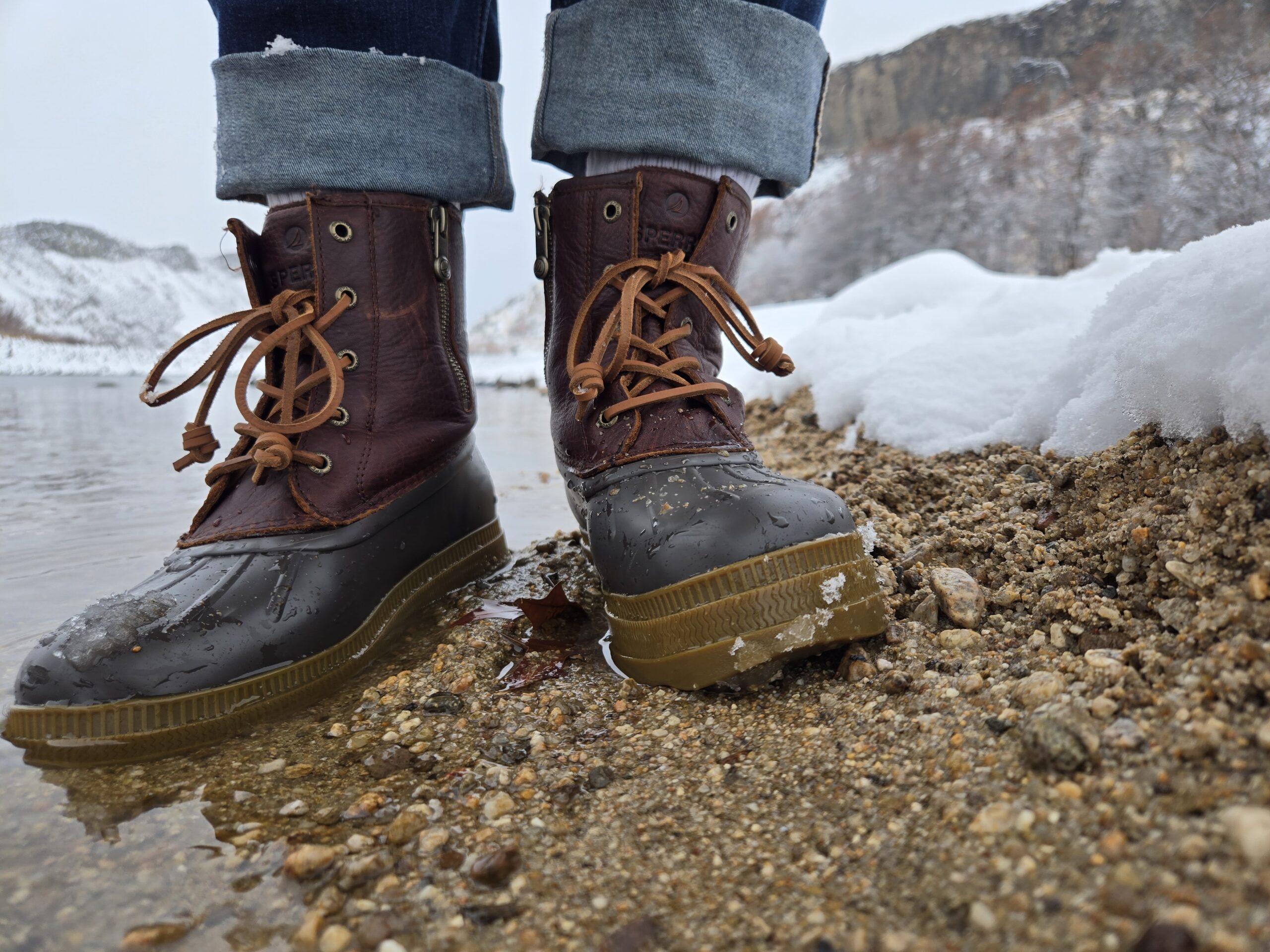
Duck shoes are casual waterproof shoes with a rubber lower shell and a softer upper section. Their shape often includes a rounded toe, which gives them the familiar “duck” look. Many designs also use a lace-up upper to help secure the foot.
The rubber shell is the key feature. It helps keep out rain, puddles, melting snow, and road slush. The upper may use leather, suede, canvas, nylon, or a synthetic material, so its water resistance can vary.
Duck shoes are often confused with duck boots. The terms overlap, but duck boots usually rise higher on the ankle and provide more coverage. That extra height can make a major difference when walking through snow.
Common features include:
• Waterproof rubber toes and soles
• Water-resistant leather or textile uppers
• Lugged or patterned outsoles
• Removable or fixed fleece liners
• Lace-up closures
• Light insulation
Some duck shoes are made for fall rain and mild winter days. Others are built as true winter footwear. Checking the product details matters more than relying on the name alone.
Are Duck Shoes Good for Snow?
Are duck shoes good for snow? They can be good for light to moderate snow when they have insulation, a deep tread, and enough ankle coverage. Their waterproof toe protects against wet snow, while the rubber sole helps keep feet dry on slushy streets.
Still, duck shoes are not automatically snow shoes. A thin fashion pair may feel cold after only a short walk. A low-cut design may also let snow enter over the top. For deep snow, icy trails, or long periods outdoors, insulated winter boots are usually the safer choice.
Duck shoes work best in these conditions:
• Light snowfall
• Wet snow and slush
• Plowed sidewalks
• Short trips around town
• Cool, damp fall and winter weather
They may not work well in these conditions:
• Deep, unplowed snow
• Very low temperatures
• Long hikes
• Steep icy paths
• Snow that reaches above the ankle
Think of duck shoes as a raincoat for your feet. They may block moisture well, but they do not always provide the warmth and protection of a full winter jacket.

How Duck Shoes Perform in Snow
Several design details decide whether duck shoes feel safe and comfortable in winter. Waterproofing is only one part of the answer.
Waterproofing
The rubber lower section usually handles wet snow well. It can stop water from reaching the toes, especially when the shoe has sealed seams and a snug fit.
The upper section needs closer attention. Leather may resist water when treated with a suitable conditioner or spray. Canvas and some fabrics can absorb moisture unless they have a waterproof membrane.
Look for terms such as:
• Waterproof construction
• Sealed seams
• Water-resistant upper
• Waterproof membrane
• Gusseted tongue
A gusseted tongue connects to the sides of the shoe. It helps stop water and snow from entering through the lace area.
Warmth and insulation
Many classic duck shoes have little or no insulation. Their rubber shell may block water, but rubber does not create enough warmth by itself.
For cold weather, look for:
• Fleece lining
• Thinsulate or similar synthetic insulation
• Wool-blend liners
• Removable insulated inserts
• Room for thick winter socks
Avoid wearing cotton socks for long snow walks. Cotton holds moisture near the skin and can make feet feel colder. Wool or synthetic hiking socks manage moisture much better.
Traction
A waterproof shoe can still be dangerous if its outsole slides on ice. Duck shoes with deep, flexible lugs usually grip snow better than smooth fashion soles.
Pay attention to:
• Deep tread
• Flexible rubber
• Wide contact areas
• Multi-directional lugs
• Cold-resistant rubber compounds
No ordinary shoe can guarantee safety on glare ice. Even strong winter soles may slip on polished ice, so short steps and careful footing still matter.
Height and snow entry
Low duck shoes may keep out puddles but allow snow to fall over the collar. A higher shaft offers better protection, especially when snow is several inches deep.
A secure lace system also helps. If the shoe feels loose around the ankle, snow and cold air can enter more easily. Gaiters can add useful protection when you already own a low pair.