Best Heel Pads For Shoes Too Big: Top Comfort Fixes
The best heel pads for shoes too big add a soft, snug layer that stops heel slip, rubbing, and painful blisters.
You know the feeling: a favorite pair of shoes looks great, but every step makes your heel lift and slide. A shoe that is only slightly too large can still cause sore skin, lost balance, and poor comfort. The right heel pad fills that extra space without forcing you to replace the shoes. I reviewed these options for grip, cushion, comfort, fit, and daily use. This guide will help you find the best heel pads for shoes too big for work shoes, flats, boots, sneakers, and dress shoes.
Six-Pair Heel Grips for Loose Shoes

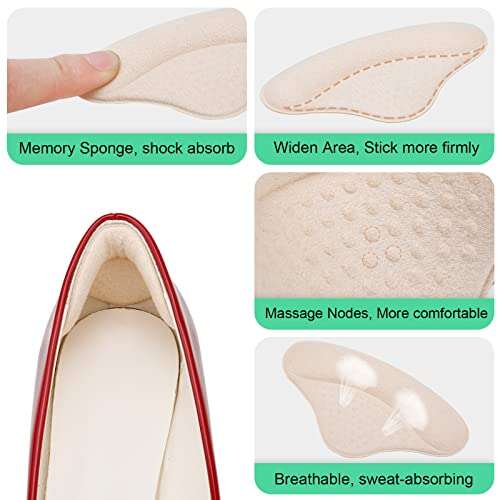
This six-pair heel grip set is a practical choice when you need several replacements or want to adjust more than one pair of shoes. The pads sit at the back of the shoe and create a soft barrier between your heel and the firm shoe edge. Their cushioned shape can reduce movement in loose flats, loafers, boots, and casual shoes. I also like the larger supply because adhesive pads can wear down with regular use.
The main job here is fit control. A heel pad does not truly change the shoe size, but it can take up a small amount of extra room and help your foot stay in place. The soft liner may also help reduce friction during short walks and daily errands. For the best result, clean and dry the shoe first, then press the pad firmly into place and let the adhesive settle before wearing it.
Pros:
- Six pairs provide useful replacement value
- Helps reduce heel lift in loose shoes
- Soft padding can limit rubbing and friction
- Works for men’s and women’s footwear
- Useful for flats, loafers, boots, and casual shoes
- Good option for people who own several loose pairs
Cons:
- May not correct shoes that are more than one full size too large
- Adhesive strength depends on a clean, smooth shoe lining
- Thick padding may feel snug in narrow shoes
Heel Grips Liner Cushions, Four Pairs

This four-pair set focuses on a snug fit and simple daily comfort. The liner fills the gap behind the heel, which can help stop a shoe from shifting with every step. It comes in pale apricot and black, so you can choose a color that suits the inside of the shoe. That small detail matters when you use the pads in open-back or low-cut footwear.
I would consider this set for dress shoes, flats, office shoes, and other styles that slip but do not need a full insole. The cushion can soften a stiff heel counter and lower the chance of a hot spot forming. It is also a sensible pick for people who want a moderate amount of padding rather than a bulky insert. As with any adhesive liner, test the position before pressing it down for good.
Pros:
- Four pairs offer a good balance of cost and supply
- Available in pale apricot and black colors
- Helps fill a small gap behind the heel
- Can reduce shoe slip during normal walking
- Soft liner helps protect against friction
- Suitable for both men’s and women’s shoes
Cons:
- May leave a visible edge in very low-cut shoes
- Not designed to fill a large gap at the toe
- Could feel warm during long wear in hot weather
MasterMo Heel Grips, Eight-Piece Set
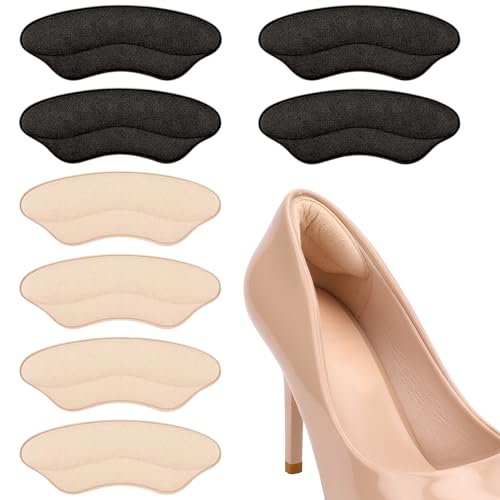
MasterMo offers eight pieces in beige and black, giving you flexibility for different shoes and replacement needs. The heel grips are made to sit against the rear lining and create a closer fit around the heel. That can help reduce the small up-and-down motion that often causes blisters. The two-color format is helpful if you switch between dark and light footwear.
This set stands out for people who want more than one fitting attempt. You can move the pads slightly higher or lower until the shoe feels secure, then use the remaining pieces for another pair. I recommend checking your heel after a short indoor trial because comfort depends on shoe shape, foot width, and the amount of extra space. When correctly placed, these pads can make a loose shoe feel more settled without changing its look from the outside.
Pros:
- Eight pieces provide strong replacement value
- Beige and black colors suit many shoe linings
- Helps reduce heel movement and slipping
- Useful for several pairs of shoes
- Can help limit rubbing at the heel counter
- Good fit-adjustment choice for everyday footwear
Cons:
- May require careful placement for the best fit
- Does not replace a full insole for overall shoe looseness
- Adhesive may struggle on dusty, textured, or fabric surfaces
EIRMAT Heel Pads for Shoes Too Big
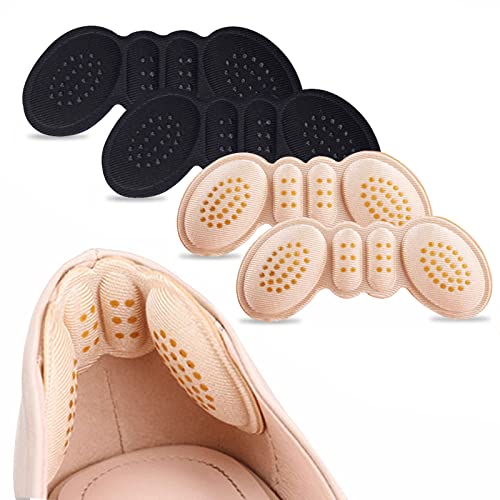
EIRMAT heel pads come as four pairs for shoppers who want a straightforward solution to loose footwear. They are designed to add padding at the rear of the shoe, where extra space often causes the heel to slide. This design can work well when the length is close to right but the heel area feels too open. It is a focused fix rather than a complicated foot-care system.
I see this as a useful everyday option for sneakers, canvas shoes, flats, and work shoes. The pads may soften contact with a hard heel counter while also giving the foot a more secure anchor. They will not solve every fit problem, especially if the shoe is much too long or wide. Still, for mild looseness, this type of liner can be a quick and low-cost way to rescue a pair that would otherwise sit unused.
Pros:
- Four pairs give shoppers several uses
- Designed specifically for shoes with loose heels
- Can improve the feel of a near-correct shoe size
- May reduce sliding and heel friction
- Works with many casual and work shoe styles
- Simple design does not add bulk under the toes
Cons:
- May not provide enough fill for very oversized shoes
- Color may show in some open footwear
- Requires accurate placement to avoid pressure points
Heel Pads for Women’s and Men’s Shoes

This four-pair heel pad set is made for shoppers who want a cushion liner that also acts as a shoe filler. It can help close the space behind the heel and make loose shoes feel less floppy. The beige and black color choices offer a practical match for many shoe interiors. The pads may also create a softer surface where the heel meets the shoe wall.
In my experience, heel fillers work best when the shoe is only slightly too large. They cannot change the shape of a shoe, but they can reduce unnecessary movement and make walking feel more controlled. I would use these in pumps, flats, dress shoes, sneakers, or boots after cleaning the lining. People who often develop blisters from stiff shoe backs may also appreciate the extra barrier.
Pros:
- Four pairs support use in multiple shoes
- Beige and black shades provide fitting flexibility
- Helps fill extra space behind the foot
- May reduce blisters caused by heel rubbing
- Suitable for men’s and women’s footwear
- Useful for dress shoes and casual shoes alike
Cons:
- May feel too thick in a close-fitting shoe
- Not a full solution for shoes that are several sizes too large
- Adhesive performance can vary by shoe material
Dr.Foot Heel Grips With Shoe Horn
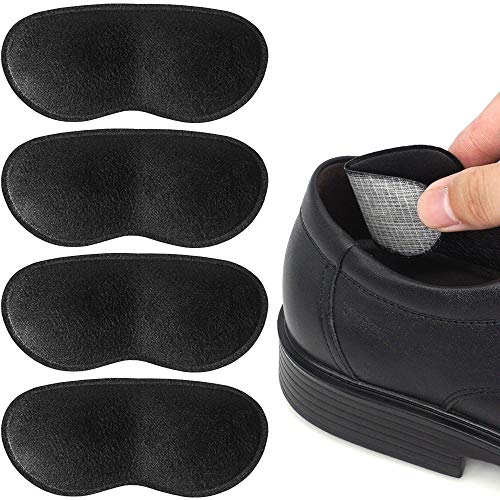
Dr.Foot combines two heel grip pairs with an extra shoe horn. The grips are designed to cushion the heel and help prevent slipping, rubbing, and blister formation. The black color is a natural match for many dark shoes, including dress shoes, boots, and work footwear. The included shoe horn adds a useful touch because it helps protect the heel lining when you put shoes on.
This is a good fit for someone who values a small shoe-care kit rather than a large multi-pack. The pads can help make a loose shoe more secure, while the shoe horn supports easier entry without crushing the rear counter. I would choose this set for a favorite pair that needs a targeted comfort fix. The main trade-off is the smaller number of replacement pads compared with six- or eight-piece sets.
Pros:
- Includes an extra shoe horn
- Helps reduce heel slip and rear-foot movement
- Cushion may protect against rubbing and blisters
- Black color blends with many dark shoes
- Useful for dress shoes, boots, and work shoes
- Good choice for targeted shoe repair
Cons:
- Only two pairs are included
- Limited color choice may not suit light shoes
- Less useful if you need to adjust many pairs
Pale Apricot Heel Grips, Four Pairs

This pale apricot set gives you four pairs for improving the fit of loose shoes. Its light shade may blend better than black inside beige, tan, blush, or other light-colored footwear. The rear liner helps reduce the open space that lets a heel lift away from the shoe. It also creates a cushioned contact point that may feel kinder than a bare, stiff shoe lining.
I would recommend this style for women’s flats, pumps, loafers, and low-cut shoes where appearance matters. It can help a nearly fitting shoe feel more stable without adding anything under the ball of the foot. The result depends on the shoe’s shape, so I suggest wearing it indoors first and checking for pressure. If the shoe still slides at the toe, pair a heel grip with a suitable front filler rather than adding several heel pads.
Pros:
- Light color suits many women’s dress shoes
- Four pairs offer useful backup pieces
- Helps reduce heel slip without a full insole
- May soften contact with a hard shoe edge
- Good choice for flats, pumps, and loafers
- Can help limit friction during short daily wear
Cons:
- Light color may not blend with dark shoe linings
- May not solve looseness at the front of the shoe
- Could feel noticeable in a very snug heel cup
Six-Pair Heel Pads for Loose Shoes

This six-pair option is built for shoppers who want plenty of heel cushion pads for several pairs of shoes. The pads help fill the rear gap while creating a barrier against rough seams and firm heel counters. A larger pack is useful for families, rotating work shoes, or anyone who changes footwear often. It may also reduce the frustration of having one worn pad stop you from wearing a favorite pair.
The cushion is most helpful when your heel slips but the shoe length is otherwise close. I would not use a heel pad to force a badly oversized shoe to fit, since too much filling can crowd the heel and change your step. Instead, use these as a gentle adjustment tool for flats, sneakers, boots, or office shoes. The extra pieces make it easier to replace a liner when its surface becomes compressed or its adhesive loses grip.
Pros:
- Six pairs offer strong value for regular users
- Helps cushion the heel against hard shoe backs
- Can reduce slipping, rubbing, and friction
- Works across many shoe types
- Useful for people with several loose pairs
- Replacement pieces extend the practical life of the set
Cons:
- May be too much padding for narrow shoes
- Does not correct a major size mismatch
- Placement errors can create pressure or uneven fit
Six-Pair Heel Grips for Heel Comfort

This six-pair set targets three common issues at once: heel slip, friction, and a loose shoe fit. The padded rear liner can help hold the heel closer to the shoe while softening the rubbing surface. That makes it a versatile pick for people who want both comfort and a small amount of fit correction. Six pairs also give you room to experiment with different shoes.
I like this type of pack for daily use because it does not require a complicated setup. Clean the shoe, mark the placement if needed, peel the backing, and press the pad into the heel cup. Start with a short indoor test before taking the shoes outside. If the pad feels too high or creates a hard ridge, remove it and try a lower position rather than ignoring the pressure.
Pros:
- Six pairs support frequent use and replacement
- Addresses heel slip and rubbing together
- Can make slightly loose shoes feel more secure
- Useful for many men’s and women’s shoe styles
- Simple adhesive format is easy to install
- Good choice for users who want extra backups
Cons:
- May not work well on heavily textured linings
- Can feel bulky if the shoe already fits closely
- Does not provide toe-area adjustment
Six-Pair Heel Protectors for Blisters
This listing uses the same general heel-grip format as the first option, but it is a useful choice for shoppers comparing color, availability, or pack listings. The six-pair supply gives you several chances to find the right placement. The cushion can reduce direct contact between the heel and the shoe, which may help prevent a sore spot during light to moderate wear. It is aimed at both fit improvement and basic heel protection.
I would look at this set when your main concern is a loose back section rather than a shoe that is too long. A heel pad works like a small, soft doorstop: it limits unwanted movement without filling the whole shoe. It may be useful for new shoes with stiff counters or older shoes that have stretched. As always, stop using it if you feel numbness, sharp pressure, or continued pain.
Pros:
- Six pairs offer good quantity for the price
- Helps reduce heel movement in loose footwear
- May protect skin from rubbing and blisters
- Works in a range of shoe designs
- Useful for new or stretched shoes
- Easy option for testing fit changes
Cons:
- Not suitable for major shoe-size errors
- May need replacement after repeated wear
- Can reduce interior room in narrow heel cups
Sixteen-Pair Shoe Filler Set With Toe Inserts

This 16-pair set is different because it includes heel fillers and toe inserts. That combination gives you more ways to manage shoes that feel loose in more than one direction. A heel pad controls rear movement, while a toe insert can reduce extra length at the front. This makes the set especially useful for women’s flats, pumps, and dress shoes that are both long and loose.
I would choose this kit when a single heel grip does not solve the whole problem. The key is to add only the amount of filler you need, since too much material can squeeze the toes or push the heel backward. Try the pieces indoors with clean socks and walk on a safe surface before committing to a full day. Among the products reviewed here, this is one of the most flexible choices for shoes that need more complete fit adjustment.
Pros:
- Sixteen pieces provide excellent quantity
- Includes both heel and toe fit solutions
- Can help with shoes that are long and loose
- Useful for women’s flats, pumps, and dress shoes
- Allows more precise fit testing
- Good value for people with several oversized shoes
Cons:
- More parts mean a longer fitting process
- Toe inserts may feel tight in narrow shoes
- Not every shoe needs both types of filler
My Recommendation
After comparing these products, I would match the pad to the problem instead of choosing only by pack size. If your heel lifts in a shoe that is otherwise close to the right size, a standard rear heel grip is the simplest fix. If the shoe also feels too long, the 16-pair set with toe inserts offers more control. For frequent users, six- and eight-piece packs provide better replacement value.
The best heel pads for shoes too big should feel supportive, not tight. I recommend starting with clean, dry footwear and placing the pad just below the top edge of the heel counter. Wear the shoes indoors for 10 to 15 minutes, then check for redness, pressure, or slipping. A good fit should feel like a quiet hand holding your heel in place, not a clamp.
| Best for | Why |
|---|---|
| Small heel gap and daily wear | Standard cushioned heel grips add soft padding and reduce rear movement. |
| Several loose pairs | Six- and eight-piece sets provide useful backups and flexible color choices. |
| Shoes that are long and loose | The 16-pair set includes toe inserts as well as heel fillers for fuller adjustment. |
Keep your expectations realistic. Heel grips work best when a shoe is slightly too large, not when the shoe is several sizes off. They can reduce friction and improve stability, but they cannot correct poor arch support, a narrow toe box, or a badly shaped shoe. If you have persistent foot pain, swelling, numbness, or recurring blisters, stop wearing the footwear and seek advice from a qualified health professional.
For most shoppers, I would begin with the six-pair heel grip option because it offers a useful mix of cushion, fit control, and spare pieces. Dr.Foot is appealing if you want a shoe horn with a smaller set. MasterMo is a strong choice when color options and multiple replacements matter. The EIRMAT and four-pair liners suit shoppers who want a simple, focused fix without extra toe pieces.
How to Choose the Best Heel Pads for Shoes Too Big
Start by finding out where the shoe feels loose. If your heel lifts but your toes sit in the right place, choose a rear heel grip. If your toes slide forward and the shoe feels long, consider a toe insert or a full-length insole. If the entire shoe feels wide and empty, one small heel pad may not be enough.
Next, check the shoe lining. Smooth leather, synthetic lining, and clean fabric usually give adhesive pads the best chance to stay in place. Dust, oil, loose fibers, and moisture can weaken the bond. I always wipe the area with a dry or slightly damp cloth, let it dry fully, and avoid touching the sticky side during installation.
Thickness also matters. A thick heel cushion can offer more filling, but it may create pressure in a snug shoe. A slim liner often works better in pumps and narrow flats. For boots or roomy sneakers, a thicker pad may feel more natural. Think of the pad as a spacer, not a permanent replacement for the correct shoe size.
Look at the pack count if you wear several pairs. A two-pair package may be enough for one favorite pair, while four, six, or eight pairs offer better value for a larger shoe collection. Extra pieces also help because adhesive products can wear down from sweat, repeated friction, and frequent removal. A larger pack gives you room to adjust without rushing.
Color can affect appearance and comfort. Black pads suit dark footwear, while pale apricot or beige may blend better in light shoes. In closed shoes, color is less important than fit. In slingbacks, low-cut flats, and shoes with open sides, a closer color match can look cleaner.
How I Evaluated These Heel Grips
I focused on the features that matter during real use: fit control, padding, surface comfort, pack value, color choice, and versatility. I also considered how easy each product is to place and whether it solves a heel problem without creating a toe problem. A product can have soft foam, but that does not help if it slips out of position or makes the shoe too tight.
My review method also follows a basic safety principle. A pad should reduce unwanted movement while allowing normal toe room and a natural step. It should not cause pain, numbness, skin damage, or a cramped heel. I treated bold promises with care because no adhesive insert can make every oversized shoe fit like a custom shoe.
The products here are not medical devices. They are comfort and fit accessories. Their performance can change based on shoe material, foot shape, walking pattern, climate, and how well the adhesive surface is prepared. That is why I recommend a short indoor test before wearing any new heel pad for a long day.
Common Benefits of Heel Pads
The biggest benefit is less heel movement. When the rear of a shoe is too open, the foot rises and drops with each step. That motion can create friction and make the shoe feel unstable. A heel grip adds a small layer that helps the back of the shoe meet the heel more closely.
Another benefit is comfort at the heel counter. Many shoes have a firm rim or seam that can rub the skin. A soft pad creates a buffer between that edge and your foot. This may help reduce early irritation, though it cannot guarantee that blisters will never form.
Heel pads can also save money. Instead of leaving a slightly oversized pair in the closet, you may be able to improve its fit with a low-cost insert. This is useful for shoes bought online, shoes received as gifts, or shoes that stretched after repeated wear. Still, returning the shoes is better when the size is clearly wrong.
Installation Tips for a Better Fit
First, test the shoe without a pad. Walk indoors and note where the movement happens. Then clean the inside rear wall and let it dry. Do not install the pad over dust, lotion, moisture, or loose fabric.
Position the pad so it sits flat against the heel counter. Avoid placing it too low, where it may fold under your heel. Avoid placing it too high, where the edge may rub your Achilles area. Press from the center outward to remove air pockets.
After installation, wait a short time before wearing the shoes outside. Walk on carpet or another clean indoor surface. Check whether the heel stays in place and whether your toes still have room to move. If you feel pressure, remove the pad and try a different position or a thinner product.
Do not stack several thick heel pads unless the shoe has plenty of room and the result feels natural. Layering can push the foot forward, change your balance, and cause toe pressure. If you need a major adjustment, use a full insole or return the shoe instead.
Are Heel Pads Better Than Full Insoles?
It depends on the type of looseness. Heel pads target the back of the shoe, so they work well when the heel slips but the front fits. Full insoles affect the entire foot and may help when the shoe feels loose under the arch, ball, and heel.
A full insole can also add arch or underfoot support, but it takes up more space. That may make a shoe feel tight across the top. Heel pads are smaller and easier to hide, which makes them popular for dress shoes and flats.
Some people use both, but I suggest testing one product at a time. Start with the smallest change that solves the problem. This approach helps protect your toe room and makes it easier to learn what your feet need.
When Heel Pads Will Not Fix the Shoe
A heel pad is not the right answer when the shoe is more than one size too large. It may also fail when the shoe has a very wide toe box, a loose strap, or a shape that does not match your foot. In those cases, the foot may slide forward even if the heel feels more secure.
Heel grips also cannot repair a damaged shoe counter or replace proper support. If the rear structure has collapsed, the pad may not have a stable surface to attach to. A cobbler may offer a better repair for expensive leather shoes.
Finally, do not keep wearing a shoe that causes pain. A small fit issue can become a bigger skin or foot problem when ignored. Comfort should improve after installation, not decline.
FAQs Of best heel pads for shoes too big
Do heel pads make shoes smaller?
Heel pads do not change the true size of a shoe. They add a cushioned layer behind the heel and reduce extra space. They work best when the shoe is only slightly too large.
Can heel grips stop my heels from slipping?
They can reduce heel slip by helping the rear of the shoe fit closer to your foot. Results depend on shoe shape, foot shape, adhesive quality, and how much extra room the shoe has.
Are heel pads good for preventing blisters?
They may reduce friction by creating a soft barrier between your skin and the shoe. However, they cannot prevent every blister. Stop wearing the shoe if you notice ongoing redness, pain, or broken skin.
How long do adhesive heel pads last?
Wear time varies. Daily use, sweat, heat, and shoe material can shorten their life. Replace a pad when it loses grip, becomes compressed, rolls at the edge, or no longer feels comfortable.
Should I use heel pads or toe inserts?
Use heel pads when the rear of the shoe slips. Use toe inserts when the shoe is too long or your foot slides toward the front. Some oversized shoes need both, but add them slowly to protect toe room.
Final Verdict: Which Should You Buy?
My top overall choice is the six-pair heel grip set because it balances cushion, fit control, and replacement value. The 16-pair kit is best for shoes that are both long and loose, while Dr.Foot suits shoppers who want a shoe horn too.
The best heel pads for shoes too big can rescue a slightly loose pair and make daily steps feel calmer. Choose the right thickness, install it on a clean lining, and test the fit indoors before a long day.

Michael Smith is the Content Strategist behind The Style Hub, where fashion meets function. With a keen eye for trends and a passion for everyday style, he curates content that helps readers make smarter, more stylish choices—from the perfect pair of sneakers to must-have accessories. Michael specializes in breaking down fashion into practical, wearable insights, making style accessible for everyone. When he’s not researching the latest trends, he’s exploring how comfort, innovation, and timeless design come together in modern fashion.