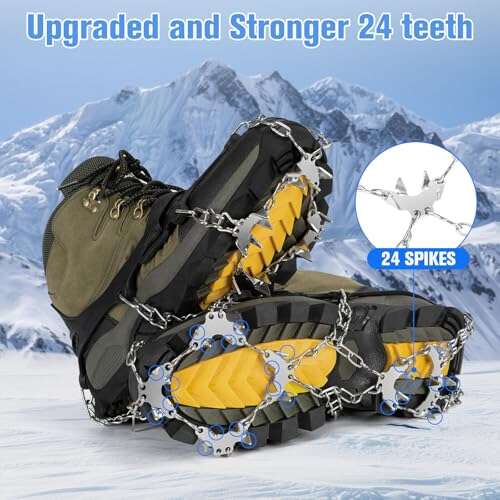
Best Shoes For Black Ice: Top Picks For Safe Steps
The best shoes for black ice combine deep tread, secure fit, waterproof comfort, and dependable ice-gripping traction.
Picture stepping out before sunrise, coffee in one hand and your work bag in the other. The sidewalk looks dry, but a clear sheet of black ice hides beneath your feet. A good pair of winter shoes or ice cleats can help you walk with more control and less fear. I reviewed these traction options for fit, grip, ease of use, comfort, and value, so you can choose the right defense for icy paths, steps, driveways, and trails.
Tomaje 24-Spike Ice Cleats

The Tomaje 24-Spike Crampons use a silicone harness and stainless steel spikes to add traction to many walking shoes and boots. The 24-point layout spreads grip across the front and heel, which can feel more balanced than a small set of studs. The flexible frame also makes these cleats easy to fold and carry in a coat pocket or day pack.
I see this model as a strong choice for people who face icy sidewalks, packed snow, and slippery outdoor paths. The silicone body can stretch over many common shoe shapes, but you still need to check the size chart before ordering. These are traction aids, not a replacement for careful steps, and they should come off before entering smooth indoor floors.
Pros:
- 24 stainless steel spikes provide broad surface grip
- Flexible silicone design fits many shoes and boots
- Useful for walking, hiking, jogging, and fishing
- Easy to put on and remove without special tools
- Compact design stores well in a bag or car
- Spikes cover both the toe and heel areas
Cons:
- May feel bulky on soft or lightweight sneakers
- Silicone can stretch if the size is not correct
- Sharp spikes need care around floors and furniture
My Recommendation
I recommend the Tomaje 24-Spike Crampons for walkers who want strong all-around traction without buying a separate winter boot. The wide spike count suits icy sidewalks and short outdoor trips, while the flexible harness makes them simple to share between compatible shoes. For shoppers comparing the best shoes for black ice, this is a practical add-on with strong grip and useful portability. Check the fit before purchase, and expect the best value when you use them often through the cold season.
TRIWONDER 10-Stud Ice Cleats

TRIWONDER Ice Cleats use 10 metal studs to improve contact on snow and ice. The over-shoe design lets you keep wearing a familiar pair of boots instead of changing footwear every time the weather turns bad. The black traction cover has a low-key look that works well for daily outdoor chores.
A 10-stud layout gives useful bite while keeping the cleat lighter than many high-spike crampons. I would choose this style for neighborhood walks, fishing trips, winter errands, and light hikes rather than steep mountain travel. Like any ice grip, it works best when each stud sits flat against the ground and the harness stays snug around the shoe.
Pros:
- Lightweight design adds less bulk than larger crampons
- Ten metal studs improve grip on icy paths
- Fits over many everyday shoes and boots
- Good option for walking and light outdoor work
- Simple black color looks discreet
- Easy to pack for sudden weather changes
Cons:
- Fewer studs may offer less bite on steep ice
- Fit can vary with thick soles and wide shoes
- Not ideal for technical climbing or deep mountain snow
My Recommendation
TRIWONDER is best for daily walkers who need a light, affordable layer of traction. It makes sense for a person who walks to work, checks a mailbox, or clears a short icy path. If your goal is to find the best shoes for black ice for normal winter use, the 10-stud design offers a good balance of weight and grip. I would move to a larger spike system for steep slopes, long hikes, or hard glare ice.
XYZLH 10-Stud Ice Cleats

The XYZLH Ice Cleats place 10 steel studs under an over-shoe rubber frame. This model also includes 10 extra replacement studs, which is a helpful detail for anyone who uses traction gear often. The rubber construction aims to hold the cleat close to the shoe while leaving the upper part open for easy access.
Replacement parts can extend the useful life of a traction aid, especially when you walk on mixed surfaces. I would use these cleats for icy driveways, winter sidewalks, casual hikes, and outdoor work where a few worn studs should not end the season. Be sure to inspect the rubber and studs before each outing, since damage or a loose fit can reduce stability.
Pros:
- Includes 10 replacement steel studs
- Rubber frame stretches over suitable shoes and boots
- Studs provide direct contact with firm ice
- Useful for routine winter walking and outdoor chores
- Replacement parts can improve long-term value
- Black design blends with most footwear
Cons:
- Ten studs may not match the grip of 19- or 24-spike models
- Rubber can feel tight on bulky footwear
- Metal studs are not suitable for indoor floors
My Recommendation
The XYZLH cleats suit value-focused buyers who want spare studs included in the box. They are a smart fit for regular sidewalk use and moderate winter activity. Among the best shoes for black ice accessories, this set stands out for its repair-minded design. Choose the correct size and test the fit indoors before you walk outside.
Dexter S12 Black Ice Slide Sole
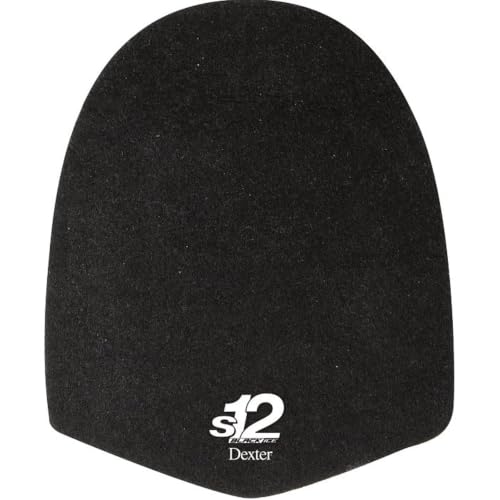
The Dexter S12 Black Ice Slide Sole is a specialized traction sole rather than a typical winter hiking cleat. Its design comes from the bowling footwear world, where controlled sliding and smooth movement matter. That makes it a very different product from steel-stud ice grips for sidewalks.
I would not choose this sole as my first answer to the question, “What are the best shoes for black ice?” A slide sole can be useful for its intended activity, but a smooth sliding surface does not provide the bite needed for ordinary outdoor ice. Use it only when you understand the activity and surface, and never confuse it with a winter traction device.
Pros:
- Specialized sole design for controlled sliding
- Useful for compatible bowling footwear
- Can support smooth movement in the right setting
- Distinct purpose compared with outdoor ice cleats
- May suit bowlers seeking replacement sole equipment
Cons:
- Not designed for walking on outdoor black ice
- Smooth material can be unsafe on icy sidewalks
- Requires compatible footwear and proper use
My Recommendation
I recommend the Dexter S12 only for bowlers who need a compatible slide sole for bowling use. I do not recommend it for commuters, dog walkers, or anyone shopping for the best shoes for black ice. Its purpose is controlled sliding, not winter traction. For outdoor ice, choose a lugged winter boot or a cleat with metal studs and a secure harness instead.
Yaktrax Traction Chains

Yaktrax Traction Chains use a chain-style pattern to create contact points under your shoes. The chains wrap around the outsole and can improve traction on snow and ice without the sharp, aggressive feel of larger spikes. This X-Large pair is aimed at larger footwear, so accurate sizing matters.
Chain traction feels natural for people who want a flexible winter aid for daily walking. It can help on packed snow, light ice, and mixed winter ground, though severe glare ice may call for deeper studs. I also like the simple concept: the chains move with the sole and pack away when the path becomes clear.
Pros:
- Flexible chain pattern supports natural foot movement
- Useful on snow, packed paths, and light ice
- Less aggressive than large metal spikes
- Simple over-shoe design is easy to carry
- Suitable for routine winter walking
- X-Large size can fit larger shoes and boots
Cons:
- Large size may not fit small or narrow shoes
- Chains may offer less bite than steel studs on hard ice
- Must be removed before walking on indoor floors
My Recommendation
Yaktrax Traction Chains are best for people who walk on mixed winter surfaces and value flexibility. They are a good choice for errands, school routes, and neighborhood walks where snow may change to ice. For the best shoes for black ice, I prefer studded models on hard, clear ice, but these chains offer a smooth middle ground. They also make a useful backup pair for a car or winter emergency kit.
WIN.MAX 19-Spike Crampons

WIN.MAX Crampons use 19 stainless steel spikes to add a serious grip layer to winter footwear. The spike arrangement covers key contact zones under the shoe, which can help when hard ice makes ordinary tread feel like a sled. The over-shoe crampon design works with many boots and walking shoes when the size is right.
This model sits between light chain traction and more aggressive mountaineering crampons. I would consider it for icy trails, steep driveways, winter walks, and outdoor tasks that need more bite than a simple chain. The spikes can feel firm underfoot, so new users should practice on a safe, flat surface before tackling a slope.
Pros:
- 19 stainless steel spikes provide strong ice contact
- Suitable for walking, hiking, jogging, and climbing
- More coverage than basic 10-stud cleats
- Over-shoe design works with many boots
- Helpful for steep or highly polished outdoor ice
- Durable metal traction points suit repeated use
Cons:
- May feel too aggressive for indoor-to-outdoor use
- Sharp spikes can damage floors and delicate surfaces
- Fit depends on correct shoe size and secure placement
My Recommendation
WIN.MAX is best for active users who need firm traction on hard ice and snowy trails. It is a strong contender for the best shoes for black ice when you want more spike coverage than a 10-stud model. Hikers, property owners, and outdoor workers may appreciate the extra grip. I would keep a separate pair of lighter chains for quick errands and indoor transitions.
Tomaje 24-Spike Crampons
This second Tomaje listing uses the same 24-spike crampon design and image as the first listing, but it has a different Amazon product link. The stainless steel spikes aim to improve grip under both the front and rear of the shoe. A stretch silicone harness helps the cleat fit over a range of footwear.
The high spike count makes this a good option when black ice is the main concern. I like the balance between broad coverage and a lightweight, foldable frame. As with any sharp traction aid, I would put it on before reaching the ice and remove it at the door to protect indoor surfaces.
Pros:
- 24 spikes offer wide traction coverage
- Silicone harness fits many men’s and women’s shoes
- Stainless steel points resist ordinary winter wear
- Useful for walking, hiking, jogging, and fishing
- Folds for easy storage in a vehicle or pack
- Good choice for users who face frequent black ice
Cons:
- Can feel awkward on soft running shoes
- May not fit extra-wide or unusually shaped boots
- Sharp points require careful storage
My Recommendation
I recommend this Tomaje listing for anyone who wants a high-coverage cleat for repeated winter use. It is especially suited to older adults, early-morning walkers, delivery workers, and homeowners who cross icy ground often. In my view, it is one of the best shoes for black ice solutions because it adds many bite points without requiring a new boot. Compare the listing, size, and current price before ordering because this product appears in more than one listing.
Yaktrax Walk Traction Cleats

Yaktrax Walk Traction Cleats are made for ordinary walking on snow and ice. Their design focuses on convenient daily use rather than technical climbing or steep mountain travel. The Medium size is intended for compatible smaller footwear, so measure your shoe before choosing it.
This is the type of traction aid I would keep near the front door during winter. It can help turn a normal walking shoe into a more confident option for a snowy sidewalk or icy driveway. The flexible build should feel less cumbersome than large crampons, but it may not dig into very hard ice as deeply as a multi-spike model.
Pros:
- Designed specifically for everyday walking
- Flexible fit feels natural on common footwear
- Medium size suits compatible small and medium shoes
- Easy to carry for changing weather
- Less bulky than heavy hiking crampons
- Useful for sidewalks, driveways, and short walks
Cons:
- Medium size may not fit large boots
- May provide less bite than 19- or 24-spike cleats
- Not intended for technical climbing
My Recommendation
Yaktrax Walk is best for daily walkers who want a simple, familiar traction aid. It is a strong fit for short commutes, dog walks, and winter chores. If you are comparing the best shoes for black ice for comfort and easy use, this model deserves attention. Choose a stronger studded crampon if you regularly cross steep hills or clear glare ice.
19-Spike Crampons for Boots

These crampons use 19 stainless steel spikes to improve traction on icy and snowy surfaces. The rubber over-shoe frame is designed for men’s and women’s boots and shoes. The spike layout gives more contact points than basic traction chains while keeping the design fairly simple.
I would look at this model when you want a strong grip for walking, hiking, fishing, or other outdoor work. It can help on frozen paths where a shallow rubber tread slides across the surface. The frame must sit evenly, though, because a twisted cleat can create an uneven step and reduce the benefit of the spikes.
Pros:
- 19 stainless steel spikes provide firm traction
- Rubber frame stretches over many footwear styles
- Suitable for hiking, fishing, walking, and climbing
- Protective coverage extends across key sole areas
- Useful on hard snow and icy outdoor ground
- Simple design is quick to install
Cons:
- Can feel heavy on thin shoes
- Rubber fit may vary by brand and sole shape
- Spikes should not be worn on indoor flooring
My Recommendation
This 19-spike design is best for people who split time between sidewalks and outdoor trails. It offers a useful middle point between lightweight chains and more specialized mountain crampons. For shoppers searching for the best shoes for black ice, this option makes sense when traction matters more than a sleek feel. Inspect the frame before every use and replace it if the rubber shows cracks or stretching.
Yaktrax Diamond Grip Cleats

Yaktrax Diamond Grip Cleats use a diamond-shaped traction pattern for contact on ice and snow. This X-Large model is designed for larger footwear and aims to work across more than one winter surface. Instead of relying on a few long spikes, the pattern spreads traction across the outsole.
This approach can feel more adaptable when a route changes from snow to ice to bare pavement. I would choose it for walkers who want a less pointed design than traditional crampons. It still needs the correct size and a snug fit, and it should come off before you enter a building.
Pros:
- Diamond pattern supports all-surface winter traction
- Works across snow, ice, and some mixed ground
- X-Large size fits compatible large footwear
- Less aggressive feel than tall metal spikes
- Good for regular walking and outdoor errands
- Broad contact pattern can support steady steps
Cons:
- X-Large size will not suit small shoes
- May not grip steep glare ice like deep studs
- Requires careful cleaning after use
My Recommendation
Yaktrax Diamond Grip is best for walkers who move between several winter surfaces in one outing. It is a sensible option for sidewalks, driveways, and packed snow where a broad pattern feels more comfortable than sharp spikes. If you want the best shoes for black ice with a flexible, all-surface focus, this cleat is worth considering. Select the size with care and keep it in your winter gear kit.
How to Choose the Best Shoes for Black Ice
Black ice is hard to see because it often forms as a thin, clear layer over pavement. It can appear after freezing rain, overnight moisture, or thaw-and-freeze cycles. The right footwear cannot remove every risk, but it can improve the contact between your foot and the ground.
When I compare the best shoes for black ice, I look at the outsole first. A winter shoe should have deep lugs or a traction system that can reach through a thin layer of frost. Smooth soles, worn tread, and flat casual shoes are poor choices because they give the ice a clean path to slide.
Choose Studs for Hard, Clear Ice
Steel studs or spikes can bite into firm ice. Models with 19 or 24 spikes spread grip across the sole and heel. They often work well on hard paths, frozen steps, and icy driveways.
More spikes do not always mean a better fit. A large crampon may feel awkward on a soft running shoe. It may also be too aggressive for a short walk from a car to a store. Match the spike count to the surface, distance, and shoe shape.
Choose Chains for Mixed Winter Ground
Chain-style traction can work well when a route includes snow, packed slush, light ice, and bare pavement. The flexible pattern often feels smoother than sharp studs. It may also pack more easily.
Chains may not provide enough bite for steep, polished ice. If you live in a place with frequent freezing rain, keep a studded model as well. A two-option kit can be more useful than forcing one design to handle every condition.
Check the Fit Before Going Outside
A loose cleat can slide under the shoe. A tight cleat can stretch the rubber and place stress on the harness. In both cases, the traction points may not sit where they should.
Put the cleats on indoors over the exact shoes you plan to wear. Check that the toe and heel areas sit flat. Walk a few steps on a rug or safe floor, then inspect the harness for twisting. Do not wait until you stand on ice to discover a poor fit.
Think About Waterproof Winter Shoes
Ice traction is only one part of winter comfort. The best shoes for black ice should also keep feet warm and dry when snow melts around the upper. Look for a water-resistant or waterproof upper, sealed seams, and enough room for warm socks.
A warm boot with a good sole can work well on light ice. Yet even the best winter boot can slip on smooth black ice if its rubber compound and tread do not suit the surface. For serious ice, add a removable traction aid that fits the boot securely.
Inspect Tread and Traction Parts
Before each winter walk, check the outsole, spikes, chains, and rubber frame. Look for missing studs, bent metal, cracked rubber, or stretched areas. A small defect can become a larger problem when you need grip most.
Clean off salt and grit after use. Let rubber and metal dry away from high heat. Store sharp cleats in a pouch so they do not damage clothing, car seats, or other gear.
Use Safe Walking Technique
Even the best shoes for black ice need good walking habits. Take short steps and keep your knees slightly bent. Keep your hands free when possible, and use a rail on icy stairs.
Walk slowly and place your whole foot down with care. Avoid running, sudden turns, and large steps. The Centers for Disease Control and Prevention treats falls as a major injury concern, so traction gear should support—not replace—careful movement.
Best Features at a Glance
| Best for | Why |
|---|---|
| Hard black ice | Choose 19- or 24-spike crampons for stronger bite on firm ice. |
| Daily sidewalks | Choose Yaktrax Walk or TRIWONDER for lighter, easy-to-pack traction. |
| Mixed snow and ice | Choose chain or diamond-pattern cleats for flexible all-surface use. |
What I Look For in Winter Traction
I do not judge a winter traction product by spike count alone. I check how it fits, how evenly it sits, and how easy it is to put on with cold hands. A product that stays in a closet because it is hard to use has little real value.
I also consider the user. An older adult may prefer a simple cleat that slips on without a struggle. A hiker may want deeper spikes and a more secure frame. A commuter may need a lighter design that can fit in a work bag.
There is no single winner for every path. The best shoes for black ice depend on the type of ice, the shoe underneath, and the distance you plan to walk. Good judgment matters as much as good gear.
Common Mistakes to Avoid
One common mistake is wearing traction cleats indoors. Metal spikes can mark floors, slide on smooth tile, and damage delicate surfaces. Put them on near the outdoor entrance and remove them as soon as the icy section ends.
Another mistake is using the wrong size. A cleat that looks close enough may shift when you lift your heel. Always compare the product size range with the actual shoe or boot you will wear.
Some people also expect ice cleats to work like climbing gear. Most everyday models are made for walking, not vertical ice, rope travel, or technical mountaineering. Use specialized equipment for those activities.
Finally, do not ignore the weather. Black ice can cover ramps, stairs, bridges, and shaded pavement. Leave extra time, choose a safer route, and use a handrail when one is available.
FAQs Of best shoes for black ice
What are the best shoes for black ice?
The best shoes for black ice have deep rubber tread or a secure ice cleat with metal studs. For hard, clear ice, I prefer 19- or 24-spike crampons. For daily walking on mixed snow and ice, chain-style traction can feel lighter and easier.
Do regular winter boots work on black ice?
Some winter boots work well on light ice when they have soft, flexible rubber and deep lugs. Smooth or worn soles can still slip badly. Add properly fitted cleats when you face frequent glare ice or steep icy ground.
Are metal spikes safe to wear indoors?
No. Metal spikes can scratch floors and may slide on smooth tile. Put them on outside or near the building entrance, and remove them before walking indoors.
How many spikes should ice cleats have?
Ten studs can suit daily walking and light ice. Nineteen or 24 spikes can offer more coverage on hard ice and steep paths. More spikes may also add weight and bulk, so choose based on your route and shoe.
How should ice cleats fit?
The harness should sit snugly over the shoe without twisting. The toe and heel should remain covered as you walk. Test the cleats indoors before use and check them again after a few minutes outside.
Final Verdict: Which Should You Buy?
For most people, I would choose the Tomaje 24-Spike Crampons for broad grip, flexible fit, and strong black-ice coverage. Yaktrax Walk is better for light daily use, while WIN.MAX suits active users who want firm stud traction.
The best shoes for black ice pair reliable tread with careful steps and a proper fit. Choose your traction level, inspect it often, and walk slowly on every icy surface.

Michael Smith is the Content Strategist behind The Style Hub, where fashion meets function. With a keen eye for trends and a passion for everyday style, he curates content that helps readers make smarter, more stylish choices—from the perfect pair of sneakers to must-have accessories. Michael specializes in breaking down fashion into practical, wearable insights, making style accessible for everyone. When he’s not researching the latest trends, he’s exploring how comfort, innovation, and timeless design come together in modern fashion.