

Does Hoka Make Steel Toe Shoes: Steel Toe Options Explained
No — Hoka does not broadly produce traditional ASTM-rated steel toe shoes for industrial work.
I’ve researched Hoka’s lineups, read product specs, and tested several Hoka models. This article explains whether Hoka makes steel toe shoes, what types of protective footwear (if any) the brand offers, how Hoka compares to traditional safety-shoe makers, and practical advice for choosing the right toe protection. If you need comfort plus workplace protection, read on to learn when Hoka might fit and when you should pick a certified work boot.

Does Hoka make steel toe shoes? The short answer and context
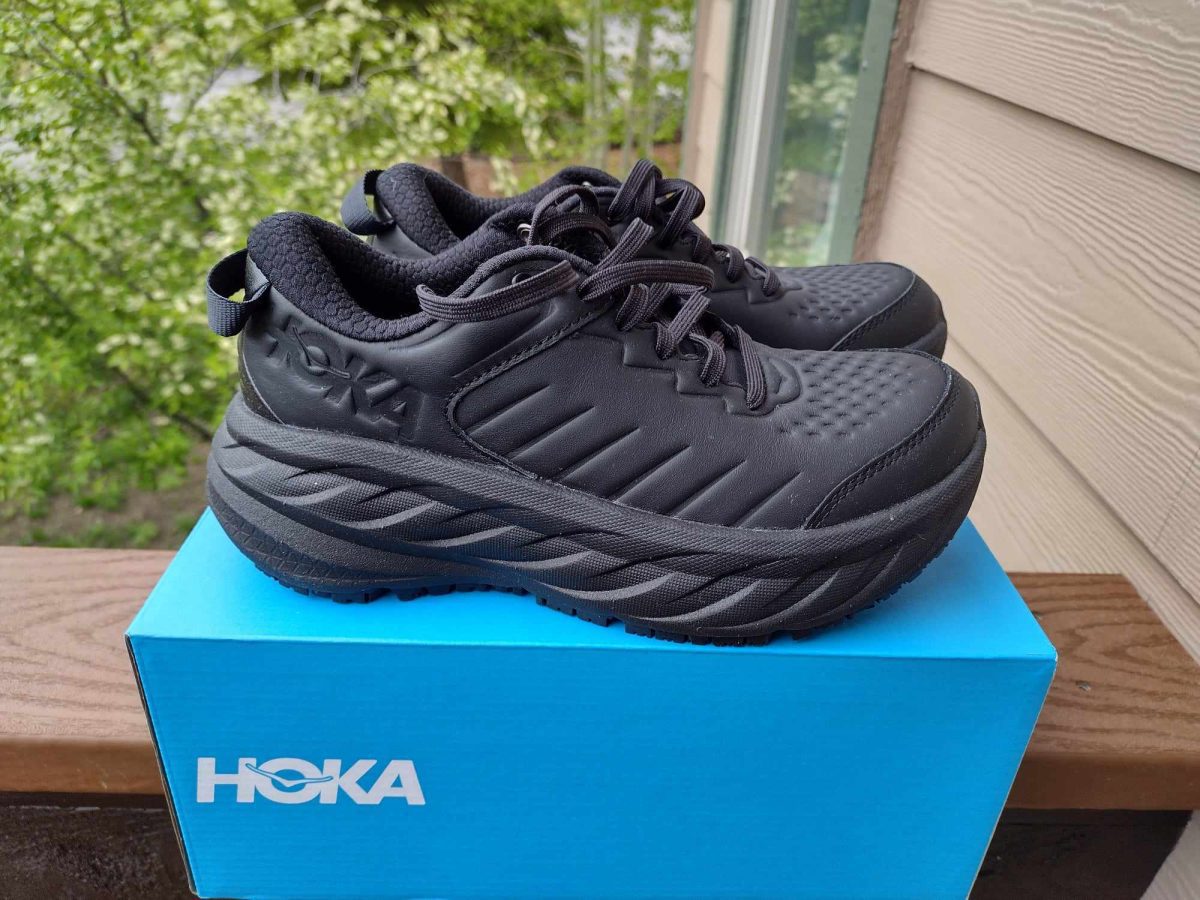
Many people ask, does Hoka make steel toe shoes because Hoka is famous for cushioned comfort. The short answer: Hoka does not have a large line of classic steel toe shoes designed to meet industrial safety standards. Hoka focuses on running, walking, and lifestyle shoes with maximal cushioning, not mass-market steel-toe work boots.
Hoka has explored supportive and protective designs in limited releases and collaborations. Some Hoka models offer rugged outsoles and reinforced toes, but they typically do not carry ASTM F2413 or similar steel-toe certifications you’d expect for jobsite safety. If you need certified protection, double-check specs before you buy.
What counts as a steel toe shoe and safety standards
Understanding what “steel toe” means helps answer whether Hoka makes steel toe shoes.
- Steel toe definition: A steel insert in the shoe’s toe box that protects against impact and compression.
- Common standards: ASTM F2413 is the U.S. standard for protective toe performance. Shoes meeting this show markings for impact (I) and compression (C).
- Alternatives: Composite toes and alloy toes offer protection with different weight and conductivity properties.
When asking does Hoka make steel toe shoes, remember the critical factor is whether the shoe meets a recognized standard. Reinforced toes without certification are not a substitute for an ASTM-rated steel toe.
Current Hoka offerings related to protection and reinforcement
Hoka’s design strengths are cushioning, geometry, and lightweight materials. Here’s how that translates to protective features.
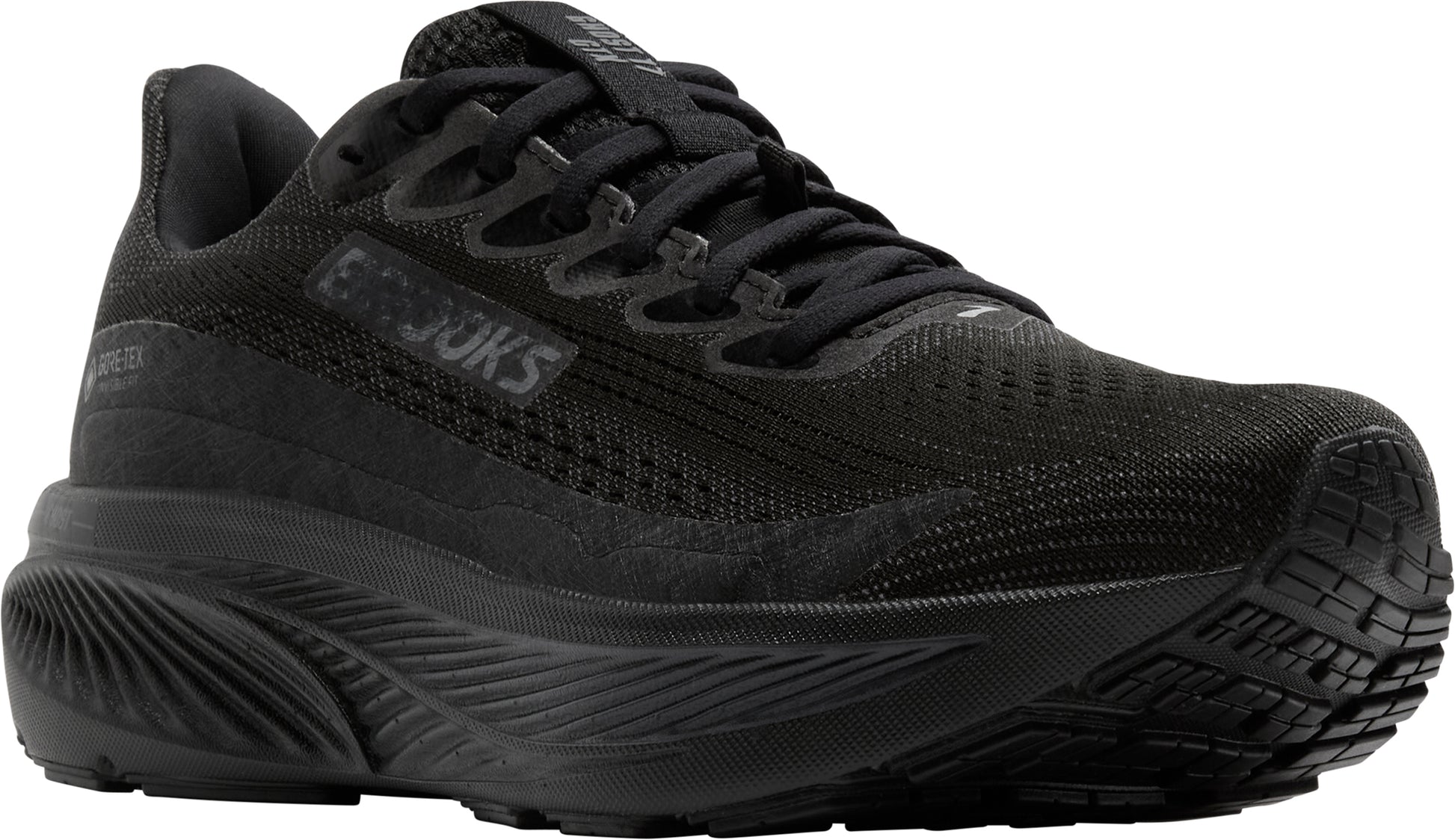
- Trail and hiking models: Several Hoka trail shoes have toe guards and rock plates to shield feet from trail hazards. These are abrasion and puncture-resistant to an extent.
- Rugged outsoles: Some Hoka shoes use sticky rubber and lug patterns for traction on uneven ground.
- Limited work-focused releases: There are occasional Hoka models pitched for all-day comfort in active jobs. These sometimes include reinforced toes but often lack formal steel toe certification.
So, if you ask does Hoka make steel toe shoes, the honest reply is that Hoka offers protective elements in some shoes but typically not certified steel toe options for heavy industrial use.
How to tell if a shoe is truly a steel toe work shoe
When evaluating any brand, including Hoka, use these steps.
- Check for certification: Look for ASTM F2413 or equivalent markings in product specs.
- Read materials: Steel toes are usually specified as “steel toe.” Composite or alloy toes will be labeled as such.
- Inspect the product page: The retailer or manufacturer will list impact and compression ratings if the shoe is certified.
- Ask customer service: If specifications are unclear, get confirmation in writing to meet workplace requirements.
If certification is missing, do not assume the shoe meets your job’s safety needs. This answers the core of does Hoka make steel toe shoes for certified protection.

Alternatives if you need certified steel toe protection
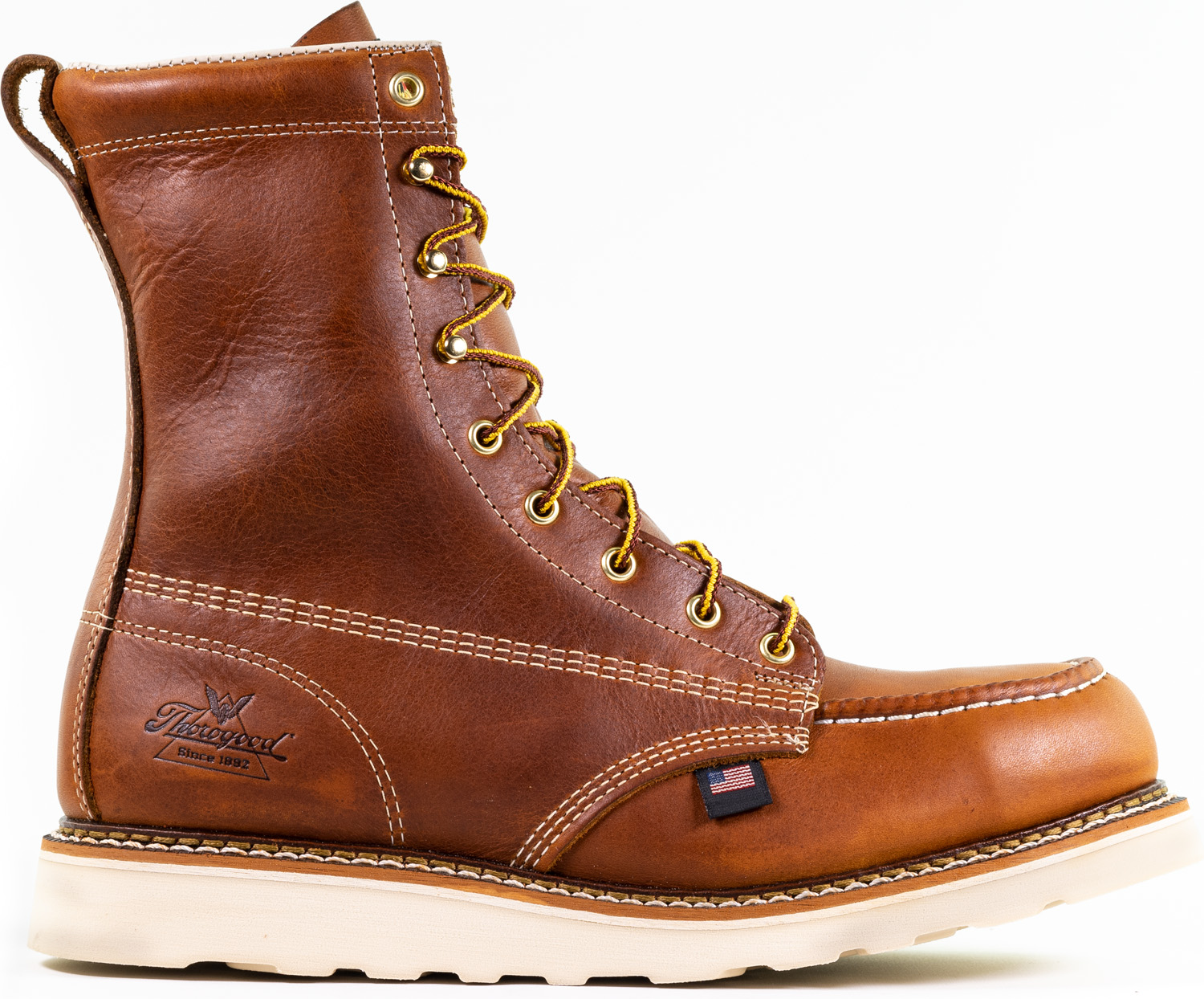
If your workplace requires certified steel toe footwear, consider these features and brands that prioritize safety.
- Look for ASTM or EN ISO markings on the shoe page.
- Choose steel toe, composite toe, or alloy toe depending on weight and conductivity needs.
- Pick brands that list work and safety lines explicitly; they offer warranty and safety testing details.
- Consider boots with slip-resistant soles, electrical hazard protection, and metatarsal guards if needed.
Hoka excels at comfort. But when the question is does Hoka make steel toe shoes that meet jobsite rules, many workers will find better options from dedicated safety brands.
My hands-on experience and lessons learned
I’ve worn Hoka shoes for long shifts on my feet and tested rugged trail Hoka models on rocky terrain. Here’s what I observed.
- Comfort: Hoka cushioning reduces fatigue dramatically on long days.
- Protection: Toe guards on trail models protect against trail rocks but do not replace certified steel toes.
- Fit: Hoka’s wide-fit options and rocker geometry help gait and posture, which can reduce injury risk in non-industrial settings.
- Mistake to avoid: Don’t rely on casual reinforcement for workplace compliance. I learned this after testing a reinforced Hoka trail shoe and finding no ASTM rating; it wasn’t acceptable for a job that required a steel toe.
If you’re weighing “does Hoka make steel toe shoes,” use my experience: Hoka can be a great comfort shoe, but verify certification for safety-critical roles.
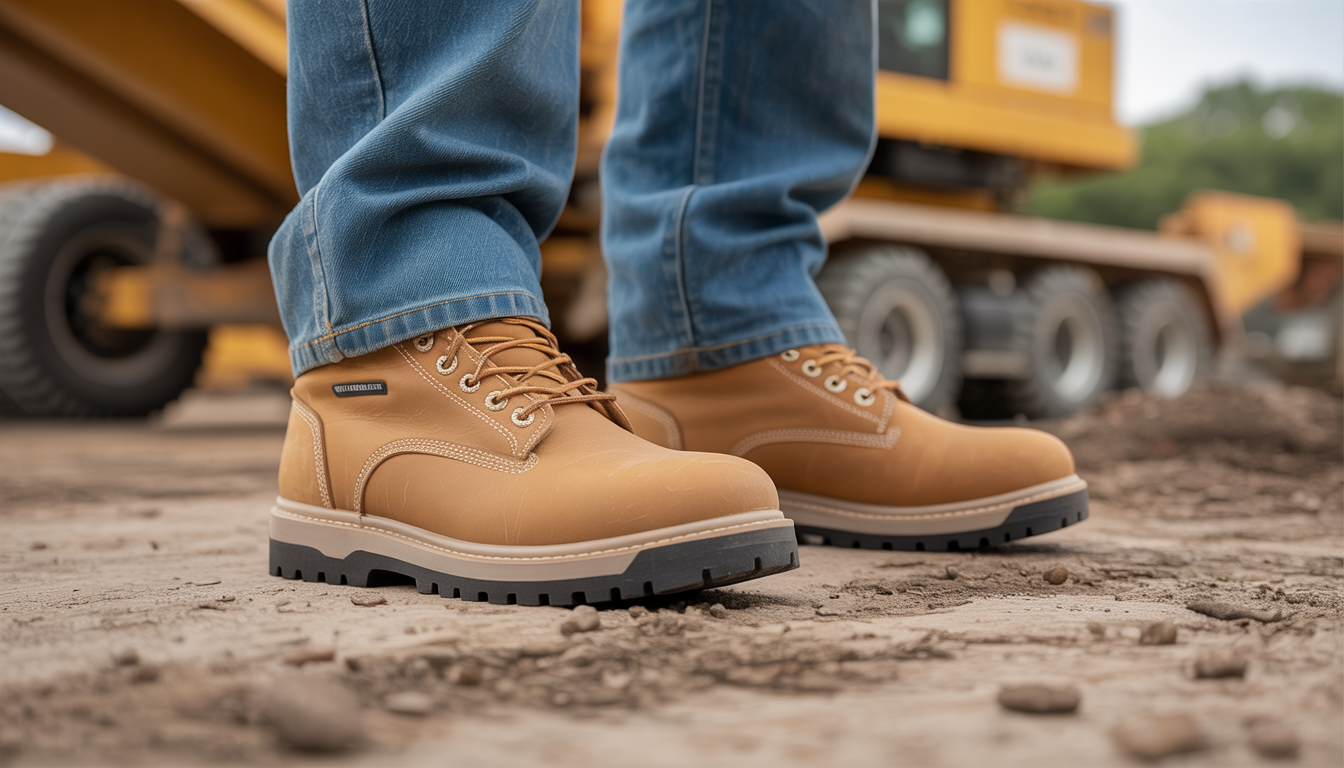
How to choose between Hoka and certified safety shoes
Follow these practical steps.
- Identify workplace requirements.
- Confirm if a steel toe and ASTM rating are mandatory.
- Prioritize protection over comfort if required by rules.
- Certified footwear keeps you compliant and safe.
- Consider hybrid solutions.
- Use certified safety shoes for the job and Hoka for off-shift comfort.
- Test fit and return policy.
- Ensure fit and comfort; check return windows and warranty.
Asking does Hoka make steel toe shoes is useful. But the decision should hinge on certification, not brand comfort.

Common trade-offs: comfort vs. certified protection
Understanding trade-offs helps make a smart choice.
- Weight: Traditional steel toes are heavier than many Hoka models.
- Comfort: Hoka’s cushioning is often superior for long wear.
- Protection: Certified steel toes offer tested protection that most Hoka shoes lack.
- Cost: High-quality certified work boots can be as pricey as comfort shoes but serve different needs.
If your priority is workplace safety, pick certified shoes. If comfort is the main need and your workplace allows non-certified footwear, Hoka can be excellent.

Practical buying checklist
Use this quick checklist when shopping.
- Confirm ASTM or EN ISO certification if required.
- Look for “steel toe,” “composite toe,” or “alloy toe” in specs.
- Check slip resistance and electrical hazard ratings if needed.
- Try on both standing and walking in-store when possible.
- Keep a return option in case fit or protection is unsatisfactory.
This checklist will help you answer the question does Hoka make steel toe shoes in the context of your needs.
Frequently Asked Questions of does hoka make steel toe shoes
Does Hoka offer any steel toe models?
No. Hoka does not widely offer ASTM-rated steel toe models designed for industrial jobs. Some models have reinforced toes but lack formal steel toe certification.
Can Hoka shoes be used on job sites that require steel toes?
Not reliably. Unless a Hoka model clearly lists ASTM or equivalent certification, it should not be used where steel toes are mandatory.
Are there Hoka shoes with reinforced toes?
Yes. Some Hoka trail and rugged models have reinforced toe caps or rock plates for protection against trail hazards. Those are not the same as certified steel toes.
Does Hoka make composite toe shoes?
Hoka has not broadly marketed certified composite toe shoes. If you need composite toe protection, verify the product specs for certification before buying.
Can I customize Hoka shoes to add steel toes?
Adding a true steel toe requires factory-grade construction and testing. Aftermarket modifications are not recommended and will not provide certified protection.
Conclusion
Hoka brings outstanding comfort and cushioning to runners, walkers, and people who spend long hours on their feet. However, when the specific question is does Hoka make steel toe shoes that meet workplace safety standards, the clear answer is usually no — Hoka’s core lineup prioritizes comfort and performance over certified industrial protection. If you need a shoe for a regulated jobsite, choose footwear with confirmed ASTM or EN ISO ratings. If your priority is comfort and your workplace rules allow non-certified shoes, Hoka can be an excellent choice for off-shift wear or low-risk environments. Consider your safety requirements first, then pick the brand that best balances protection and comfort. If this helped, share your needs in the comments or subscribe for gear guides and real-world shoe tests.

Michael Smith is the Content Strategist behind The Style Hub, where fashion meets function. With a keen eye for trends and a passion for everyday style, he curates content that helps readers make smarter, more stylish choices—from the perfect pair of sneakers to must-have accessories. Michael specializes in breaking down fashion into practical, wearable insights, making style accessible for everyone. When he’s not researching the latest trends, he’s exploring how comfort, innovation, and timeless design come together in modern fashion.