How To Break In Shoes: The Ultimate 2026 Comfort Guide
To break in shoes effectively, wear them around the house with thick socks to gently stretch the material.
We have all been there. You buy a stunning pair of leather boots or sleek running sneakers, only to suffer through days of blisters and aching feet. As someone who has spent years testing footwear for comfort and performance, I have learned that the secret to breaking in shoes is patience rather than brute force. Mastering how to break in shoes is an essential skill for any shoe lover, ensuring that your investment provides long-term comfort rather than misery. By understanding how to break in shoes properly, you can save your skin and extend the lifespan of your favorite pair.
The Science of Material Adaptation
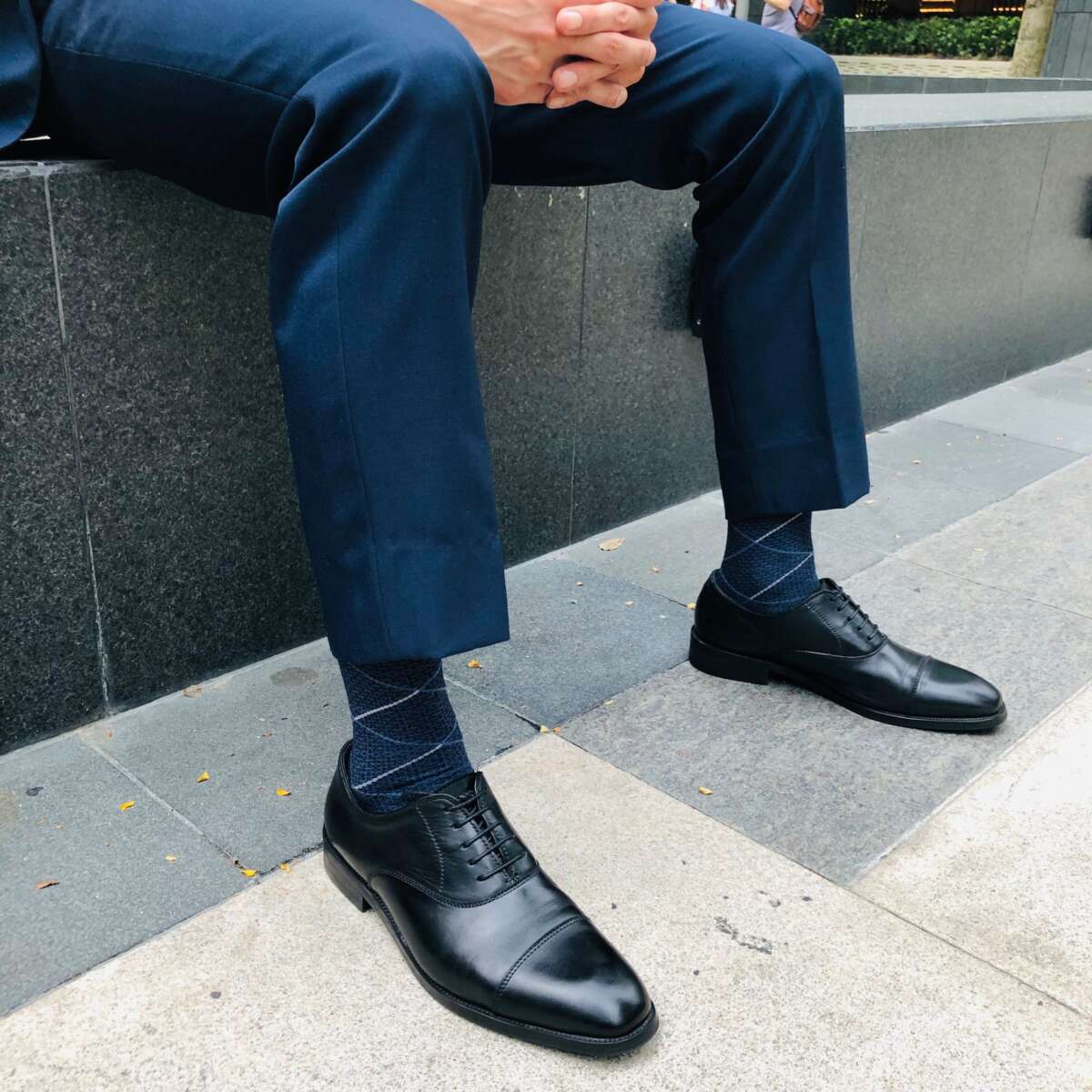
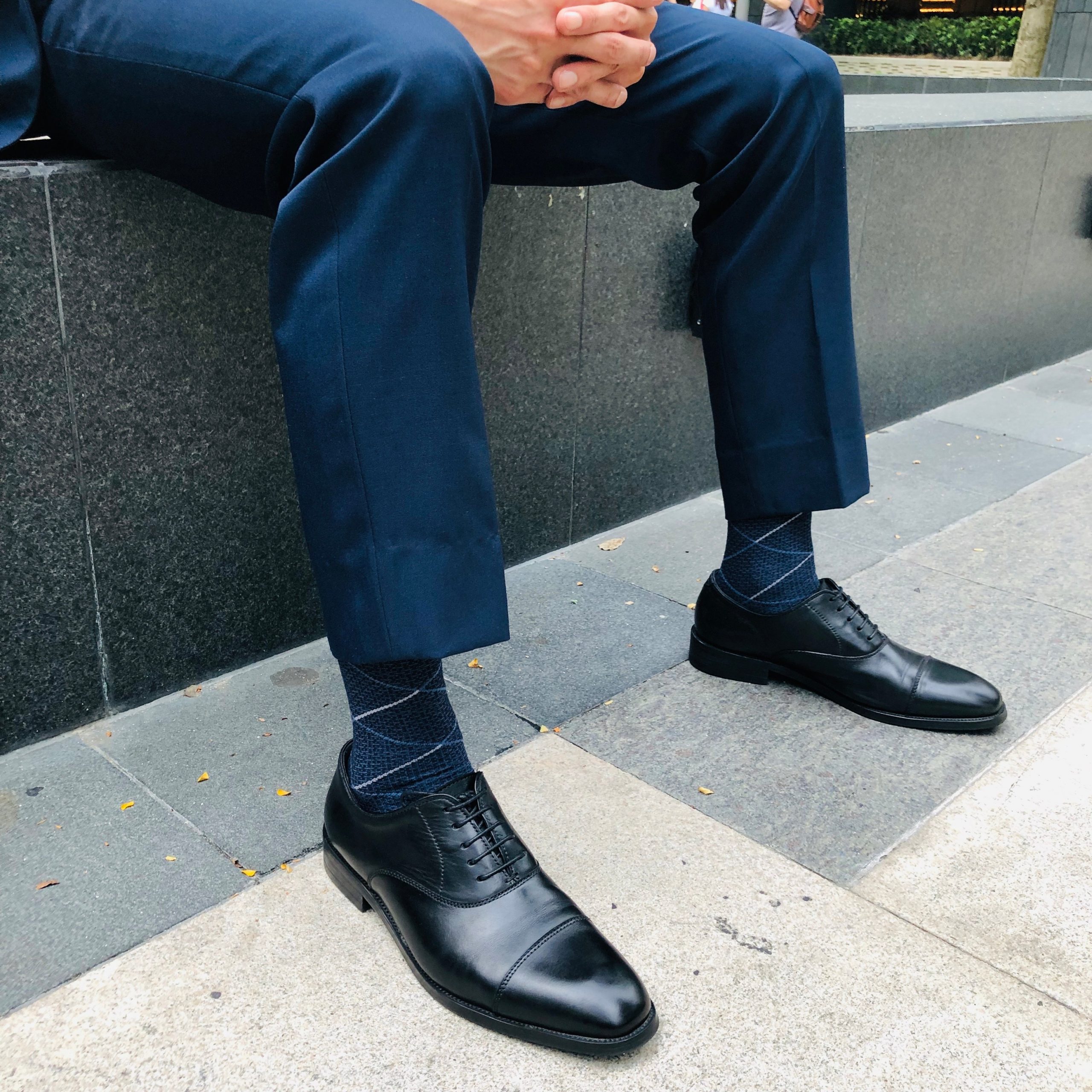
Every shoe is constructed from different materials, and each requires a unique approach when you learn how to break in shoes. Leather, for instance, is an organic material that reacts to heat and moisture, which is why it eventually conforms perfectly to your foot. Synthetic materials, however, are often stiffer and do not stretch as much as natural hide. Understanding your material is the first step in how to break in shoes successfully.
I remember my first pair of premium Italian leather loafers; I tried to force them into submission by wearing them on a long city walk. That was a mistake. I ended up with painful heels and a ruined day. Now, I know that how to break in shoes involves a gradual transition. Focus on small sessions of movement to allow the fibers to relax without putting excessive stress on your joints or your skin.

Step-by-Step Methods to Break in Shoes
If you want to know how to break in shoes without pain, consistency is your best friend. Start by wearing your new footwear for short periods inside your home. This controlled environment allows you to monitor how the shoe feels while providing the freedom to take them off the moment discomfort begins.
Try these proven techniques to accelerate the process:
- Wear thick socks to create extra space. Thick wool or athletic socks help push against the upper material of the shoe, forcing it to stretch slightly.
- Use a shoe stretcher tool for targeted relief. If you have a specific pressure point, a mechanical stretcher can focus pressure on that area over several nights.
- Apply a leather conditioner to soften the grain. When you learn how to break in shoes made of leather, keeping the material supple is crucial to prevent cracking.
- Use the heat method carefully. Wearing your shoes and using a hair dryer on a low setting can help soften tight spots, but keep the heat moving to avoid damaging the finish.
- Flex the soles manually. If the shoe feels stiff, use your hands to gently bend the sole at the ball of the foot to simulate the natural motion of your stride.

Mistakes to Avoid When Softening Footwear
Many people make the error of wearing new shoes to events where they will be standing for hours. Learning how to break in shoes requires avoiding high-stakes situations until the break-in period is finished. Do not rely on DIY hacks like putting your shoes in the oven or soaking them in water, as these can permanently warp the structure or destroy the adhesive binding the soles.
I once saw a friend attempt to stretch a pair of suede boots by soaking them, which caused the nap to stiffen and the color to bleed. When you explore how to break in shoes, remember that slow and steady is always superior to quick and drastic. Your goal is to shape the shoe to your foot, not to force a transformation that breaks the structural integrity of the design.
Frequently Asked Questions of how to break in shoes
How long does it typically take to break in a new pair of shoes?
Most shoes require between three to five days of light wear to feel comfortable. Stiffer materials like full-grain leather or heavy boots may take up to two weeks of consistent, short-term usage.
Should I wear socks while breaking in my shoes?
Yes, wearing socks provides a protective barrier for your skin and helps stretch the material. Using a slightly thicker sock than you intend to wear regularly is an excellent way to speed up the process.
Can I use alcohol to help stretch my shoes?
While some people use a mixture of water and rubbing alcohol to soften leather, it can be risky. It often dries out the material, so you must follow up with a high-quality leather conditioner immediately.
What should I do if my new shoes keep causing blisters?
Stop wearing the shoes immediately and let your skin heal completely. Apply a blister bandage or moleskin to the affected area before trying again with thicker socks or a targeted stretching tool.
Is it possible to overstretch shoes during the break-in process?
Yes, it is possible to stretch synthetic or leather shoes too far if you use aggressive mechanical methods. Always start with minimal pressure and check the fit frequently to avoid ruining the shape of the shoe.
Conclusion
Understanding how to break in shoes is the bridge between a painful walk and all-day comfort. By respecting the materials and using a gradual, patient approach, you can ensure that your footwear becomes an extension of your body rather than a source of discomfort. Remember that your feet are unique, and the process of how to break in shoes should always prioritize your physical health over the desire to wear a new pair immediately. Start your journey toward perfectly fitting shoes today by trying these tips at home, and feel free to leave a comment below if you have a favorite trick for softening up a tough pair of boots.

Michael Smith is the Content Strategist behind The Style Hub, where fashion meets function. With a keen eye for trends and a passion for everyday style, he curates content that helps readers make smarter, more stylish choices—from the perfect pair of sneakers to must-have accessories. Michael specializes in breaking down fashion into practical, wearable insights, making style accessible for everyone. When he’s not researching the latest trends, he’s exploring how comfort, innovation, and timeless design come together in modern fashion.