How To Make Shoes Fit: Practical Tips For Comfort In 2026
You can make shoes fit better by using thicker socks, supportive insoles, or simple stretching techniques like using a shoe tree.
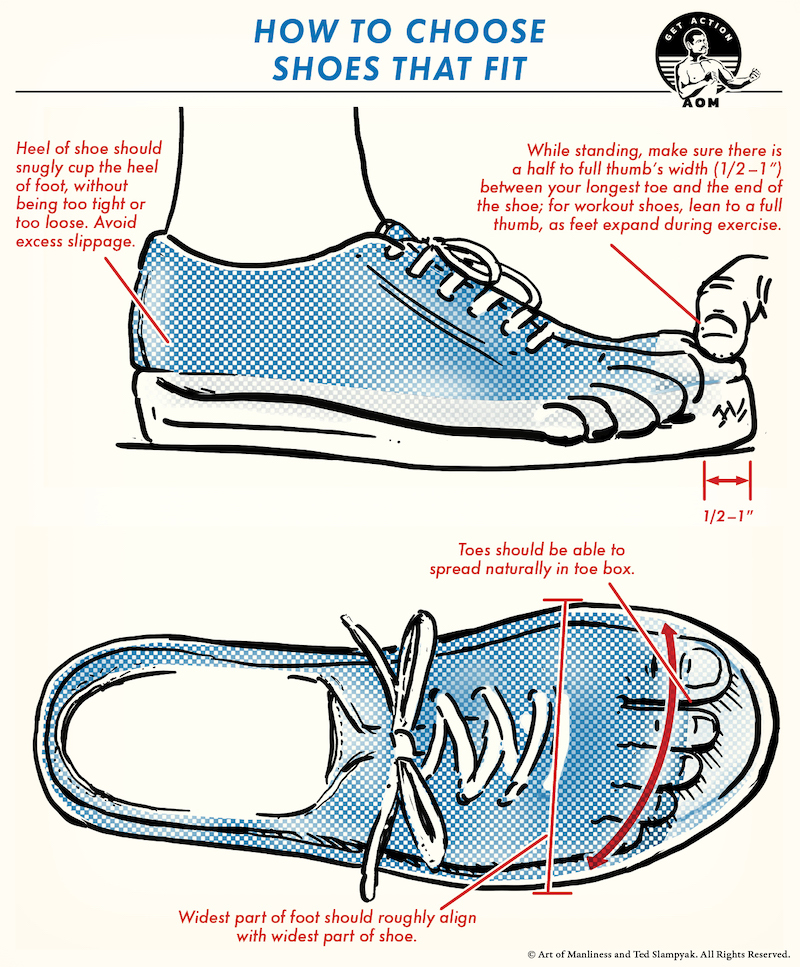
We have all been there—you find the perfect pair of shoes, but after a few hours of wear, they start to pinch, slip, or rub in all the wrong places. Learning how to make shoes fit properly is a skill that saves both your feet and your bank account. Over the years, I have rescued countless pairs of beautiful leather boots and stubborn sneakers using a few tried-and-true adjustments. Whether you are dealing with heel slippage or a tight toe box, understanding how to make shoes fit is essential for maintaining comfort and preventing long-term foot pain. Let us walk through the professional methods that turn painful footwear into your new favorites.

Why Proper Shoe Fit Matters
The importance of finding the right fit goes beyond simple comfort. When you figure out how to make shoes fit, you are actually protecting your joints, posture, and skin. Ill-fitting shoes often lead to blisters, bunions, and even chronic back pain. I learned this the hard way after wearing a pair of stylish but narrow flats for a full day of travel. By the end, I had deep abrasions on my heels and a newfound respect for proper footwear sizing.
Your feet change throughout the day, often swelling slightly by the evening. This is why a shoe that feels perfect in the store might feel tight later on. Knowing how to make shoes fit allows you to account for these natural fluctuations. You should aim for a balance where your foot is secure but not constricted. Proper fit is the foundation of foot health, and once you master these techniques, you will rarely have to suffer through an uncomfortable walk again.
Proven Methods to Tighten Loose Shoes
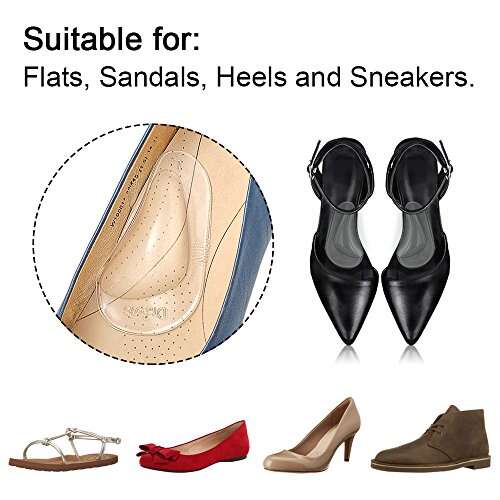
If your shoes are too big, they can lead to uncomfortable rubbing and instability. A simple fix to make shoes fit better is using insoles. Adding a cushioned or gel insole reduces the internal volume of the shoe, pushing your foot up slightly for a snugger grip. This is a common strategy I use for loafers that have stretched out over time.
You can also use heel grips to prevent slipping. These adhesive strips stick to the back of the heel counter and fill the gap behind your ankle. Here are other effective ways to manage loose footwear:
- Thick socks provide immediate volume if you are wearing boots or sneakers.
- Forefoot cushions help push the foot back, keeping the heel securely in the cup.
- Tongue pads can prevent your foot from sliding forward if the shoe is too long.
How to Stretch Tight Shoes at Home
When you need to make shoes fit because they are too tight, the goal is to gently relax the material. Leather is the most responsive material for this, but synthetic fabrics can also be loosened with patience. A popular method is the freezer bag trick, where you fill a plastic bag with water, place it inside the shoe, and freeze it. The expanding ice gently pushes the shoe walls outward.
I personally prefer using a professional shoe stretcher. These wooden or plastic tools allow you to apply consistent pressure to specific areas, like the bunion or toe regions. Remember these tips for effective stretching:
- Always use a shoe stretch spray to soften the material before inserting the stretcher.
- Leave the stretcher in for at least 24 hours to see a noticeable difference.
- Avoid over-stretching, as it can damage the structural integrity of the shoe.

Frequently Asked Questions of how to make shoes fit
Can I stretch synthetic shoes as easily as leather?
Synthetic materials do not stretch as effectively as leather because they lack natural fibers. You can achieve some relief, but the material will likely return to its original shape quickly.
Will heating my shoes help them stretch faster?
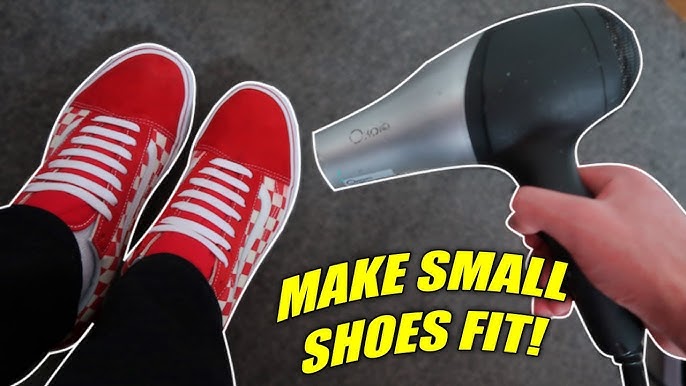
Using a hair dryer on low heat can soften materials, but it carries the risk of melting glues or damaging synthetic fabrics. It is safer to use a dedicated shoe stretch spray instead of heat.
How do I know if my shoes are too small to be stretched?
If your toes are curled or completely immobile, the shoe is likely too small for your skeletal structure. Stretching cannot change the length of a sole, so avoid buying shoes that are shorter than your feet.
Are insoles permanent, or should I remove them?
Insoles can be left in the shoe permanently if they provide the necessary comfort. However, if you are wearing a thinner sock, you might find the fit is better without them.
Does walking around the house in thick socks actually work?
Walking in thick socks is a great way to break in new leather shoes by using your body heat and pressure. It is a slow process, but it is one of the safest ways to make shoes fit your unique foot shape.
Conclusion
Mastering how to make shoes fit is about patience and knowing your options. Whether you need to tighten a loose pair with insoles or stretch out a tight toe box with professional tools, these adjustments ensure your footwear works for you, not against you. Start with simple changes like thicker socks or heel grips before moving to more intensive stretching methods.
I encourage you to try these tips on your own collection today. Take a moment to walk around in your most uncomfortable pair and identify exactly where the friction is. Once you solve the fit, you will enjoy your shoes much more. If you found this guide helpful, leave a comment below with your favorite shoe-saving hack or subscribe for more tips on maintaining your wardrobe!

Michael Smith is the Content Strategist behind The Style Hub, where fashion meets function. With a keen eye for trends and a passion for everyday style, he curates content that helps readers make smarter, more stylish choices—from the perfect pair of sneakers to must-have accessories. Michael specializes in breaking down fashion into practical, wearable insights, making style accessible for everyone. When he’s not researching the latest trends, he’s exploring how comfort, innovation, and timeless design come together in modern fashion.