How To Lace Dress Shoes: The Ultimate Guide For 2026
The best way to lace dress shoes is by using the traditional bar lacing method for a clean, professional, and sophisticated look.
I still remember my first job interview. I spent hours perfecting my suit, only to realize minutes before leaving that my shoelaces looked like a tangled mess. After years of testing different styles, I have learned that the way you lace dress shoes is the quiet detail that separates the well-dressed from the rest. Understanding how to lace dress shoes is about more than just utility; it is about respecting the craftsmanship of your footwear. Whether you prefer the classic parallel bar look or the traditional crisscross, mastering this skill ensures your shoes fit properly and look sharp.
Why the Lacing Method Matters
Many people view lacing as an afterthought, but it significantly impacts the aesthetics and comfort of your footwear. When you know how to lace dress shoes correctly, you prevent the leather from pinching and ensure the quarters of the shoe close properly. Proper tension distribution allows for a snug fit that stays comfortable throughout a long day at the office or an evening event.
When I started paying attention to my lacing, I realized that different techniques accommodate different foot widths. If you have a high instep, certain lacing patterns will relieve pressure points that cause foot fatigue. Beyond comfort, the visual appeal of a crisp, horizontal bar lacing pattern communicates attention to detail. It is a subtle signal to the world that you value quality and presentation.

Master the Bar Lacing Technique
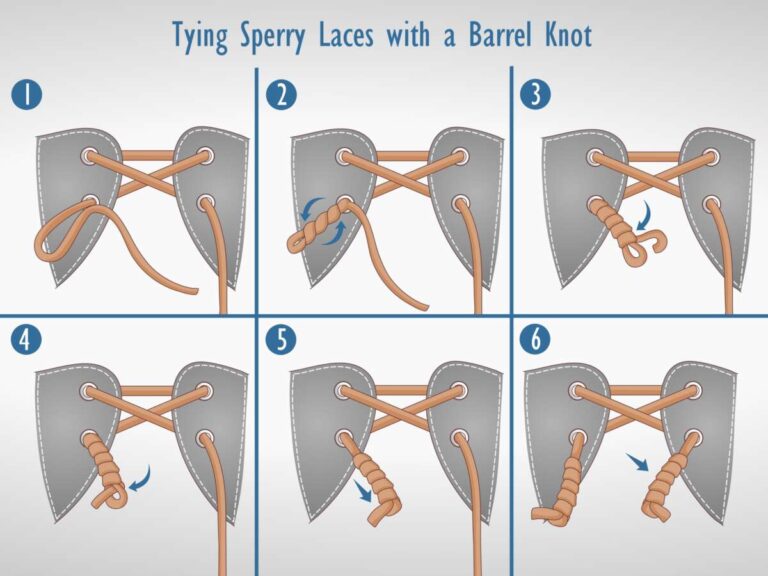
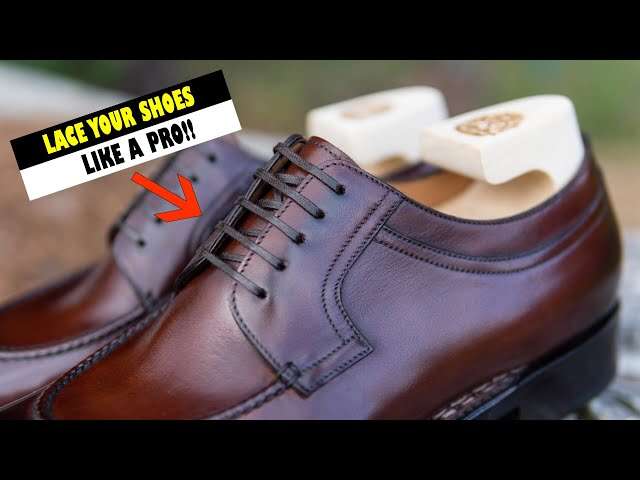
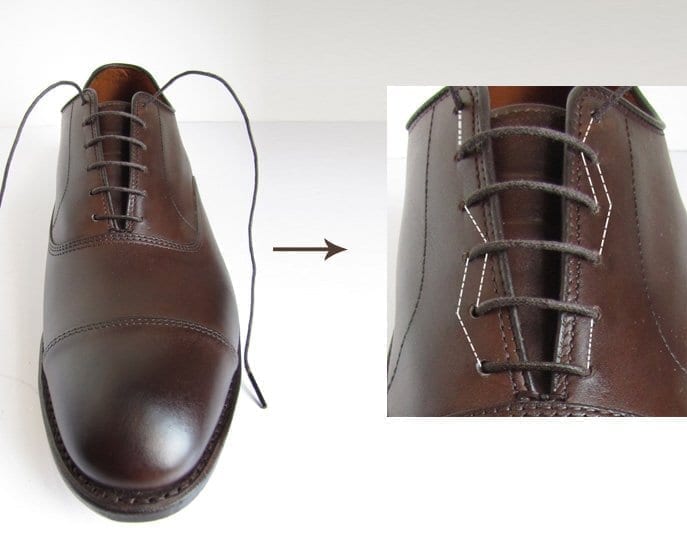
Bar lacing is widely considered the gold standard for formal dress shoes like Oxfords. It creates clean, horizontal lines across the shoe, avoiding the messy look of overlapping laces. Follow these steps to achieve the perfect look when you learn how to lace dress shoes:
- Start by inserting both ends of the lace into the bottom eyelets from the inside out.
- Pull the lace so that both sides are even in length.
- Take the left lace and run it under the second eyelet on the same side, then across the shoe into the opposite eyelet.
- Take the right lace and skip one eyelet, running it under the third eyelet on the same side, then across the shoe into the opposite eyelet.
- Continue this alternating pattern until you reach the top eyelets.
- Tighten each segment individually to ensure the tension is even across the top of your foot.
This method requires patience, but it provides a sleek finish that elevates the profile of your dress shoes. If you find the ends are uneven, do not worry; just adjust the starting length before you begin the process.
Troubleshooting Common Lacing Mistakes
One common mistake when learning how to lace dress shoes is pulling the laces too tight, which can cause the eyelets to overlap or crease the leather. I learned this the hard way when I ruined a pair of Italian leather shoes by forcing them shut. Instead, aim for a gap between the two sides of the shoe that is about half an inch wide.
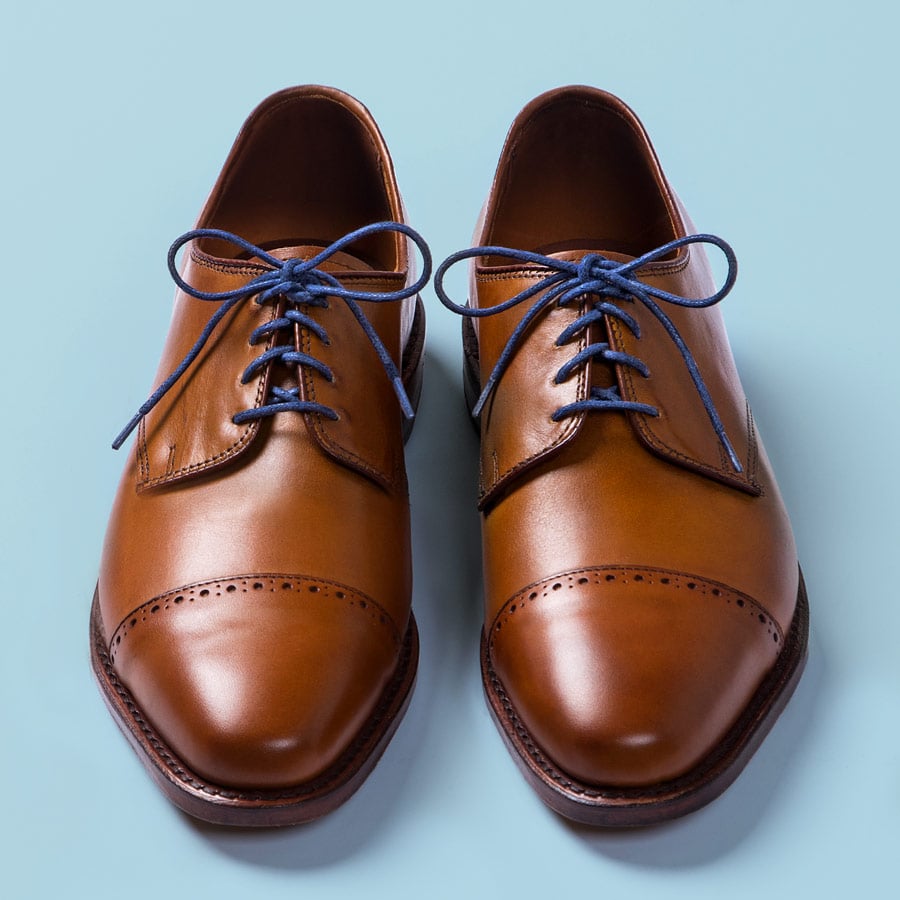
Another error is using laces that are too thick or too long. Most dress shoes come with flat, waxed cotton laces that are ideal for sliding through the eyelets smoothly. If you replace your laces, ensure the diameter matches the original pair. If your laces are constantly coming undone, check if you are using a square knot instead of a granny knot. A simple switch in how you loop your bows will keep your dress shoes secure all day.

Frequently Asked Questions of how to lace dress shoes
Should I use bar lacing for all dress shoes?
Bar lacing is ideal for closed-lacing shoes like Oxfords, but you can use crisscross lacing for more casual open-lacing styles like Derbies. Choose the style that best complements the formality of your specific shoe.
How do I keep my laces from coming untied?
Use a double knot if you are in a rush, or ensure you are tying a proper reef knot instead of a granny knot. Waxed cotton laces are also less prone to slipping than synthetic materials.
Does the lacing method affect the fit of the shoe?
Yes, certain patterns provide more or less room in the instep area depending on how the laces are tensioned. Adjusting the lacing width can significantly improve your comfort if you have wide feet or high arches.
How often should I replace dress shoe laces?
You should replace your laces whenever they show signs of fraying or when the plastic aglets at the ends start to break. Fresh laces can make an old pair of dress shoes look brand new.
Is it hard to learn how to lace dress shoes properly?
It might take a few tries to get the pattern right, but it is a simple skill that becomes second nature. Once you practice the technique a few times, you will be able to lace your shoes in under two minutes.
Conclusion
Learning how to lace dress shoes is a small but powerful step toward mastering your personal style. By choosing the right technique and maintaining consistent tension, you improve the longevity of your leather and the comfort of your stride. Take a moment today to inspect your footwear and try out a new lacing style to elevate your look. Your shoes are the foundation of your outfit, so give them the care they deserve. Why not start by re-lacing your favorite pair this evening and seeing the difference for yourself? Leave a comment below if you have a favorite lacing trick that keeps your feet comfortable all day long.

Michael Smith is the Content Strategist behind The Style Hub, where fashion meets function. With a keen eye for trends and a passion for everyday style, he curates content that helps readers make smarter, more stylish choices—from the perfect pair of sneakers to must-have accessories. Michael specializes in breaking down fashion into practical, wearable insights, making style accessible for everyone. When he’s not researching the latest trends, he’s exploring how comfort, innovation, and timeless design come together in modern fashion.